Alpha-Amylase Inhibitory Protein
Alpha-amylase inhibitory protein is a protein preparation that binds and inactivates alpha-amylase, the enzyme that hydrolyses starch to maltose and dextrins. In commercial supply the term almost always means phaseolamin, the alpha-amylase inhibitor isolated from the common bean Phaseolus vulgaris, which in trade is sold as white kidney bean extract standardised on inhibitory activity rather than on protein content alone.
The active molecule is a glycoprotein of roughly 45 to 50 kilodaltons that forms a tight complex with human pancreatic alpha-amylase, blocking the active site and slowing the breakdown of dietary starch in the small intestine. It is one of a group of defensive proteins the bean produces against insect and mammalian herbivory, and it sits in the seed alongside the lectin phytohaemagglutinin, which is toxic and which the manufacturing process therefore has to remove or inactivate.
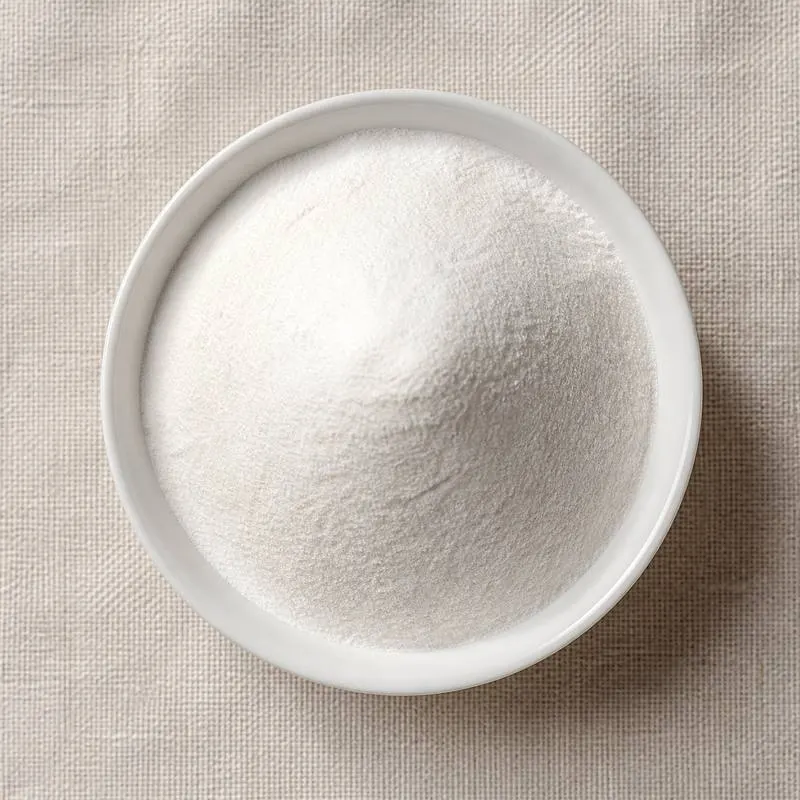
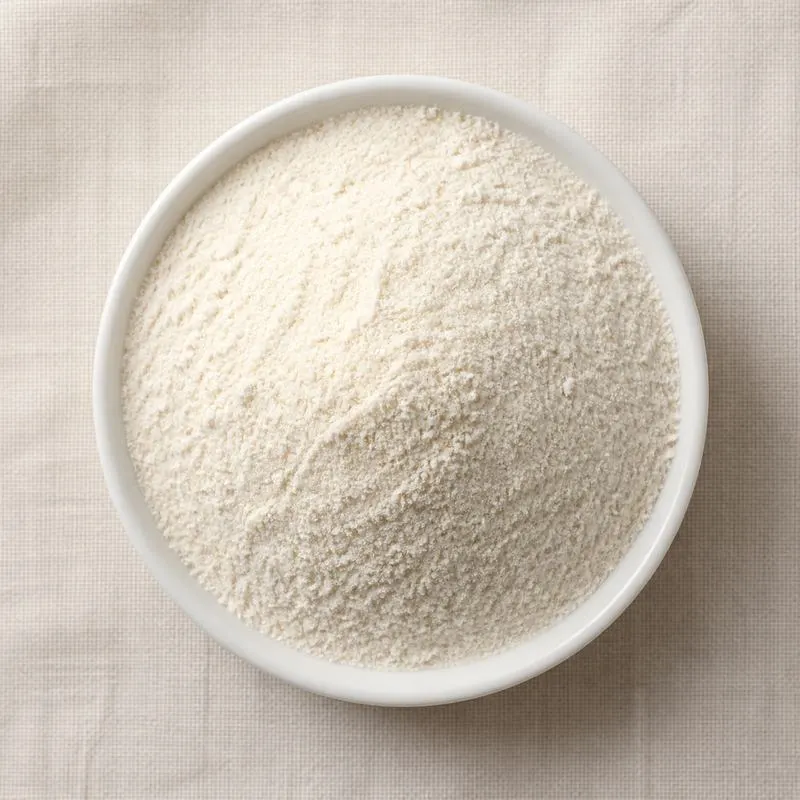
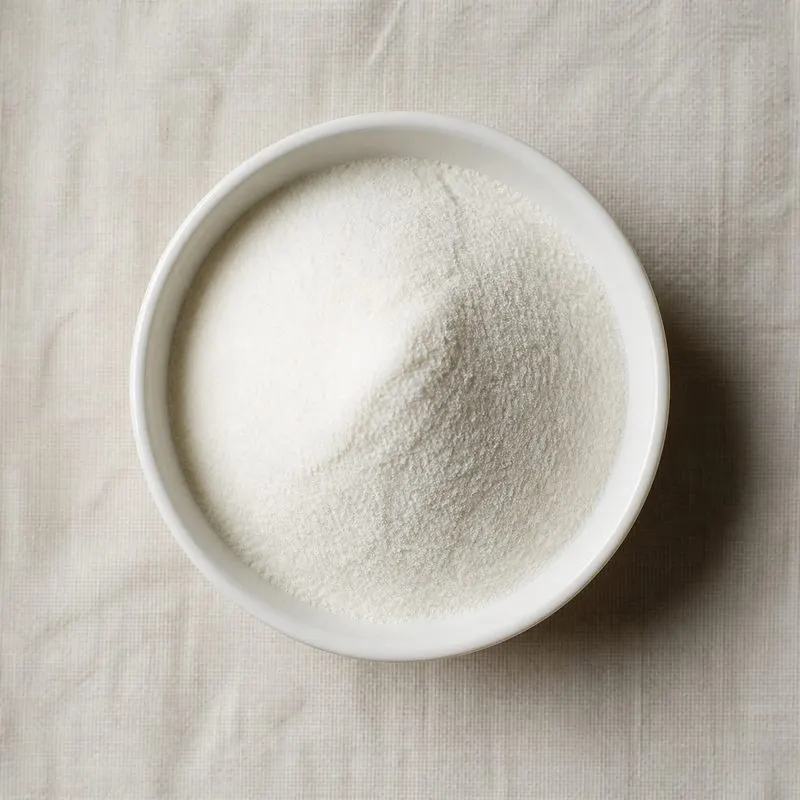
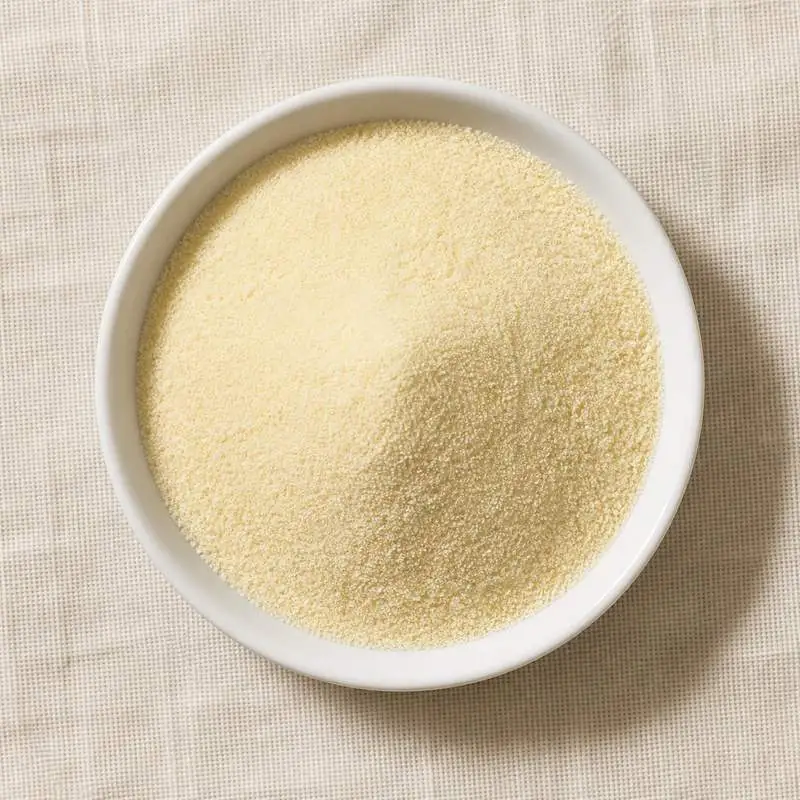
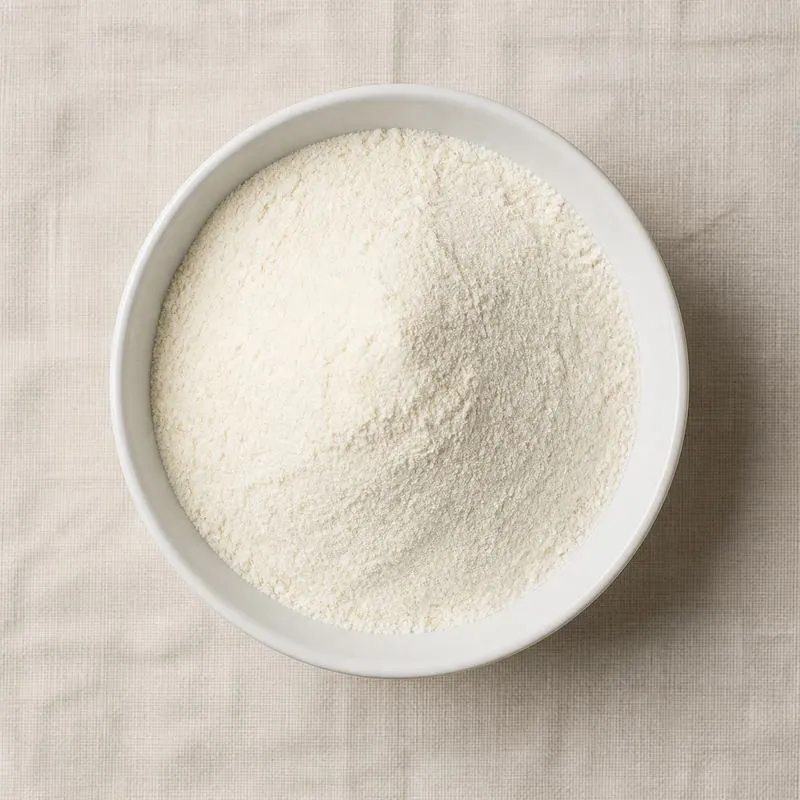
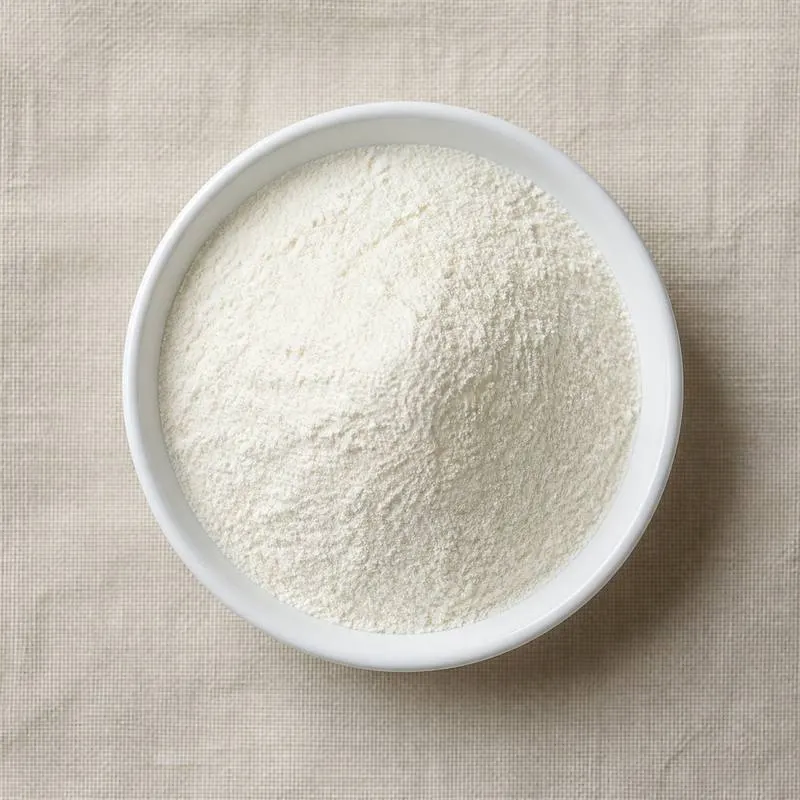
The material is an off white to pale beige spray dried powder that dissolves in water to a clear or slightly hazy solution, and is specified in alpha-amylase inhibiting units per gram, with common commercial grades running from around 1500 to 4000 units per gram. Because the activity depends on the native protein conformation, the preparation is destroyed by heat and by low pH, which restricts it to capsules, tablets and dry sachets and rules out cooked, retorted or acidic applications.
We source bulk Alpha-Amylase Inhibitory Protein from top China manufacturers for our partners. The manufacturer is in Yunnan. A smaller requirement can ship in a combined container with other ingredients.
Please send the grade you need, the volume and your destination port, and we will come back with a solution and a price.
or call +86-21-6858 0751
- Function
- Protein
Specifications
| Item | Specification |
|---|---|
| Appearance | Off white to pale beige fine powder |
| Odour and Taste | Characteristic bean odour, bland taste |
| Alpha-Amylase Inhibiting Activity | Not less than 2000 units per gram |
| Protein (dry basis, N x 6.25) | Not less than 30.0 percent |
| Identification | Botanical origin Phaseolus vulgaris confirmed, protein profile conforms to reference |
| Haemagglutinating Activity | Not more than 200 hau per gram |
| Loss on Drying | Not more than 7.0 percent |
| Ash | Not more than 8.0 percent |
| Particle Size | Passes 80 mesh, not less than 95 percent |
| Residual Solvent | Not more than 0.05 percent |
| Lead | Not more than 1.0 mg/kg |
| Arsenic | Not more than 1.0 mg/kg |
| Heavy Metals (as Pb) | Not more than 10 mg/kg |
| Total Plate Count | Not more than 10000 cfu/g |
| Yeast and Mould | Not more than 100 cfu/g |
| E. coli | Negative in 1 g |
| Salmonella | Negative in 25 g |
Common Markets Grades
Grades are defined by inhibitory activity per gram rather than by assay of a chemical substance, and by the extraction ratio quoted alongside it. Concentrations around 1500 to 2000 units per gram represent the standard supplement grade, while 3000 to 4000 unit material is more thoroughly purified and used where the finished dose form has limited fill weight. Buyers should read the unit definition on the specification, since assay methods differ between suppliers and a unit is not a universal figure.
The second and more important grade distinction is residual lectin. Phytohaemagglutinin activity has to be reduced to a low level, and properly made grades carry a haemagglutination limit on the certificate of analysis alongside the amylase inhibition figure. Grades also differ in starch and fibre carryover, which dilutes the activity and affects flow and compressibility in tabletting, and in whether the extract has been standardised with maltodextrin. Organic certified white kidney bean extract is available in limited quantity.
Applications
- Weight management capsules and tablets, positioned on reducing the digestion of dietary starch
- Blood glucose management supplements, taken with starch containing meals
- Carbohydrate blocker sachets and stick packs in the sports nutrition trade
- Combination formulas with chromium, green tea extract or fibre in slimming products
- Meal accompanying tablets sold in the Chinese and Japanese functional food markets
- Powder blends for dry beverage mixes reconstituted in cold water, where heat would destroy the activity
- Chewable and orally disintegrating tablet formats, where no thermal processing is involved
- Veterinary and pet weight control supplements
China Manufacturers of Alpha-Amylase Inhibitory Protein
Top Alpha-Amylase Inhibitory Protein manufacturers in China.

Company names and logos are the property of the manufacturers themselves. They are listed here because our own directory records them as producing this ingredient. A listing is not an endorsement by them, and we do not represent them or speak on their behalf.
Regulatory Status
In the United States white kidney bean extract is marketed as a dietary supplement ingredient under the dietary supplement framework. Because the bean has a long history of food use and the extract was on the market before the relevant cut off, suppliers generally treat it as an old dietary ingredient rather than filing a new dietary ingredient notification, though the position depends on how far the extraction differs from conventional food processing. There is no food additive regulation covering it and claims about carbohydrate blocking are structure and function claims carrying the associated notification and disclaimer requirements.
In the European Union the position is more restrictive. A concentrated alpha-amylase inhibitor preparation from the bean is not a conventional food, and unless a specific preparation holds novel food authorisation it may not be placed on the Union market as a food or supplement ingredient. Claims relating to blood glucose or weight management may only be made where authorised on the Union register of health claims, and no such claim is authorised for this material. It is not a food additive and holds no E number. Neither JECFA nor Codex has evaluated it or published a specification.
Manufacturing Process
Manufacture starts from dry white kidney beans, which are cleaned, dehulled and milled to a flour. The inhibitor is water soluble, so the flour is extracted with water or a dilute buffered salt solution at controlled temperature, deliberately kept low because the active protein loses conformation and therefore activity if the extraction is run warm. The slurry is centrifuged and filtered to remove starch, hull fragments and insoluble fibre, which is where the bulk of the mass is discarded.
The clarified extract is then fractionated. Salt or solvent precipitation, or a chromatographic step on an ion exchange or affinity resin, separates the amylase inhibitor from the lectin fraction, and this separation is the critical control point of the whole process because phytohaemagglutinin has to be brought to a low level in the finished powder. Ultrafiltration concentrates the protein and removes salt and low molecular weight material. The concentrate is passed through a polishing filter and spray dried at a low inlet temperature, or freeze dried for the highest activity grades, then blended to a target activity with a carrier if standardisation is required, sieved and packed with a moisture barrier under conditions that keep the powder cool and dry.