Beef Bone Broth
Beef bone broth is the aqueous extract produced by simmering bovine bones, with or without adhering connective tissue and meat, in water for an extended period. The long cook is not a matter of tradition alone: it is what hydrolyses the insoluble collagen of bone and cartilage into soluble gelatin, and gelatin is the component that gives the finished broth its body and its characteristic gelling on cooling.
In composition the extract carries gelatin and collagen derived peptides as its principal solids, along with free amino acids concentrated in glycine, proline and hydroxyproline, glycosaminoglycans including chondroitin sulphate and hyaluronic acid released from cartilage, minerals leached from the bone mineral phase, and the fat and flavour compounds produced during cooking. It is the amino acid and glycosaminoglycan fraction on which the nutraceutical positioning of the category rests, and the gelatin and savoury volatiles on which the culinary use rests.
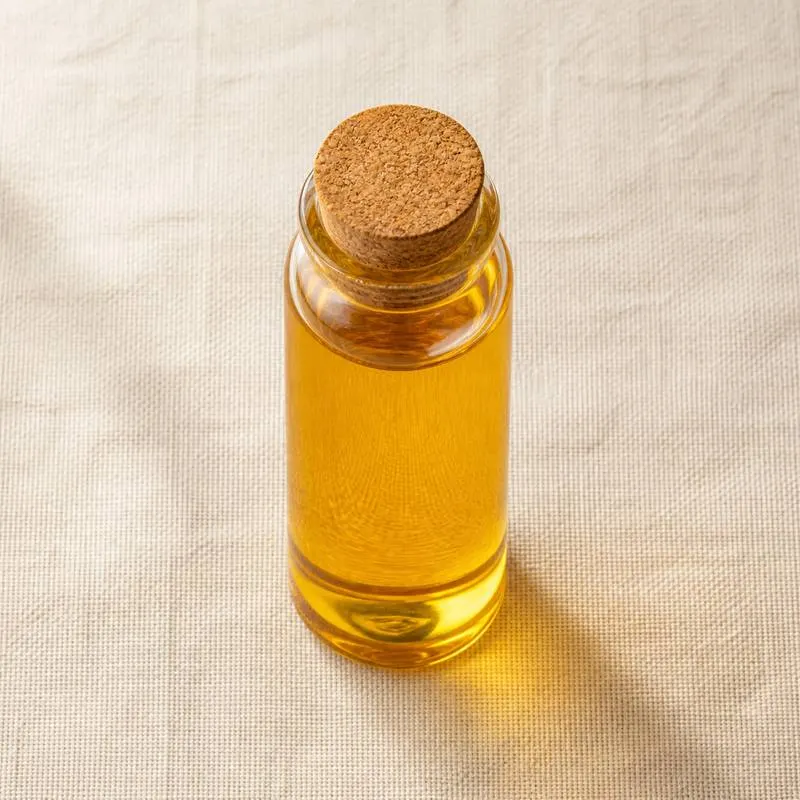
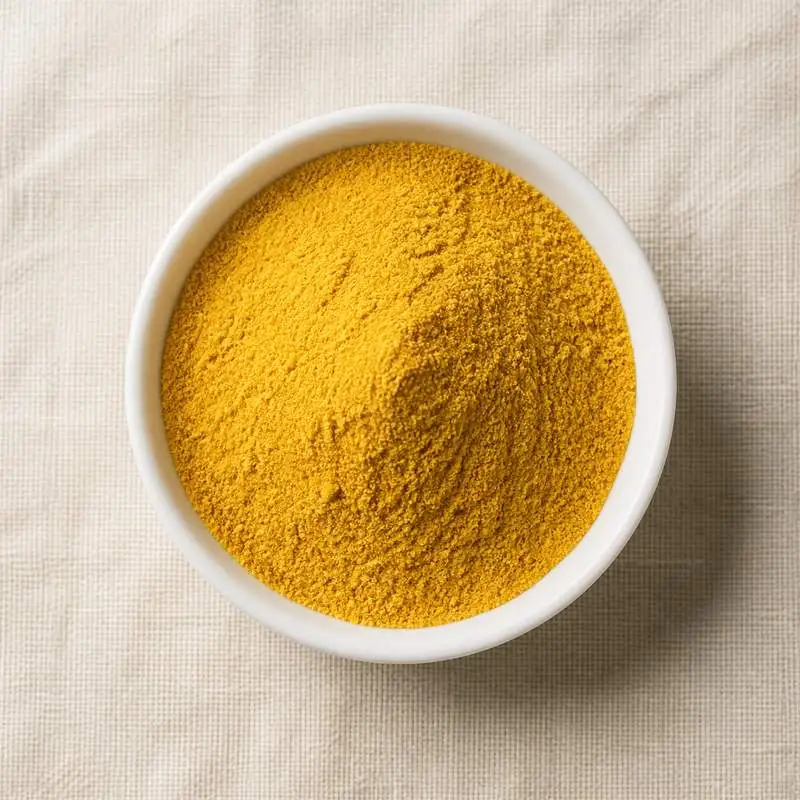
Ingredient forms are liquid concentrate, frozen liquid, spray dried powder and, where fat is removed and solids are pushed high, a paste. Liquid broth is a cloudy brown solution that sets to a gel at refrigeration temperature if the gelatin content is adequate, which is the informal test the trade uses to distinguish a genuine long cooked broth from a thin stock. Powder is hygroscopic and cakes readily, so it is packed with a moisture barrier.
We source bulk Beef Bone Broth from top China manufacturers for our partners. The manufacturer is in Guangdong. A smaller requirement can ship in a combined container with other ingredients.
Please send the grade you need, the volume and your destination port, and we will come back with a solution and a price.
or call +86-21-6858 0751

- Function
- Nutraceutical
Specifications
| Item | Specification |
|---|---|
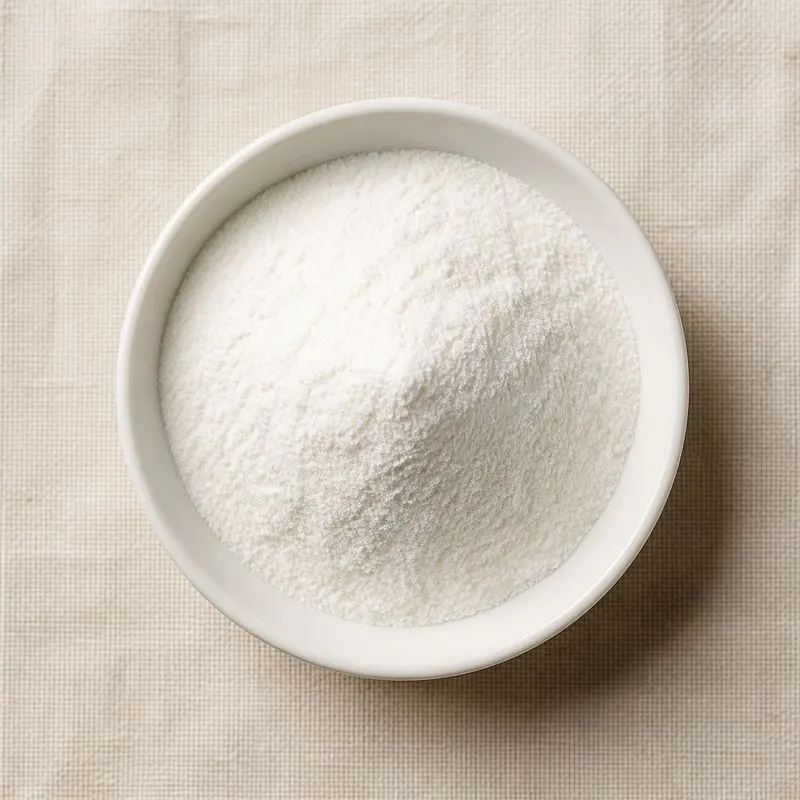
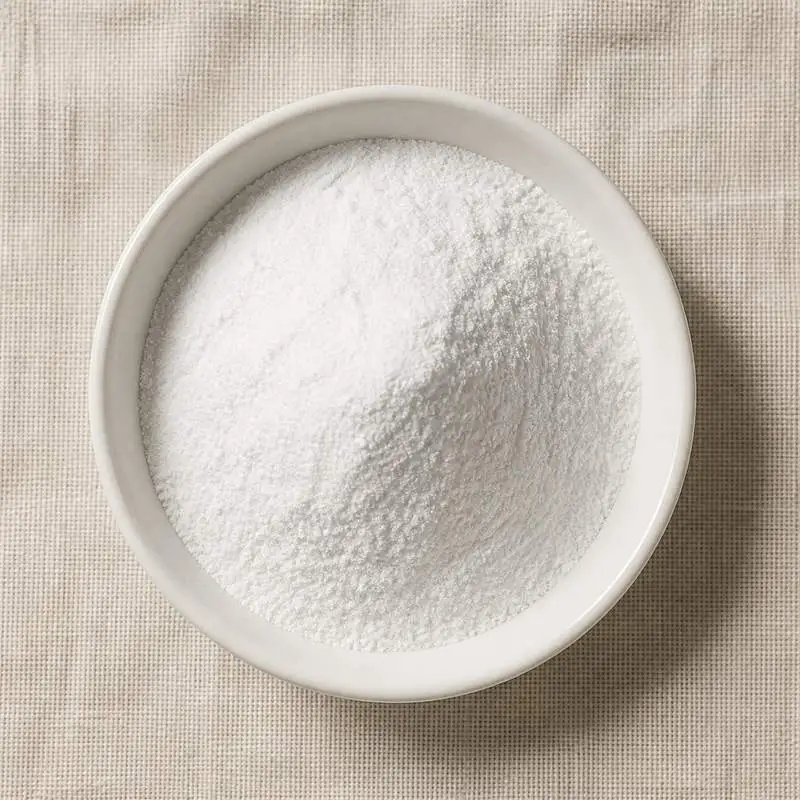
| Appearance | Brown opalescent liquid or light tan free flowing powder |
| Odour and Taste | Characteristic savoury beef, free of rancid or burnt notes |
| Total Solids (liquid) | Not less than 8.0 percent |
| Protein (dry basis) | Not less than 70.0 percent |
| Hydroxyproline | Not less than 6.0 percent of protein |
| Fat | Not more than 1.0 percent |
| Moisture (powder) | Not more than 6.0 percent |
| Total Ash | Not more than 12.0 percent |
| Sodium Chloride | To declared level |
| pH (2 percent solution) | 5.5 to 7.0 |
| Lead | Not more than 0.5 mg/kg |
| Cadmium | Not more than 0.2 mg/kg |
| Total Plate Count | Not more than 10000 cfu/g |
| Yeast and Mould | Not more than 100 cfu/g |
| E. coli | Absent in 1 g |
| Listeria monocytogenes | Absent in 25 g |
| Salmonella | Absent in 25 g |
Common Markets Grades
The most meaningful grading parameter is protein content on a dry basis, since it separates a genuine collagen rich broth from a dilute stock. Liquid grades are specified on total solids, on protein and on gel strength measured as Bloom or as a simple set test, along with fat content and salt. Powder grades are specified on protein, commonly 60 to 90 percent on the dry powder, on moisture, on solubility and on whether a carrier such as maltodextrin has been added to aid drying.
Beyond composition, the trade differentiates on raw material and process claims that carry commercial weight: grass fed and pasture raised sourcing, organic certification, the absence of added salt, and whether the product is a true long simmered broth or a reconstituted preparation built from hydrolysed collagen, meat extract and flavouring. Those two are chemically distinguishable on their peptide profile and on the glycosaminoglycan content, and buyers specifying a broth should say so explicitly rather than relying on the product name. Halal and kosher certification is available where the slaughter and handling chain supports it.
Applications
- Ready to drink broth and sipping broth products, the format that created the modern category
- Collagen and joint support supplements in powder and capsule form
- Gut health formulations, where the glycine and gelatin fraction is the marketed component
- Protein powders and meal replacements positioned on collagen rather than on whey or plant protein
- Soup, stew and sauce bases in food manufacture, where the gelatin gives body and mouthfeel
- Culinary stocks and reduction bases for foodservice, sold as concentrate or paste
- Ramen and noodle soup bases, where long cooked bone broth is the traditional foundation
- Savoury seasoning and flavour systems, where the broth supplies meaty depth alongside reaction flavours
- Pet food and companion animal toppers, where palatability and joint positioning both apply
- Clinical and recovery nutrition products built on an easily digested protein source
Brands Using Beef Bone Broth
Widely-distributed consumer products that list Beef Bone Broth on the ingredient label.
- Kettle & Fire100% Grass-fed Beef Bone Broth ↗Shelf stable carton of beef bone broth whose ingredient list begins with beef broth made from water and grass-fed beef bones simmered with organic vegetables and herbs.Label verified 2026-08-31
- Kettle & FireReduced Sodium Beef Bone Broth ↗Lower sodium version of the same beef bone broth, listing water and grass-fed beef bones as the base of the broth.Label verified 2026-08-31
Brand names, product names and logos are the property of their owners. They appear here as published evidence that the ingredient is used, taken from the brand's own label or website. Their appearance is not an endorsement, and it does not mean the brand buys from us or from any manufacturer listed on this site.
China Manufacturers of Beef Bone Broth
Top Beef Bone Broth manufacturers in China.

Company names and logos are the property of the manufacturers themselves. They are listed here because our own directory records them as producing this ingredient. A listing is not an endorsement by them, and we do not represent them or speak on their behalf.
Regulatory Status
In the United States beef bone broth is a meat food product and falls under the jurisdiction of the United States Department of Agriculture Food Safety and Inspection Service rather than the Food and Drug Administration, which means it must be produced in an inspected establishment operating an approved hazard analysis and critical control point plan, and its label must be reviewed against the meat labelling rules. There are standards of identity for broth and for stock that set minimum requirements, and a product sold as broth must meet them rather than simply being named that way. Dietary supplements containing bone broth protein are regulated under the dietary supplement framework, and structure function claims rather than disease claims are permitted.
In the European Union bone broth is a food of animal origin subject to the hygiene regulations, so it must be produced in an approved establishment, and imported product must come from a third country and establishment listed as eligible to export to the Union. Meat extracts and broths are additionally subject to the specified risk material rules arising from transmissible spongiform encephalopathy controls, which restrict which bovine tissues may be used and require documented removal of specified risk material, and vertebral column bone from older cattle is the practical constraint on raw material selection. It is not a food additive and holds no E number, and no health claim has been authorised for bone broth or collagen peptides in relation to joint or gut endpoints. Codex addresses the category through its general hygiene texts rather than through a commodity standard.
Manufacturing Process
Bones arrive from the cutting floor, most often femur, knuckle and neck bones with cartilage attached, and are inspected, washed and in many plants roasted, since roasting develops the Maillard flavour compounds that distinguish a brown broth from a white one. The bones are charged into jacketed cooking vessels or pressure extractors with water and held at a simmer, traditionally for many hours at atmospheric pressure, or for a much shorter period under pressure in an industrial extractor. Some processes add a mild acid such as vinegar to assist mineral release and collagen hydration. Multiple extraction passes are common, the first pass giving the richest liquor and later passes recovering the remaining collagen at lower solids.
The pooled liquor is strained to remove bone fragments, then defatted, first by settling or by decanter centrifugation while hot, and then by chilling and skimming the solidified fat layer, or by high speed separator where a continuous line is used. Clarification follows, by filtration through a plate press, by a diatomaceous earth or membrane filter, or by a fining step. The clarified broth is concentrated in a falling film or plate evaporator under vacuum at low temperature, since prolonged heat degrades the gelatin and dulls the flavour, or by reverse osmosis and nanofiltration where the volatile aroma is to be preserved. Concentrate is either pasteurised and hot filled, retorted, or frozen. Powder is produced by spray drying the concentrate, often with a small carrier addition, at an inlet temperature low enough to avoid scorching the protein, then packed with a desiccant barrier. Finished product is metal detected and, where a shelf stable liquid is required, given a sterilising heat treatment appropriate to its low acidity.