Betaine Anhydrous
Betaine Anhydrous is the water-free crystalline form of trimethylglycine (TMG), assaying 98 to 99 percent active and used wherever a high-density, low-moisture methyl donor is required.
Its molecular formula is C₅H₁₁NO₂ with a molar mass of 117.15 g/mol. The anhydrous habit eliminates the structural water that the monohydrate carries, raising the active loading per kilogram by roughly 12 percent.
We source bulk Betaine Anhydrous from top China manufacturers for our partners, working with several of them. The manufacturers are in Shandong. For this ingredient the minimum order is 500 kg, and a smaller requirement can ship in a combined container with other ingredients.
Please send the grade you need, the volume and your destination port, and we will come back with a solution and a price.
or call +86-21-6858 0751
- Minimum order
- 500 kg
- Packaging
- 25 kg kraft paper bag with PE inner liner
- ISO 9001
- HACCP
- Halal
- Kosher
Specifications
Grades / Types Available: FCC Grade
| Item | Specification |
|---|---|
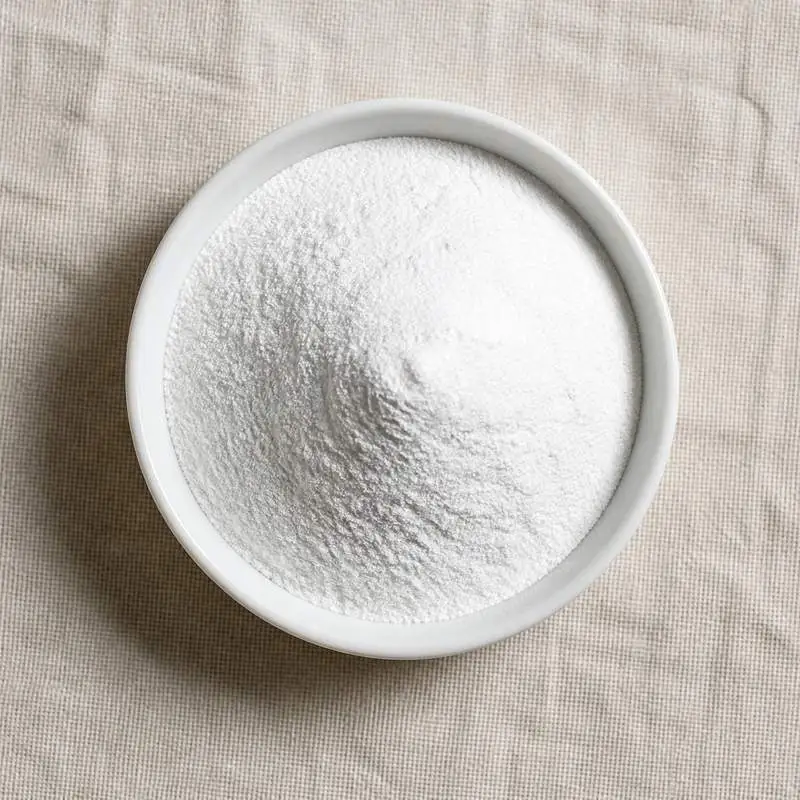
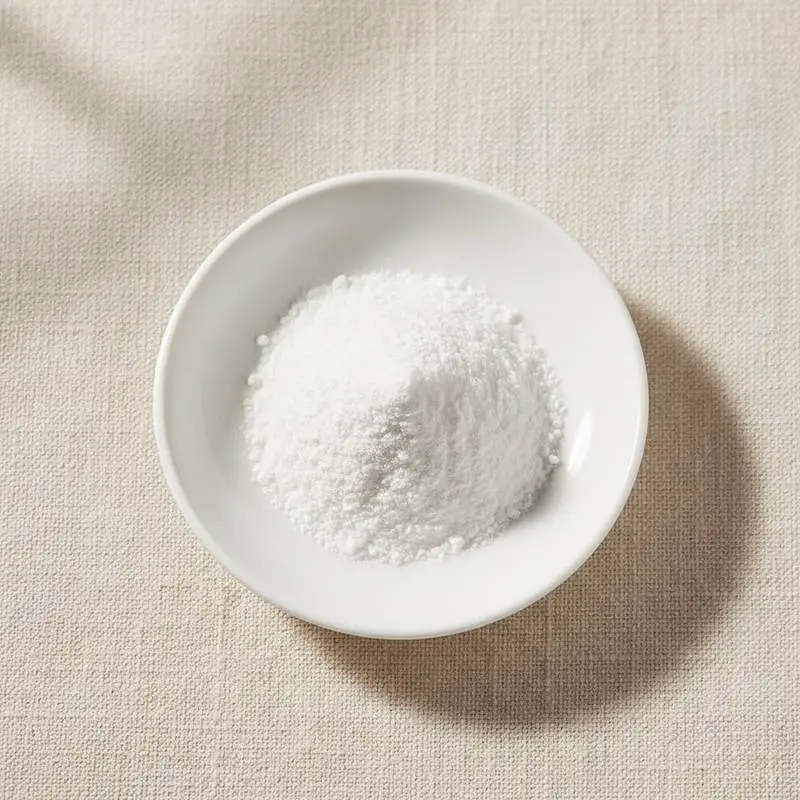
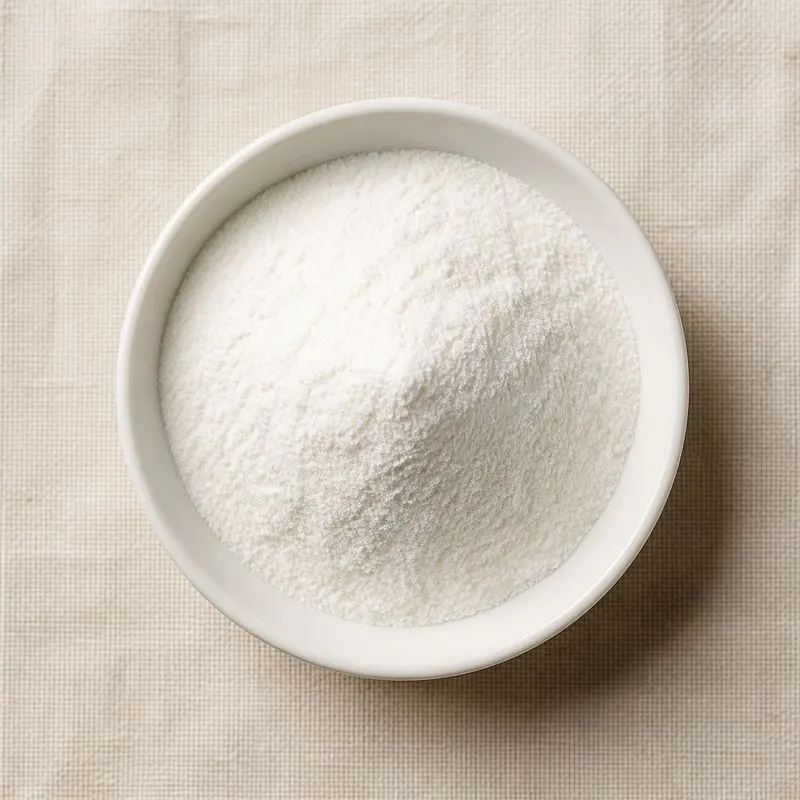
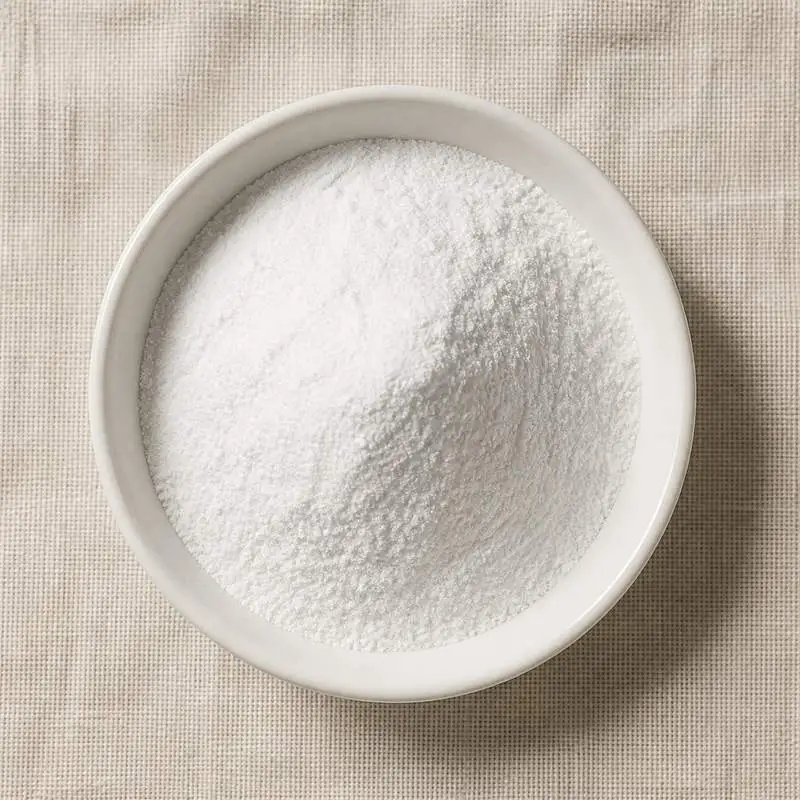
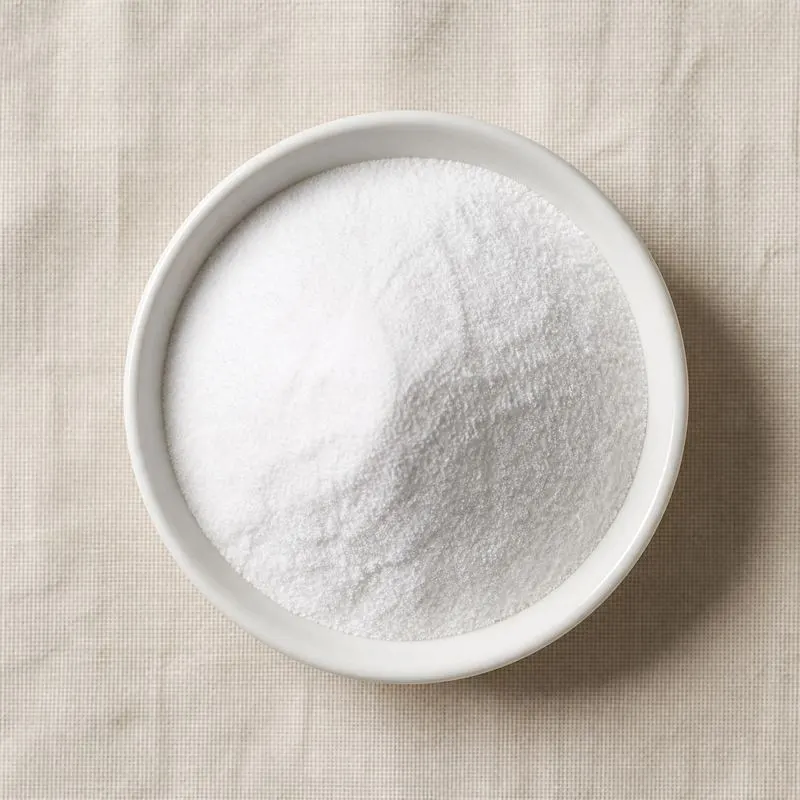
| Appearance | White crystalline powder |
| Assay (on dry basis) | ≥99.0% |
| Loss on Drying | ≤1.0% |
| Residue on Ignition | ≤0.1% |
| pH (10% solution) | 5.0–7.0 |
| Heavy Metals (as Pb) | ≤10 ppm |
| Arsenic | ≤1 ppm |
| Chloride | ≤0.5% |
| Water Content | ≤0.5% |
| Total Plate Count | ≤1000 CFU/g |
| Purity/Assay | 99.16% |
| Moisture/Loss on Drying | 0.98% |
| Color | 2 |
| Yeast and Mold | Conform |
| E.coli | Negative |
| Salmonella | Negative |
| Staphylococcus | Negative |
| Particle Size | 100% thru 20 mesh |
Common Markets Grades
Two physical specifications dominate trade.
Standard anhydrous powder runs at 200 to 400 microns mean particle size and is the default for tablet pre-blends, sachet sticks, and capsule fills.
Fine-milled anhydrous betaine at 80 to 150 microns is preferred for direct compression in chewable tablets and for cold-soluble beverage mixes where rapid wet-out matters.
USP-grade material meets the Betaine Anhydrous monograph for sports-nutrition and pharmacy use. Feed-grade anhydrous is produced less often, since the monohydrate form is cheaper for that market.
Pharmaceutical-grade product intended for compounded Cystadane equivalents is produced with documented residual-solvent control to ICH Q3C and tightened heavy-metal limits.
Applications
- Pre-workout powders and pump formulas at 1.5 to 2.5 grams per scoop
- Creatine and beta-alanine stack products as a co-active ingredient
- Tablet and capsule supplements for methylation and homocysteine support
- Multivitamin matrices where moisture sensitivity rules out hydrated salts
- Liver-detox and choline-cycle formulas combined with B-vitamins and SAMe precursors
- Effervescent tablets and rapid-dissolve sticks for hydration positioning
- Compounded pharmacy preparations for inherited homocystinuria
- Medical-food bars and powders for hepatic-support diets
- Premium pet supplements targeting older animals and working dogs
- Clinical-trial investigational products requiring tight assay control
- Cosmetic concentrates where a dry, non-tacky humectant input is preferred
Brands Using Betaine Anhydrous
Widely-distributed consumer products that list Betaine Anhydrous on the ingredient label.
- CellucorC4 Ultimate Pre-Workout (with BetaPower Betaine Anhydrous) ↗A pre-workout supplying 1.25 g BetaPower betaine anhydrous, a 99% pure form of betaine derived from sugar beet.Label verified 2026-05-24
- Transparent LabsBULK Pre-Workout (with BetaPure Betaine Anhydrous) ↗A pre-workout supplying 2,500 mg betaine anhydrous, as BetaPure, per serving.Label verified 2026-05-24
- NutraBioTMG (Betaine Anhydrous) 500 mg Capsules ↗NutraBio TMG capsules deliver 1,000 mg of pure betaine anhydrous per 2-capsule serving as a methyl donor that supports methylation, homocysteine conversion to methionine, energy production and cellular health.Label verified 2026-05-24
- BrainMDBetaine TMG (Betaine Anhydrous 500 mg) ↗A vegan capsule supplying 500 mg betaine anhydrous (trimethylglycine).Label verified 2026-05-24
Brand names, product names and logos are the property of their owners. They appear here as published evidence that the ingredient is used, taken from the brand's own label or website. Their appearance is not an endorsement, and it does not mean the brand buys from us or from any manufacturer listed on this site.
China Manufacturers of Betaine Anhydrous
Top Betaine Anhydrous manufacturers in China.
- Jinan Asia Pharmaceutical Co., Ltd.9 ingredients in the directory
 Jinan Pengbo Biotechnology Co., Ltd.9 ingredients in the directory
 Shandong Aobo Bio-Tech Co., Ltd.11 ingredients in the directory
Company names and logos are the property of the manufacturers themselves. They are listed here because our own directory records them as producing this ingredient. A listing is not an endorsement by them, and we do not represent them or speak on their behalf.
How We Help Source Betaine Anhydrous
Direct Factory Sourcing
We run the whole process: selecting the manufacturer from the top Chinese food ingredient producers, negotiating the price, verifying quality, and coordinating the logistics. You deal with us instead of with several factories at once.
Original Packaging and Documents from the Manufacturer
The manufacturer sends your Betaine Anhydrous out of its own factory in the original packing, through to your destination port. The COA, COO, MSDS, TDS and any certifications reach you from the manufacturer as well.
Free Samples and Lead Time
We send 100 to 500 g free for your own laboratory to test and you cover only the courier, usually within 2 to 3 working days. ETD is usually within 7 to 15 days once the order is confirmed, and we check that date against the factory's own manufacturing schedule before we give it to you.
Combined Shipment
We can load Betaine Anhydrous together with other ingredients such as Arachidonic Acid, Coenzyme Q10 and Chondroitin Sulphate Sodium into one 20' FCL. If your quantity is small, we can also ship LCL.
Regulatory Status
Betaine Anhydrous holds the same regulatory footing as the parent betaine compound.
The U.S. Food and Drug Administration recognises the GRAS status of betaine for food use under GRN 117 and approves Betaine Anhydrous as the active in Cystadane, an orphan drug for homocystinuria.
The European Union authorises anhydrous betaine as a novel food and as a zootechnical feed additive. The European Food Safety Authority published supportive scientific opinions on both uses.
The United States Pharmacopeia carries a Betaine Anhydrous monograph defining identity, assay, water content, residual solvents, and heavy-metal limits. A European Pharmacopoeia monograph covers the same scope.
Halal, Kosher, non-GMO, and vegan certifications are routinely available because the sugar-beet feedstock and process aids are plant-derived.
Manufacturing Process
Anhydrous betaine is produced by drying betaine monohydrate, which itself originates from the chromatographic separation of sugar-beet molasses.
The monohydrate crystals are heated under vacuum at carefully controlled temperatures, low enough to avoid Maillard browning against residual sugars but high enough to drive off the lattice water. The resulting cake is milled to the target particle size and screened.
An alternative path crystallises anhydrous betaine directly from concentrated aqueous solution above the transition temperature where the anhydrous habit becomes thermodynamically stable. This route gives a freer-flowing crystal but demands tighter temperature control.
Quality control verifies water content by Karl Fischer titration, with the specification typically set below 1.0 percent. Assay is determined by perchloric acid titration in glacial acetic acid against the quaternary nitrogen.
Major producers include DuPont Nutrition and Biosciences (formerly Danisco), Nordzucker, and several Chinese beet-sugar refiners in Xinjiang and Heilongjiang.