Blueberry Flavour
Blueberry flavour is a compounded flavouring built to reproduce the aroma and taste of Vaccinium berries in products that contain little or no fruit. Fresh blueberry has an unusually soft volatile profile, so a working compound is assembled rather than copied: linalool and geraniol carry the floral top, ethyl and methyl esters give the fruity body, cinnamate and benzoate esters supply the jammy depth, and small amounts of damascenone, furaneol and vanillin round the cooked fruit character.
Because the natural fruit note is weak, most commercial blueberry compounds are deliberately stylised toward the cooked or candied impression that consumers recognise, and they are almost always paired with a colouring foodstuff or anthocyanin colour, since blueberry is judged visually before it is tasted. Acid balance matters as well, and compounds are usually specified alongside a citric or malic acid dosage.
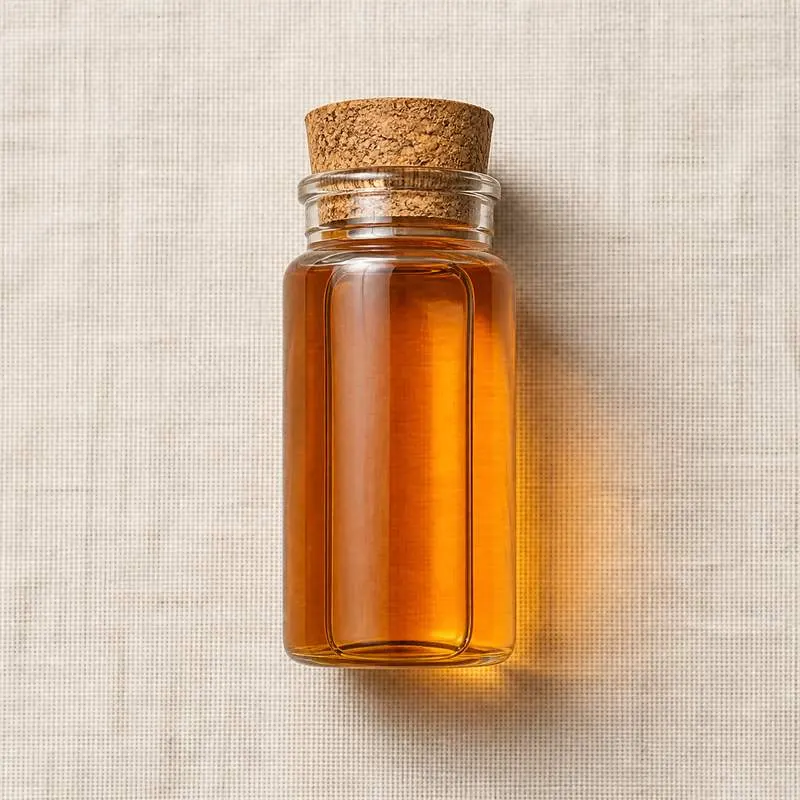
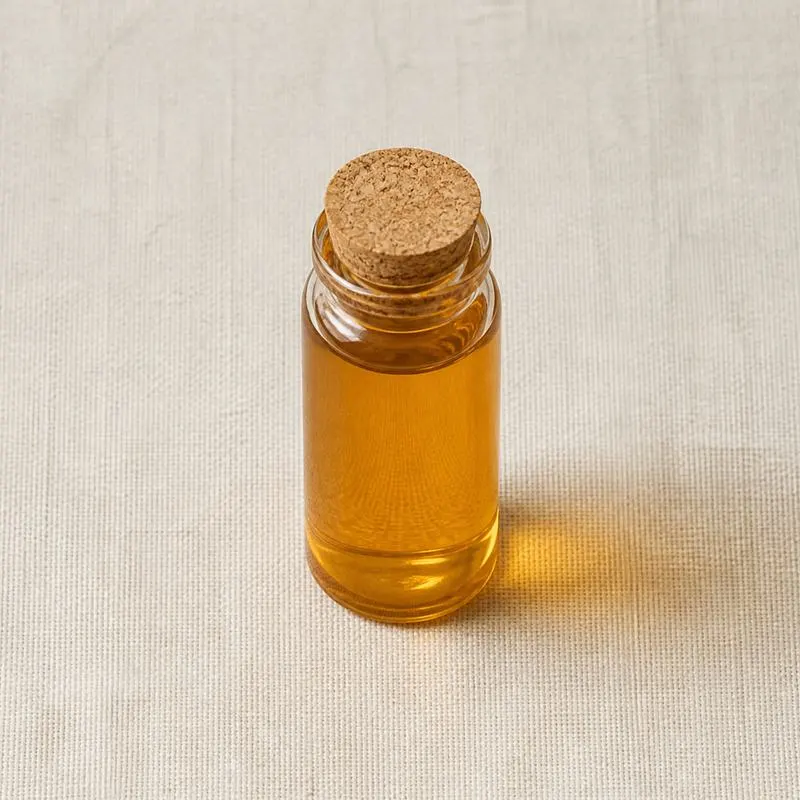
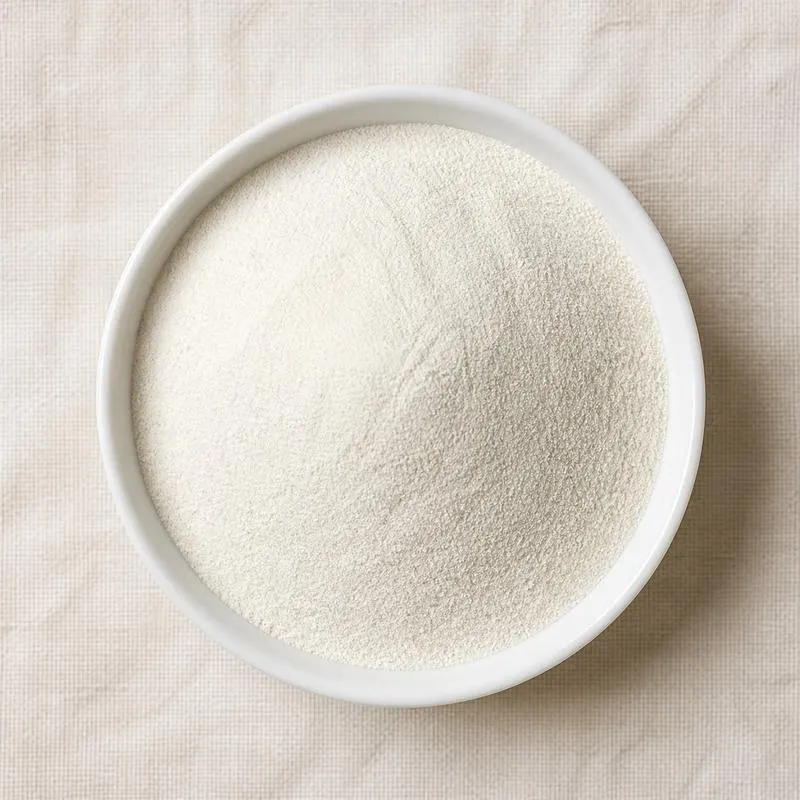
The traded product comes as a water soluble liquid in propylene glycol or ethanol for beverages, an oil soluble liquid for fat continuous systems, an emulsion for cloudy drinks, or a spray dried powder on maltodextrin or modified starch for dry mixes. Water soluble grades carry the top notes and fade fastest; encapsulated powders hold longest through heat and storage.
We source bulk Blueberry Flavour from top China manufacturers for our partners. The manufacturer is in Tianjin. A smaller requirement can ship in a combined container with other ingredients.
Please send the grade you need, the volume and your destination port, and we will come back with a solution and a price.
or call +86-21-6858 0751
- Function
- Flavours and Aromas
Specifications
| Item | Specification |
|---|---|
| Appearance | Clear liquid, opaque emulsion or free flowing powder according to grade |
| Colour | Colourless to pale straw unless coloured to specification |
| Odour and taste | Characteristic blueberry, conforms to retained reference |
| Identification | Gas chromatography fingerprint matches reference profile |
| Relative density at 25 C | 1.010 to 1.060 for propylene glycol grades |
| Refractive index at 20 C | 1.420 to 1.450 |
| Solubility | Clear at 0.1 percent in water for water soluble grades |
| Moisture, powder grades | 4.0 percent maximum |
| Surface oil, powder grades | 2.0 percent maximum |
| Heavy metals as lead | 10 mg per kg maximum |
| Lead | 1 mg per kg maximum |
| Arsenic | 0.5 mg per kg maximum |
| Total plate count | 1000 cfu per gram maximum |
| Yeast and mould | 100 cfu per gram maximum |
| E. coli | Absent in 1 gram |
| Salmonella | Absent in 25 grams |
Common Markets Grades
Blueberry flavour is graded first by regulatory claim and then by carrier. Natural blueberry flavour is built only from flavouring substances obtained from natural sources, and natural blueberry flavour with other natural flavours uses natural material from sources other than the fruit itself, which is how most commercially viable natural blueberry is made given the low yield of true fruit extract. Nature identical and artificial grades use synthetic aroma chemicals and are considerably stronger per unit dosed.
Within each claim, carriers determine the form: propylene glycol and ethanol solutions for clear beverages, triacetin or vegetable oil solutions for confectionery and fat systems, gum arabic or modified starch emulsions for cloud beverages, and spray dried powders for dry blends. Heat stable and bake stable versions with encapsulated top notes are offered for muffins, fillings and extruded cereals, and concentrated forms are used where dosage volume is constrained.
Applications
- Still and carbonated soft drinks, where water soluble grades give the top note without clouding the liquid
- Yoghurt and fruit preparations, where the compound has to survive fermentation acidity and cold storage
- Ice cream and frozen desserts, dosed higher because cold suppresses volatile perception
- Baked goods and muffin batters, using bake stable encapsulated powders that release during oven bake
- Hard candy and gummy confectionery, where thermal stability through the cooking step decides the choice of compound
- Cereal coatings and extruded snacks, applied as a dry powder in the sugar or fat slurry
- Jams, fillings and bakery compounds, restoring aroma lost to the cooking step
- Nutritional powders and protein drinks, where fruit sweetness helps mask vitamin and protein off notes
- Chewing gum, using slow release and encapsulated systems for extended flavour duration
- Vaping and oral care products in markets where those applications are permitted
China Manufacturers of Blueberry Flavour
Top Blueberry Flavour manufacturers in China.

Company names and logos are the property of the manufacturers themselves. They are listed here because our own directory records them as producing this ingredient. A listing is not an endorsement by them, and we do not represent them or speak on their behalf.
Regulatory Status
A compounded blueberry flavour is regulated through its constituents rather than as a single named additive. In the United States each aroma chemical in the formula must hold GRAS status through the Flavour and Extract Manufacturers Association programme or be permitted under the Food and Drug Administration regulations covering natural and synthetic flavouring substances, and 21 CFR 101.22 defines the labelling terms natural flavour and artificial flavour. Whether a compound may be declared natural blueberry flavour depends on the origin of its flavouring substances, not on its taste.
In the European Union every flavouring substance used must appear in the Union list established under Regulation 1334/2008, and the conditions for using the term natural flavouring, including the requirement that at least ninety five percent of the flavouring component come from the named source before a flavour may be called natural blueberry flavour, are set out in the same regulation. Carriers and solvents must be permitted food additives or approved flavour carriers. Compounded flavourings carry no E number, although any colour added alongside the flavour does. Codex addresses flavourings through general guidelines rather than a commodity standard for individual profiles.
Manufacturing Process
Production is a compounding operation. Individual aroma chemicals, essential oils and any fruit extracts or juice concentrates are weighed against a controlled master formula in a dispensary held at constant temperature. They are dissolved into the declared carrier in a jacketed stainless steel vessel under agitation, with gentle warming where solid components such as vanillin, furaneol or ethyl maltol must go into solution.
The blend is matured for a period so that the components equilibrate, then passed through a polishing filter and checked against a retained reference by trained sensory panel and by gas chromatography fingerprint before release. Emulsion grades take an additional step: the flavour oil phase is dispersed into an aqueous gum arabic or modified starch solution and passed through a high pressure homogeniser to a fine and stable droplet size, with a weighting agent added where beverage ring formation must be avoided. Powder grades are made by homogenising the same emulsion and spray drying it in a co current tower, then sieving, checking free oil and moisture, and packing with a moisture and oxygen barrier.