Brewing Soy Sauce
Brewing soy sauce, also traded as naturally brewed or fermented soy sauce, is a dark salty liquid seasoning produced by fermenting soybean and wheat with the mould Aspergillus oryzae or Aspergillus sojae followed by a salt brine fermentation with halotolerant yeast and lactic acid bacteria. The term distinguishes it from chemically hydrolysed or blended soy sauce, in which acid hydrolysis of vegetable protein replaces part or all of the fermentation.
Its function rests on the products of that fermentation. Fungal proteases break soy protein down to peptides and free amino acids, of which glutamate is the dominant savoury contributor, while amylases release sugars from wheat starch that the yeast converts to alcohol and esters and the lactic bacteria convert partly to organic acids. The resulting liquid carries salt, umami, mild sweetness, acidity and a large volatile fraction, and it browns further through Maillard reaction during pasteurisation.
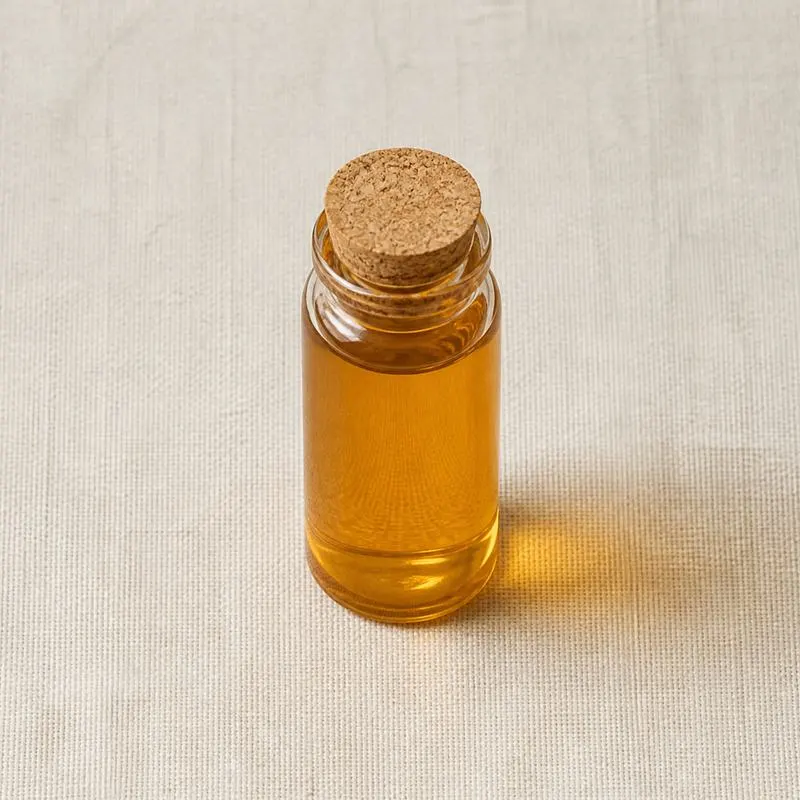
It is a clear reddish brown to almost black liquid, fully miscible with water, with a salt content around fifteen to eighteen percent in standard grades. Salt and pH give it ambient stability, though prolonged heating darkens it and drives off the volatile aroma, which is why it is often added late in cooking as well as during it.
We source bulk Brewing Soy Sauce from top China manufacturers for our partners. The manufacturer is in Zhejiang. A smaller requirement can ship in a combined container with other ingredients.
Please send the grade you need, the volume and your destination port, and we will come back with a solution and a price.
or call +86-21-6858 0751

- Function
- Flavours and Aromas
Specifications
| Item | Specification |
|---|---|
| Appearance | Clear reddish brown to dark brown liquid, free from sediment |
| Odour and taste | Characteristic fermented soy aroma, salty and savoury, no off notes |
| Amino acid nitrogen | 0.40 g per 100 mL minimum, higher grades 0.80 g per 100 mL |
| Total nitrogen | 1.00 g per 100 mL minimum |
| Salt as sodium chloride | 15 to 18 g per 100 mL |
| Total soluble solids without salt | 10 g per 100 mL minimum |
| pH | 4.4 to 5.2 |
| Colour | Within agreed range against retained standard |
| Ethanol | To declared value, typically 1 to 3 percent by volume |
| Lead | 0.5 mg per kg maximum |
| Arsenic | 0.5 mg per kg maximum |
| Total plate count | 1000 cfu per millilitre maximum |
| Yeast and mould | 50 cfu per millilitre maximum |
| Salmonella | Absent in 25 millilitres |
Common Markets Grades
The primary grading axis is amino acid nitrogen, which reflects how thoroughly the protein has been broken down and correlates with savoury intensity, so lots are sold on a declared amino nitrogen figure alongside total nitrogen and salt. Style is the second axis: light or thin soy sauce is saltier and paler and is used for seasoning, dark soy sauce is aged longer or blended with caramel and molasses for colour and is used for braising, and tamari style products are made with little or no wheat and carry a heavier body.
Beyond the liquid, the same fermentation is spray dried onto maltodextrin or salt to give soy sauce powder for dry blends. Reduced salt grades are produced by membrane treatment or electrodialysis after fermentation rather than by fermenting at lower salt. Gluten free lines use rice or no cereal in place of wheat, organic lines require certified soybean and wheat, and preservative free grades depend on sterile filtration and aseptic filling in place of a declared benzoate or sorbate.
Applications
- Table condiment and dipping sauce, where aroma and amino nitrogen level rather than colour decide the grade
- Stir fry and general cooking seasoning, supplying salt and umami in a single addition
- Braising and red cooking, using dark grades for both colour and savoury depth
- Marinades for meat, poultry and fish, where the salt aids water holding and the sugars promote browning on the grill
- Industrial sauce manufacture, as the savoury base of teriyaki, oyster, hoisin and barbecue sauces
- Instant noodle and ready meal seasoning sachets, in liquid or powdered form
- Savoury snack seasonings, using soy sauce powder in topical dusts
- Soup and broth bases, paired with fish or bone extract so glutamate and inosinate reinforce each other
- Pickling and preserved vegetable brines
China Manufacturers of Brewing Soy Sauce
Top Brewing Soy Sauce manufacturers in China.

Company names and logos are the property of the manufacturers themselves. They are listed here because our own directory records them as producing this ingredient. A listing is not an endorsement by them, and we do not represent them or speak on their behalf.
Regulatory Status
In the United States soy sauce is a food rather than an additive and its components are recognised as generally recognised as safe, with the label required to be truthful about whether the product is fermented or made from hydrolysed vegetable protein. Soy and wheat are major food allergens and must be declared. Where a preservative such as sodium benzoate is used, it must be listed with its function. Products described as naturally brewed are expected to be made by fermentation without added hydrolysate.
In the European Union soy sauce is a composite food carrying no E number of its own, with any additives used, such as benzoates, sorbates or caramel colour, limited to those permitted for the food category and declared by function and E number. Soybeans and cereals containing gluten must be emphasised in the ingredient list. Acid hydrolysed products are subject to controls on chloropropanol contaminants, which is one of the practical reasons the fermented route dominates traded material. Codex has adopted a regional standard for soy sauce covering fermented, non fermented and blended types, with compositional requirements based on nitrogen content and labelling that identifies the production method.
Manufacturing Process
Soybean or defatted soy meal is soaked and steam cooked under pressure to denature the protein, and wheat is roasted and coarsely cracked. The two are mixed, cooled and inoculated with a starter culture of Aspergillus oryzae or Aspergillus sojae, then held in ventilated koji rooms at around thirty degrees for two to three days while the mould grows through the mass and secretes proteases and amylases. The resulting koji is mixed with salt brine to give a mash known as moromi, at a salt level high enough to exclude spoilage organisms but not the halotolerant fermentation flora.
The mash is fermented in tanks for several months, stirred or aerated periodically, during which the fungal enzymes hydrolyse protein and starch while Tetragenococcus lactic acid bacteria and Zygosaccharomyces yeast produce lactic acid, ethanol and the ester and phenolic aroma compounds that define the product. The matured mash is pressed in cloth filters or hydraulic presses to separate raw soy sauce from the solid cake, which goes to feed. The raw sauce is settled to remove oil and sediment, then pasteurised, which both stabilises it and develops colour and aroma, clarified by filtration, standardised for salt, nitrogen and colour, and filled into bottles, drums or bulk tankers. Powder grades are spray dried on a carrier before packing.