Butter Flavour
Butter flavour is a compounded flavouring that reproduces the aroma of dairy butter, built around a small set of dairy volatiles rather than around butterfat itself. The dominant contributor is diacetyl, supported by acetoin, delta and gamma lactones that give the creamy background, and short chain fatty acids such as butyric, caproic and caprylic acid that supply the sharp cultured note.
Its function in a formulation is to restore or amplify a dairy character where real butter is absent, reduced or destroyed by processing. Because the active compounds are potent, they are used at parts per million in the finished food, and the flavour is normally sold diluted in a carrier so that it can be dosed accurately. Heat stability is the practical constraint, since diacetyl and the free acids are volatile and are lost during baking and frying unless the flavour is encapsulated.
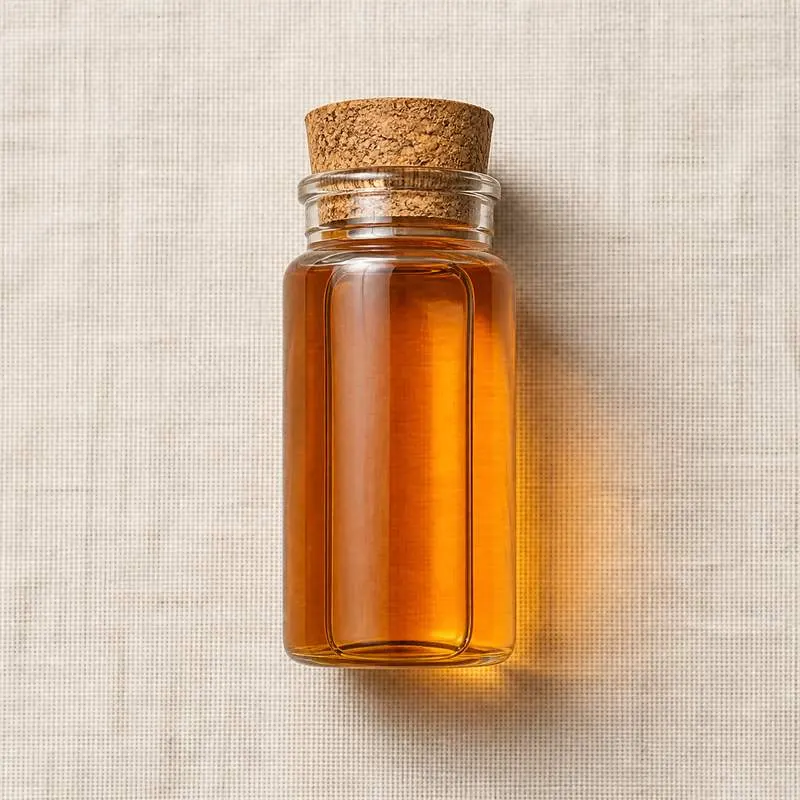
Commercial forms cover an oil soluble liquid in a vegetable oil or triacetin carrier, a water soluble liquid in propylene glycol or ethanol, an emulsion for aqueous systems, and a spray dried or spray chilled powder in which the volatiles are held inside a maltodextrin, gum or fat matrix. Choice of form follows the phase the flavour has to disperse in and how much heat the process applies.
We source bulk Butter Flavour from top China manufacturers for our partners. The manufacturer is in Fujian. A smaller requirement can ship in a combined container with other ingredients.
Please send the grade you need, the volume and your destination port, and we will come back with a solution and a price.
or call +86-21-6858 0751

- Function
- Flavours and Aromas
Specifications
| Item | Specification |
|---|---|
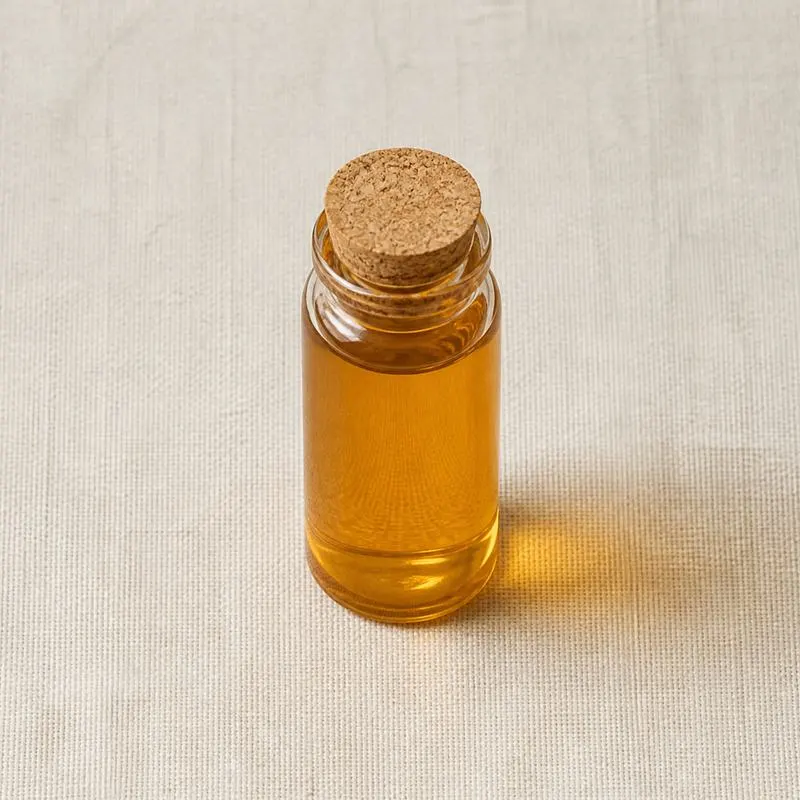
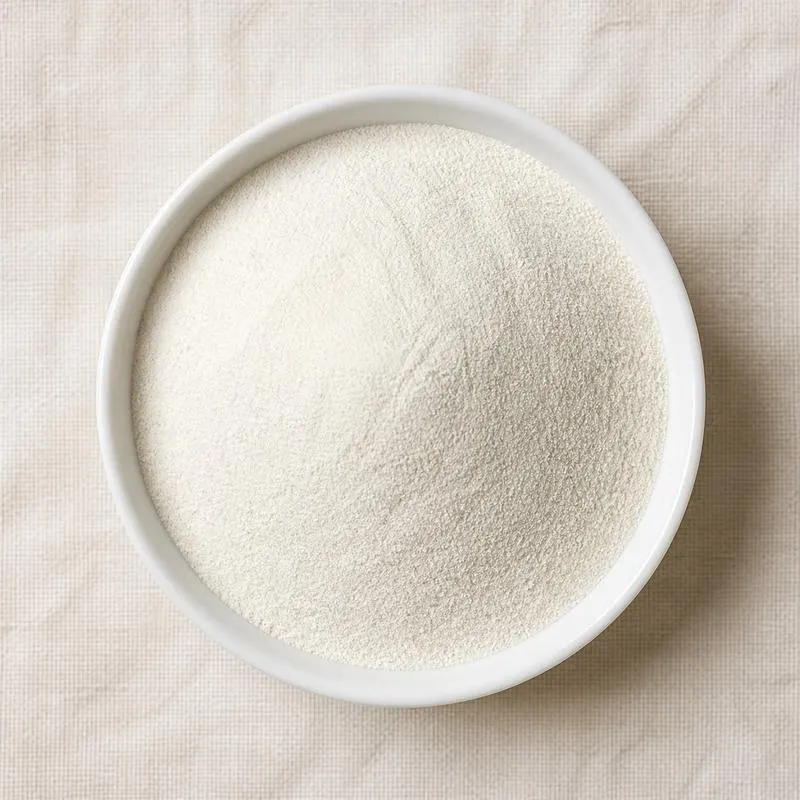
| Appearance | Clear pale yellow liquid, or free flowing off white powder for dried grades |
| Odour and taste | Characteristic butter, matching retained sensory standard |
| Solubility | Miscible with the declared carrier phase, oil or water according to grade |
| Specific gravity at 25 degrees Celsius | Within agreed range for the grade |
| Refractive index at 20 degrees Celsius | Within agreed range for the grade |
| Diacetyl content | To declared value for the grade, absent in diacetyl free lines |
| Moisture, powder grades | 5.0 percent maximum |
| Flavour load, powder grades | To declared value, typically 10 to 20 percent |
| Acid value | Within agreed range for the grade |
| Lead | 1 mg per kg maximum |
| Arsenic | 1 mg per kg maximum |
| Total plate count | 1000 cfu per gram maximum |
| Yeast and mould | 100 cfu per gram maximum |
| Salmonella | Absent in 25 grams |
Common Markets Grades
Grades divide first by solubility and carrier, since an oil soluble butter flavour in a vegetable oil base and a water soluble one in propylene glycol are not interchangeable, and secondly by concentration, with strengths from a ready to use dilution to a concentrate dosed at a fraction of a percent. Powder grades are further split between spray dried products, which release on wetting, and spray chilled or fat encapsulated products, which hold the volatiles until the fat matrix melts and are chosen for baked and fried applications.
Labelling status is the other major axis. Natural grades are built from flavouring preparations and natural flavouring substances, including dairy fermentates and enzyme modified butter, while artificial or nature identical grades use synthesised diacetyl and lactones and are cheaper and more consistent. Diacetyl free and reduced diacetyl grades are produced for applications where occupational exposure to the vapour is a concern, using acetoin and the lactone fraction to carry the profile. Dairy free lines avoid milk derived starting materials entirely so that no allergen declaration is required, and kosher, halal and organic certified lines are offered where the carrier and starting materials allow.
Applications
- Bakery products, restoring butter character in formulations that use margarine or shortening in place of butter
- Biscuits, cookies and shortbread, where an encapsulated grade survives the oven and releases in the mouth
- Popcorn seasoning and topping oils, one of the largest single outlets for the flavour
- Margarine and dairy spreads, supplying the aroma that the vegetable fat base lacks
- Confectionery, particularly toffee, fudge, caramel and butterscotch
- Savoury sauces and instant sauce powders, giving the impression of a butter enriched sauce
- Snack seasonings applied topically to crisps and extruded snacks
- Instant mashed potato, rice and pasta side dishes
- Frozen and ready meals, replacing butter aroma lost during freezing and reheating
- Culinary oils and cooking sprays sold with a butter character
China Manufacturers of Butter Flavour
Top Butter Flavour manufacturers in China.
Company names and logos are the property of the manufacturers themselves. They are listed here because our own directory records them as producing this ingredient. A listing is not an endorsement by them, and we do not represent them or speak on their behalf.
Regulatory Status
Butter flavour is regulated as a flavouring rather than as a food additive. In the United States its components must be substances permitted for flavour use, either generally recognised as safe or listed as synthetic flavouring substances in 21 CFR 172.515, and the label term follows 21 CFR 101.22, which distinguishes natural flavour from artificial flavour according to the origin of the flavouring components. Diacetyl is a permitted flavouring substance, and its use is constrained in practice by occupational exposure controls in the flavour and popcorn manufacturing workplace rather than by a food safety limit.
In the European Union flavourings are governed by the flavourings regulation, and the flavouring substances used must appear on the Union list of authorised flavouring substances. Flavourings carry no E number, since E numbers apply to additives, and the carriers and any additives present in the preparation must themselves be permitted. A flavouring may be described as natural only where it meets the definition set out in that regulation, and where a milk derived starting material is present, milk must be declared as an allergen. Codex addresses flavourings through its guidelines on their use, which rely on evaluations carried out by the Joint Expert Committee on Food Additives.
Manufacturing Process
Manufacture is a compounding operation. The individual aroma chemicals are received against specification and weighed into a stainless steel mixing vessel in a defined order, usually starting with the carrier so that the potent minor components are diluted immediately. Diacetyl, acetoin, the lactone fraction and the short chain acids are dosed at the levels the formula requires, and any natural components are added as prepared materials: enzyme modified butter produced by treating cream with lipase and a starter culture, dairy fermentates grown on a milk substrate, and natural extracts contributing supporting notes.
The blend is mixed under gentle agitation at controlled temperature, held for a maturation period so that the profile stabilises, then filtered to remove any insoluble matter and checked against a retained sensory standard together with refractive index, specific gravity and, where relevant, gas chromatographic profile. Liquid grades are filled into lined drums or bottles under nitrogen to limit oxidation. Emulsion grades are homogenised with gum arabic or modified starch and a weighting agent before filling. Powder grades take the additional step of emulsifying the flavour into a carrier solution and spray drying, or of dispersing it into molten hardened fat and spray chilling into free flowing beads, followed by sieving and packing in foil lined bags.