Coffee Creamr-foaming Creamer
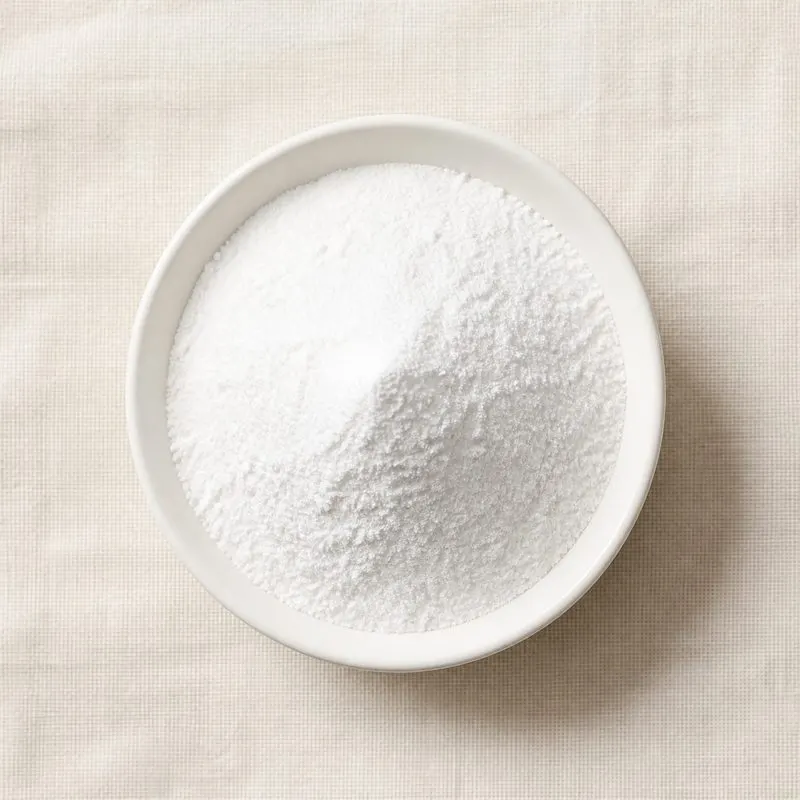
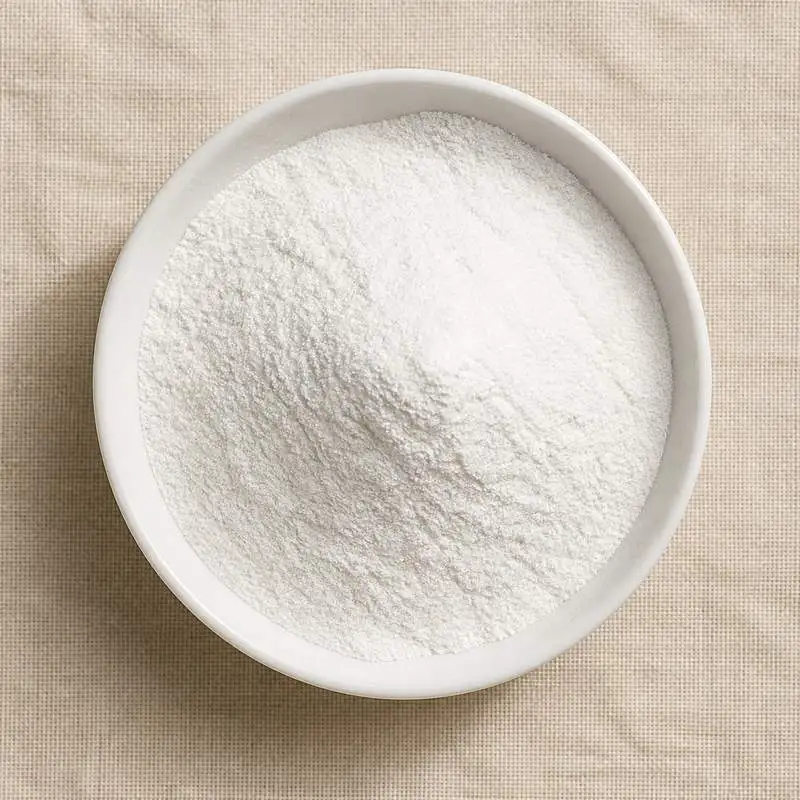
Foaming creamer is a spray-dried non-dairy creamer engineered to generate foam when it dissolves, used to give instant cappuccino, three-in-one coffee and instant milk tea a head without an espresso machine. It is a variant of ordinary coffee creamer rather than a separate class of product.
Composition is an emulsion dried to powder: refined vegetable fat, usually coconut or palm kernel, dispersed in a matrix of glucose syrup solids with a protein, typically sodium caseinate or a milk or plant protein, acting as the emulsifier at the fat interface. Mono- and diglycerides and lactylate emulsifiers stabilise that interface, and buffer salts, most often dipotassium phosphate, hold the pH high enough that the protein does not flocculate when the powder meets hot, acidic coffee, which is the cause of feathering.
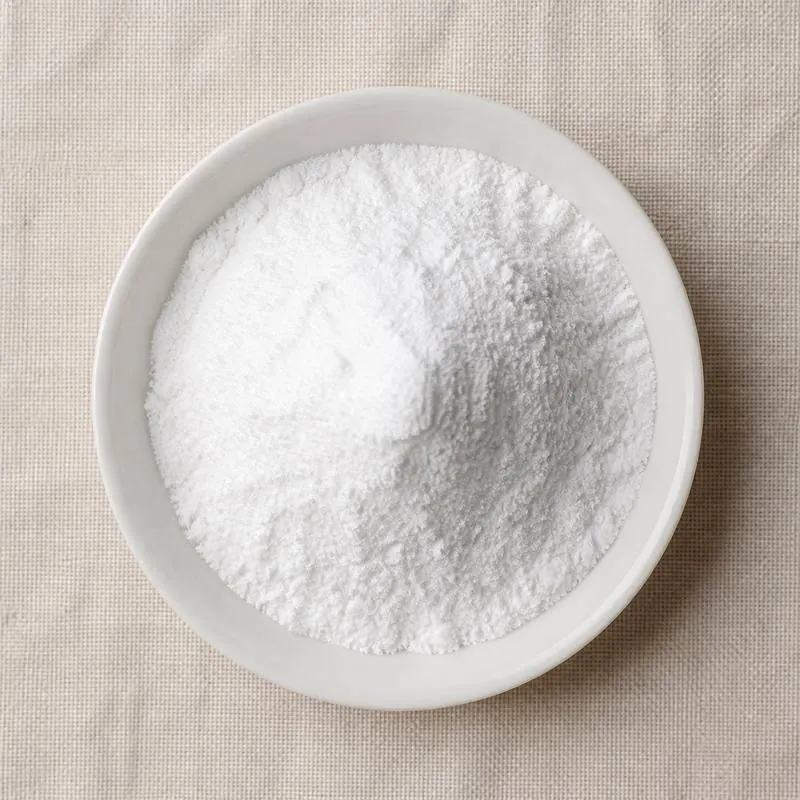
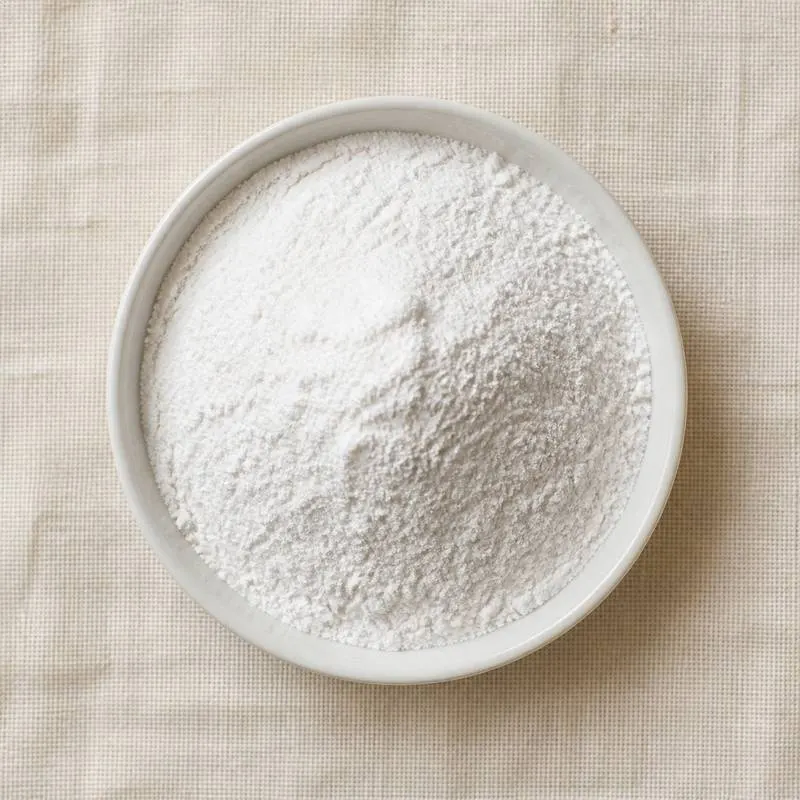
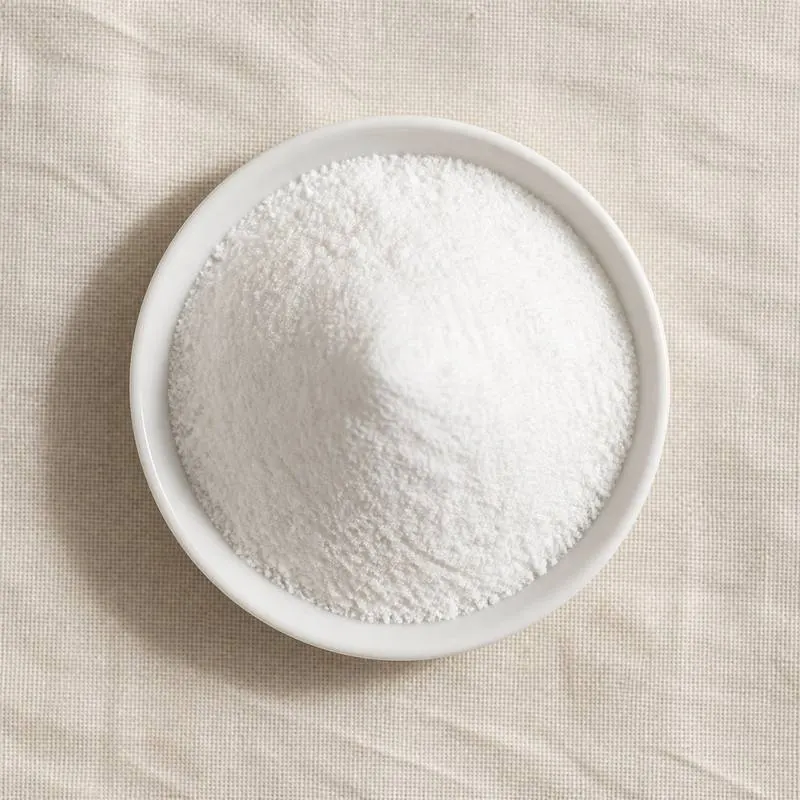
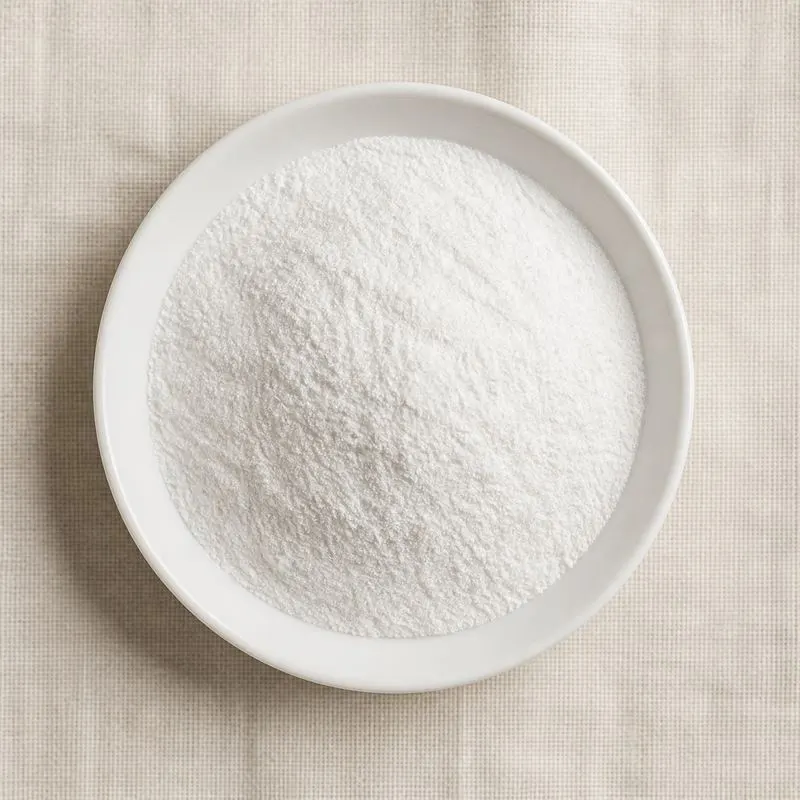
What makes the creamer foaming is gas trapped inside the powder particle. Pressurised nitrogen or carbon dioxide is dissolved into the emulsion before atomisation, and as the droplet dries the gas is trapped in the glassy carbohydrate matrix. When the particle dissolves in hot water the gas is released and stabilised by the protein and emulsifier into a fine, persistent foam. The powder is white, free flowing and agglomerated for instant dispersion, and it is hygroscopic, so it is packed with a moisture barrier and an anticaking agent.
We source bulk Coffee Creamr-foaming Creamer from top China manufacturers for our partners. The manufacturer is in Jiangsu. A smaller requirement can ship in a combined container with other ingredients.
Please send the grade you need, the volume and your destination port, and we will come back with a solution and a price.
or call +86-21-6858 0751
- Function
- Bakery ingredient
Specifications
| Item | Specification |
|---|---|
| Appearance | White to off-white free-flowing agglomerated powder |
| Odour and taste | Clean and neutral, free from rancid or soapy notes |
| Fat | 25.0% to 35.0% according to grade |
| Protein | 1.5% to 3.0% |
| Moisture | 4.0% max |
| pH, 10% aqueous solution | 6.5 to 8.0 |
| Solubility | 99.0% min, no visible sediment after dissolution |
| Foam height under standard test | Conforms to the value stated for the grade |
| Bulk density | 0.25 to 0.45 g/mL |
| Particle size | 95% through 40 mesh |
| Free fat | 2.0% max |
| Lead | 0.5 mg/kg max |
| Total plate count | 10000 cfu/g max |
| Coliforms | 10 cfu/g max |
| Yeast and mould | 50 cfu/g max |
| Salmonella | Absent in 25 g |
Common Markets Grades
Grades are described by fat content and by foaming power. Fat runs from around 25 percent in general purpose creamers to 35 percent and above in richer grades, with higher fat giving more mouthfeel but a denser, shorter-lived foam. Foaming capacity is specified directly, as foam height or foam volume measured under a defined dissolution test, and ranges from lightly foaming grades used for body to high foaming grades intended to produce a visible cappuccino head.
Protein source divides the range. Caseinate grades foam best and are the industry standard, while caseinate free and fully plant-based grades built on soya, pea or modified starch systems are made for vegan and milk-free lines and generally give a weaker foam. Further distinctions are made on the fat used, with non-hydrogenated coconut and palm kernel fats now standard in place of the partially hydrogenated fats formerly common, and on physical form, where agglomerated powders dissolve faster than fine ones. Acid stable and tea-specific grades are formulated with a higher buffer level for use in lemon tea and milk tea systems.
Applications
- Instant cappuccino and three-in-one coffee sachets, providing both whitening and the foam head
- Instant milk tea and bubble tea powder bases
- Vending machine beverage powders for coffee and chocolate drinks
- Instant chocolate and malt drink mixes, adding body and foam
- Powdered soup and savoury drink bases, where the fat gives mouthfeel
- Bakery and dessert premixes, as a dry fat and protein carrier
- Whipped topping powders, reconstituted and aerated before use
- Instant oatmeal and cereal drinks, contributing creaminess without dairy
- Foodservice sachets and hotel beverage kits
China Manufacturers of Coffee Creamr-foaming Creamer
Top Coffee Creamr-foaming Creamer manufacturers in China.

Company names and logos are the property of the manufacturers themselves. They are listed here because our own directory records them as producing this ingredient. A listing is not an endorsement by them, and we do not represent them or speak on their behalf.
Regulatory Status
Non-dairy creamers are not standardised foods in the United States and are labelled under the general rules. The most significant labelling point is that sodium caseinate is a milk derivative, so a product described as non-dairy that contains it must declare the milk allergen and identify the caseinate as a milk derivative in the ingredient statement. Each component, including the emulsifiers, buffer salts and anticaking agent, must be cleared for its use.
In the European Union the product falls under general food law and the food information regulation, with milk protein declared as an allergen where present. Additives used, including mono- and diglycerides, phosphate buffer salts and silicon dioxide, must be authorised for the relevant food category under Regulation (EC) No 1333/2008 and declared by function with the name or E number. Industrially produced trans fatty acids are limited in the European Union to a maximum in the fat fraction of food intended for the final consumer, which is why partially hydrogenated fats have been replaced by non-hydrogenated lauric fats in modern formulations. Nutrition labelling must reflect the saturated fat content, which is high in coconut and palm kernel based creamers.
Manufacturing Process
Refined, bleached and deodorised vegetable fat is melted and held warm. Glucose syrup solids, protein and buffer salts are dissolved in hot water to make the aqueous phase, and the emulsifiers are dispersed into whichever phase they favour. The two phases are combined under high shear to form a coarse emulsion, which is then pasteurised and passed through a two-stage homogeniser at high pressure, reducing the fat droplets to a fine and uniform size. Droplet size sets both the whitening power of the finished powder and the stability of the foam, so it is measured rather than assumed.
For a foaming grade, gas is introduced at this point: nitrogen or carbon dioxide is injected into the homogenised emulsion under pressure ahead of the drying nozzle, so that the feed carries dissolved gas into the tower. The emulsion is spray dried in a tower with a nozzle or rotary atomiser, and the rapid removal of water traps the gas inside the glassy carbohydrate shell of each particle. Powder leaving the tower is agglomerated in an integrated or external fluid bed to build particle size for instant dispersion, cooled, and dosed with an anticaking agent such as silicon dioxide. It is then sieved, metal detected and filled into moisture barrier bags or lined drums, with foam height, solubility and moisture checked on each lot.