Dairy Product Essence
Dairy product essence is the group of compounded flavourings formulated to give milk, cream, butter, condensed milk, yoghurt or cheese character to a food. The Chinese trade term essence covers what is elsewhere called a flavour, and this class is among the largest in the flavour industry because dairy notes are used far beyond dairy products themselves.
Four groups of compounds carry most of the profile. Delta and gamma lactones, produced in milk fat from hydroxy fatty acids, give the creamy, coconut edged roundness that comes across as fat. Diacetyl and acetoin, produced by lactic bacteria from citrate, give the buttery and cultured note. Short chain free fatty acids, chiefly butyric, caproic and caprylic acid, give the cheesy and goaty notes, sharply so at higher levels. Methyl ketones and, in heated milk profiles, furanones, maltol and sulphur compounds give the cooked and caramelised character of condensed and evaporated milk. Vanillin and ethyl vanillin are frequently present to round the sweetness.
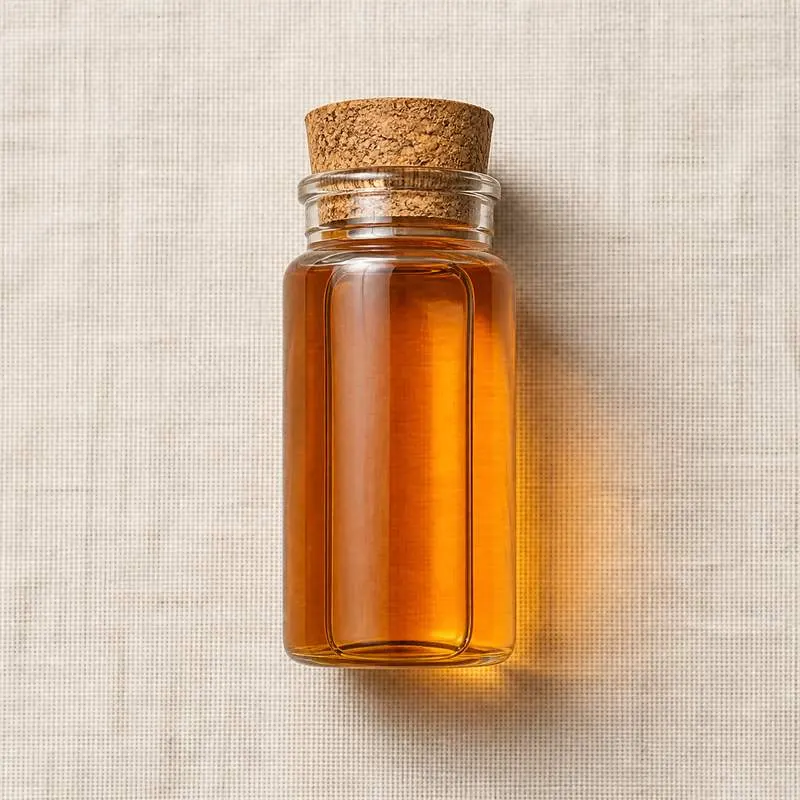
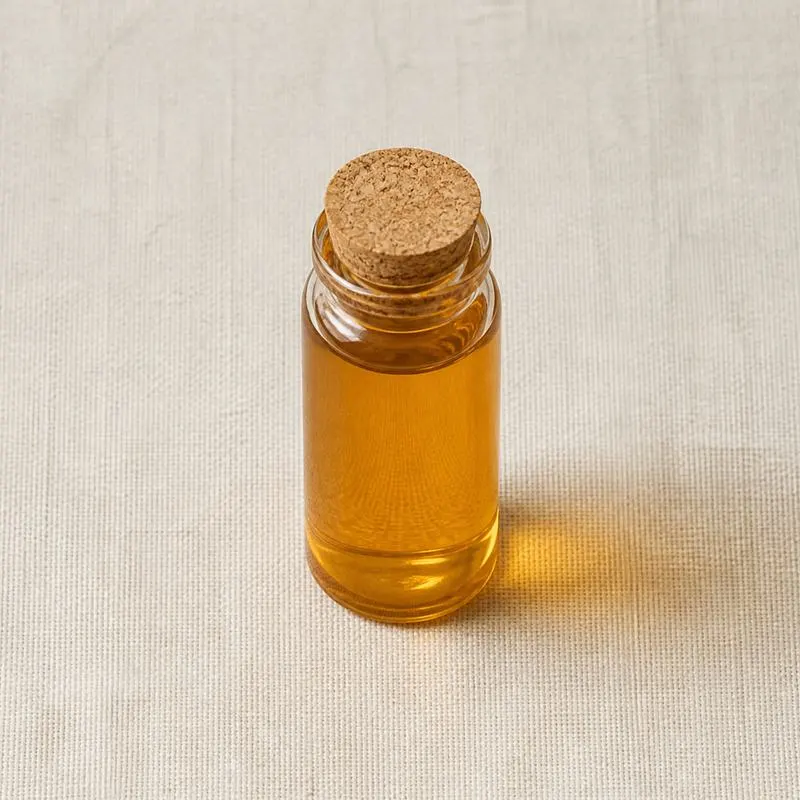
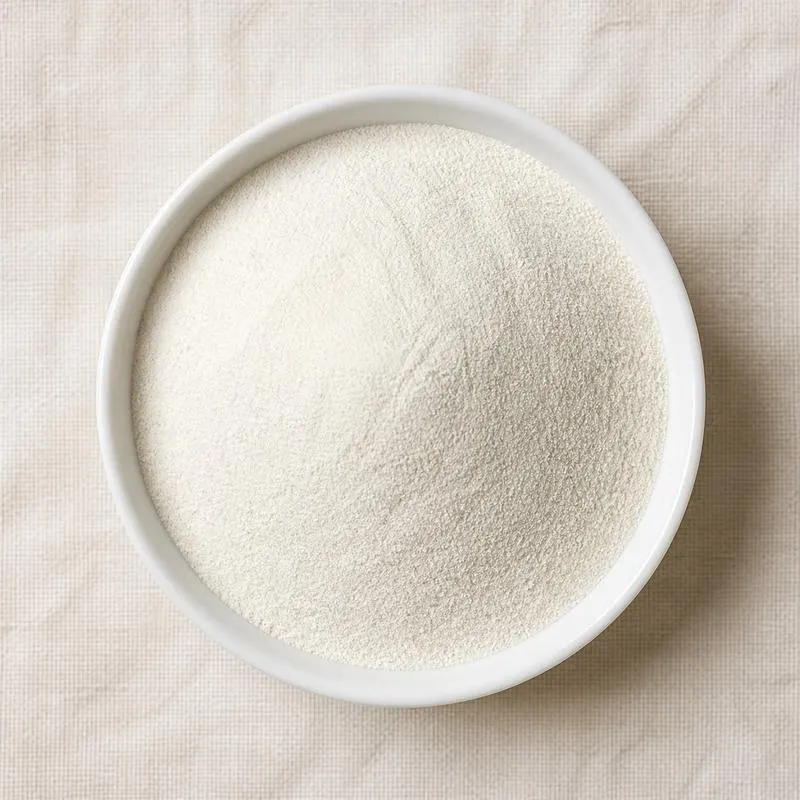
Grades reach these profiles either from aroma chemicals and natural preparations alone or from a dairy base such as enzyme modified cheese, cultured cream or a butter concentrate. The material comes as an oil soluble liquid, a water soluble liquid in propylene glycol, an emulsion, a paste and a spray dried powder, and lactones are relatively heat stable while the diketones and short chain acids are volatile and are lost in an open cook.
We source bulk Dairy Product Essence from top China manufacturers for our partners. The manufacturer is in Tianjin. A smaller requirement can ship in a combined container with other ingredients.
Please send the grade you need, the volume and your destination port, and we will come back with a solution and a price.
or call +86-21-6858 0751

- Function
- Flavours and Aromas
Specifications
| Item | Specification |
|---|---|
| Appearance | Clear to slightly hazy liquid, or free flowing off white powder |
| Odour and Flavour | Characteristic of the declared dairy profile, matching retained reference |
| Relative Density (25°C) | Within the range declared for the grade |
| Refractive Index (20°C) | Within the range declared for the grade |
| Gas Chromatography Profile | Conforms to retained reference chromatogram |
| Solubility | Soluble in the declared carrier system |
| Flavour Load, powder grade | Not less than 10.0 percent |
| Surface Oil, powder grade | Not more than 2.0 percent of total flavour load |
| Moisture, powder grade | Not more than 4.0 percent |
| Acid Value | Not more than 5.0 mg KOH/g |
| Peroxide Value, oil based grade | Not more than 10 meq/kg |
| Lead | Not more than 2 mg/kg |
| Total Plate Count | Not more than 1,000 cfu/g |
| Yeast and Mould | Not more than 100 cfu/g |
| Salmonella | Absent in 25 g |
Common Markets Grades
The first axis is profile, since fresh milk, cream, butter, condensed milk, yoghurt, cheese and butterfat profiles are separate products formulated on different bases. The second is the presence of dairy raw material, which sets both the strength of the label claim and the allergen position. Grades built on enzyme modified cheese, butter concentrate or cultured dairy carry milk protein and must declare it, while dairy free grades built from aroma chemicals on a plant carrier can serve vegan and plant based work.
The third axis is form and solubility. Oil soluble liquids are used in chocolate, fat fillings and bakery fats, water soluble liquids in beverages and fermented dairy, emulsions where cloud is wanted, pastes in confectionery, and spray dried and encapsulated powders in dry mixes, snack seasoning and instant products. The fourth is the declaration, with natural, natural and artificial, and artificial versions of most profiles, and with concentration expressed as a dosage rate rather than as an assay. Heat stable grades are formulated separately for extrusion, retort and high temperature baking, and halal, kosher and non-genetically-modified declarations follow the carrier and dairy source.
Applications
- Recombined and flavoured milk drinks, restoring character lost in processing
- Ice cream and frozen dessert, where the lactone fraction carries the perception of richness
- Yoghurt and fermented dairy, reinforcing the cultured note
- Butter, margarine and spreads, where a butter flavour is the defining ingredient of the low fat versions
- Bakery and biscuit, giving a buttery aroma at lower actual butter inclusion
- Chocolate, compound coatings and fat based fillings, using oil soluble grades
- Confectionery such as toffee, fudge and caramel, using heat stable condensed milk profiles
- Savoury snack seasoning, in cheese and sour cream coatings
- Plant based milks, yoghurts and cheeses, supplying the dairy character the base lacks
- Instant powders, coffee whiteners and dry beverage mixes, using encapsulated grades
China Manufacturers of Dairy Product Essence
Top Dairy Product Essence manufacturers in China.

Company names and logos are the property of the manufacturers themselves. They are listed here because our own directory records them as producing this ingredient. A listing is not an endorsement by them, and we do not represent them or speak on their behalf.
Regulatory Status
In the United States the individual flavouring substances hold FEMA GRAS status, enzyme modified cheese is a food ingredient produced with enzymes that are themselves recognised or approved, and the finished flavouring is labelled under 21 CFR 101.22, which sets when the declaration may read natural flavour and when it must read artificial flavour. That regulation also governs the naming of a food whose characterising flavour comes from a flavouring rather than from the named dairy ingredient. Milk is a major food allergen and must be declared wherever a dairy base is present, and butter, cream and cheese themselves have standards of identity that limit what a flavoured product may be called.
In the European Union, Regulation (EC) No 1334/2008 and its Union list authorise flavouring substances, and flavourings carry no E number, while the carriers, emulsifiers, antioxidants and colours used within them are additives that Regulation (EC) No 1333/2008 authorises and requires to be declared. Food enzymes used to prepare dairy bases fall under the food enzymes regulation. Dairy based flavour production requires an establishment approved under Regulation (EC) No 853/2004 and milk must be declared as an allergen. Codex addresses the field through its general guidelines for the use of flavourings, the general standard for food additives, and its dairy standards, which restrict the addition of flavourings to products bearing a reserved dairy name.
Manufacturing Process
The compounding step is common to all grades. Aroma chemicals, natural preparations and any dairy base are weighed individually against the master formula in a temperature controlled dispensary, with the lactone core, the cultured notes and the volatile top notes usually prepared as sub-compounds so that materials present at fractions of a percent are dosed accurately. They are charged to a stainless steel vessel with the chosen carrier, agitated until dissolved, held so the blend comes together, then polish filtered.
Where a dairy base is made on site, its production runs ahead of compounding. Enzyme modified cheese is produced by slurrying curd or young cheese with water and emulsifying salts, pasteurising, then incubating with lipases and proteases, the lipase selection determining which free fatty acids are released and therefore the direction of the profile, before the enzymes are inactivated and the base standardised on free fatty acid content. Cultured bases are made by fermenting cream or milk with citrate positive lactic cultures to generate diacetyl, then concentrating. Emulsion grades are homogenised into a gum acacia or modified starch solution, and powder grades are emulsified into a carrier slurry, homogenised to a fine droplet size and spray dried, then agglomerated or fluid bed coated where higher retention is needed. Release is by sensory panel against a retained reference, supported by gas chromatography and, for powders, by flavour load and surface oil.