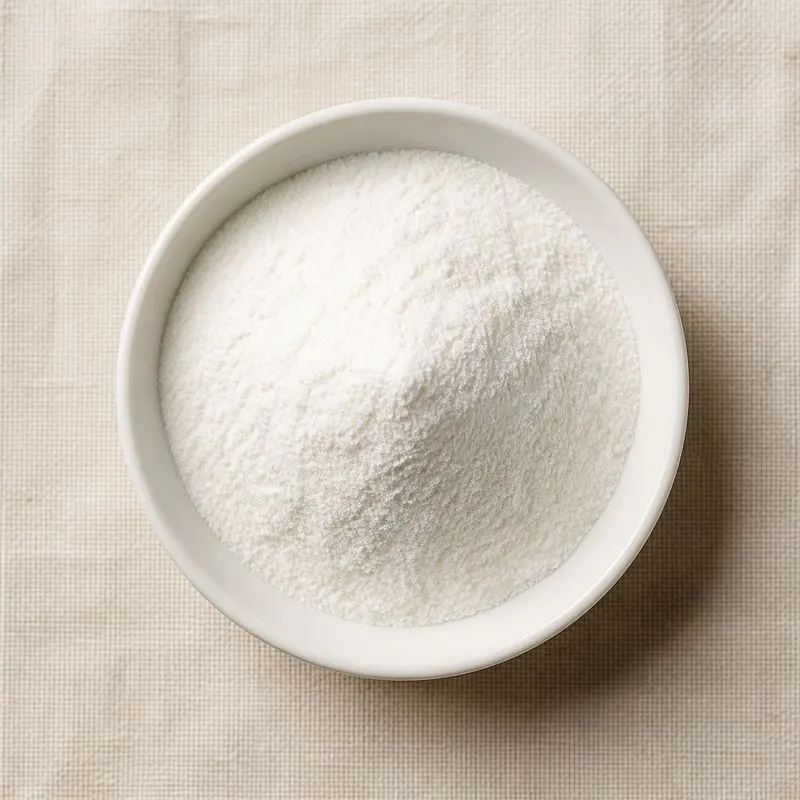
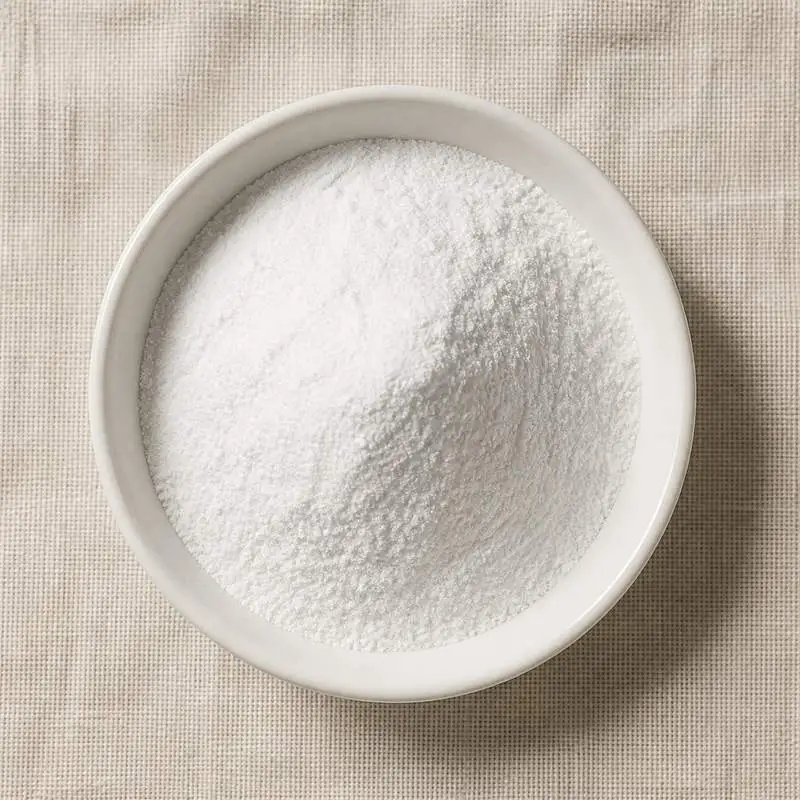
Enzymolysis Brown Rice
Enzymolysis brown rice is a hydrolysate ingredient made by treating whole brown rice, the dehulled grain with bran and germ intact, with food grade enzymes so that its starch, cell wall and protein fractions are broken down into soluble low molecular weight components.
The reason for working on brown rather than milled rice is what the bran and germ carry. Alongside the starch of the endosperm, the intact grain supplies arabinoxylan and beta-glucan from the aleurone cell wall, ferulic acid esters, gamma oryzanol, tocotrienols, phytosterols, B vitamins and, where a germination step precedes hydrolysis, accumulated gamma-aminobutyric acid. Enzymatic digestion releases these from the insoluble matrix that would otherwise carry them past absorption, and at the same time converts the starch into maltodextrins and maltose, raising solubility and lowering viscosity.
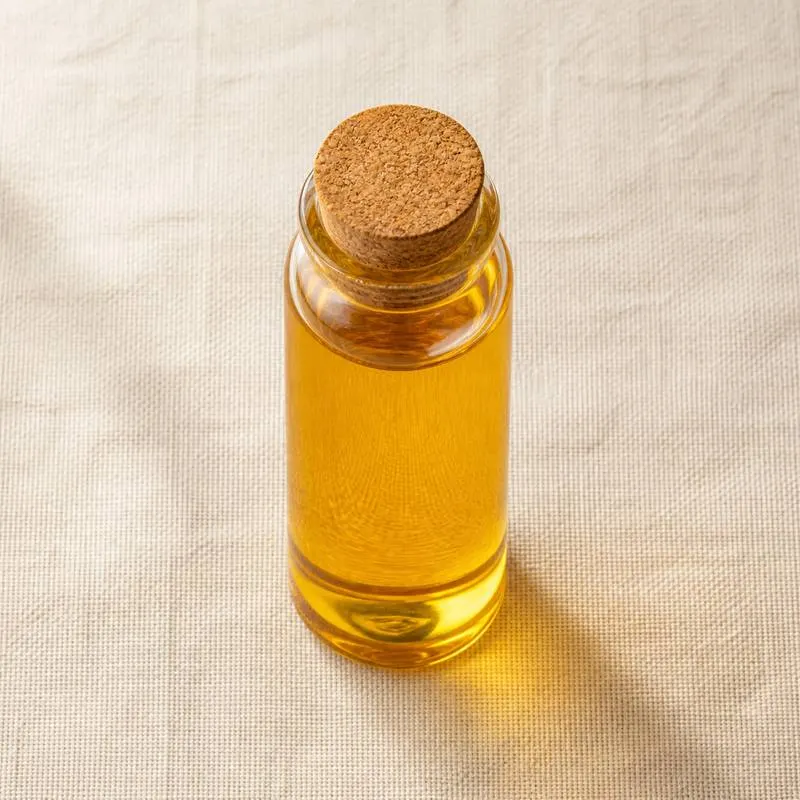
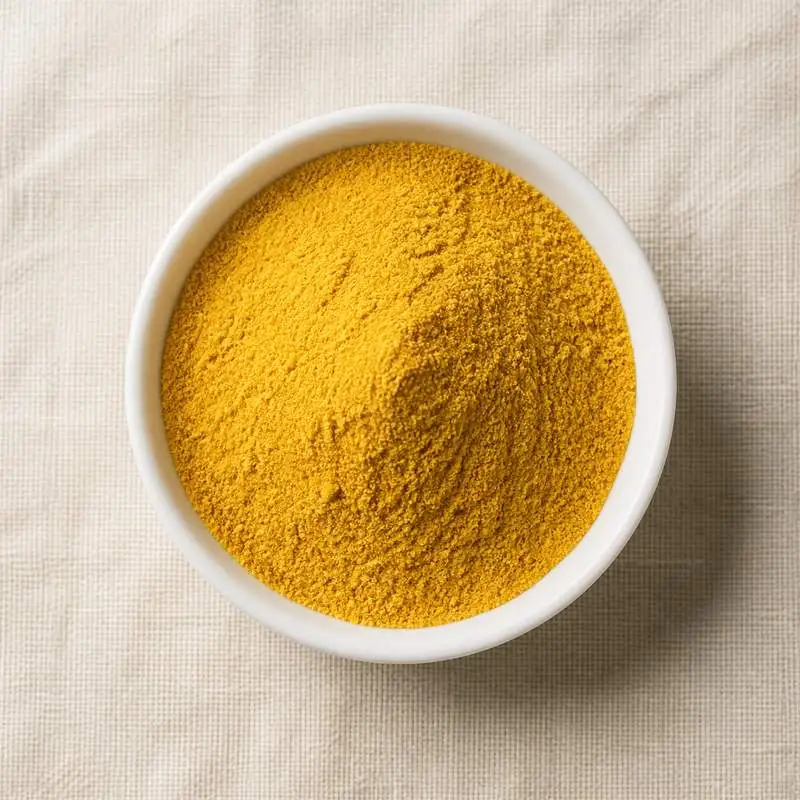
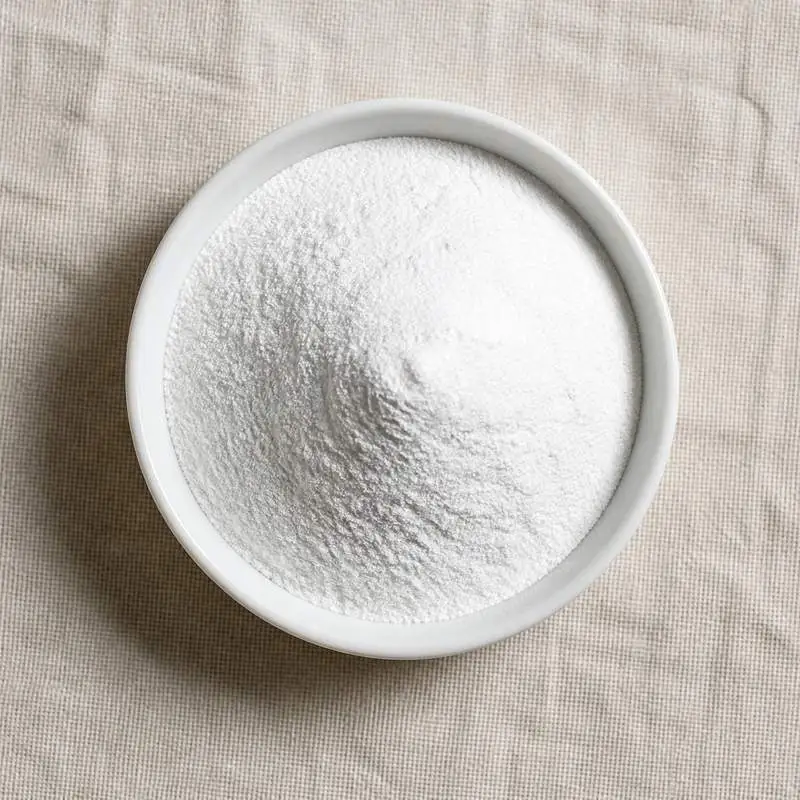
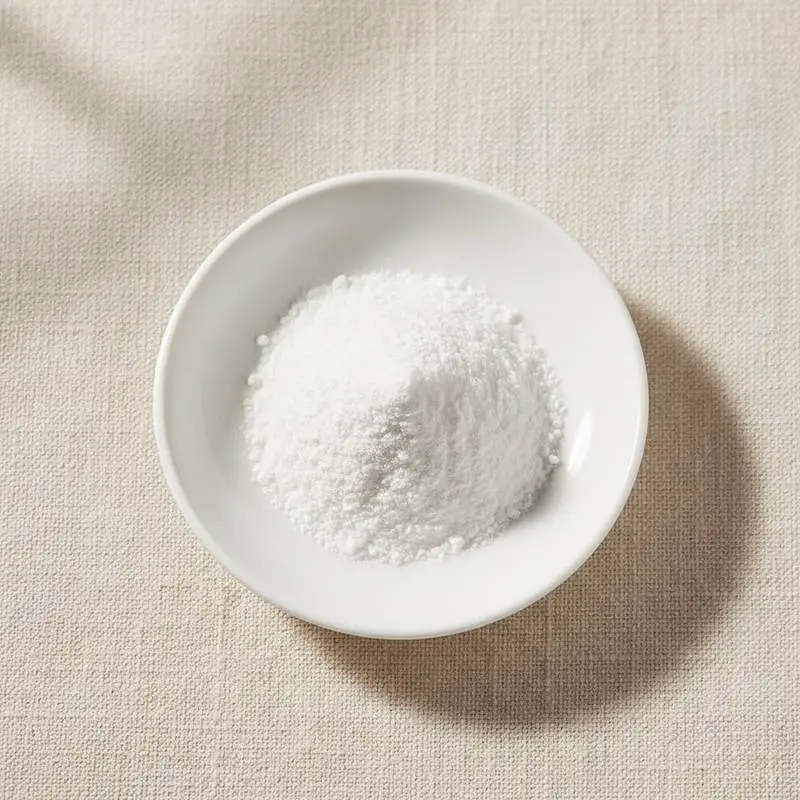
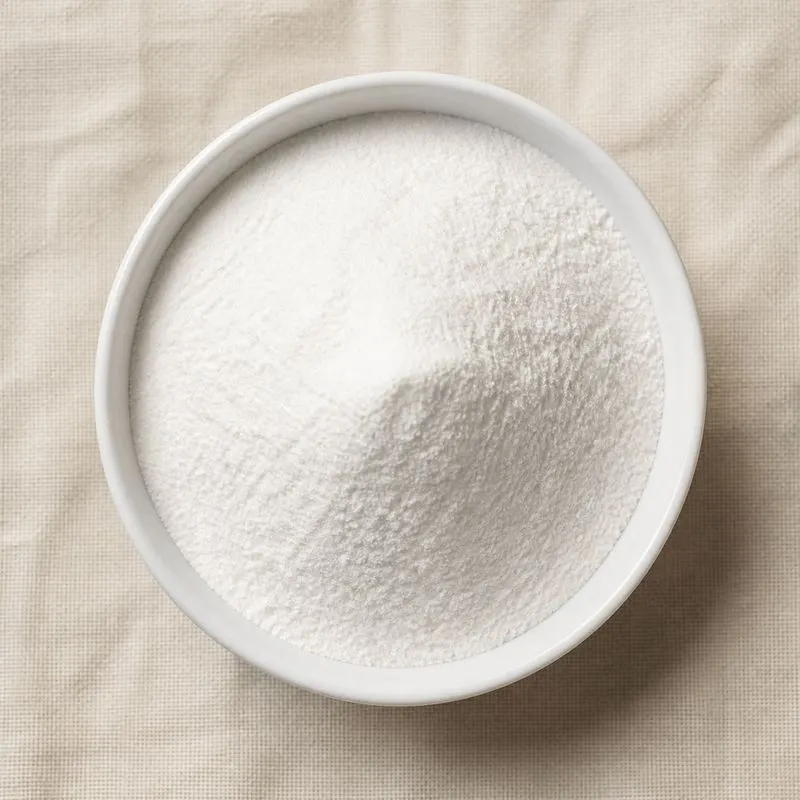
The product is a syrup at a declared solids level, or a spray dried powder, cream to light brown, with a mild cereal sweetness. The powder disperses fully in water, is hygroscopic, and is stable at ambient temperature when protected from moisture. Because the bran lipid fraction is present, extended storage of the undried hydrolysate develops rancid notes, so drying follows the hydrolysis closely.
We source bulk Enzymolysis Brown Rice from top China manufacturers for our partners. The manufacturer is in Jiangxi. A smaller requirement can ship in a combined container with other ingredients.
Please send the grade you need, the volume and your destination port, and we will come back with a solution and a price.
or call +86-21-6858 0751
- Function
- Nutraceutical
Specifications
| Item | Specification |
|---|---|
| Appearance | Cream to light brown free flowing powder |
| Solubility | Complete in water at 25 C |
| Total Solids | Not less than 95.0% |
| Dextrose Equivalent | 15 to 25 |
| Crude Protein | Not less than 6.0% |
| Soluble Arabinoxylan | Not less than 3.0% |
| Moisture | Not more than 5.0% |
| Total Ash | Not more than 3.0% |
| pH, 10% solution | 5.0 to 7.0 |
| Inorganic Arsenic | Not more than 0.1 mg/kg |
| Cadmium | Not more than 0.1 mg/kg |
| Lead | Not more than 0.2 mg/kg |
| Total Plate Count | Not more than 10,000 CFU/g |
| Salmonella | Absent in 25 g |
Common Markets Grades
Grades are set by what the hydrolysis was aimed at. A carbohydrate grade, run to a high degree of starch conversion, is specified on dextrose equivalent and on solids and is used as a rice derived sweetener and carrier. A functional grade, run with cell wall enzymes as well as amylases, is specified instead on soluble arabinoxylan, beta-glucan or ferulic acid content and is sold on those markers. A protein enriched grade uses proteases and is specified on peptide content and molecular weight distribution.
The other axis is whether the grain was germinated before hydrolysis. Germinated brown rice hydrolysate is standardised on gamma-aminobutyric acid, since the GABA content builds during controlled sprouting, and is specified separately from the ungerminated material. Both syrup and spray dried powder forms are traded, with the powder normally carried on part of its own maltodextrin fraction rather than on an added carrier. Organic certified lots and low arsenic lots, screened because rice concentrates inorganic arsenic from the paddy, are handled as separate streams.
Applications
- Infant and toddler cereals, where the hydrolysate lowers viscosity so a higher solids porridge can be fed
- Clinical and elderly nutrition, where the reduced viscosity and predigested carbohydrate ease swallowing and tolerance
- Sports drinks and gels, using the maltodextrin fraction as a rice derived carbohydrate source
- Rice based syrup sweeteners for bars, cereals and confectionery
- Hypoallergenic formulations, where rice replaces dairy, soy or wheat derived carriers
- Functional beverages standardised on gamma-aminobutyric acid from the germinated grade
- Plant milk and rice beverage manufacture, where enzymatic conversion produces the natural sweetness
- Fermented drinks and vinegars, as a pre-converted substrate for the fermentation stage
- Bakery, where the hydrolysate contributes browning, softness and a clean label sugar replacement
China Manufacturers of Enzymolysis Brown Rice
Top Enzymolysis Brown Rice manufacturers in China.

Company names and logos are the property of the manufacturers themselves. They are listed here because our own directory records them as producing this ingredient. A listing is not an endorsement by them, and we do not represent them or speak on their behalf.
Regulatory Status
In the United States, rice hydrolysates and rice syrups are conventional food ingredients regulated under the Food Safety Modernization Act preventive controls; the enzymes used are processing aids that must come from approved or generally recognised as safe sources and are inactivated before the product is finished. Rice derived ingredients are also sold as dietary ingredients under the Dietary Supplement Health and Education Act. Inorganic arsenic is the contaminant of note, since rice takes it up from paddy soil and water, and FDA has set an action level for infant rice cereal that applies to material destined for that category.
In the European Union, rice hydrolysate is a food ingredient placed on the market under general food law rather than under an additive authorisation, so it carries no E number, while the enzymes used fall under the food enzymes regulation and its Union list procedure. Maximum levels for inorganic arsenic in rice and in rice based foods, with a stricter figure for foods intended for infants and young children, are set in the contaminants regulation and are the critical compliance point for this ingredient. Cadmium limits for rice also apply. Codex maintains a standard for rice and sets maximum levels for inorganic arsenic in husked and polished rice through its general standard for contaminants, rather than treating the hydrolysate as an additive requiring a JECFA specification.
Manufacturing Process
Brown rice is cleaned, destoned and, where a germinated grade is being made, steeped in warm water and held under controlled humidity and temperature until the grain sprouts and the glutamate decarboxylase in the aleurone builds gamma-aminobutyric acid. The sprouting is then stopped by heat. The grain, germinated or not, is milled to a flour and slurried with water to a controlled solids level.
Hydrolysis runs in stages because the enzymes have different optima. The slurry is heated with a thermostable alpha-amylase to gelatinise and liquefy the starch, dropping the viscosity so the mash can be pumped, then cooled for saccharification with glucoamylase or a maltogenic amylase to the target dextrose equivalent. Where the functional fractions are the objective, xylanase, cellulase and ferulic acid esterase are dosed in to release arabinoxylan and bound phenolics from the bran cell wall, and a protease stage is added where peptides are wanted. When the endpoint is reached the mash is heated to inactivate the enzymes and then separated: coarse residue is taken out on a decanter centrifuge or press, and the liquor is clarified, polished on activated carbon where a lighter colour is required, and filtered through membranes that set an upper molecular weight bound. The clarified liquor is concentrated by vacuum evaporation and either filled as a syrup or spray dried, then sieved, assayed against the declared markers, blended and packed.