Enzymolysis Oat Fibre
Enzymolysis oat fibre is oat fibre that has been treated with enzymes to convert part of its insoluble structure into soluble material, raising the soluble dietary fibre content and reducing the coarse mouthfeel of the untreated bran. The starting material is oat bran or oat hull fibre; the enzymes used are cell wall degrading preparations, principally xylanase and cellulase, sometimes with an amylase and a protease to strip residual starch and protein.
Controlled hydrolysis breaks the arabinoxylan and cellulose network into shorter fragments. Some of these dissolve, which is the point of the process, while the remainder stays insoluble but with a more open structure that hydrates faster and holds more water. The result is a fibre with a soluble fraction typically two to four times that of the untreated material, a finer and softer texture, and a lighter colour, since the treatment also loosens colour bodies that are washed out.
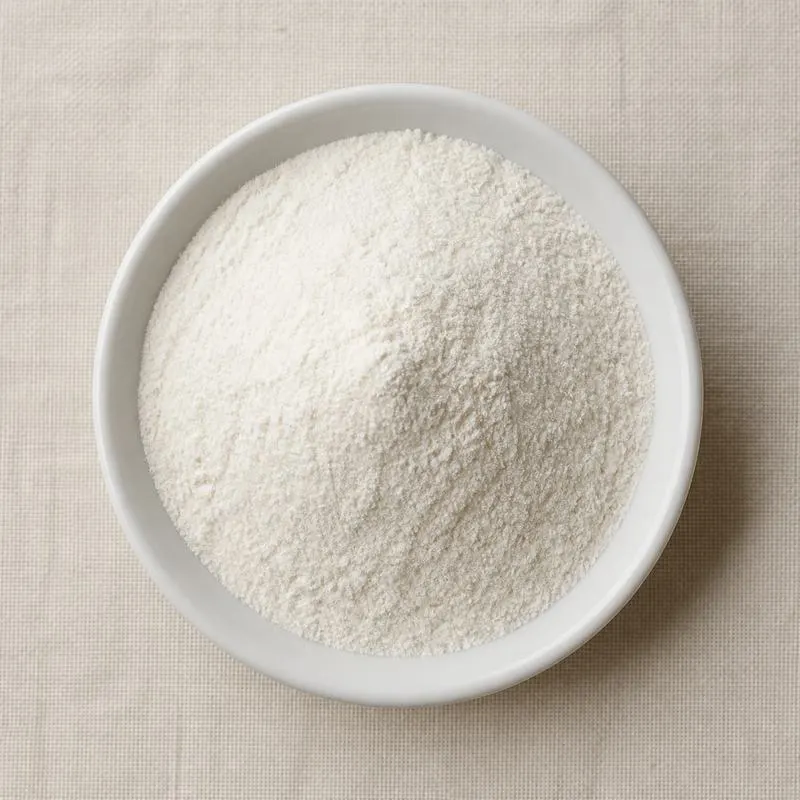
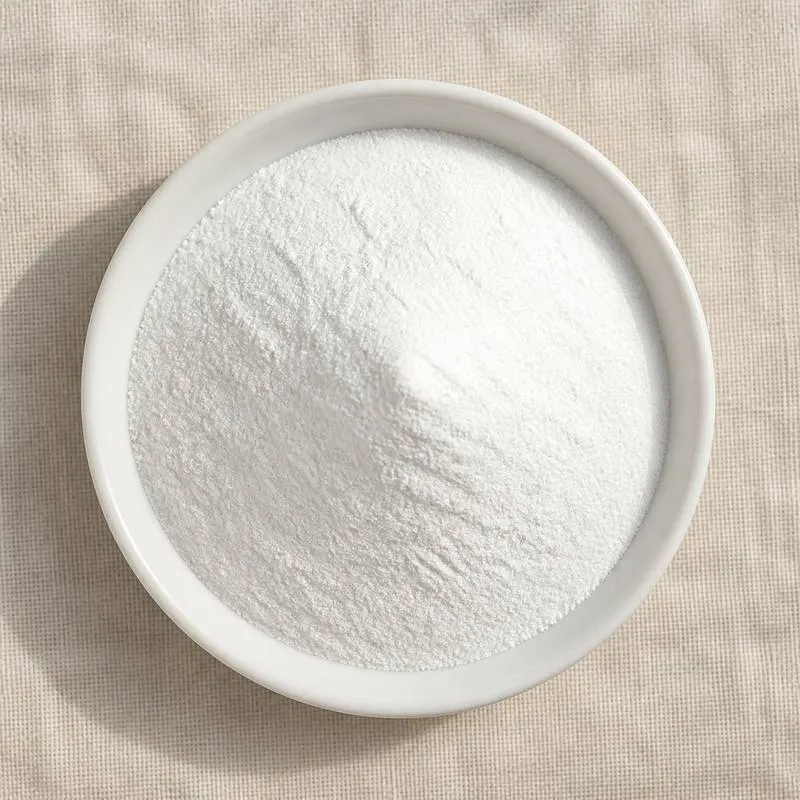
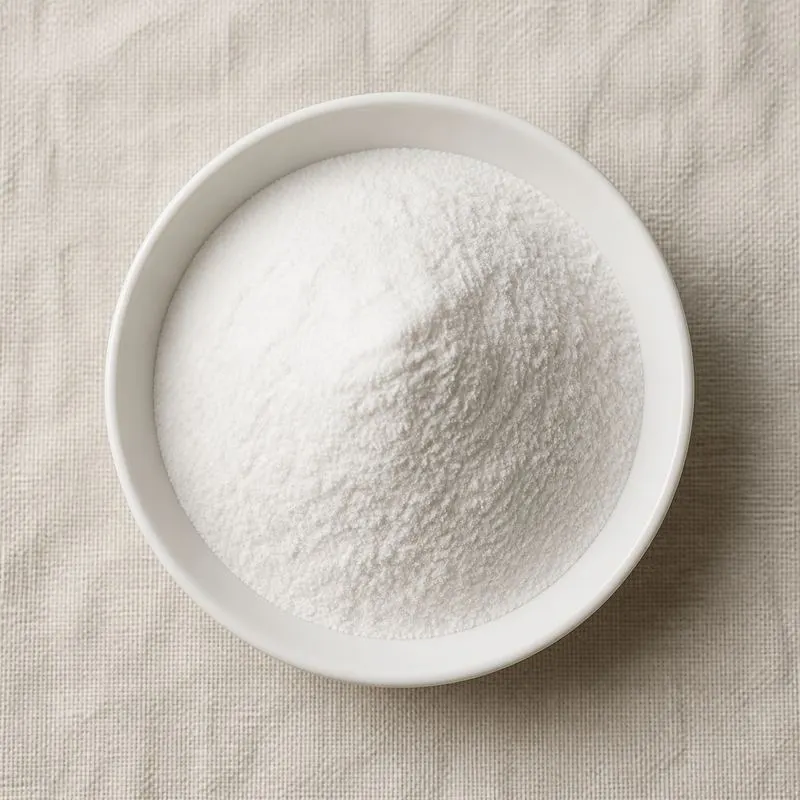
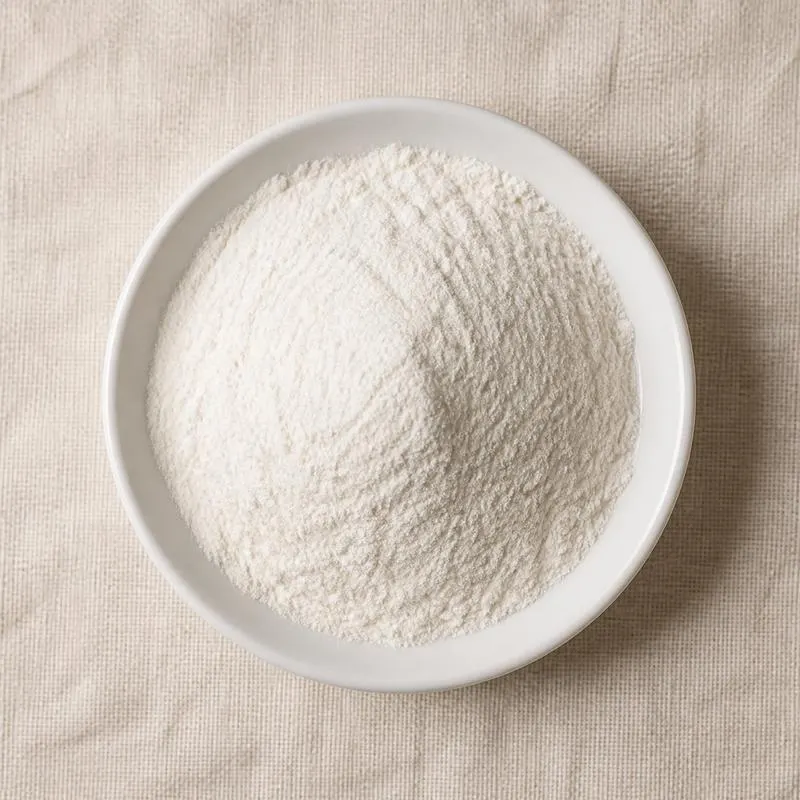
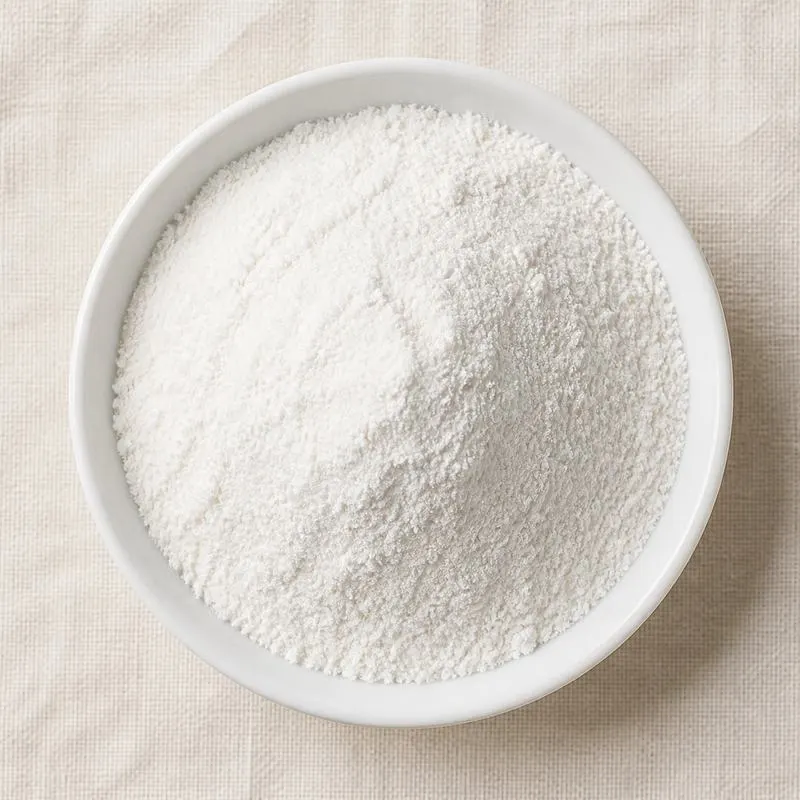
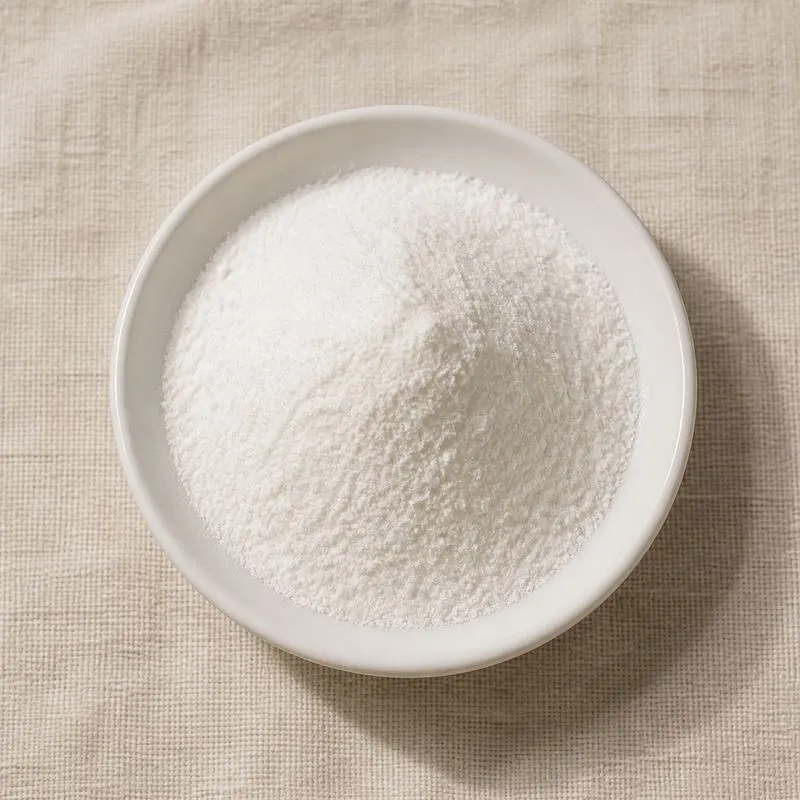
The powder is cream to pale beige with a mild cereal flavour, at a total dietary fibre content commonly 70 to 90 per cent on a dry basis. It disperses readily in water and gives a slight viscosity from the soluble fraction without gelling. Where the process is run so as to retain beta-glucan rather than to hydrolyse it, the product also carries beta-glucan, and enzyme selection is what determines whether that happens.
We source bulk Enzymolysis Oat Fibre from top China manufacturers for our partners. The manufacturer is in Jiangxi. A smaller requirement can ship in a combined container with other ingredients.
Please send the grade you need, the volume and your destination port, and we will come back with a solution and a price.
or call +86-21-6858 0751
- Function
- Dietary Fibres
Specifications
| Item | Specification |
|---|---|
| Appearance | Cream to pale beige fine powder |
| Total Dietary Fibre | Not less than 75.0 per cent on dry basis |
| Soluble Dietary Fibre | Not less than 20.0 per cent |
| Beta-Glucan | Not less than 3.0 per cent where declared |
| Protein | Not more than 6.0 per cent |
| Moisture | Not more than 8.0 per cent |
| Ash | Not more than 5.0 per cent |
| pH of 1 per cent suspension | 5.5 to 7.0 |
| Gluten | Not more than 20 mg/kg for gluten-free grade |
| Lead | Not more than 0.5 mg/kg |
| Total Plate Count | Not more than 10000 cfu/g |
| Yeast and Mould | Not more than 100 cfu/g |
| Escherichia coli | Absent in 1 g |
| Salmonella | Absent in 25 g |
Common Markets Grades
Grades are set by the soluble to insoluble fibre ratio, which is set directly by how far the hydrolysis has been taken. Lightly treated grades at 15 to 25 per cent soluble fibre keep most of the bulking behaviour of the parent bran with an improved mouthfeel. Extensively treated grades at 30 to 50 per cent soluble fibre behave much more like a soluble fibre and are used in beverages and dairy. Beta-glucan retaining grades are specified additionally on beta-glucan content and on its molecular weight, since a hydrolysis that shortens the beta-glucan chain destroys the viscosity on which its physiological effect depends.
Particle size options run from 80 mesh through 100 mesh general purpose grades to superfine below 200 mesh. Colour is a further trade parameter, pale grades requiring more thorough washing after hydrolysis. Food grade is the standard article, and gluten-free certification requires oat supply grown and handled under segregation. Organic certification is available where both the oat supply and the enzyme preparations used qualify.
Applications
- Beverages, fibre drinks and instant powders, where the soluble fraction avoids the sedimentation that untreated bran causes
- Dairy and plant-based drinks, contributing body and a smooth mouthfeel at low addition levels
- Bread and bakery goods, raising fibre content with less loss of loaf volume than raw bran
- Yoghurt and fermented dairy, adding fibre without grittiness
- Cereal bars, biscuits and baked snacks, where the softer texture suits the eating quality
- Soups, sauces and dressings, as a fat mimetic supplying creaminess at reduced fat
- Meal replacement and nutritional formulations built around a target soluble fibre figure
- Meat products and analogues, binding water and improving slice integrity
- Fibre supplements sold on soluble fibre content or on beta-glucan
China Manufacturers of Enzymolysis Oat Fibre
Top Enzymolysis Oat Fibre manufacturers in China.

Company names and logos are the property of the manufacturers themselves. They are listed here because our own directory records them as producing this ingredient. A listing is not an endorsement by them, and we do not represent them or speak on their behalf.
Regulatory Status
Enzyme-treated oat fibre is a food ingredient rather than an additive. The enzymes used are processing aids: in the European Union they fall under the framework on food enzymes, which requires that enzymes used in food production come from authorised sources and be handled under the applicable rules, and they do not appear on the finished product label where they have no technological function in the final food. The fibre itself is declared by its ingredient name and its content appears in the nutrition declaration under the Food Information to Consumers Regulation. The nutrition and health claims regulation governs any source of fibre or high fibre claim, and the authorised claims relating to oat beta-glucan apply only where the beta-glucan is present at the required level and in a form that satisfies the conditions of use.
In the United States enzyme-treated oat fibre is used as a food ingredient in accordance with good manufacturing practice, with the enzyme preparations themselves subject to generally recognised as safe determinations or food additive authorisation for their use. For Nutrition Facts purposes, the treatment complicates the position: intrinsic and intact fibre from the oat counts as dietary fibre under the Food and Drug Administration definition, but fibre that has been isolated or altered is assessed against the requirement for a demonstrated physiological benefit, so the declaration depends on the extent of the modification. Oats are a source of gluten for labelling purposes unless handled under a gluten-free programme.
Manufacturing Process
Oat bran or oat hull fibre is first cleaned and, in the case of bran, kilned so that lipase and beta-glucanase are inactivated before processing begins. The material is slurried in water at a controlled solids level and brought to the temperature and pH at which the chosen enzyme system works, then dosed with xylanase and cellulase, with amylase and protease added where residual starch and protein have to be removed. Reaction time, temperature, pH and enzyme dose are held within a narrow window, because the extent of hydrolysis determines the soluble fibre figure and running past that point destroys the bulking properties along with any beta-glucan viscosity.
When the target is reached the enzymes are deactivated by a short high-temperature hold, which also serves as a pasteurisation step. The slurry is separated: the soluble hydrolysate can be retained with the solids, where a high soluble figure is wanted, or partly washed out where sugars and low molecular weight fragments would sweeten the product. The solids are dewatered on a decanter or press, and the retained liquor is concentrated under vacuum and recombined. Drying is by flash or spray drying at short residence time, followed by milling, sieving to the target mesh and blending across lots to a uniform soluble fibre content.