Fermented Butter Flavour
Fermented Butter Flavour is a dairy flavour concentrate produced by culturing cream or butterfat with lactic acid bacteria and, in most commercial routes, treating the fat with selected lipases. The fermentation generates diacetyl, acetoin and short chain lactones, while the enzymatic step releases butyric, caproic and capric acids from the triglyceride backbone. Together these give the rounded cultured butter character that distillation of natural butter alone does not reproduce.
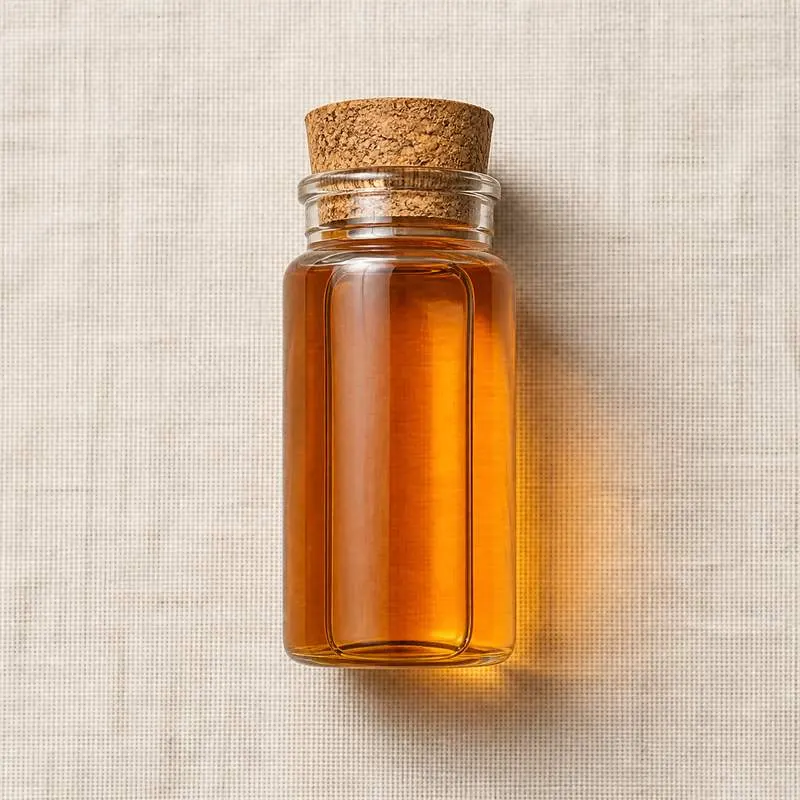
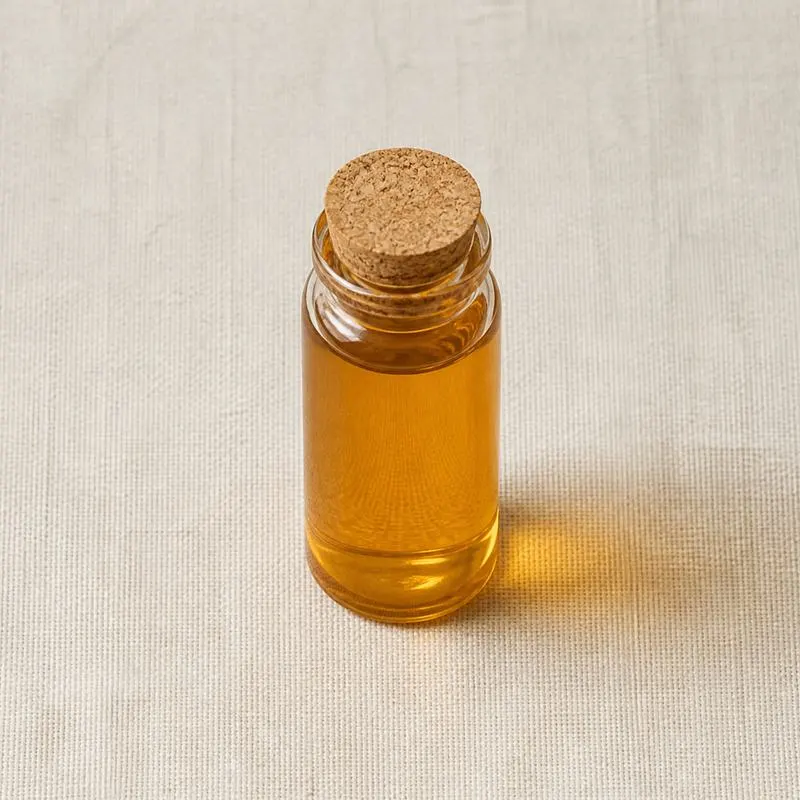
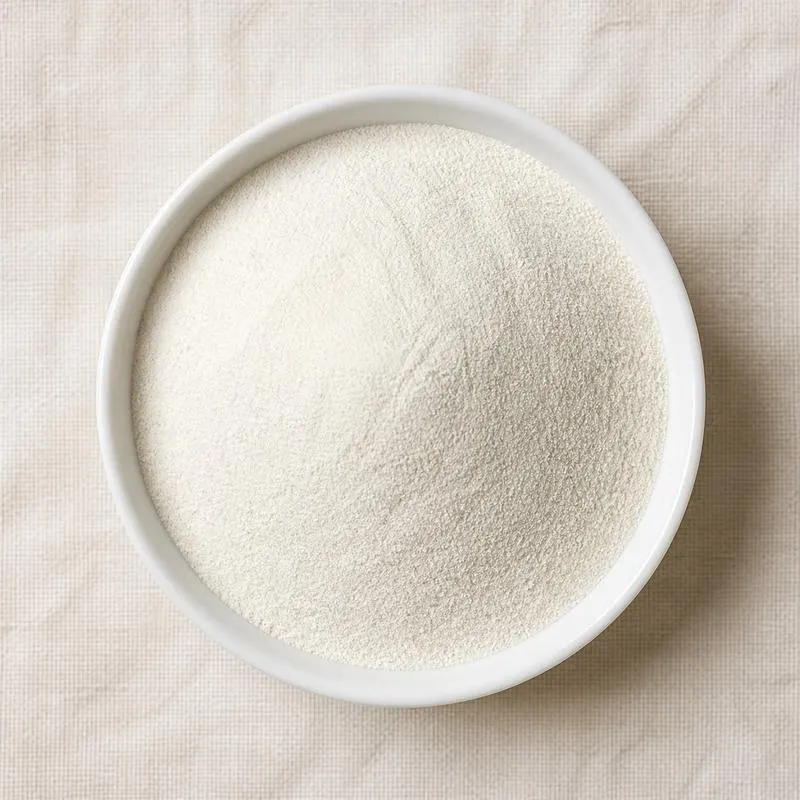
It ships as a pale yellow oily liquid, as a viscous paste, or as a free flowing spray dried powder on a maltodextrin or modified starch carrier. Liquid grades are oil soluble and disperse in melted fat or shortening; powder grades disperse in water and are designed for dry blending. Typical dosage in a finished food falls between 0.05 and 0.5 percent, depending on whether the flavour is carrying the whole butter note or lifting real dairy already present.
Thermal stability is the property that decides how it is used. The free fatty acid fraction survives baking and frying well, whereas diacetyl is volatile and is partly lost above 160 degrees Celsius, so bakery grades are usually reformulated with a higher lactone and acid load to compensate.
We source bulk Fermented Butter Flavour from top China manufacturers for our partners. The manufacturer is in Hebei. A smaller requirement can ship in a combined container with other ingredients.
Please send the grade you need, the volume and your destination port, and we will come back with a solution and a price.
or call +86-21-6858 0751
- Function
- Flavours and Aromas
Specifications
| Item | Specification |
|---|---|
| Appearance | Pale yellow to yellow oily liquid, free of sediment |
| Odour | Characteristic cultured butter, creamy and lactonic |
| Solubility | Miscible with edible oils and fats |
| Relative Density at 25 degrees Celsius | 0.900 to 0.960 |
| Refractive Index at 20 degrees Celsius | 1.450 to 1.470 |
| Acid Value | 20 to 90 mg KOH per gram |
| Peroxide Value | Not more than 5.0 meq per kg |
| Moisture | Not more than 1.0 percent |
| Heavy Metals as Pb | Not more than 10 mg per kg |
| Lead | Not more than 1.0 mg per kg |
| Arsenic | Not more than 1.0 mg per kg |
| Total Plate Count | Not more than 1000 cfu per gram |
| Yeast and Mould | Not more than 50 cfu per gram |
| Salmonella | Absent in 25 g |
Common Markets Grades
Three physical forms are traded. Liquid oil soluble grades are the concentrated base, sold at flavour strengths expressed as a dilution factor against a reference butter. Paste grades carry the same fermented base in a partially hydrogenated or palm fat matrix and are preferred for margarine, filling creams and confectionery. Spray dried powder grades hold 10 to 20 percent flavour load on carbohydrate carrier and are specified for seasoning blends, powdered beverage mixes and dry bakery premixes.
Within each form, buyers distinguish natural grades, where the whole flavour derives from dairy fermentation and enzymatic modification, from nature identical and artificial grades, where synthetic diacetyl, lactones and esters make up part of the profile. Dairy free versions built on fermented vegetable oil are also stocked for plant based applications. Kosher and halal certified production is routine, and lactose free and low sodium variants are available on request.
Applications
- Margarine and fat spreads, where it supplies the cultured butter top note that refined vegetable oil lacks
- Puff pastry and laminated doughs, where paste grades survive the bake and give a butter aroma on oven release
- Biscuits, cookies and shortbread, replacing part of the butter without losing the dairy signature
- Popcorn seasoning oils and butter topping systems for cinema and microwave popcorn
- Compound and coating chocolate, where lactones round the cocoa butter substitute
- Caramel, toffee and fudge, where the fermented acids balance the cooked sugar sweetness
- Instant mashed potato, sauces and gravy powders, giving a buttered finish on reconstitution
- Cream fillings and buttercream frostings, where diacetyl carries the fresh dairy impression
- Plant based butter alternatives, restoring a dairy profile to oil and water emulsions
- Savoury seasoning blends for corn snacks and crackers
China Manufacturers of Fermented Butter Flavour
Top Fermented Butter Flavour manufacturers in China.
Company names and logos are the property of the manufacturers themselves. They are listed here because our own directory records them as producing this ingredient. A listing is not an endorsement by them, and we do not represent them or speak on their behalf.
Regulatory Status
In the United States the individual flavouring substances present are recognised under the FEMA GRAS programme, and the finished preparation is handled as a flavour under 21 CFR Part 101 labelling rules. Where the whole profile derives from dairy fermentation and enzyme treatment, it qualifies as natural flavour under 21 CFR 101.22; where synthetic diacetyl or esters are added, the product must be declared as artificial flavour. Enzyme modified butterfat itself is an established food ingredient in US practice.
In the European Union, Regulation (EC) No 1334/2008 governs flavourings. Material produced entirely by fermentation and enzymatic treatment of dairy raw material qualifies as a natural flavouring, while nature identical components must be drawn from the Union list of authorised flavouring substances. Codex has adopted general guidelines for the use of flavourings, and JECFA has evaluated diacetyl, acetoin and the aliphatic lactones as flavouring agents without objection at flavour use levels. Milk is an allergen and must be declared in both jurisdictions.
Manufacturing Process
Production begins with pasteurised cream, anhydrous milk fat or a butter oil blend, standardised for fat content. The substrate is cooled to fermentation temperature and inoculated with a defined lactic starter, most often Lactococcus lactis subspecies diacetylactis alone or with Leuconostoc species, which convert citrate in the dairy phase into diacetyl and acetoin. Fermentation runs for 12 to 48 hours under controlled temperature and agitation until the target diacetyl concentration is reached.
The fermented mass is then dosed with a food grade lipase, commonly of fungal or pregastric origin, to release short and medium chain fatty acids in a controlled ratio. Enzyme action is stopped by a heat step that also inactivates the culture. The concentrate is standardised against a reference profile, and is either filled as liquid or paste, or emulsified with carbohydrate carrier and spray dried into powder. Finished lots are held under refrigeration or nitrogen where the free fatty acid content makes oxidative rancidity a risk.