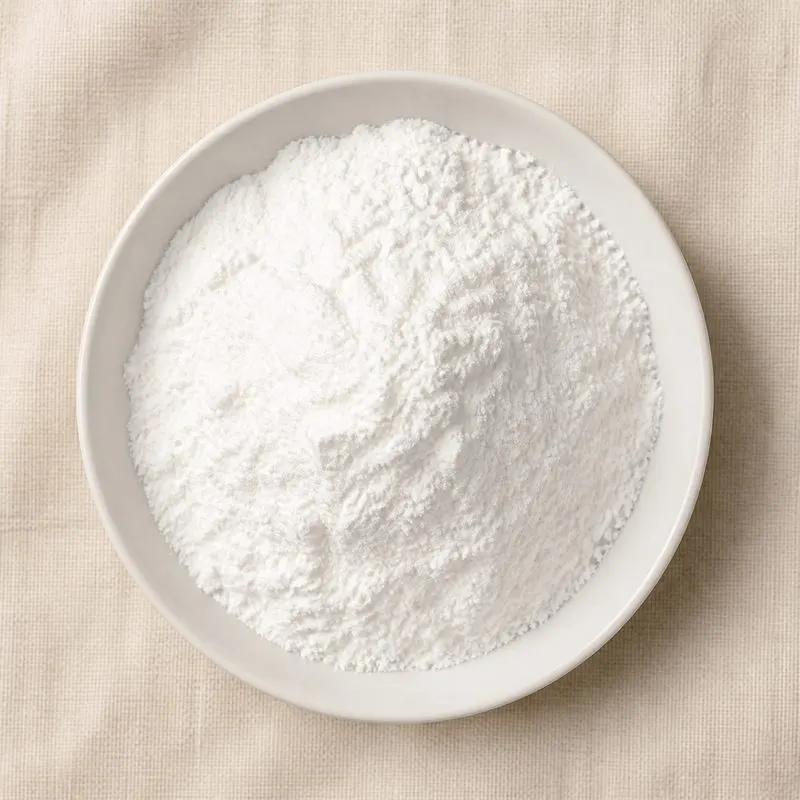
Functional Fibre Microcapsule
Functional Fibre Microcapsule is a co-processed ingredient in which a soluble dietary fibre matrix encapsulates one or more functional actives such as probiotics, omega-3 oils, polyphenols, vitamins, or flavours.
The fibre wall protects the payload through processing, storage, and gastric transit, releasing it where it is needed in the gut or on the palate.
We source bulk Functional Fibre Microcapsule from top China manufacturers for our partners. The manufacturer is in Chongqing. A smaller requirement can ship in a combined container with other ingredients.
Please send the grade you need, the volume and your destination port, and we will come back with a solution and a price.
or call +86-21-6858 0751
- Packaging
- 25 kg kraft paper bag with PE inner liner
- ISO 9001
- HACCP
- Halal
- Kosher
Specifications
| Item | Specification |
|---|---|
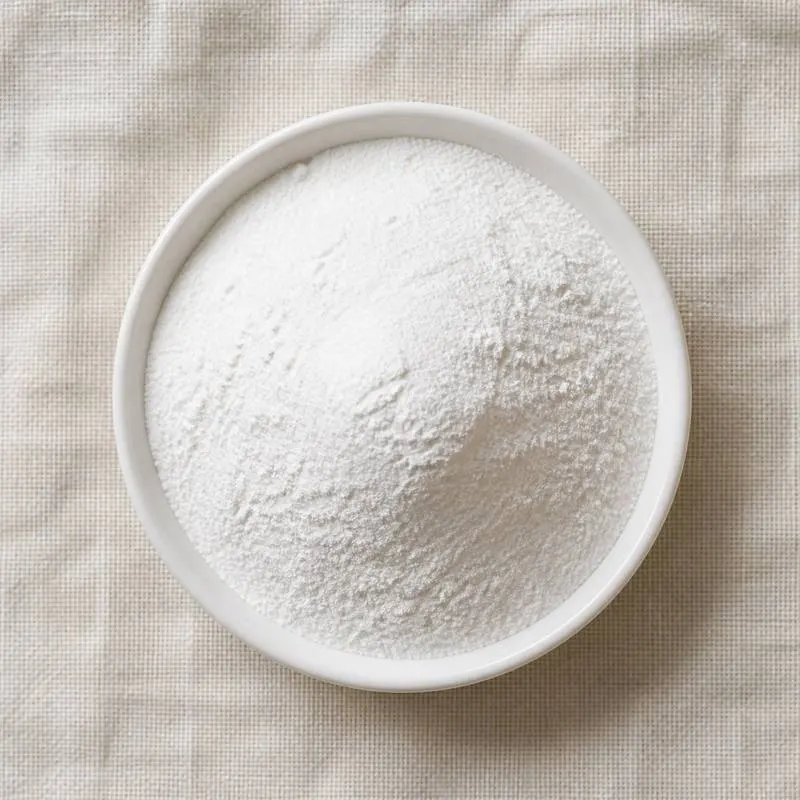
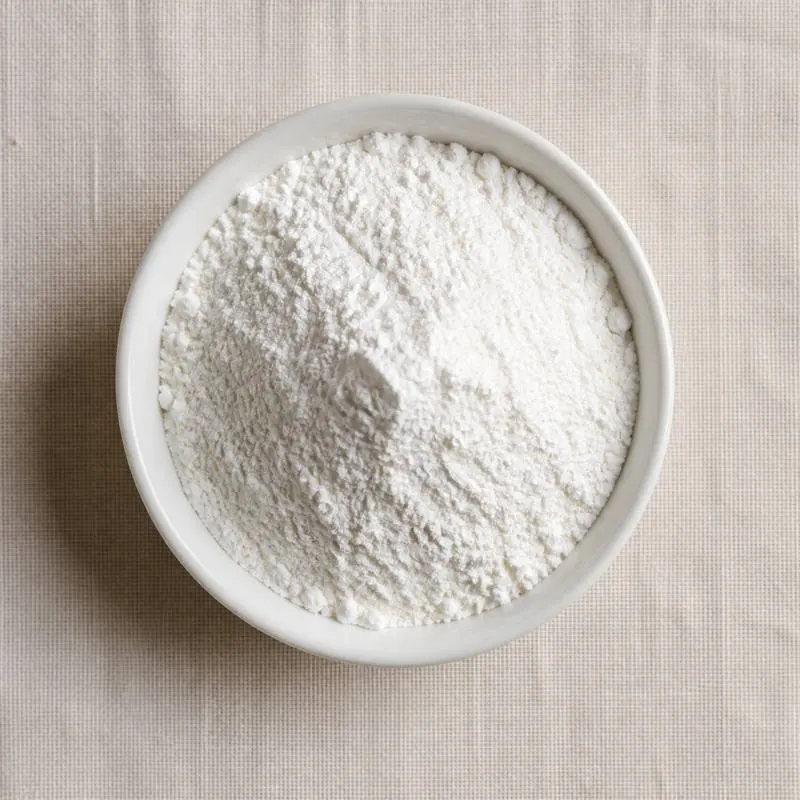
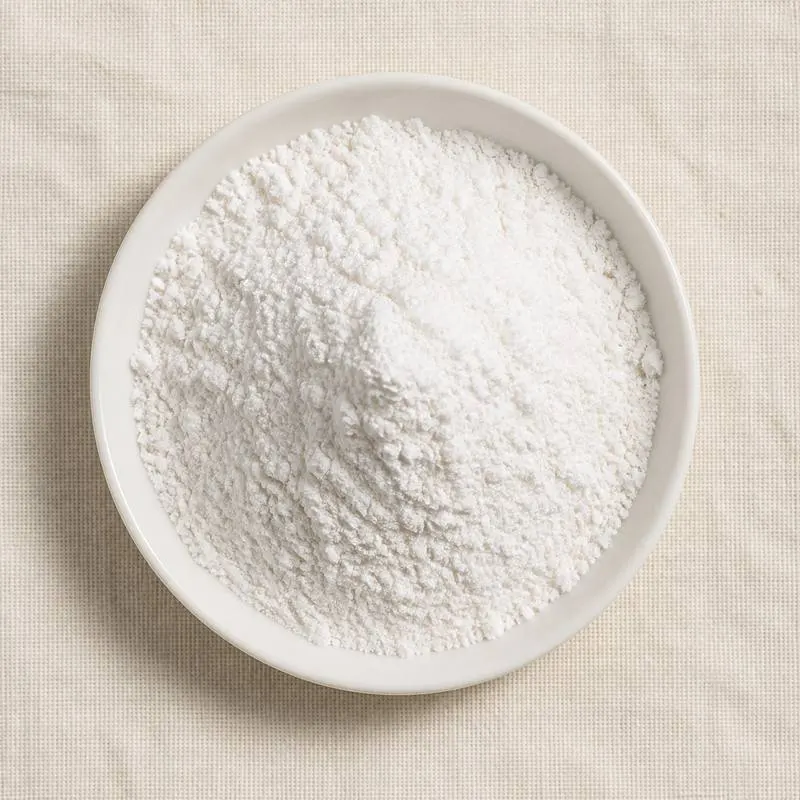
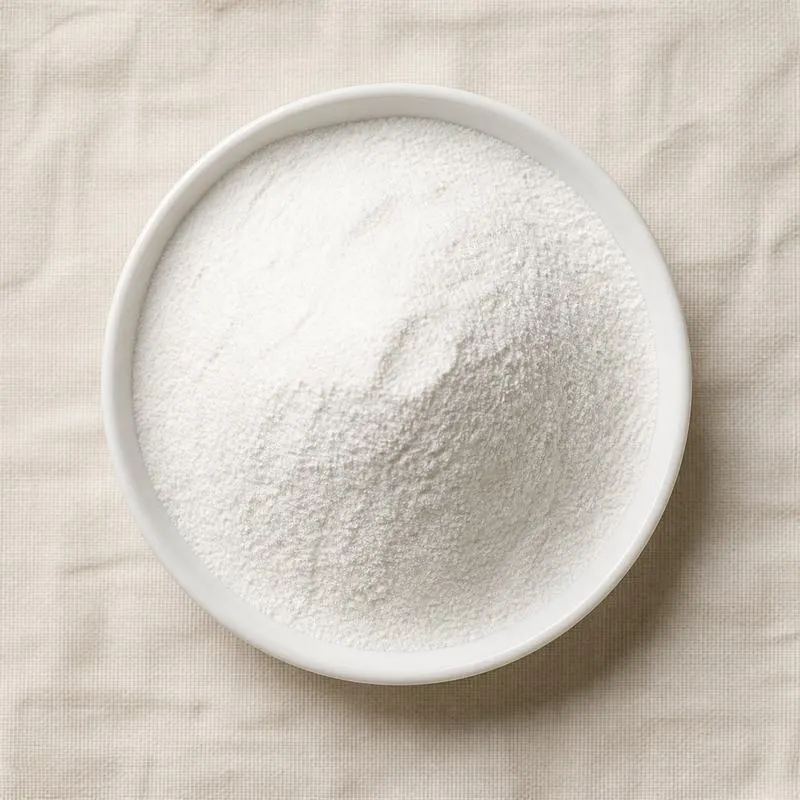
| Appearance | White to slightly off-white free-flowing powder |
| Total dietary fiber (AOAC 2009.01) | ≥ 75.0% |
| Soluble fiber component | Per formulation spec |
| Moisture | ≤ 6.0% |
| pH (10% solution) | 5.0 to 7.0 |
| Sulphated ash | ≤ 2.0% |
| Heavy metals (as Pb) | ≤ 5 mg/kg |
| Total plate count | ≤ 10000 cfu/g |
| Pathogens | Negative per 25 g |
| Particle size | Per customer specification |
Common Markets Grades
Functional Fibre Microcapsule grades are defined by the wall matrix, payload, and particle size.
Inulin and fructooligosaccharide (FOS) wall systems are used for probiotic and prebiotic-synbiotic encapsulation, delivering both fibre and protected live cells.
Resistant dextrin and resistant starch matrices support omega-3 oil encapsulation, with low oxygen permeability and clean flavour.
Beta-glucan and arabinoxylan wall systems carry polyphenol payloads such as curcumin, resveratrol, and grape seed extract.
Pectin and alginate gel-bead grades are used for colon-targeted release of polyphenols, prebiotic boosters, and short-chain fatty acid precursors.
Particle sizes typically run from 50 to 500 μm for direct food incorporation, with finer 5 to 50 μm grades for beverage and clear-formulation use.
Applications
- Probiotic delivery in shelf-stable bars, powders, and ready-to-mix beverages
- Omega-3 fish oil and algal oil fortification with reduced fish-flavour carryover
- Polyphenol fortification for curcumin, resveratrol, quercetin, and green tea extract
- Vitamin and mineral premix protection from moisture, oxygen, and processing heat
- Functional bakery, snack, and cereal applications for fortification with fibre and active payload in one ingredient
- Dairy and plant-based beverage fortification with controlled release in the gut
- Gummies and chewable supplement formats
- Sports and clinical nutrition powders for sustained-release energy and recovery
- Pet food fortification with probiotic and immunomodulator payloads
China Manufacturers of Functional Fibre Microcapsule
Top Functional Fibre Microcapsule manufacturers in China.
Company names and logos are the property of the manufacturers themselves. They are listed here because our own directory records them as producing this ingredient. A listing is not an endorsement by them, and we do not represent them or speak on their behalf.
How We Help Source Functional Fibre Microcapsule
Direct Factory Sourcing
We run the whole process: selecting the manufacturer from the top Chinese food ingredient producers, negotiating the price, verifying quality, and coordinating the logistics. You deal with us instead of with several factories at once.
Original Packaging and Documents from the Manufacturer
The manufacturer sends your Functional Fibre Microcapsule out of its own factory in the original packing, through to your destination port. The COA, COO, MSDS, TDS and any certifications reach you from the manufacturer as well.
Free Samples and Lead Time
We send 100 to 500 g free for your own laboratory to test and you cover only the courier, usually within 2 to 3 working days. ETD is usually within 7 to 15 days once the order is confirmed, and we check that date against the factory's own manufacturing schedule before we give it to you.
Combined Shipment
We can load Functional Fibre Microcapsule together with other ingredients such as Modified Starch, Corn Starch and Pea Starch into one 20' FCL. If your quantity is small, we can also ship LCL.
Regulatory Status
Functional Fibre Microcapsule regulatory status depends on the wall material and payload, not on the encapsulation process itself.
The wall fibres (inulin, FOS, resistant dextrin, beta-glucan, pectin, alginate) carry their own approvals as food ingredients or food additives in the major markets.
The encapsulated active follows its own framework: probiotics under microbial food safety rules, omega-3 oils under fat and supplement rules, polyphenols under their botanical or extract approvals.
For novel combinations not previously consumed in the EU, the Novel Food regulation 2015/2283 may apply. In the United States, the GRAS pathway and Dietary Supplement Health and Education Act define the regulatory path for most combinations.
Labelling requirements vary, with most jurisdictions requiring declaration of all wall and core components on the ingredient list.
Manufacturing Process
Functional Fibre Microcapsule is produced by one of several encapsulation routes.
Spray drying is the dominant method. The fibre wall material is dissolved in water, the active payload is dispersed or emulsified into the solution, and the mixture is atomised into a hot drying chamber. The water evaporates instantly, leaving a dry microcapsule with the payload locked inside the fibre matrix.
Spray chilling and spray congealing are used for heat-sensitive payloads. A molten lipid-fibre mixture is atomised into a cold chamber where it solidifies into beads around the payload.
Coacervation and complex coacervation are used for high-payload, controlled-release grades. Two oppositely charged biopolymers (often a fibre polymer and a protein) are induced to phase-separate around the active, forming a coherent wall.
Ionotropic gelation, used for alginate and pectin systems, drops a solution containing the active into a calcium bath, where the polymer immediately gels around the payload to form beads.
The dried microcapsules are screened, packed under inert gas where the payload is oxygen-sensitive, and stabilised with antioxidants where appropriate.