Ginger Extract
Ginger extract is a concentrated preparation of the rhizome of Zingiber officinale, standardised on its pungent principles. The compounds that define it are the gingerols, chiefly 6-gingerol, and their dehydration products the shogaols, which form when gingerols are exposed to heat or acid. That conversion is the single most important thing about the ingredient: a gently processed extract is gingerol-rich and carries a fresh, bright pungency, while a heat-treated one shifts toward shogaols and tastes sharper and stays hot for longer.
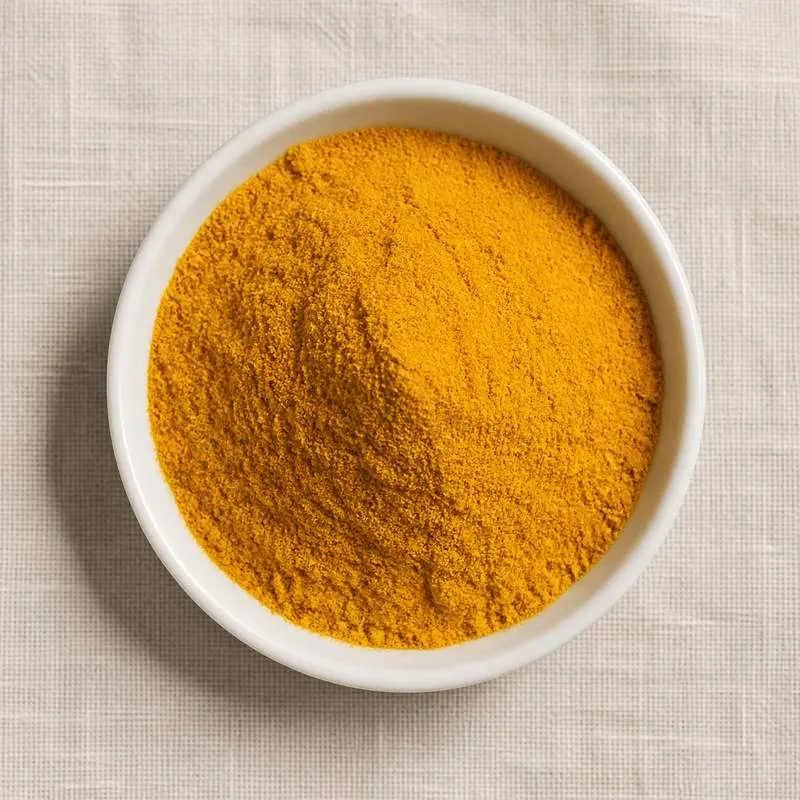
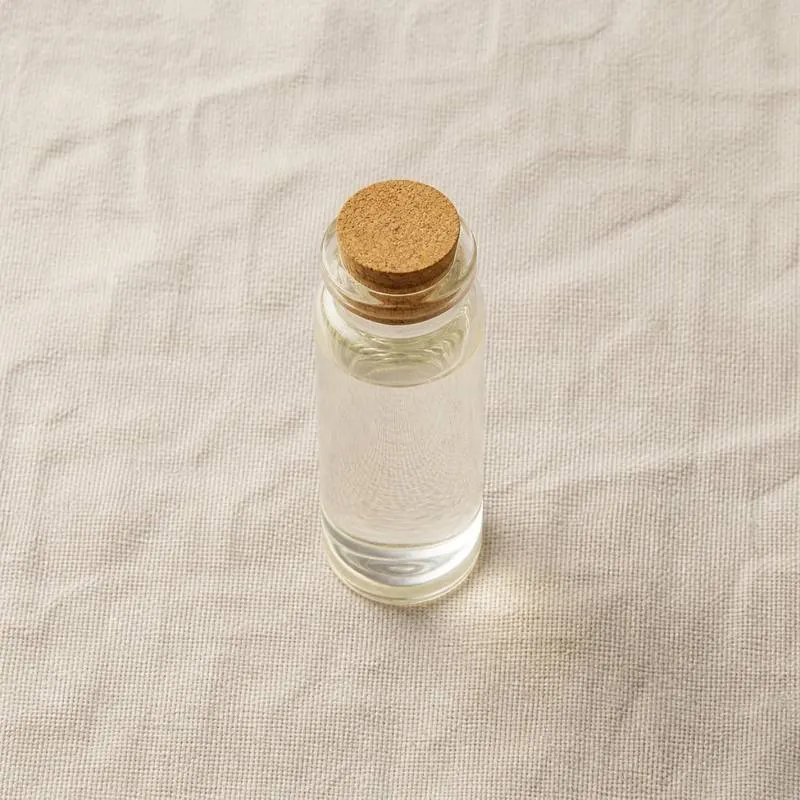
Three physically distinct products travel under the name. Water and hydroalcoholic extracts are dried to a tan to brown free-flowing powder, standardised on total gingerols by HPLC and used in supplements and beverages. Oleoresin is a viscous dark brown liquid recovered by solvent extraction, carrying both the pungent principles and the volatile aroma fraction, and it is the format the flavour trade buys. Steam distilled ginger oil carries the aroma terpenes, mainly zingiberene, but almost none of the pungency, because gingerols are not volatile.
Powdered extracts disperse in water and dissolve in dilute alcohol. Oleoresin is oil soluble and needs an emulsifier or a solubiliser to go into an aqueous drink. Both are light and oxygen sensitive and darken over time.
We source bulk Ginger Extract from top China manufacturers for our partners. The manufacturer is in Henan. A smaller requirement can ship in a combined container with other ingredients.
Please send the grade you need, the volume and your destination port, and we will come back with a solution and a price.
or call +86-21-6858 0751
- Function
- Plant extract
Specifications
| Item | Specification |
|---|---|
| Appearance | Fine tan to brown powder |
| Odour and Taste | Characteristic ginger aroma, pungent |
| Identification | Conforms by HPLC against 6-gingerol reference standard |
| Total Gingerols | Not less than 5.0% by HPLC |
| 6-Gingerol | Not less than 3.0% |
| Loss on Drying | Not more than 5.0% |
| Total Ash | Not more than 5.0% |
| Particle Size | 100% through 80 mesh |
| Residual Ethanol | Not more than 0.5% |
| Heavy Metals | Not more than 10 mg/kg |
| Lead | Not more than 2.0 mg/kg |
| Arsenic | Not more than 1.0 mg/kg |
| Total Plate Count | Not more than 10,000 cfu/g |
| Yeast and Mould | Not more than 100 cfu/g |
| E. coli | Absent in 1 g |
| Salmonella | Absent in 25 g |
Common Markets Grades
Powdered extract grades are sold on a ratio and an assay, commonly 4:1, 10:1 or 20:1 with total gingerols declared at 1, 2.5, 5 or 10 percent by HPLC. The 5 percent gingerol grade is the standard choice in supplements. Where a customer wants the sharper heat profile, shogaol-standardised grades are made by deliberately heat treating the extract. Water soluble grades carry a maltodextrin or gum arabic carrier so the powder dissolves clear in a drink; plain grades do not.
Oleoresin is specified on pungency, usually expressed as total gingerols or as a Scoville-equivalent figure, and on volatile oil content in millilitres per hundred grams, since the two together define whether a lot delivers heat, aroma or both. Dispersible oleoresins are pre-emulsified onto a salt or dextrose carrier for dry seasoning work. Essential oil is a separate line specified on optical rotation, refractive index and zingiberene content. Organic certified and solvent-free CO2 extracted grades are traded at a premium across all three formats.
Applications
- Digestive and nausea supplements in capsule and tablet form, dosed against a declared gingerol assay
- Joint and inflammation formulas, combined with turmeric, boswellia and black pepper extracts
- Ginger beer, ginger ale and shot drinks, where oleoresin or a solubilised extract carries the burn that ground ginger cannot deliver consistently
- Confectionery and bakery, in ginger biscuits, cakes and chews, where the extract standardises a heat level that varies widely in raw ginger
- Savoury seasoning blends, curry pastes and marinades, supplying pungency without added water
- Instant soup, noodle and broth bases, where dispersible oleoresin on a salt carrier blends evenly into a dry mix
- Herbal teas and instant beverage granules, using the water soluble powdered grade
- Alcoholic drinks including ginger liqueurs and spiced beer, contributing both aroma and pungency
- Topical creams and warming balms, where gingerols are used for their counter-irritant character
- Pet and livestock feed supplements marketed for digestive support
Brands Using Ginger Extract
Widely-distributed consumer products that list Ginger Extract on the ingredient label.
- BulkSupplementsGinger Root Extract Capsules ↗Capsules delivering a concentrated ginger root extract.Label verified 2026-08-31
- NutricostElderberry & Ginger Root Extract ↗An immune support supplement combining 1,000 mg of elderberry with 300 mg of ginger root extract per serving.Label verified 2026-08-31
- EnzymedicaGut Motility ↗Contains ProDigest, a blend of artichoke leaf and ginger root extracts, alongside apple cider vinegar powder.Label verified 2026-08-31
- Micro IngredientsGinger Root with MCT Oil Softgels ↗Softgels delivering 300 mg per serving of ginger root extract from Zingiber officinale carried in MCT oil.Label verified 2026-08-31
- Peach & LilyGinger Melt Oil Cleanser ↗A cleansing oil whose antioxidant blend is built on ginger root extract with pineapple extract and sunflower and grapeseed oils.Label verified 2026-08-31
Brand names, product names and logos are the property of their owners. They appear here as published evidence that the ingredient is used, taken from the brand's own label or website. Their appearance is not an endorsement, and it does not mean the brand buys from us or from any manufacturer listed on this site.
China Manufacturers of Ginger Extract
Top Ginger Extract manufacturers in China.
Company names and logos are the property of the manufacturers themselves. They are listed here because our own directory records them as producing this ingredient. A listing is not an endorsement by them, and we do not represent them or speak on their behalf.
Regulatory Status
In the United States ginger is affirmed as generally recognised as safe as a spice and natural seasoning, and 21 CFR 182.20 lists ginger oleoresin and ginger oil among the essential oils, oleoresins and natural extractives that are GRAS for their intended use in food. That is a broad and long-standing status covering flavour use. Ginger extracts standardised on gingerols and sold in supplements are dietary ingredients under DSHEA, marketed with structure and function claims and the required disclaimer.
In the European Union ginger is a food and a flavouring source rather than a food additive, so it has no E number. Ginger extracts and preparations used for flavouring fall within the flavourings regulation, where extracts of a food source are permitted as flavouring preparations. Use in food supplements is subject to member state botanical rules and to any national maximum levels. No health claim for ginger currently appears on the EU authorised list. Residual solvent in solvent-extracted oleoresin has to meet the limits set for extraction solvents in food. Codex has a commodity standard for dried ginger and, through JECFA and the flavourings framework, treats ginger extractives as flavouring substances of natural origin.
Manufacturing Process
Fresh rhizome is washed, trimmed and either processed wet or sliced and dried to under ten percent moisture, then milled. Drying temperature is controlled because holding the material hot converts gingerols to shogaols before extraction begins. For powdered extracts the milled rhizome is extracted with water or aqueous ethanol at a moderate temperature, the extract liquor is separated on a filter press and clarified, and the liquor is concentrated in a vacuum evaporator at a low boiling point. Where a higher gingerol assay is required the concentrate is passed over macroporous resin, washed to remove starch and sugars, and eluted with ethanol. The purified concentrate is blended with carrier and spray dried or vacuum belt dried, then milled, sieved and assayed by HPLC.
Oleoresin follows a different train. The dried milled rhizome is extracted with a food grade hydrocarbon or with ethanol or acetone in a countercurrent extractor, or with supercritical carbon dioxide where a solvent-free claim is needed. The solvent is stripped under vacuum in a wiped film evaporator to residual limits, leaving the viscous oleoresin. Steam distilled ginger oil is produced separately from the same rhizome and is sometimes blended back into the oleoresin to restore the volatile top notes lost during solvent stripping.