Glycerol Monolaurate
Glycerol monolaurate, also called glyceryl monolaurate or monolaurin, is the monoester of glycerol with lauric acid, the twelve carbon saturated fatty acid, with the molecular formula C15H30O4. It belongs to the mono and diglyceride family covered by the European food additive number E471, but is traded separately from the stearate and palmitate grades because its short fatty chain gives it a distinct set of properties.
The molecule is surface active, with a hydrophilic lipophilic balance around five, and it is also antimicrobial. The lauric chain inserts into the lipid membrane of gram positive bacteria and of enveloped viruses and disrupts it, and the same mechanism accounts for activity against yeasts and certain moulds, while gram negative organisms are largely protected by their outer membrane. That combination of emulsification and membrane activity is why the material is used as a preservative adjunct as well as an emulsifier.
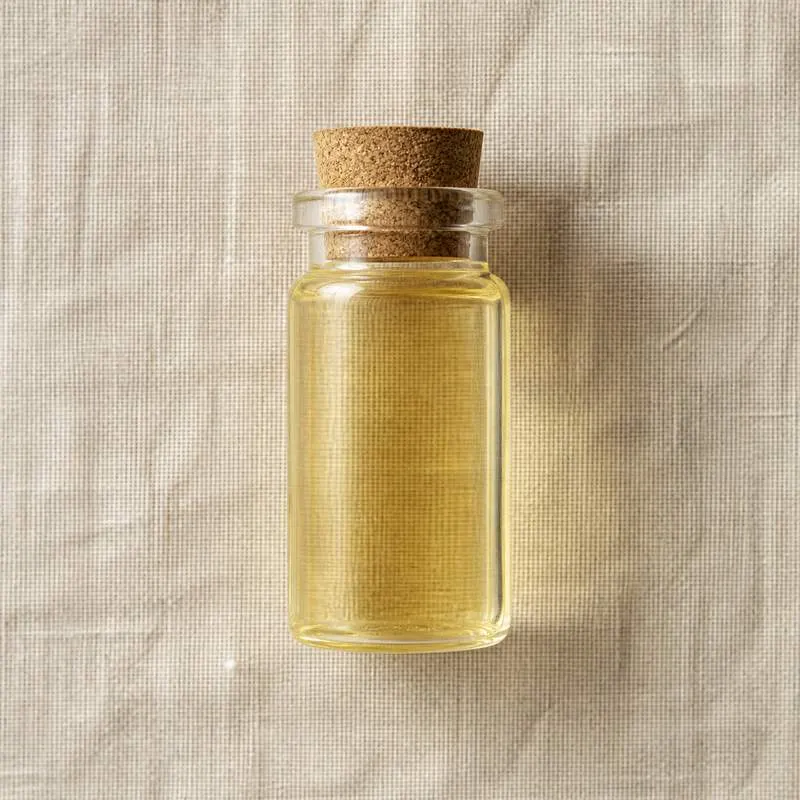
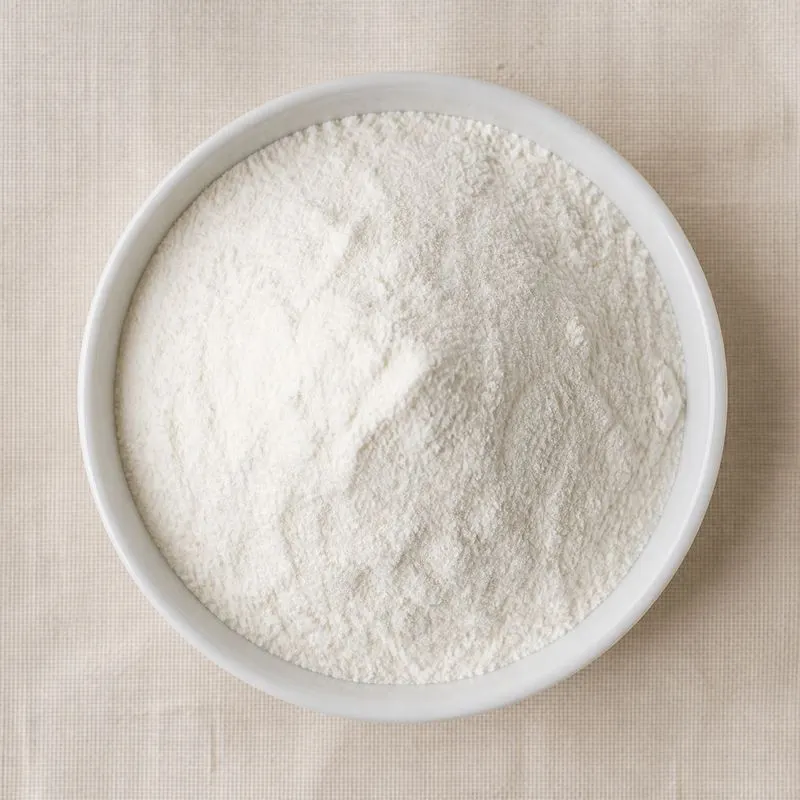
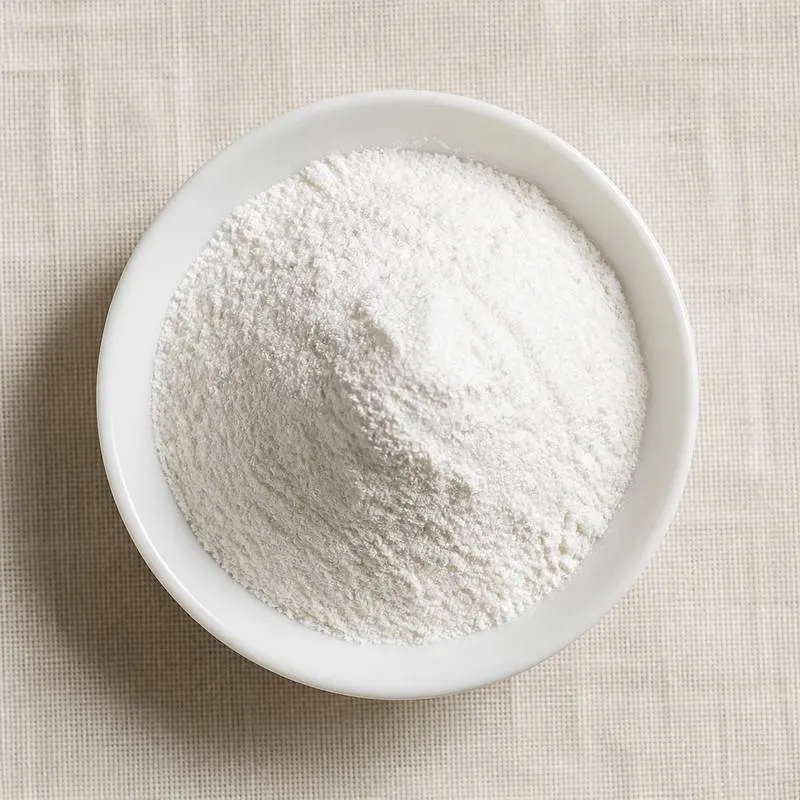
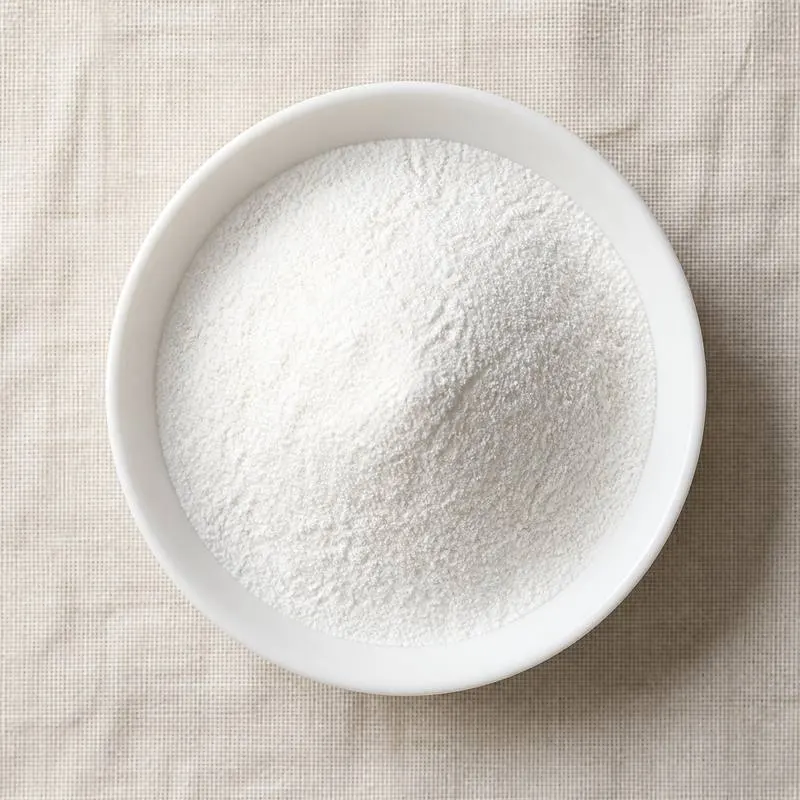
The trade sells it as a white to off white waxy solid, in powder, flake or bead form, with a melting range around 56 to 63 degrees Celsius and a faint fatty odour. It is practically insoluble in cold water, disperses in hot water under shear, and dissolves readily in ethanol, propylene glycol and warm vegetable oils, which is how it is normally introduced into an aqueous product. Antimicrobial activity is strongest under mildly acidic conditions and falls away as pH rises.
We source bulk Glycerol Monolaurate from top China manufacturers for our partners, working with several of them. The manufacturers are in Guangdong, Zhejiang and Henan. A smaller requirement can ship in a combined container with other ingredients.
Please send the grade you need, the volume and your destination port, and we will come back with a solution and a price.
or call +86-21-6858 0751
Specifications
| Item | Specification |
|---|---|
| Appearance | White to off white waxy powder, flake or bead |
| Odour | Faint and fatty, free from rancid notes |
| Identification | Positive for glycerol and lauric acid by gas chromatography |
| Monoglyceride content | ≥ 90.0% for distilled grades |
| Lauric acid in fatty acid fraction | ≥ 90.0% |
| Free glycerol | ≤ 1.5% |
| Acid value | ≤ 3.0 mg KOH/g |
| Iodine value | ≤ 1.0 g I₂/100 g |
| Melting range | 56 to 63 °C |
| Loss on drying | ≤ 1.0% |
| Sulphated ash | ≤ 0.5% |
| Lead | ≤ 2 mg/kg |
| Arsenic | ≤ 3 mg/kg |
| Total plate count | ≤ 1000 cfu/g |
Common Markets Grades
Grades are separated principally by monoester assay. Material at 40 to 60 percent monoester is the direct glycerolysis product and is used where emulsification alone is required, while distilled grades at 90 percent and above are used wherever the antimicrobial function is the objective, since the diester and triester fractions contribute nothing to it. The highest purity grades, sold for supplement and pharmaceutical use, run above 95 percent monoester with tight limits on free glycerol and free lauric acid.
Physical formats include powder, flake, bead and pastille, and solubilised liquid concentrates in which the ester is pre dissolved in propylene glycol, glycerol or ethanol for direct dosing into a water based product. The lauric acid feedstock comes from coconut or palm kernel oil, and grade documentation covers the origin, kosher and halal certification, and non genetically modified and sustainability declarations. Feed grade material is produced to the same chemistry with wider physical tolerances.
Applications
- Beverages and flavoured drinks, where it suppresses gram positive spoilage organisms alongside conventional preservatives
- Bakery products, acting both as a crumb softener and as a mould and rope inhibitor
- Dairy and dessert emulsions, stabilising the fat phase while restricting spoilage flora
- Meat and poultry processing, applied as a surface treatment or formulation ingredient to control gram positive organisms
- Sauces, dressings and condiments, combining emulsification with preservative support at mildly acidic pH
- Animal feed and milk replacers, used as an antimicrobial lipid and energy source
- Nutritional supplements, where monolaurin is sold as an ingredient in its own right
- Cosmetic and personal care emulsions, acting as a co emulsifier and preservative booster
- Food contact sanitising and surface treatment formulations
Brands Using Glycerol Monolaurate
Widely-distributed consumer products that list Glycerol Monolaurate on the ingredient label.
Brand names, product names and logos are the property of their owners. They appear here as published evidence that the ingredient is used, taken from the brand's own label or website. Their appearance is not an endorsement, and it does not mean the brand buys from us or from any manufacturer listed on this site.
China Manufacturers of Glycerol Monolaurate
Top Glycerol Monolaurate manufacturers in China.
- Guangdong Cardlo Biotechnology Co., Ltd.10 ingredients in the directory
 Kevin Food Co., Ltd.7 ingredients in the directory
 Zhejiang Golden Palm Technology Co., Ltd.12 ingredients in the directory
 Zhengzhou Dahe Food S&T Co., Ltd.6 ingredients in the directory
Company names and logos are the property of the manufacturers themselves. They are listed here because our own directory records them as producing this ingredient. A listing is not an endorsement by them, and we do not represent them or speak on their behalf.
Regulatory Status
In the United States glycerol monolaurate falls within the mono and diglycerides listing affirmed as generally recognised as safe by the Food and Drug Administration at 21 CFR 184.1505, permitting use as an emulsifier under good manufacturing practice, and monolaurin has additionally been the subject of GRAS determinations covering specific antimicrobial uses. Where the material is used specifically to control microbial growth in a food, the intended technical effect is a preservative one, which affects how it must be declared on the label.
In the European Union the substance is covered by the additive entry for mono and diglycerides of fatty acids, E471, which is authorised at quantum satis in most food categories with purity criteria set in the additive specifications regulation. That entry authorises the emulsifier function, and any use relying on a preservative effect would need to fit within the additive framework for that function rather than within E471. JECFA maintains a specification for mono and diglycerides of fatty acids, and the substance appears in the Codex General Standard for Food Additives under the emulsifier function.
Manufacturing Process
The lauric acid comes from coconut or palm kernel oil. The oil is split by high pressure hydrolysis into free fatty acids and glycerol, and the mixed acids are fractionally distilled to isolate the twelve carbon cut, whose purity sets the purity ceiling of the finished ester. Lauric acid is then esterified with glycerol in a stirred reactor at 180 to 220 degrees Celsius under nitrogen with an alkaline or acid catalyst, and the water of reaction is removed continuously under vacuum to drive the equilibrium towards the ester. An enzymatic route over an immobilised lipase running below 70 degrees Celsius is also used, and gives a lighter coloured product with less side reaction. Working with a large excess of glycerol favours the monoester over the diester.
The crude ester mixture is neutralised, washed to remove catalyst and soaps, and stripped of excess glycerol under vacuum. High assay grades then pass through short path molecular distillation, where the more volatile monoester is separated from the diester and triester on a heated thin film under high vacuum with a residence time of seconds. The purified melt is spray cooled into powder or beads, or solidified and flaked, then milled, screened and packed under low humidity. Release testing covers monoester assay, free glycerol, acid value and, for antimicrobial grades, a challenge or minimum inhibitory concentration test against a reference organism.