Hydrolyed Vegetable Protein Seasoning
Hydrolysed vegetable protein seasoning is a savoury flavouring made by breaking down plant protein into free amino acids and short peptides, then neutralising and standardising the digest into a liquid, paste or spray dried powder used to build meaty and broth like taste.
The flavour comes mainly from the free amino acids liberated during hydrolysis, glutamic acid above all, which appears as its sodium salt after neutralisation and delivers umami directly, supported by aspartic acid and by sulphur containing residues that carry roast and brothy notes. Sodium chloride formed in the neutralisation step is a substantial part of the finished solids, so the seasoning is both salty and savoury, and formulators account for it in the salt balance of the recipe rather than treating it as a flavour addition alone.
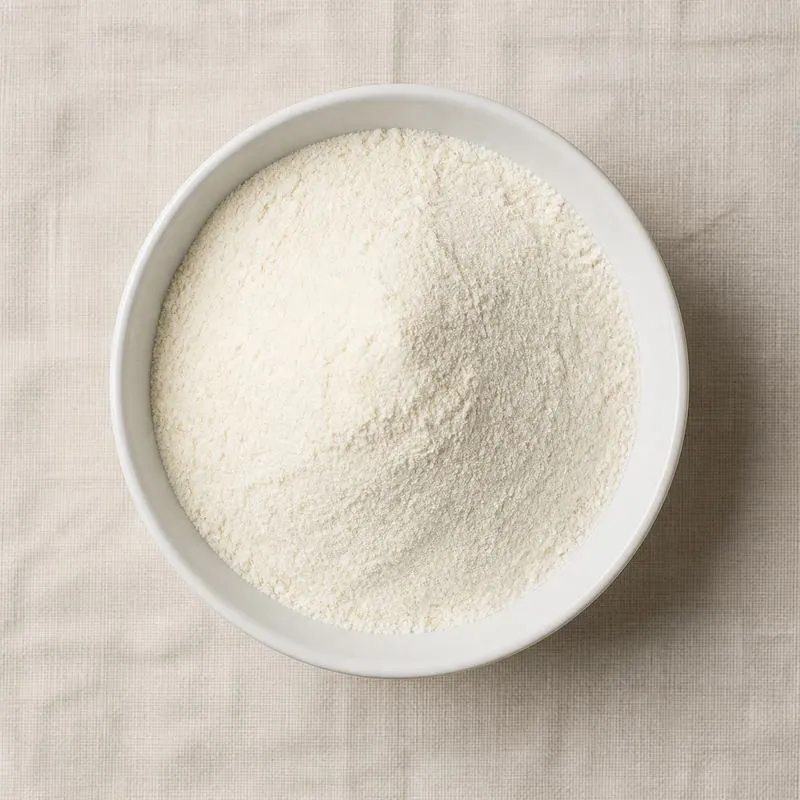
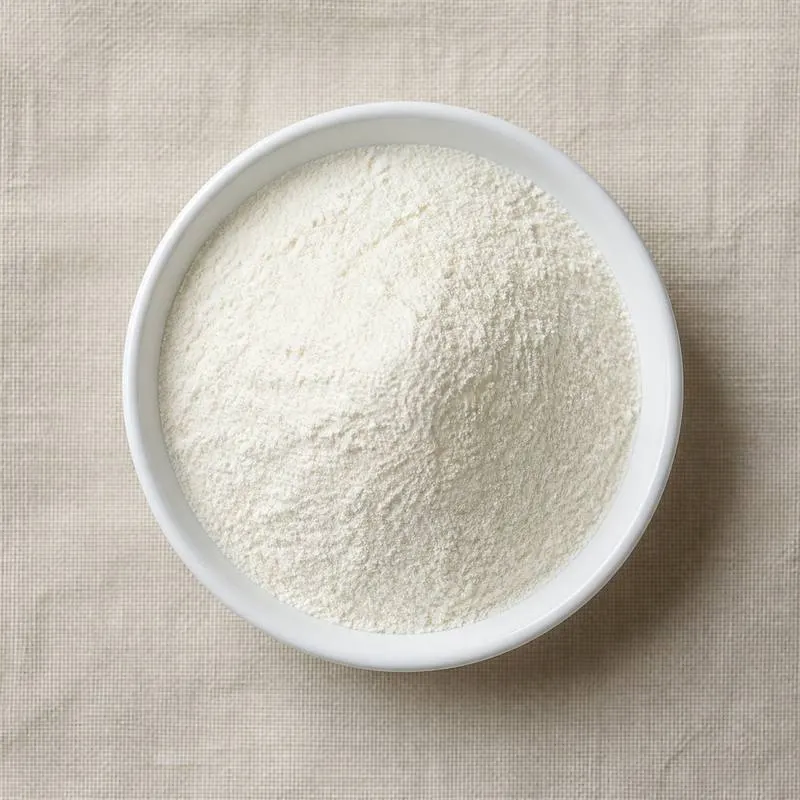
Commercial material comes as a dark brown liquid of around 40 percent solids, as a paste, or as a free flowing spray dried powder carried on maltodextrin or salt. It dissolves completely in water, is stable through retort and baking, and darkens further under prolonged heat, since the amino acids remain available for Maillard browning in the finished product.
We source bulk Hydrolyed Vegetable Protein Seasoning from top China manufacturers for our partners. The manufacturer is in Hebei. A smaller requirement can ship in a combined container with other ingredients.
Please send the grade you need, the volume and your destination port, and we will come back with a solution and a price.
or call +86-21-6858 0751

- Function
- Protein
Specifications
| Item | Specification |
|---|---|
| Appearance | Dark brown liquid, or free flowing light brown powder |
| Odour and Taste | Characteristic savoury and brothy, salty, free from burnt or foreign notes |
| Total Solids (liquid grade) | Minimum 40.0% |
| Total Nitrogen (dry basis) | Minimum 6.0% |
| Amino Nitrogen (of total nitrogen) | Minimum 50.0% |
| Sodium Chloride (dry basis) | 35.0 to 50.0% |
| Loss on Drying (powder grade) | Maximum 5.0% |
| pH (5% solution) | 4.5 to 6.0 |
| 3-monochloropropane-1,2-diol | Complies with applicable maximum levels |
| Lead | Maximum 0.5 mg/kg |
| Arsenic | Maximum 0.5 mg/kg |
| Total Plate Count | Maximum 10,000 cfu/g |
| Yeast and Mould | Maximum 100 cfu/g |
| Escherichia coli and Salmonella | Absent in 25 g |
Common Markets Grades
The first distinction is the hydrolysis route. Acid hydrolysed vegetable protein, made with hydrochloric acid under reflux, is the traditional and strongest tasting grade, and it is the one that carries chloropropanol monitoring. Enzymatically hydrolysed vegetable protein, produced with proteases, has a milder and less roasted profile, no chloropropanol issue, and is the grade specified where a clean label or an organic certificate is required. Some seasonings blend the two.
Feedstock is the second axis, with defatted soy meal, maize gluten meal, wheat gluten and rapeseed or sunflower meal each giving a recognisably different profile, and the source protein determining the allergen declaration and the common name on the label. Beyond that, grades differ by total nitrogen and amino nitrogen, by salt content, by colour measured on a defined dilution, and by physical format, liquid, paste or powder. Low salt and low sodium versions are produced by desalting the digest before drying, and reduced colour grades are treated with carbon for use in pale sauces and soups.
Applications
- Instant noodle soup bases and sachet powders, where it supplies the meaty background at low cost per serving
- Bouillon cubes and granulated stock, where it substitutes for part of the meat extract
- Savoury snack seasonings on crisps and extruded snacks, dosed as a powder in the topical blend
- Retorted soups and sauces, where the flavour survives sterilisation without losing character
- Processed meat products such as sausage and luncheon meat, deepening the cooked meat note
- Meat analogues and plant based patties, where it covers the beany note of soy and pea protein and adds savoury depth
- Gravies, marinades and stir fry sauces, contributing both salt and umami in one addition
- Reaction flavour manufacture, used as the amino acid donor reacted with reducing sugars to build roast and grill notes
- Ready meals and frozen entrees, where a liquid grade is dosed into the sauce phase
- Pet food palatants, sprayed onto kibble to raise intake
China Manufacturers of Hydrolyed Vegetable Protein Seasoning
Top Hydrolyed Vegetable Protein Seasoning manufacturers in China.
Company names and logos are the property of the manufacturers themselves. They are listed here because our own directory records them as producing this ingredient. A listing is not an endorsement by them, and we do not represent them or speak on their behalf.
Regulatory Status
In the United States hydrolysed vegetable protein is a conventional food ingredient used as a flavouring and flavour enhancer under good manufacturing practice, and the Food and Drug Administration requires the common or usual name to identify the source protein, so labels read hydrolysed soy protein or hydrolysed wheat gluten rather than the generic term. Where the source is soy or wheat, the major food allergen declaration under the Food Allergen Labelling and Consumer Protection Act applies. Free glutamate produced by hydrolysis need not be declared as monosodium glutamate, but a product containing hydrolysed protein cannot carry a no added glutamate claim.
In the European Union hydrolysed protein used for flavour is a flavouring rather than an additive, so it carries no E number and is covered by the flavourings regulation, with labelling as flavouring or by its specific name. The point of regulatory attention is chloropropanols, and maximum levels for 3-monochloropropane-1,2-diol are set for liquid hydrolysed vegetable protein and soy sauce in the contaminants legislation, with sampling and analysis methods laid down to match. Codex has likewise issued a code of practice on reducing 3-monochloropropane-1,2-diol formation during the acid hydrolysis of vegetable proteins, which sets out the low fat feedstock and alkaline treatment measures now standard in the industry.
Manufacturing Process
The acid route starts from defatted plant meal, most often soy, maize gluten or wheat gluten, which is refluxed with hydrochloric acid at around 100 degrees Celsius for several hours until the protein is cleaved essentially to free amino acids. The hot digest is cooled and neutralised with sodium carbonate or sodium hydroxide, which converts the acid into sodium chloride and leaves the seasoning inherently salty. Insoluble humin and unhydrolysed residue are filtered off, and the liquor is decolourised on activated carbon, then concentrated under vacuum. Because residual lipid in the meal can react with the acid to form chloropropanols, modern plants use low fat feedstock and apply an alkaline treatment step that destroys these compounds before the product is standardised.
The enzymatic route disperses the same meals in water, adjusts pH and temperature, and digests them with a sequence of endoproteases and exopeptidases, sometimes with a deamidase to raise free glutamic acid, over many hours. The reaction is stopped by heat, the slurry is centrifuged and filtered, and the liquor is treated and concentrated as above. Either digest is finally standardised on total nitrogen, amino nitrogen and salt, then sold as a liquid, evaporated to a paste, or spray dried on a carrier into a powder that is sieved and packed.