Hydrolyzed Collagen Type Ii
Hydrolysed collagen type II is a low molecular weight peptide preparation made by enzymatically digesting type II collagen, the fibrillar collagen specific to hyaline cartilage, most often extracted from chicken sternal cartilage.
Type II collagen differs from the type I collagen of skin, bone and fish scale in that its triple helix is built from three identical alpha chains and it occurs in cartilage embedded in a matrix of proteoglycans. Commercial hydrolysates therefore carry not only collagen peptides but also a measurable fraction of chondroitin sulphate and, in some grades, hyaluronic acid, and buyers specify all three. The peptide fraction shows the collagen amino acid signature, roughly a third glycine with high proline and hydroxyproline, the last of which serves as the identity marker in analysis.
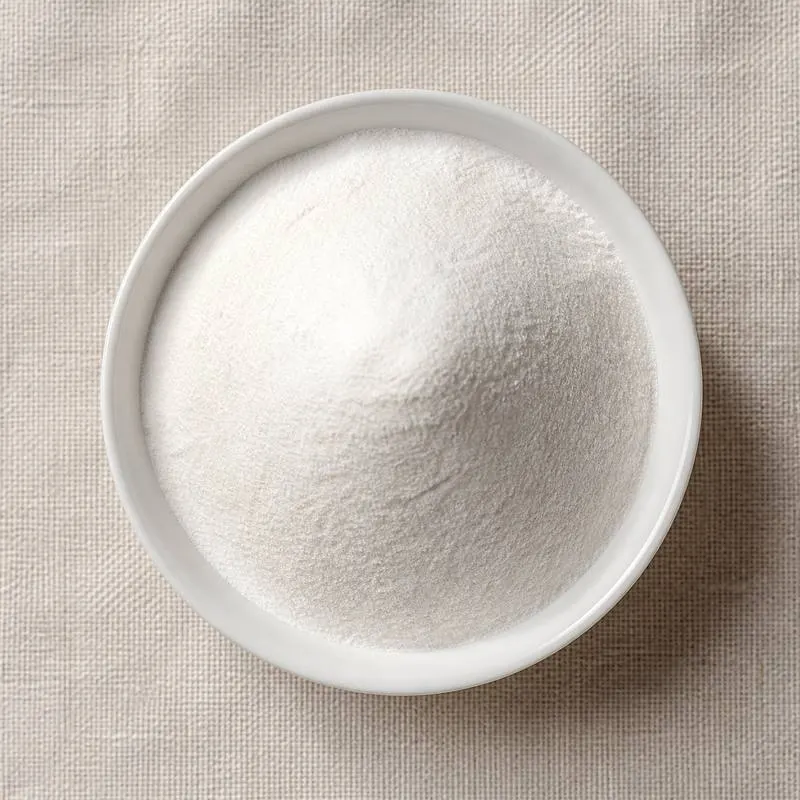
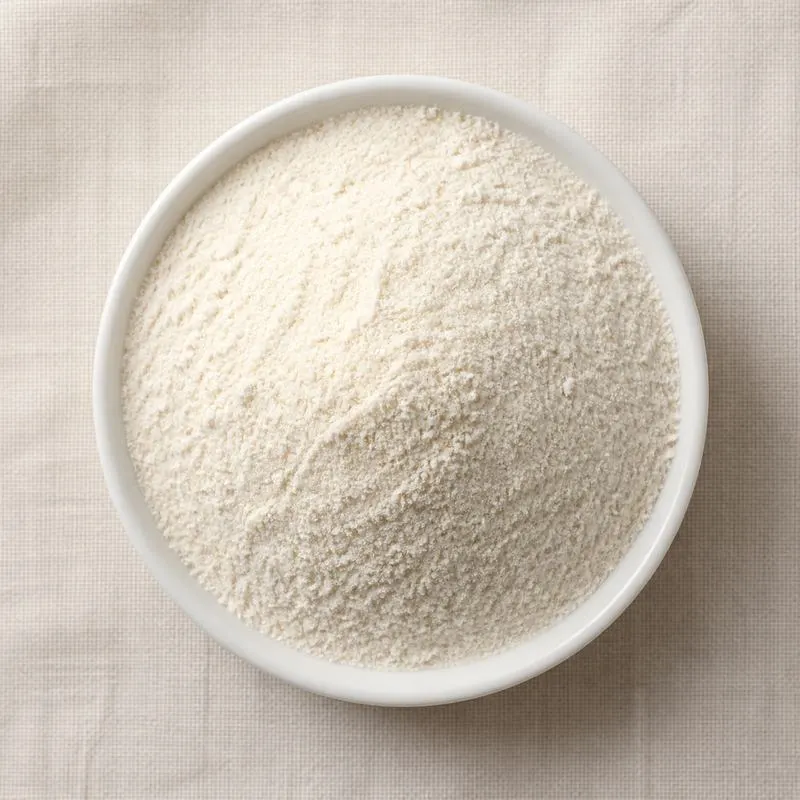
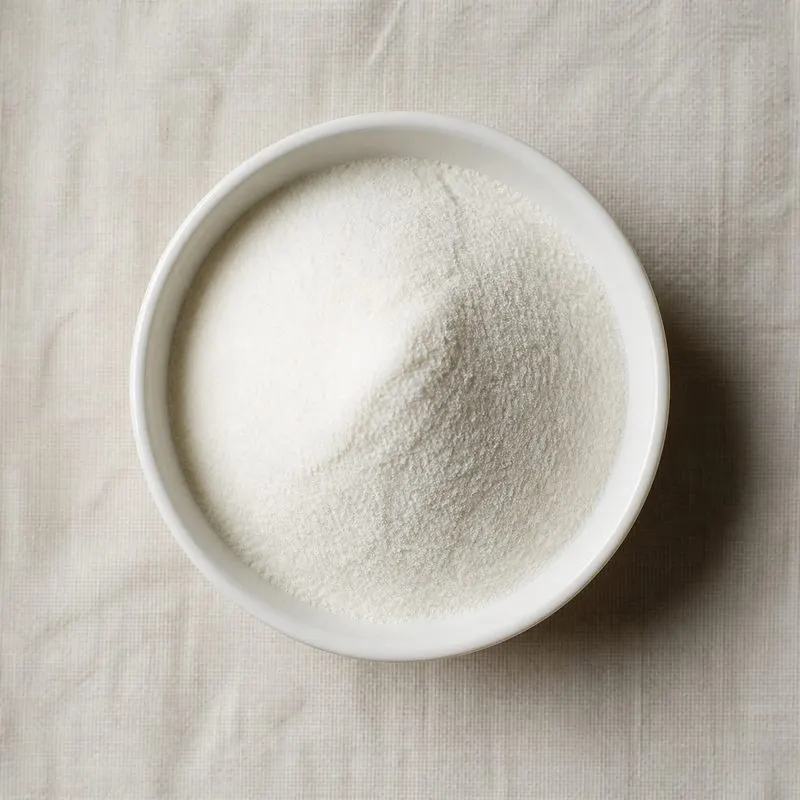
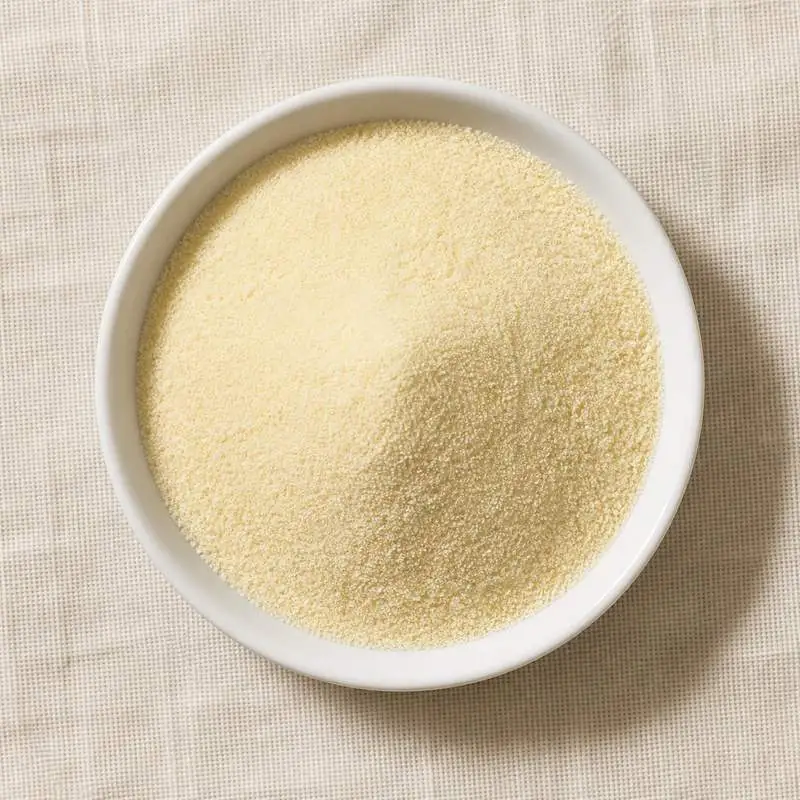
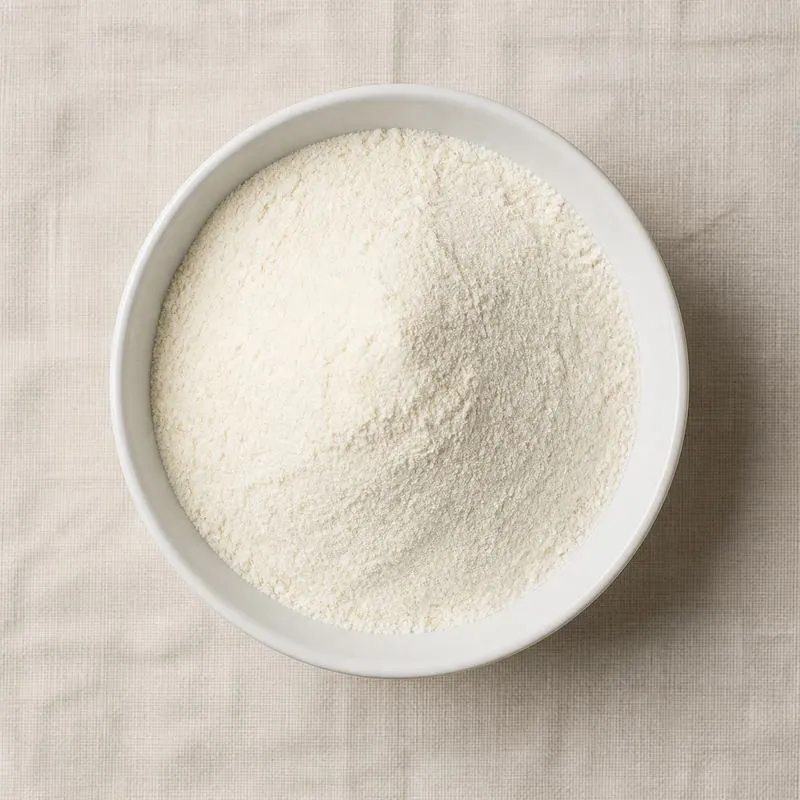
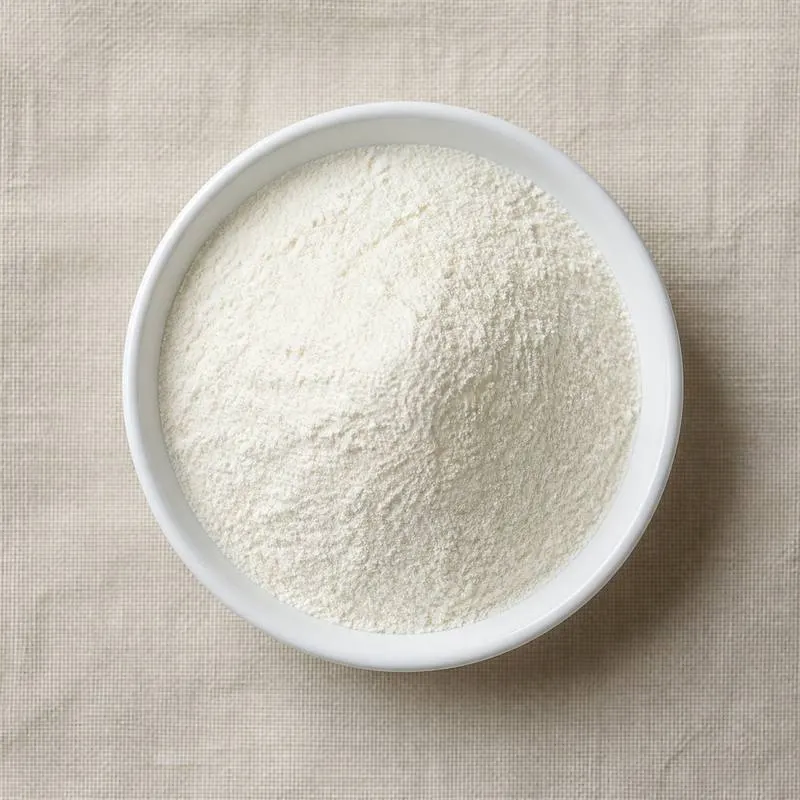
The powder is white to light beige, freely soluble in cold and hot water at 10 percent and above without gelling, since hydrolysis has destroyed the gelling capacity of the parent collagen. Solutions are clear to slightly cloudy, low in viscosity, stable across pH 3 to 7 and through pasteurisation, which is why the material can be dosed into acid fruit drinks. It is entirely distinct in mechanism and in dosage from undenatured or native type II collagen, which is deliberately not hydrolysed.
We source bulk Hydrolyzed Collagen Type Ii from top China manufacturers for our partners. The manufacturer is in Hubei. A smaller requirement can ship in a combined container with other ingredients.
Please send the grade you need, the volume and your destination port, and we will come back with a solution and a price.
or call +86-21-6858 0751
- Function
- Protein
Specifications
| Item | Specification |
|---|---|
| Appearance | White to light beige fine powder |
| Odour and Taste | Slight characteristic odour, bland to slightly savoury |
| Protein (N x 6.25, dry basis) | Minimum 85.0% |
| Hydroxyproline | Minimum 8.0% |
| Chondroitin Sulphate | Minimum 5.0% |
| Average Molecular Weight | 1,000 to 5,000 Da |
| Loss on Drying | Maximum 7.0% |
| Ash | Maximum 8.0% |
| pH (1% solution) | 5.0 to 7.0 |
| Lead | Maximum 0.5 mg/kg |
| Arsenic | Maximum 0.5 mg/kg |
| Total Plate Count | Maximum 3,000 cfu/g |
| Yeast and Mould | Maximum 50 cfu/g |
| Escherichia coli and Salmonella | Absent in 25 g |
Common Markets Grades
The commercial split is between hydrolysed and undenatured material, and the two should not be treated as variants of one product. Hydrolysed grades are dosed in grams and specified on peptide molecular weight, typically an average between 1000 and 5000 Daltons, while undenatured type II collagen is dosed in milligrams and specified on the content of intact, correctly folded triple helix.
Within hydrolysed grades, grades differ in protein content, usually 85 percent or more on a dry basis, average molecular weight, and the declared content of the accompanying cartilage matrix components, chondroitin sulphate and hyaluronic acid. Source is stated as well: chicken sternal cartilage is the main feedstock, with bovine tracheal cartilage used where a non poultry origin is needed. Halal and kosher certified lots, and instantised granulations for stick packs and cold water dissolution, are offered as separate specifications rather than as the standard powder.
Applications
- Joint health supplements in capsule, tablet and sachet form, the dominant application for the ingredient
- Powdered drink mixes and stick packs combining collagen peptides with glucosamine, chondroitin and vitamin C
- Ready to drink beauty and mobility shots, where full solubility in an acid base is required
- Sports nutrition products aimed at connective tissue recovery in training populations
- Elderly and mobility focused nutrition formats, often combined with vitamin D and calcium
- Functional gummies and chews, where the low viscosity of the hydrolysate does not disturb the gelatin or pectin gel
- Protein and nutrition bars, contributing protein content together with a positioning claim
- Skincare and topical formulations, used as a film forming and moisture binding peptide
- Companion animal joint supplements, particularly for large breed and senior dogs
- Fortified dairy and yoghurt drinks in Asian functional beverage ranges
Brands Using Hydrolyzed Collagen Type Ii
Widely-distributed consumer products that list Hydrolyzed Collagen Type Ii on the ingredient label.
- NutricostBioCell Collagen ↗Each serving provides 1,000 mg of BioCell Collagen, a hydrolysed type II collagen.Label verified 2026-08-31
- Vital ProteinsCartilage Collagen Capsules ↗Capsule sourced from cartilage and described as rich in type II collagen peptides along with glycosaminoglycans and chondroitin sulphate.Label verified 2026-08-31
- NeoCellJoint Complex Collagen Type 2 + Hyaluronic Acid, 120 Capsules ↗Each serving delivers 2000 mg of chicken sternum material containing collagen type II peptides plus 60 mg of hyaluronic acid.Label verified 2026-08-31
Brand names, product names and logos are the property of their owners. They appear here as published evidence that the ingredient is used, taken from the brand's own label or website. Their appearance is not an endorsement, and it does not mean the brand buys from us or from any manufacturer listed on this site.
China Manufacturers of Hydrolyzed Collagen Type Ii
Top Hydrolyzed Collagen Type Ii manufacturers in China.

Company names and logos are the property of the manufacturers themselves. They are listed here because our own directory records them as producing this ingredient. A listing is not an endorsement by them, and we do not represent them or speak on their behalf.
Regulatory Status
In the United States collagen hydrolysates are conventional food ingredients used under good manufacturing practice, and type II collagen preparations are marketed as dietary ingredients under the Dietary Supplement Health and Education Act. Several collagen ingredients have been the subject of generally recognised as safe conclusions covering food use, and a chicken derived hydrolysate placed in food would rest on such a determination for the specific source and process. Poultry raw material must come from establishments under Food Safety and Inspection Service inspection, and any structure or function claim made on a supplement label requires substantiation and the statutory disclaimer.
In the European Union collagen intended for human consumption is covered by the specific hygiene requirements for products of animal origin, which set out approved raw materials, treatment conditions and health marking for collagen production. Collagen hydrolysates from established food species are treated as food ingredients rather than novel foods, and they carry no E number since they are not additives. Health claims relating to joints may only be made if authorised on the European Union register, and no such claim is currently authorised for collagen peptides, so European product positioning relies on nutrition labelling rather than function claims. Codex has no additive specification for the material.
Manufacturing Process
The raw material is cartilage trim, principally chicken sternum and keel cartilage recovered at poultry processing, which is chilled, washed and mechanically cleaned of adhering meat, fat and membrane. The cleaned cartilage is milled and defatted, then pretreated, usually with a mild alkali or dilute acid wash, to swell the matrix and remove non collagenous protein and residual blood.
The swollen cartilage is then digested with food grade proteases in a stirred reactor at controlled pH and temperature, commonly a bacterial endoprotease with a plant protease such as papain, which cleaves the collagen chains into peptides of the target size. Where the grade must retain chondroitin sulphate, the process is run so as to release the proteoglycan into solution rather than strip it out. The digest is heated to inactivate the enzymes, then centrifuged and filtered to remove undigested solids and residual fat. The clarified liquor passes through activated carbon for colour and odour reduction, through ultrafiltration to fix the molecular weight window, and in some plants through ion exchange desalting. It is concentrated under vacuum, sterilised by a short high temperature hold, and spray dried into a fine powder that is sieved, metal checked and packed.