L-Magnesium Lactate
L-magnesium lactate is the magnesium salt of L-(+)-lactic acid, formula Mg(C3H5O3)2, normally traded as the dihydrate. It is used principally as a magnesium source for supplements and food fortification, and secondarily as an acidity regulator, and it is chosen over magnesium oxide and magnesium chloride because it is far better tolerated in the gut and carries none of the bitterness that limits how much of the chloride can be added.
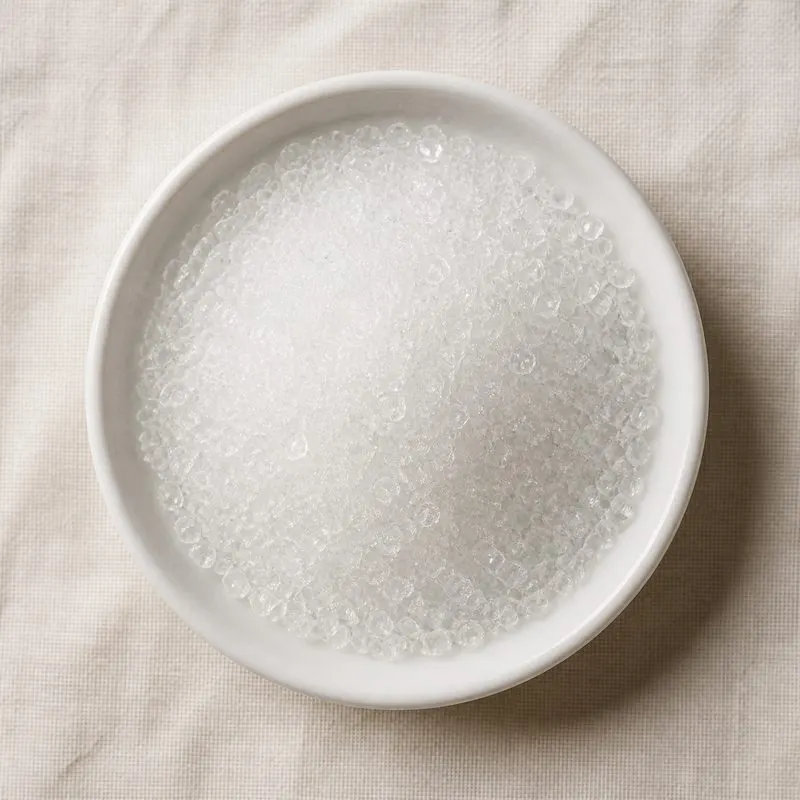
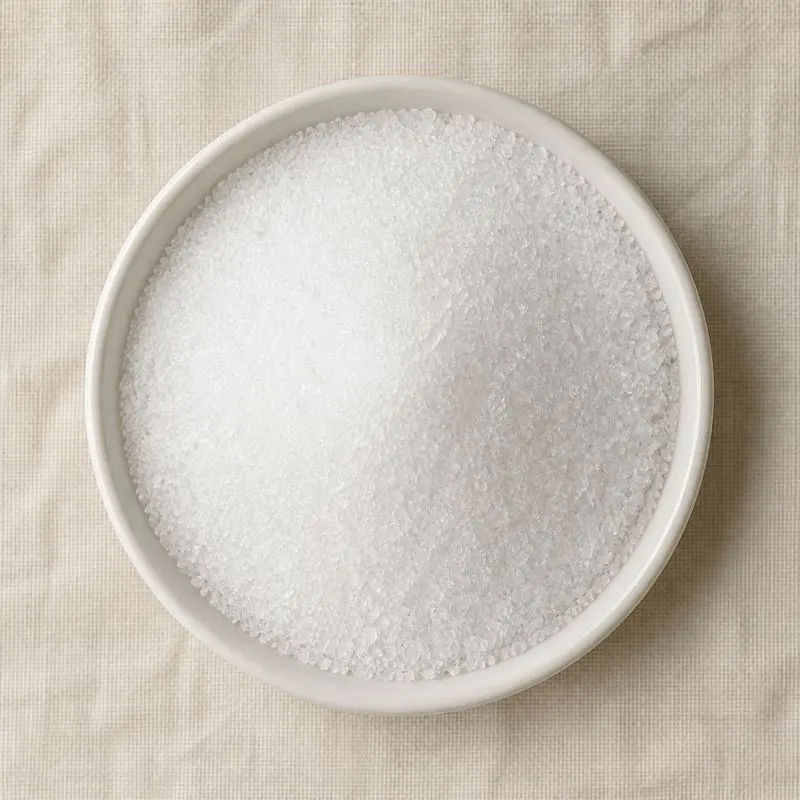
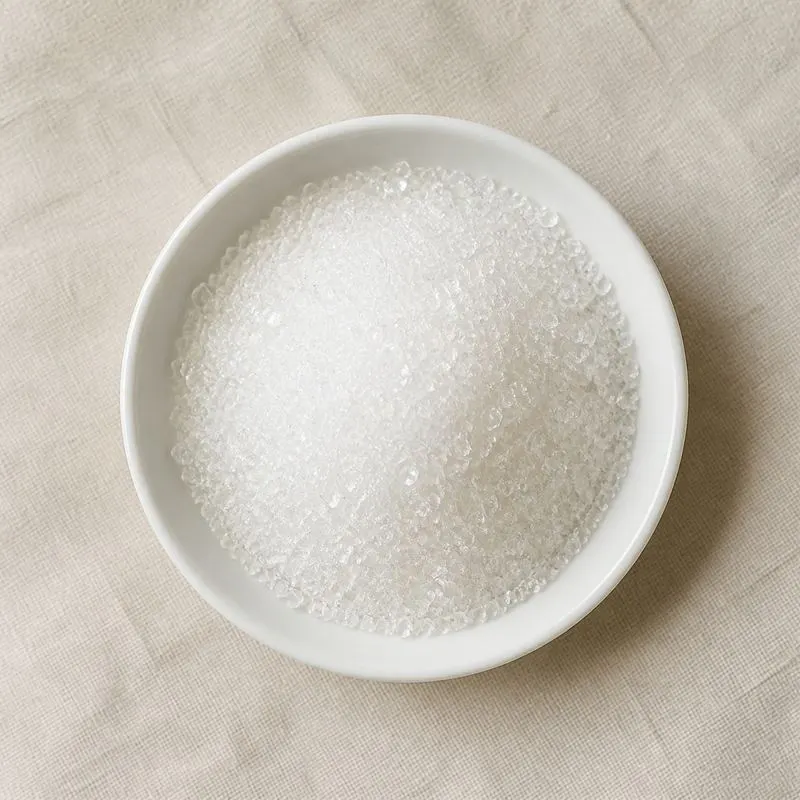
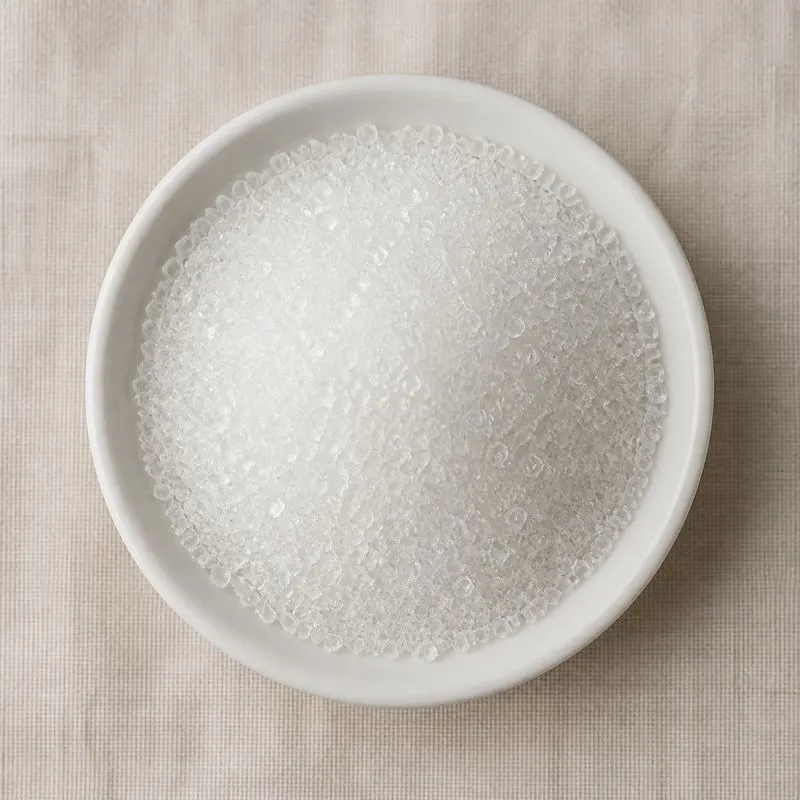
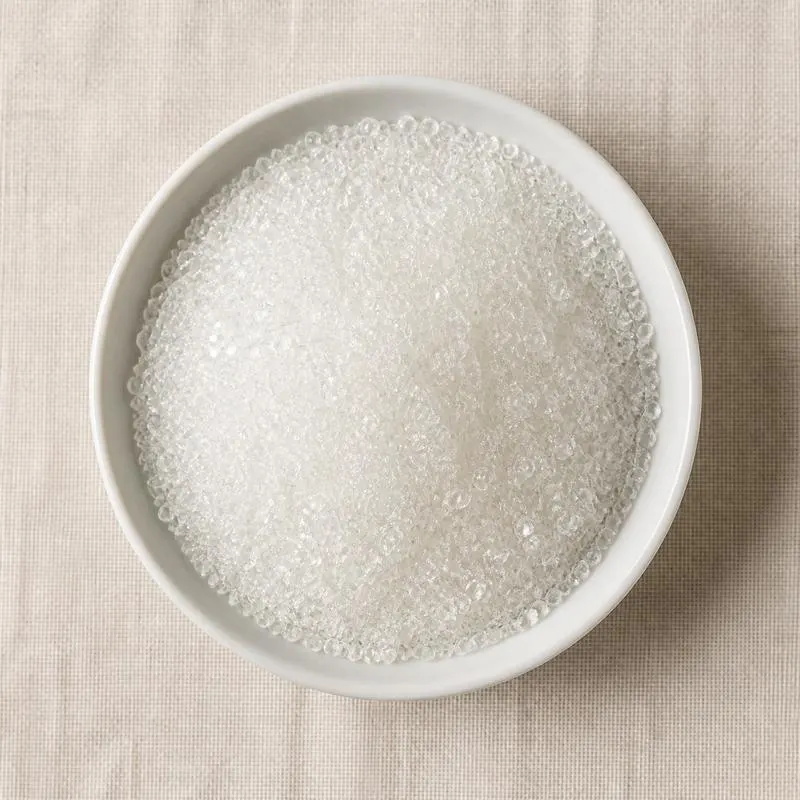
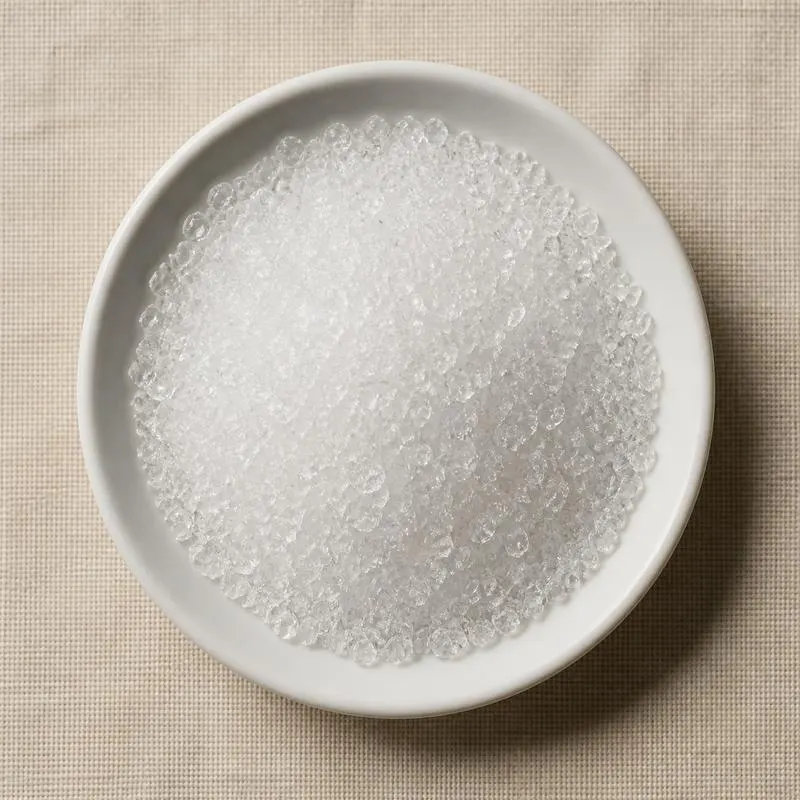
The material is a white to off-white crystalline powder or granule, odourless, with a bland and very slightly saline taste. Elemental magnesium content is roughly 9 to 12 percent depending on hydrate state, and that figure rather than the assay is what fortification is dosed against. Solubility in water is moderate, in the region of 3 to 6 g per 100 mL at room temperature, high enough for a clear beverage at fortification levels and improving with warmth and with lower pH.
Solutions are close to neutral, generally pH 6 to 8, which is part of the appeal in beverage work since the salt neither acidifies nor alkalises the product. The powder is only mildly hygroscopic, flows well, and is stable through tabletting, spray drying and beverage pasteurisation. The optically pure L form is specified for nutritional use because L-lactate is metabolised directly, whereas the racemic salt is accepted in general food and technical applications.
We source bulk L-Magnesium Lactate from top China manufacturers for our partners. The manufacturer is in Jiangxi. A smaller requirement can ship in a combined container with other ingredients.
Please send the grade you need, the volume and your destination port, and we will come back with a solution and a price.
or call +86-21-6858 0751
- Function
- Acidulant
Specifications
| Item | Specification |
|---|---|
| Appearance | White to off-white crystalline powder or granule |
| Assay, dried basis | Not less than 96.0 percent |
| Elemental Magnesium | 9.0 to 12.0 percent, declared per lot |
| Identification | Positive for magnesium and for lactate |
| Optical Purity, L isomer | Not less than 98.0 percent |
| Loss on Drying, 105 degrees Celsius | Not more than 18.0 percent as dihydrate |
| pH, 5 percent solution | 6.0 to 8.0 |
| Chloride | Not more than 0.05 percent |
| Sulphate | Not more than 0.05 percent |
| Lead | Not more than 2 mg per kg |
| Arsenic | Not more than 1 mg per kg |
| Total Plate Count | Not more than 1000 cfu per g |
| Yeast and Mould | Not more than 100 cfu per g |
| Salmonella | Absent in 25 g |
Common Markets Grades
Food and supplement grade L-magnesium lactate dihydrate at 96 percent minimum assay on the dried basis is the standard article, with elemental magnesium and optical purity both declared per lot. An anhydrous grade is traded where added water of crystallisation would shorten shelf life or promote caking, as in effervescent tablets and low moisture powders, and it carries a correspondingly higher magnesium content per kilogram. A pharmaceutical grade to pharmacopoeia monographs is produced for magnesium preparations with tighter microbiological and heavy metal limits.
Physical grades follow the dosage form. Fine milled powder is used in capsules, sachets and fortification premixes where fast dissolution matters. Granular and agglomerated material of roughly 30 to 80 mesh, made by fluid bed granulation, is specified for direct compression tabletting because flow and low friability decide tablet weight uniformity. A low lead grade is produced for infant and paediatric nutrition against the tighter trace element limits of that category.
Applications
- Magnesium supplement tablets and capsules, as the mineral source in single ingredient and multimineral products
- Sports and electrolyte drinks, as a magnesium source with a neutral taste and adequate solubility at beverage pH
- Effervescent tablets and drink sticks, as the magnesium carrier in the acid and bicarbonate system
- Fortified beverages and plant based milks, at levels supporting a magnesium nutrition claim without sediment
- Meal replacement and clinical nutrition powders, as a magnesium source with better gastric tolerance than the oxide
- Infant and follow-on formula, as a permitted magnesium source subject to the trace element limits of that category
- Bone and muscle health formulations combined with calcium, zinc and vitamin D3
- Bakery and dry mixes, as a mineral fortificant and minor acidity regulator
- Animal feed and pet supplements, as a palatable magnesium source in milk replacers and premixes
Brands Using L-Magnesium Lactate
Widely-distributed consumer products that list L-Magnesium Lactate on the ingredient label.
- SwansonMagnesium Lactate 84 mg ↗Capsules supplying 84 mg of elemental magnesium from magnesium lactate, sold as a lactose-free magnesium form.Label verified 2026-08-31
- Standard ProcessMagnesium Lactate ↗A two-tablet serving provides 200 mg of magnesium, with magnesium lactate and calcium stearate as the only listed ingredients.Label verified 2026-08-31
Brand names, product names and logos are the property of their owners. They appear here as published evidence that the ingredient is used, taken from the brand's own label or website. Their appearance is not an endorsement, and it does not mean the brand buys from us or from any manufacturer listed on this site.
China Manufacturers of L-Magnesium Lactate
Top L-Magnesium Lactate manufacturers in China.

Company names and logos are the property of the manufacturers themselves. They are listed here because our own directory records them as producing this ingredient. A listing is not an endorsement by them, and we do not represent them or speak on their behalf.
Regulatory Status
In the United States magnesium lactate is used as a magnesium source for nutrient addition to conventional foods and in dietary supplements, and it is recognised as a permitted magnesium source for that purpose. 21 CFR 184.1061 affirms lactic acid itself as generally recognised as safe, and magnesium salts are accepted nutrient sources for fortification, so the compound is normally handled as a nutrient resting on the supplier's own determination rather than under a dedicated food additive regulation of its own. A pharmacopoeial monograph covers the pharmaceutical grade.
In the European Union Regulation (EC) No 1333/2008 authorises magnesium lactate as food additive E 329, with identity and purity criteria set in Regulation (EU) No 231/2012, where it functions as an acidity regulator. Directive 2002/46/EC separately lists it among the mineral substances permitted in the manufacture of food supplements, and Regulation (EC) No 1925/2006 lists it among the magnesium sources that may be added to foods. JECFA has evaluated the lactate salts and concluded that no numerical limit is required, and magnesium lactate is listed in the Codex General Standard for Food Additives as an acidity regulator.
Manufacturing Process
Production runs downstream of lactic acid fermentation. A refined carbohydrate feedstock, usually glucose from maize or cassava starch, is fermented anaerobically with homofermentative Lactobacillus strains selected to give L-lactic acid at high optical purity, with the broth neutralised as it runs to keep the culture from being inhibited by its own acid. The broth is heated to kill the organism and clarified by centrifugation and membrane filtration to strip biomass and residual protein, and the free acid is recovered, decolourised over activated carbon and polished on ion exchange resin.
The purified acid is then neutralised with a magnesium base. Magnesium hydroxide or light magnesium oxide is slurried into the acid solution under agitation, with magnesium carbonate used where carbon dioxide evolution is acceptable and the vessel is vented. The reaction is held until the base is fully consumed, since unreacted oxide raises pH and leaves grit in the finished powder, and the end point is set on pH rather than on charge weight. The liquor is filtered clear, concentrated under vacuum, then either crystallised by controlled cooling and centrifuged to give the dihydrate, or taken directly to a spray dryer. Dried material is milled to the target particle size and screened, with granular grades made by agglomerating the powder in a fluid bed with a small quantity of aqueous binder before final drying and packing.