L-Zinc Lactate
L-zinc lactate is the zinc salt of L-(+)-lactic acid, formula Zn(C3H5O3)2, usually traded as the trihydrate. It is used almost entirely as a nutritional zinc source and as an active in oral care. It is chosen over zinc oxide and zinc sulphate because it is markedly less astringent and less metallic in the mouth, which is what allows it to be dosed into a lozenge, a chewable tablet or a toothpaste at a functional level.
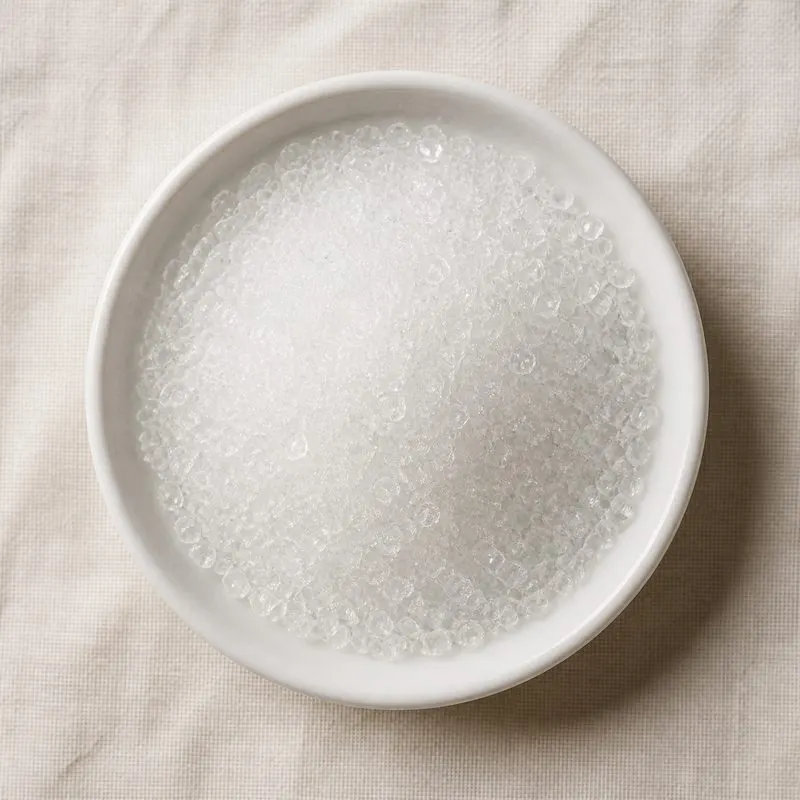
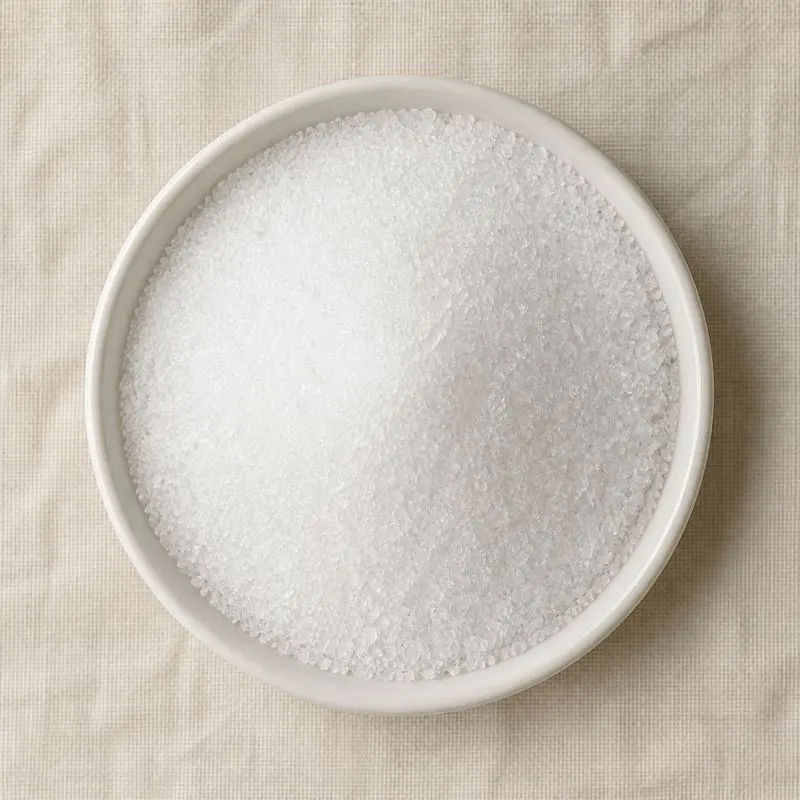
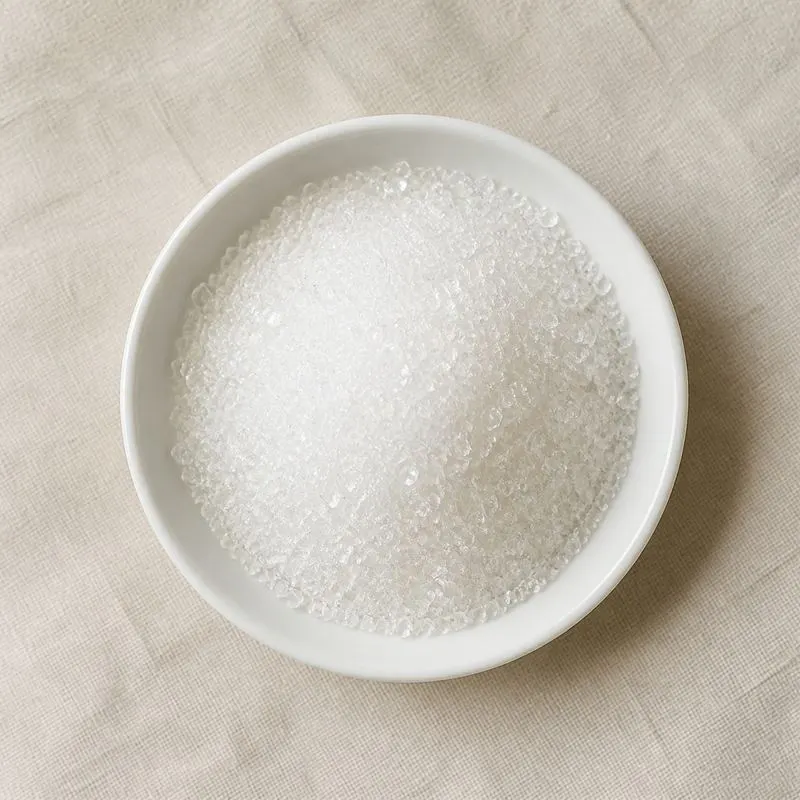
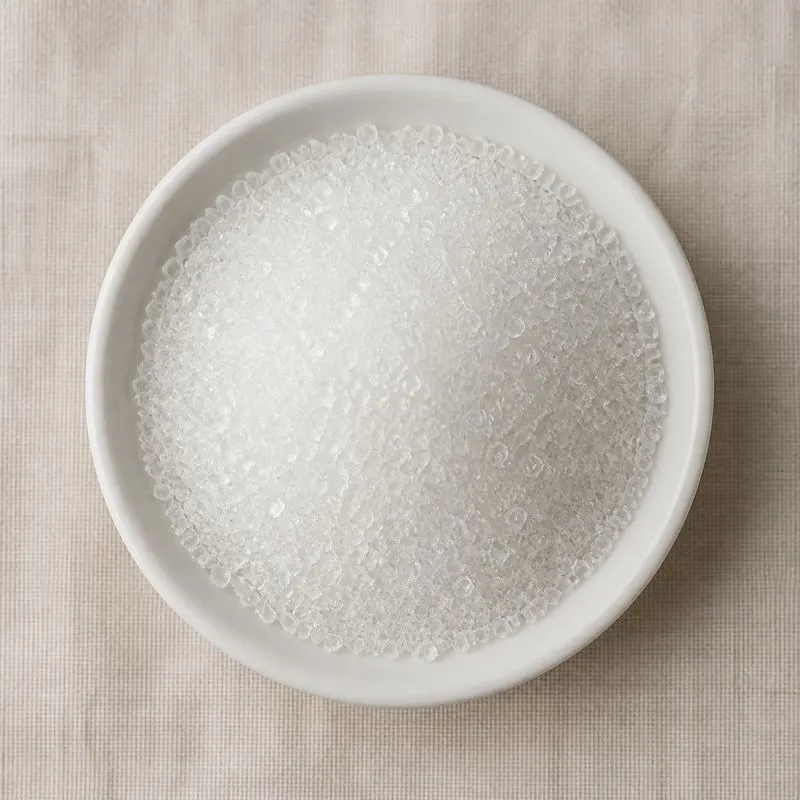
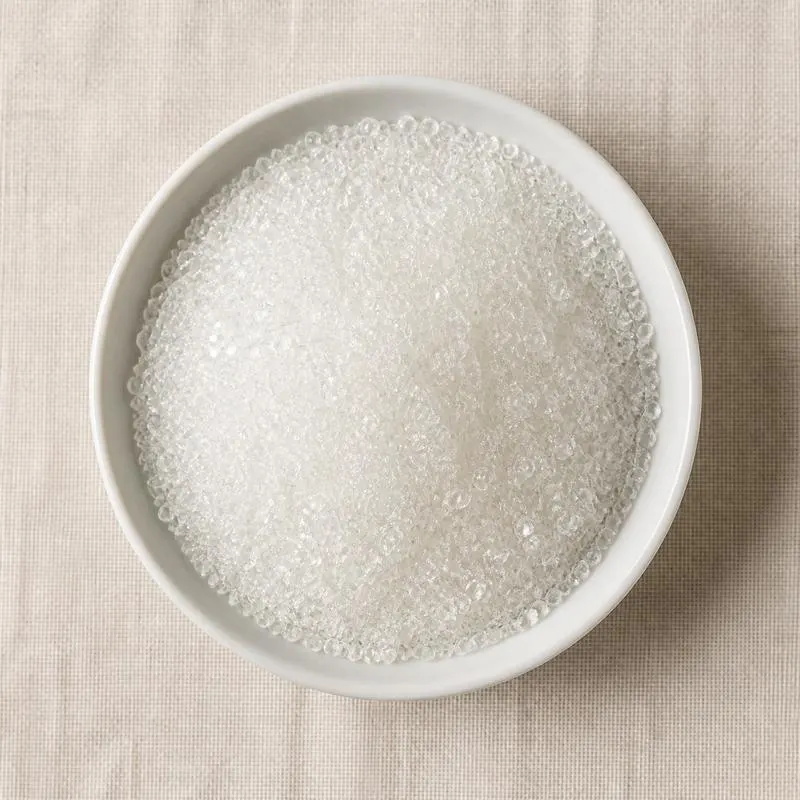
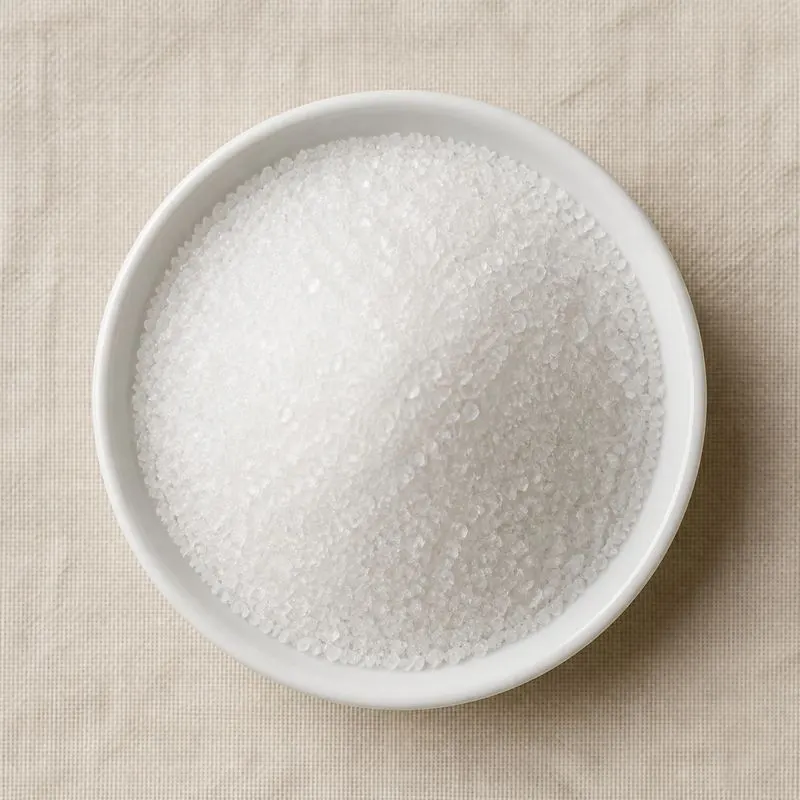
The commercial material is a white to off-white crystalline powder, odourless, with a mild and faintly astringent taste. Elemental zinc content runs at roughly 20 to 26 percent depending on hydrate state, and that figure rather than the assay is what fortification is dosed against. Solubility in water is modest at neutral pH, in the region of 2 to 5 g per 100 mL, and improves as pH falls, so the salt dissolves readily in acidified systems and disperses rather than dissolves in neutral ones.
Solutions are close to neutral, generally pH 5.5 to 7.5. The powder is stable at ambient temperature and humidity, non-hygroscopic, and survives tabletting, drying and pasteurisation without discolouration. Zinc ions bind readily to volatile sulphur compounds, which is the mechanism behind its use against oral malodour and is unrelated to its nutritional role.
We source bulk L-Zinc Lactate from top China manufacturers for our partners. The manufacturer is in Jiangxi. A smaller requirement can ship in a combined container with other ingredients.
Please send the grade you need, the volume and your destination port, and we will come back with a solution and a price.
or call +86-21-6858 0751
- Function
- Acidulant
Specifications
| Item | Specification |
|---|---|
| Appearance | White to off-white crystalline powder |
| Assay, dried basis | Not less than 98.0 percent |
| Elemental Zinc | 20.0 to 26.0 percent, declared per lot |
| Identification | Positive for zinc and for lactate |
| Optical Purity, L isomer | Not less than 98.0 percent |
| Loss on Drying, 105 degrees Celsius | Not more than 20.0 percent as trihydrate |
| pH, 2 percent dispersion | 5.5 to 7.5 |
| Cadmium | Not more than 1 mg per kg |
| Lead | Not more than 2 mg per kg |
| Arsenic | Not more than 1 mg per kg |
| Mercury | Not more than 1 mg per kg |
| Total Plate Count | Not more than 1000 cfu per g |
| Yeast and Mould | Not more than 100 cfu per g |
| Salmonella | Absent in 25 g |
Common Markets Grades
Food and supplement grade L-zinc lactate at 98 percent minimum assay on the dried basis is the standard article, with elemental zinc and optical purity declared separately per lot. Oral care grade carries the same assay but tighter limits on heavy metals, particularly cadmium and lead, which occur naturally alongside zinc in its ores and are the trace elements that most often fail a specification. A pharmaceutical grade to compendial monographs is produced for zinc preparations.
Physical grades follow the dosage form. Fine milled powder is used in capsules, sachets and toothpaste, where the particle must disperse without grittiness. Granular and agglomerated material of roughly 30 to 80 mesh is specified for direct compression tabletting and for lozenges, where flow and low friability control weight uniformity. A low cadmium grade is produced for infant and paediatric nutrition, made from a zinc feedstock selected and tested against the tighter trace element limits of that category.
Applications
- Zinc supplement tablets, capsules and lozenges, as the mineral source with the least metallic aftertaste
- Toothpaste, mouthwash and chewing gum, as an active against oral malodour by binding volatile sulphur compounds
- Immune support and cold remedy lozenges, where the salt must dissolve slowly in the mouth without astringency
- Fortified beverages and functional drinks, using the improved solubility at low pH
- Meal replacement and clinical nutrition powders, as the zinc component of a mineral premix
- Infant and follow-on formula, as a permitted zinc source subject to the trace element limits of that category
- Multimineral and bone health blends, combined with calcium, magnesium and vitamin D3
- Skin and wound care preparations, using the mild astringency and the antimicrobial behaviour of zinc
- Animal feed and pet supplements, as a bioavailable and palatable zinc source
Brands Using L-Zinc Lactate
Widely-distributed consumer products that list L-Zinc Lactate on the ingredient label.
- ColgateTotal Active Prevention Mouthwash, Peppermint ↗Zinc lactate is listed sixth among the inactive ingredients, after poloxamer 407 and ahead of flavour, in this cetylpyridinium chloride mouthwash.Label verified 2026-08-31
- ColgateTotal Gum Health Mouthwash, Clean Mint ↗The inactive ingredient list runs water, glycerin, propylene glycol, sorbitol, poloxamer 407 and zinc lactate.Label verified 2026-08-31
Brand names, product names and logos are the property of their owners. They appear here as published evidence that the ingredient is used, taken from the brand's own label or website. Their appearance is not an endorsement, and it does not mean the brand buys from us or from any manufacturer listed on this site.
China Manufacturers of L-Zinc Lactate
Top L-Zinc Lactate manufacturers in China.

Company names and logos are the property of the manufacturers themselves. They are listed here because our own directory records them as producing this ingredient. A listing is not an endorsement by them, and we do not represent them or speak on their behalf.
Regulatory Status
In the United States zinc lactate is used as a zinc source in dietary supplements and for nutrient addition to conventional foods, and it is recognised as a permitted zinc source for that purpose. 21 CFR 184.1061 affirms lactic acid itself as generally recognised as safe, and zinc salts are accepted nutrient sources for fortification, so the compound is normally handled as a nutrient resting on the supplier's own determination rather than under a dedicated food additive regulation of its own. Its use in oral care products falls under the separate framework governing dentifrices and cosmetics.
In the European Union Directive 2002/46/EC lists zinc lactate among the mineral substances that may be used in the manufacture of food supplements and Regulation (EC) No 1925/2006 lists it among the zinc sources permitted for addition to foods, and the European Food Safety Authority has evaluated it as a source of zinc. It is a nutrient source rather than a food additive, so no E number attaches to it, although lactic acid used as an additive is E 270. Its use in chewing gum for oral malodour and in cosmetic dentifrices is covered by the relevant additive and cosmetic frameworks. JECFA has evaluated the lactate salts and concluded that no numerical limit is required.
Manufacturing Process
Manufacture starts from L-lactic acid produced by anaerobic fermentation of a carbohydrate feedstock, usually glucose from maize or cassava starch, using homofermentative Lactobacillus strains selected for high optical purity of the L isomer. The broth is neutralised as fermentation runs, then heated to kill the culture and clarified by centrifugation and membrane filtration. The free acid is recovered, decolourised over activated carbon and polished on ion exchange resin, since carried-over colour and trace metals show up directly in the finished salt.
The purified acid is then reacted with a zinc base. Zinc oxide is the usual feedstock, slurried into the warm acid solution under agitation, with zinc carbonate used where the vessel can be vented for carbon dioxide. The choice of zinc feedstock mainly decides the cadmium and lead content of the finished product, so a low trace metal oxide is specified for the nutritional grades. The reaction is taken to a slight excess of zinc so no free lactic acid remains, and the end point is set on pH; unreacted oxide and insolubles are then filtered off, since undissolved oxide would otherwise leave grit and raise the pH of the powder.
The clear liquor is concentrated under vacuum at moderate temperature and crystallised by controlled cooling, which grows the trihydrate. The slurry is centrifuged and the cake washed with clean condensate, then dried in a fluid bed at a temperature low enough to retain the water of crystallisation. Dried crystal is milled, screened to grade and packed, with granular grades agglomerated in a separate fluid bed pass.