Liposomal Glutathione
Liposomal glutathione is a delivery preparation in which reduced L-glutathione is enclosed within phospholipid vesicles, most often made from soy or sunflower lecithin, so that the tripeptide is presented to the gut inside a lipid bilayer rather than as a free water-soluble peptide. It reaches formulators either as a viscous aqueous liposome dispersion for liquid sachets and pumps, or as a spray dried or freeze dried powder in which the vesicles are held in a carbohydrate matrix that rehydrates on contact with water.
The reason for the format is that free glutathione is hydrolysed by gamma-glutamyl transpeptidase and intestinal peptidases and is poorly taken up intact, and that the free thiol oxidises readily in an aqueous product. A phospholipid bilayer shields the peptide from both, and the lecithin itself contributes phosphatidylcholine, which is a substrate for the same pathways.
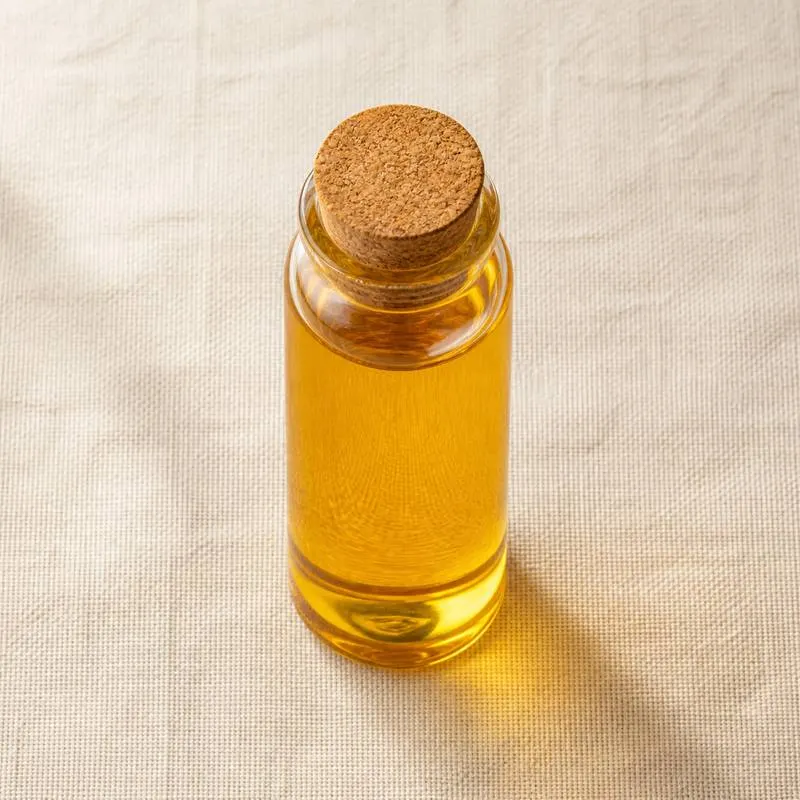
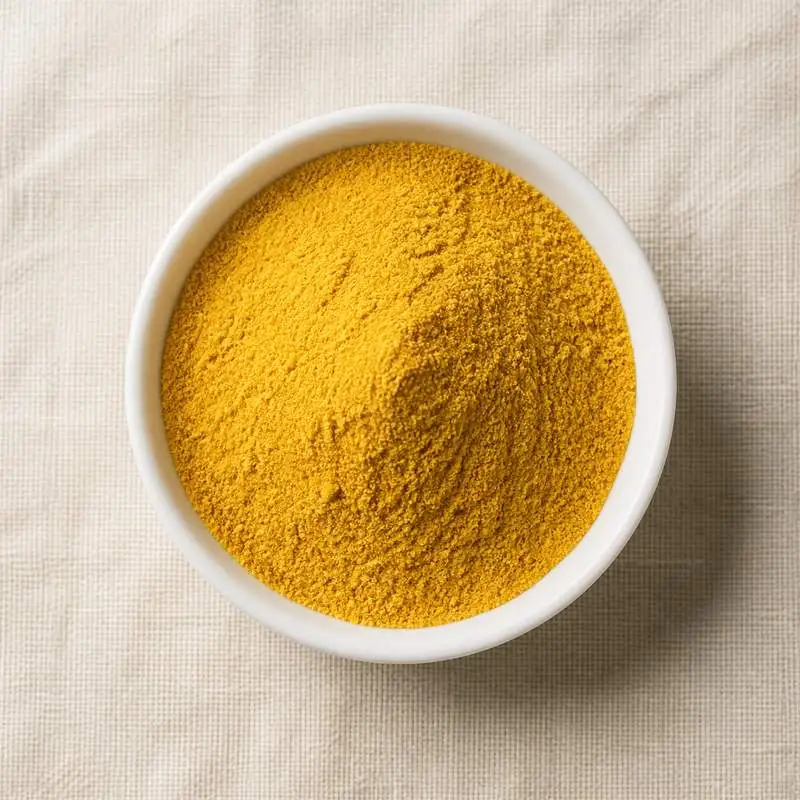
The finished material is a pale yellow to cream dispersion or a cream to light tan powder with a characteristic lecithin odour. Glutathione content is low compared with the crystalline peptide, commonly 5 to 20 percent of the dry weight, the balance being phospholipid, carrier sugars, glycerol and water. Dispersions require refrigeration, protection from freezing and a preservative or a low water activity system, since vesicle integrity is lost on freeze-thaw and on prolonged heating, while the dried powder is stable at ambient temperature if kept dry and sealed against oxygen.
We source bulk Liposomal Glutathione from top China manufacturers for our partners. The manufacturer is in Shanghai. A smaller requirement can ship in a combined container with other ingredients.
Please send the grade you need, the volume and your destination port, and we will come back with a solution and a price.
or call +86-21-6858 0751
- Function
- Nutraceutical
Specifications
| Item | Specification |
|---|---|
| Appearance, liquid | Pale yellow to cream opalescent dispersion, free from sediment |
| Appearance, powder | Cream to light tan free-flowing powder |
| Odour | Characteristic mild lecithin odour |
| Reduced glutathione assay by HPLC | Not less than 10.0 percent on the dried basis |
| Encapsulation efficiency | Not less than 80 percent |
| Mean vesicle diameter | 80 to 200 nanometres |
| Polydispersity index | Not more than 0.35 |
| Phosphatidylcholine content | Not less than 20 percent of the lipid fraction |
| Loss on drying, powder | Not more than 6.0 percent |
| pH of dispersion | 4.0 to 6.0 |
| Total plate count | Not more than 1000 cfu/g |
| Yeast and mould | Not more than 100 cfu/g |
| Escherichia coli | Absent in 1 g |
| Salmonella | Absent in 25 g |
Common Markets Grades
Two physical forms are traded. Liquid liposomal concentrates are specified on glutathione content per gram, phospholipid content, mean vesicle diameter measured by dynamic light scattering, polydispersity and zeta potential, and they are sold either as a finished dosing liquid or as a concentrate for dilution. Dried liposomal powders are specified on glutathione assay, residual moisture, reconstituted vesicle size and flow properties, and are the form used in capsules, tablets and stick packs.
Grades are further divided by phospholipid source, sunflower lecithin being offered where a soy-free and non-genetically-modified declaration is required, and by phosphatidylcholine content of that lecithin, which decides how tightly the vesicles form. Encapsulation efficiency, the proportion of the glutathione actually enclosed rather than free in the surrounding phase, is the specification point that most distinguishes suppliers, and a genuine liposomal grade is separated from a simple lecithin blend by that measurement together with vesicle size data.
Applications
- Liquid supplement sachets and pump bottles, the dominant format, dosed directly or diluted in water
- Softgel and hard capsule supplements built on the dried liposomal powder
- Stick packs and effervescent powders for daily antioxidant supplementation
- Oral sprays and buccal preparations aimed at absorption before the peptide reaches the stomach
- Liver support and detoxification formulations, combined with milk thistle extract and N-acetylcysteine
- Skin-tone and beauty-from-within drinks, usually formulated with vitamin C and collagen peptide
- Sports recovery products, where oxidative load after exertion is the marketing basis
- Ready-to-drink functional shots, the liposome protecting the thiol over the shelf life of the beverage
- Gel and paste formats for paediatric and geriatric dosing where tablets are unsuitable
Brands Using Liposomal Glutathione
Widely-distributed consumer products that list Liposomal Glutathione on the ingredient label.
- NutricostLiposomal Glutathione ↗A capsule delivering reduced glutathione in a liposomal phospholipid carrier.Label verified 2026-08-31
- Country LifeLiposomal Glutathione ↗A softgel supplement of glutathione encapsulated in liposomes for absorption.Label verified 2026-08-31
- Double Wood SupplementsLiposomal Glutathione Supplement ↗Capsules of liposomal glutathione sold as a standalone antioxidant supplement.Label verified 2026-08-31
- CodeageLiposomal Glutathione 1000 mg ↗A supplement supplying 1000 mg of glutathione per serving in a liposomal sunflower phospholipid delivery form.Label verified 2026-08-31
Brand names, product names and logos are the property of their owners. They appear here as published evidence that the ingredient is used, taken from the brand's own label or website. Their appearance is not an endorsement, and it does not mean the brand buys from us or from any manufacturer listed on this site.
China Manufacturers of Liposomal Glutathione
Top Liposomal Glutathione manufacturers in China.
Company names and logos are the property of the manufacturers themselves. They are listed here because our own directory records them as producing this ingredient. A listing is not an endorsement by them, and we do not represent them or speak on their behalf.
Regulatory Status
In the United States the two constituents are separately established: reduced glutathione is a lawful dietary ingredient and has been the subject of GRAS notifications for defined food uses, and lecithin is affirmed as generally recognised as safe as a food substance. A liposomal preparation is treated as a formulation of those ingredients rather than as a new substance, and it is marketed as a dietary supplement under the Dietary Supplement Health and Education Act. Claims are limited to structure and function statements with the required disclaimer, and the word liposomal describes the format rather than giving it any approved status.
In the European Union lecithins are authorised food additives with the number E 322, while glutathione has no E number and is used as an ingredient in supplements under the national rules of each member state. The European Commission has authorised no health claim relating to glutathione, following a European Food Safety Authority assessment, so the ingredient carries no claim in the Union. Where a liposomal preparation involves a production process not used for food production within the Union before May 1997, or presents the substance in a form with altered absorption, the preparation may fall within the scope of Regulation (EU) 2015/2283 on novel foods and require assessment before marketing. Codex has no standard covering liposomal delivery systems; JECFA has evaluated lecithin as an emulsifier and glutathione in its flavouring work.
Manufacturing Process
Manufacture starts from purified reduced glutathione and a food grade lecithin with a defined phosphatidylcholine content. The lecithin is hydrated in water, sometimes with a small proportion of ethanol or glycerol as a cosolvent, to form a coarse multilamellar dispersion, and the glutathione is dissolved in the aqueous phase with a chelating agent and, in most systems, an ascorbate to hold the thiol reduced. The coarse dispersion is then reduced in size, either by high pressure homogenisation through a microfluidiser at several hundred bar over multiple passes, or by extrusion through polycarbonate membranes of defined pore size, until the vesicle population reaches the target diameter, typically between 80 and 200 nanometres.
The whole train is run under nitrogen and at controlled low temperature to prevent oxidation of both the thiol and the unsaturated phospholipid. Unencapsulated glutathione may be removed by tangential flow filtration or left in place depending on the specification. The dispersion is then either filled directly as a liquid, with a preservative system and pH adjustment to the mildly acidic range, or blended with trehalose, maltodextrin or another lyoprotectant and converted to powder by freeze drying or by spray drying at a low outlet temperature, the sugar forming a glassy matrix that holds vesicle structure through dehydration. The powder is sieved and packed under nitrogen with an oxygen scavenger.