Low Temperature Soy Flake
Low temperature soy flake is the defatted soybean flake produced by desolventising the hexane extracted flake at low temperature, so that the protein remains largely undenatured and therefore still soluble. It is also called white flake, in contrast to the toasted or cooked flake produced by conventional high temperature desolventising, which is destined for animal feed.
The distinction is functional rather than compositional. Both flakes contain roughly 50 percent protein, but conventional desolventiser toaster processing uses live steam at high temperature to strip the solvent and simultaneously destroy the trypsin inhibitors, and in doing so it unfolds and cross-links the storage globulins so that they no longer dissolve. Low temperature processing removes the solvent under vacuum or with a flash desolventiser at moderate temperature, leaving a nitrogen solubility index typically above 80 and a protein dispersibility index above 70.
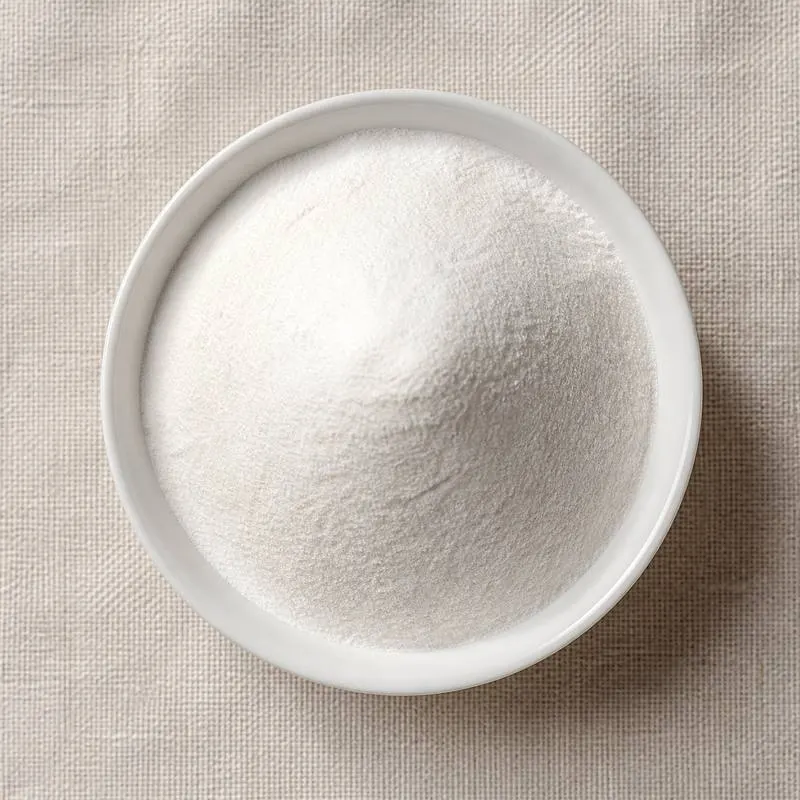
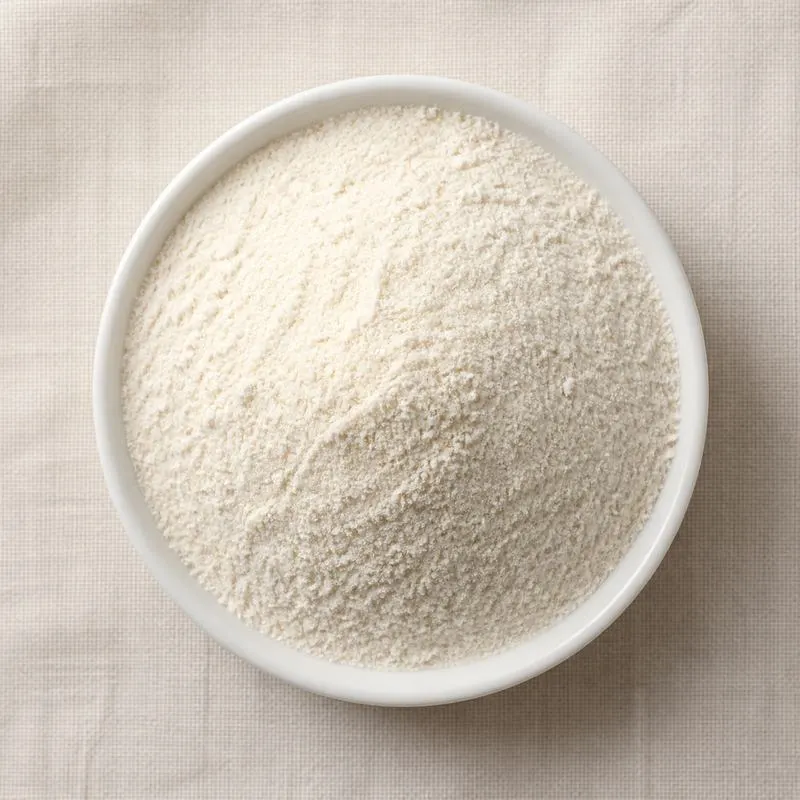
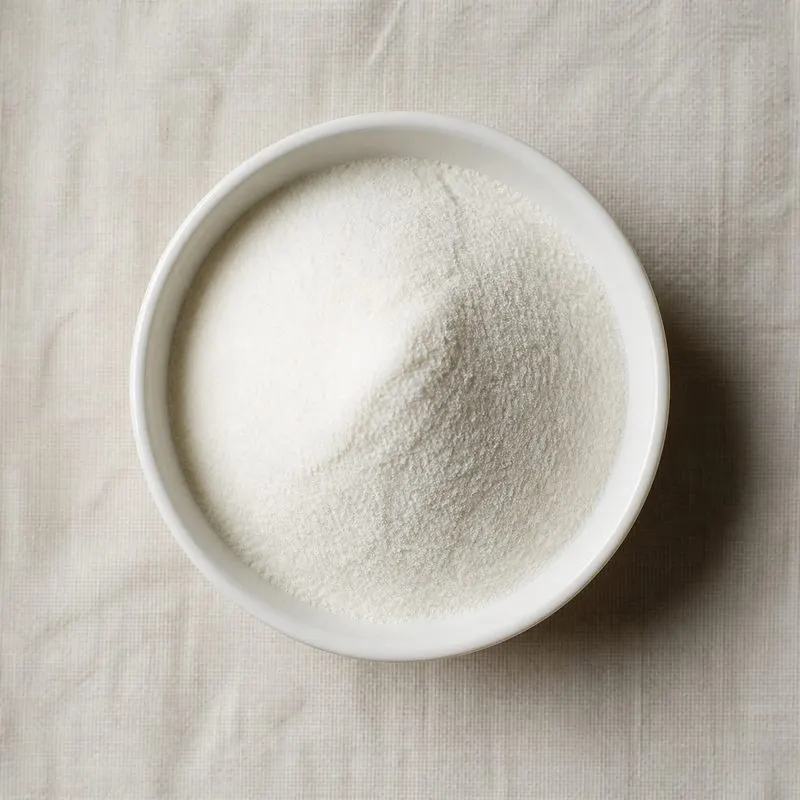
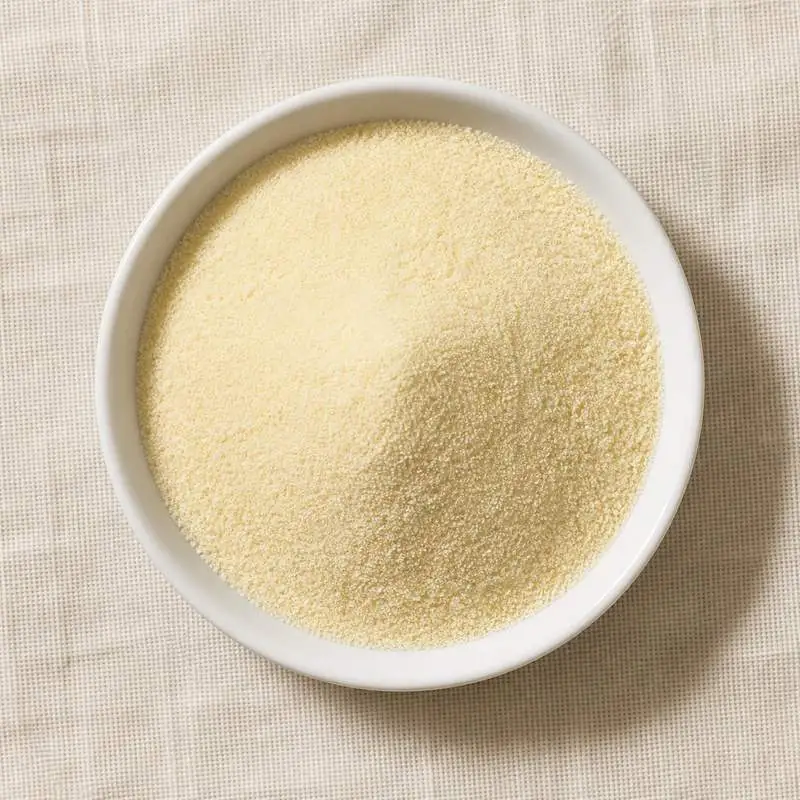
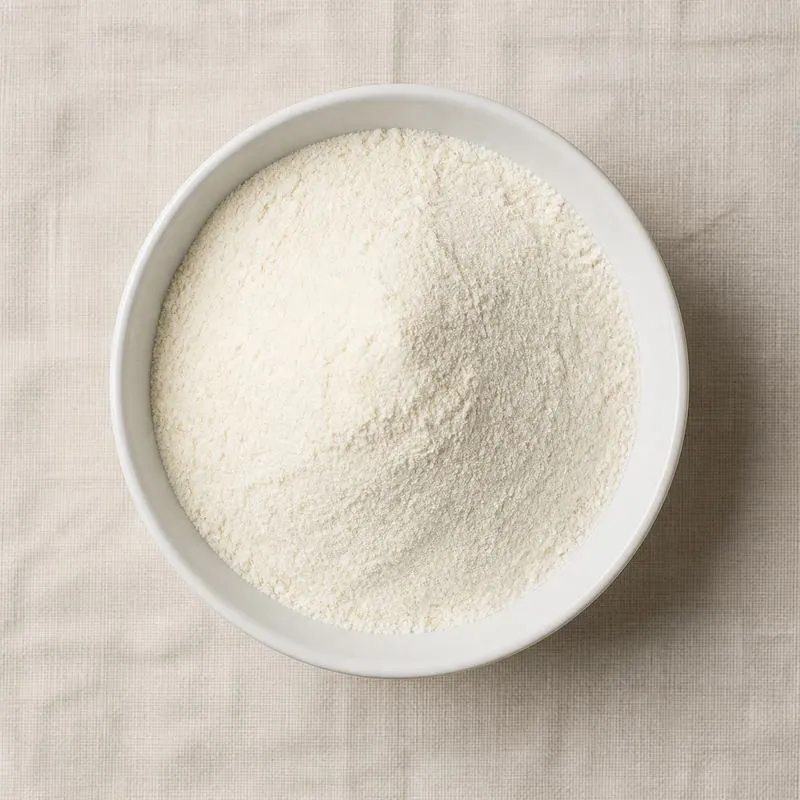
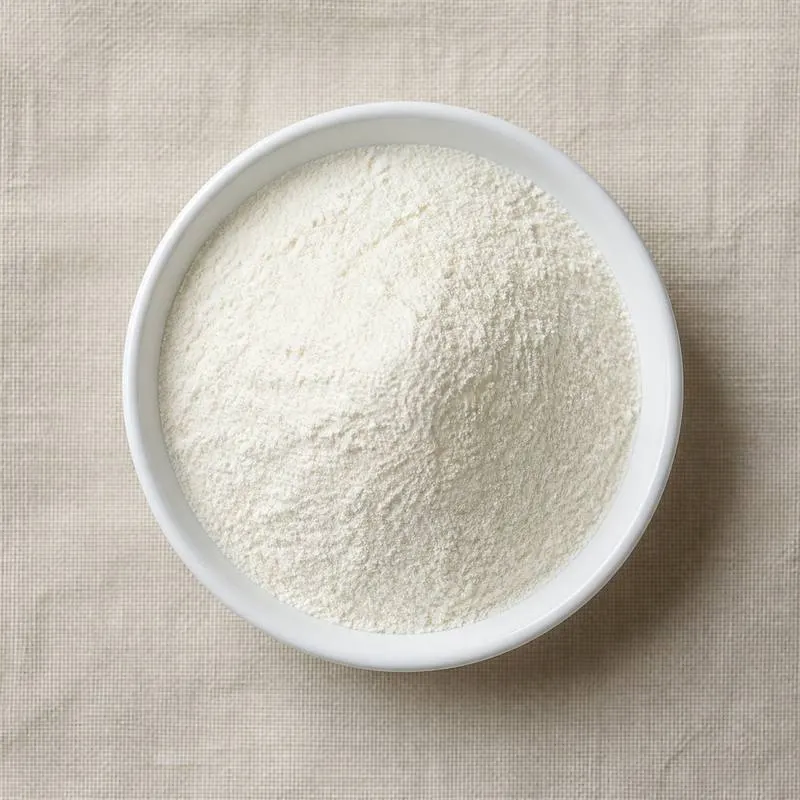
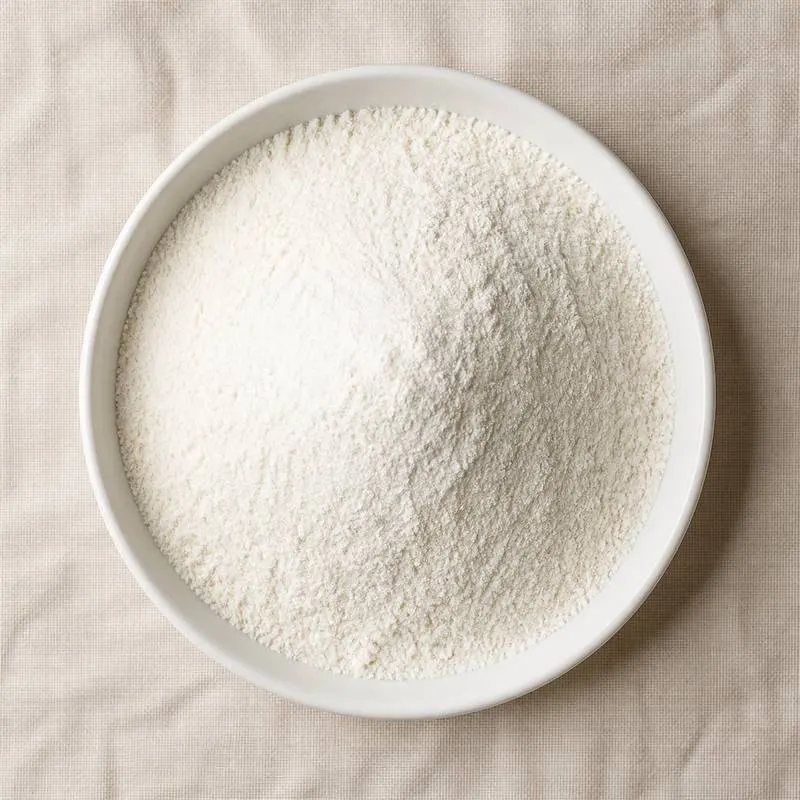
That retained solubility is why the flake exists as a traded item: it is the essential raw material for soy protein isolate and for functional soy protein concentrate, neither of which can be made from a toasted flake. It is a pale cream to light tan flake or coarse meal at 8 to 12 percent moisture, with a bland to faintly beany odour. Because the trypsin inhibitors have not been heat inactivated, it is not suitable for direct feeding or eating without further processing.
We source bulk Low Temperature Soy Flake from top China manufacturers for our partners, working with several of them. The manufacturers are in Shandong. A smaller requirement can ship in a combined container with other ingredients.
Please send the grade you need, the volume and your destination port, and we will come back with a solution and a price.
or call +86-21-6858 0751
- Function
- Protein
Specifications
| Item | Specification |
|---|---|
| Appearance | Pale cream to light tan flakes or coarse meal |
| Odour | Bland to faintly beany, free from rancid or scorched notes |
| Crude Protein, dry basis | ≥ 50.0% |
| Nitrogen Solubility Index | ≥ 80 |
| Protein Dispersibility Index | ≥ 70 |
| Moisture | ≤ 12.0% |
| Residual Fat | ≤ 1.0% |
| Crude Fibre | ≤ 4.0% |
| Ash | ≤ 7.0% |
| Residual Hexane | ≤ 10 mg/kg |
| Flake Thickness | 0.25 to 0.35 mm |
| Lead | ≤ 1.0 mg/kg |
| Arsenic | ≤ 1.0 mg/kg |
| Total Plate Count | ≤ 50,000 CFU/g |
| Yeast and Mould | ≤ 1,000 CFU/g |
| Salmonella | Absent in 25 g |
Common Markets Grades
The defining specification is nitrogen solubility index or protein dispersibility index, and grades are traded on that figure, with a minimum NSI of 80 or 85 typical for isolate feedstock and lower values acceptable where a partially denatured protein is wanted. Crude protein content, usually 50 to 54 percent on the dry basis, and residual fat, held below 1 percent, are the other headline figures.
Physical form ranges from full flake through cracked flake to coarse meal, chosen according to the extraction equipment downstream. Dehulled material, from which the seed coat has been removed before flaking, gives a higher protein and lower fibre flake and is standard for isolate production, while undehulled material carries more fibre. Non-GMO and identity preserved grades, traceable to segregated conventional soybeans, are traded at a premium, and organic certified flake produced by mechanical expelling rather than solvent extraction is a separate and more expensive category.
Applications
- Raw material for soy protein isolate, the principal outlet, where retained solubility is essential to the alkaline extraction step
- Functional soy protein concentrate manufacture, using aqueous alcohol or acid leaching of the flake
- Texturised vegetable protein production, where the flake is milled to flour and extruded
- Enzyme modified soy protein and soy peptide manufacture
- Defatted soy flour and grits for bakery, where undenatured protein contributes water binding and dough handling
- Soy protein hydrolysates and fermented soy ingredients such as soy sauce and fermented soy peptides
- Soy oligosaccharide and soy isoflavone extraction, using the soluble fraction leached from the flake
- Cell culture and fermentation media, as the source of soy peptone
- Industrial adhesives and paper coatings, where soy protein is used as a binder
China Manufacturers of Low Temperature Soy Flake
Top Low Temperature Soy Flake manufacturers in China.
 Shandong Sinoglory Health Food Co., Ltd.6 ingredients in the directory
 Shandong Wonderful Biotech Co., Ltd.8 ingredients in the directory
 Shandong Yuxin Bio-tech Co., Ltd.8 ingredients in the directory
Company names and logos are the property of the manufacturers themselves. They are listed here because our own directory records them as producing this ingredient. A listing is not an endorsement by them, and we do not represent them or speak on their behalf.
Regulatory Status
In the United States defatted soy flakes and the flours and grits made from them are used in food under the general food ingredient framework, and defatted soy flour is affirmed as generally recognised as safe. Hexane used in extraction is a permitted processing aid subject to a residual solvent limitation, and the flake is verified against that limit. Soy is a major food allergen requiring plain declaration on the label of any food containing it. Material destined for animal feed is covered by the animal food provisions and the relevant ingredient definitions.
In the European Union defatted soy flake is a food ingredient rather than a food additive, so it carries no E number, and hexane is an authorised extraction solvent under the extraction solvents directive, which sets the maximum residue permitted in the finished ingredient. Soybeans and products thereof appear in the list of substances causing allergies or intolerances that must be emphasised in the ingredient list. Genetically modified soy is subject to the traceability and labelling requirements for genetically modified food and feed, which is why identity preserved documentation accompanies non-GMO material. Codex Alimentarius covers the derived protein products in its General Standard for Soy Protein Products.
Manufacturing Process
Soybeans are cleaned, dried and cracked into pieces, then passed through aspiration to remove the hulls, since dehulling raises protein and lowers fibre in the finished flake. The dehulled meats are conditioned with heat and moisture to make them plastic, then rolled between smooth rolls into thin flakes of roughly 0.25 to 0.35 millimetres. Flake thickness is a critical control: too thick and the solvent cannot reach the oil, too thin and the flake fragments and blocks the extractor bed.
The flakes are extracted with hexane in counter current flow in a percolation extractor, which dissolves the oil and leaves a solvent wet marc containing the protein and carbohydrate. The miscella of oil and solvent goes to the oil refinery side of the plant.
Desolventising is the step that distinguishes this product. Instead of the conventional desolventiser toaster, which uses direct live steam at high temperature and denatures the protein, the wet flake is desolventised under vacuum at moderate temperature, or in a flash desolventiser system in which superheated hexane vapour strips the residual solvent in seconds with minimal thermal load. The flake is then cooled, and residual solvent is verified against a tight limit. The finished white flake is screened, and either shipped as flake or milled to grits or flour, with the nitrogen solubility index measured on every lot as the release test.