Magnesium L-Malate
Magnesium L-malate is the magnesium salt of L-(+)-malic acid, a chelated mineral compound in which one magnesium ion is paired with the dicarboxylate of malic acid. It is used almost entirely as a nutritional magnesium source rather than as a technical additive, valued because the malate anion is itself a tricarboxylic acid cycle intermediate and because the salt is milder on the gut than magnesium oxide or chloride at equivalent elemental doses.
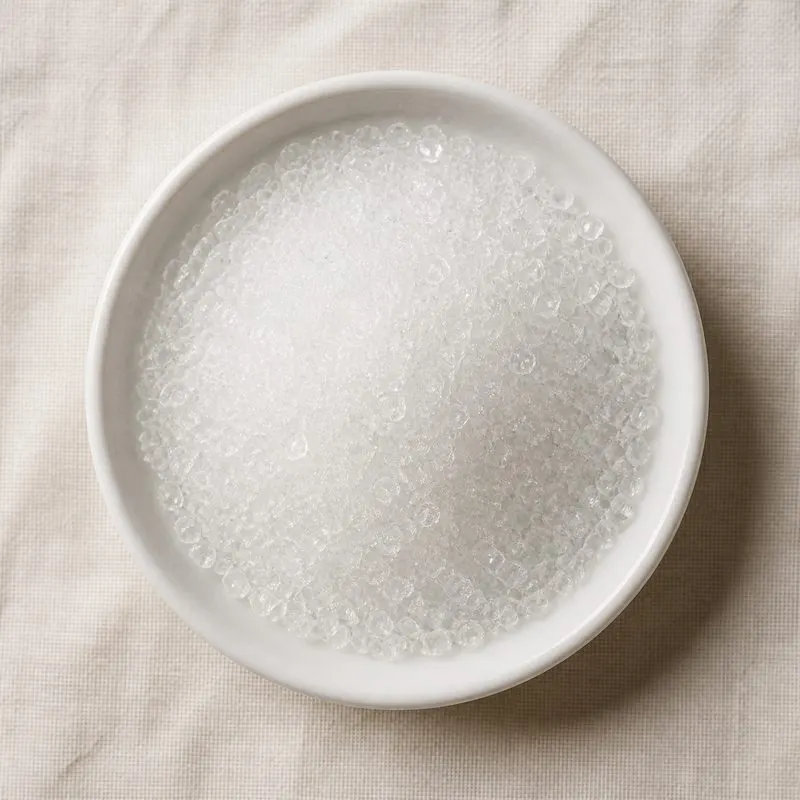
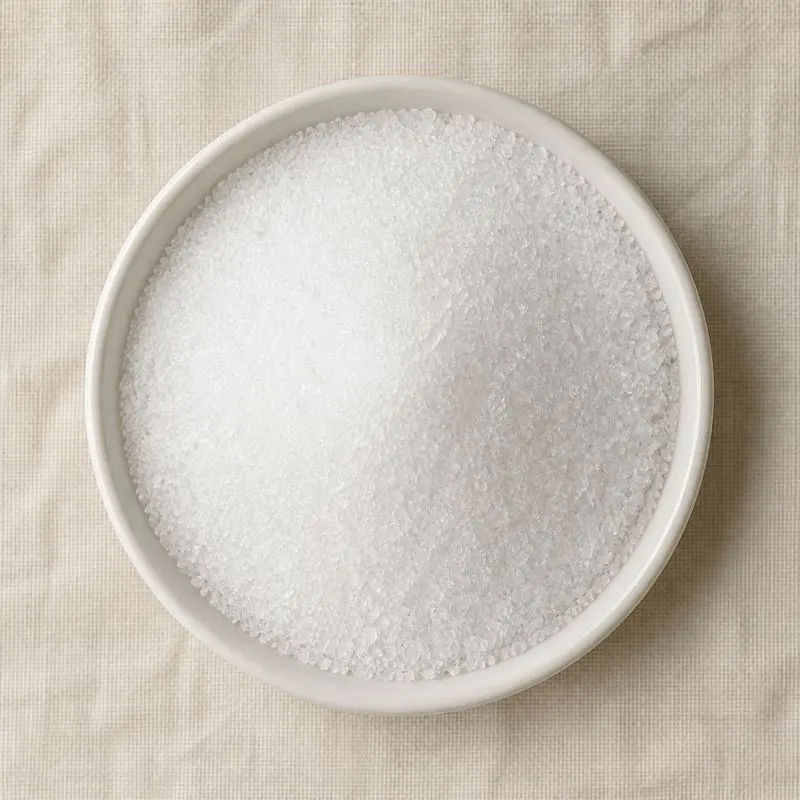
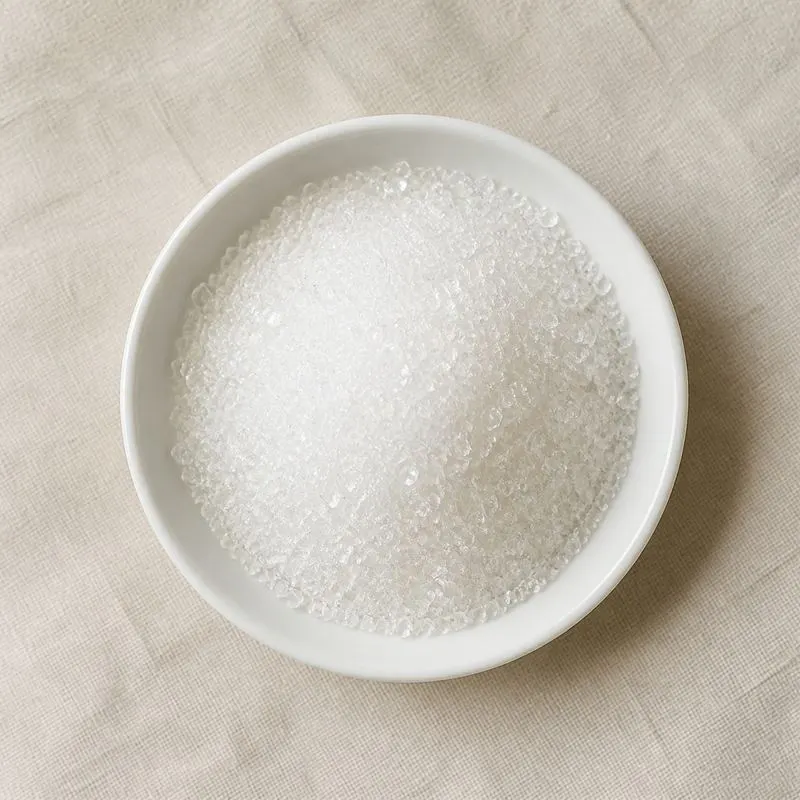
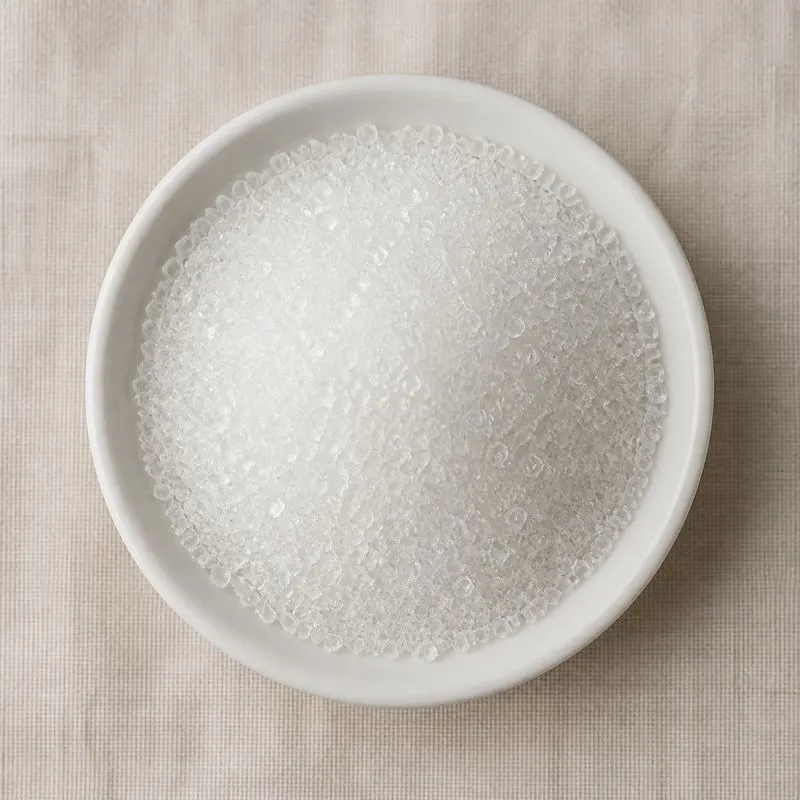
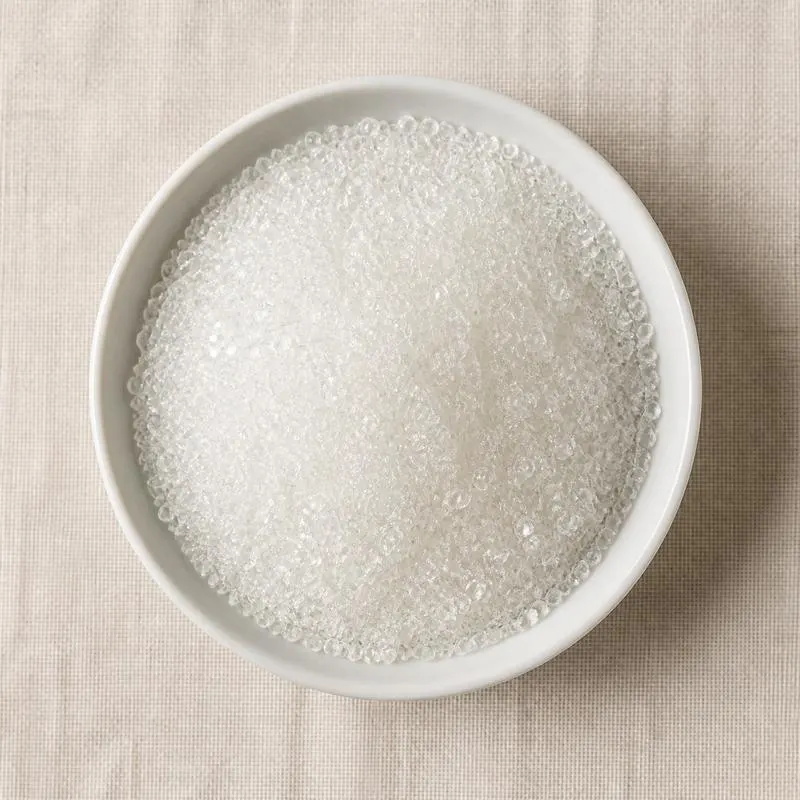
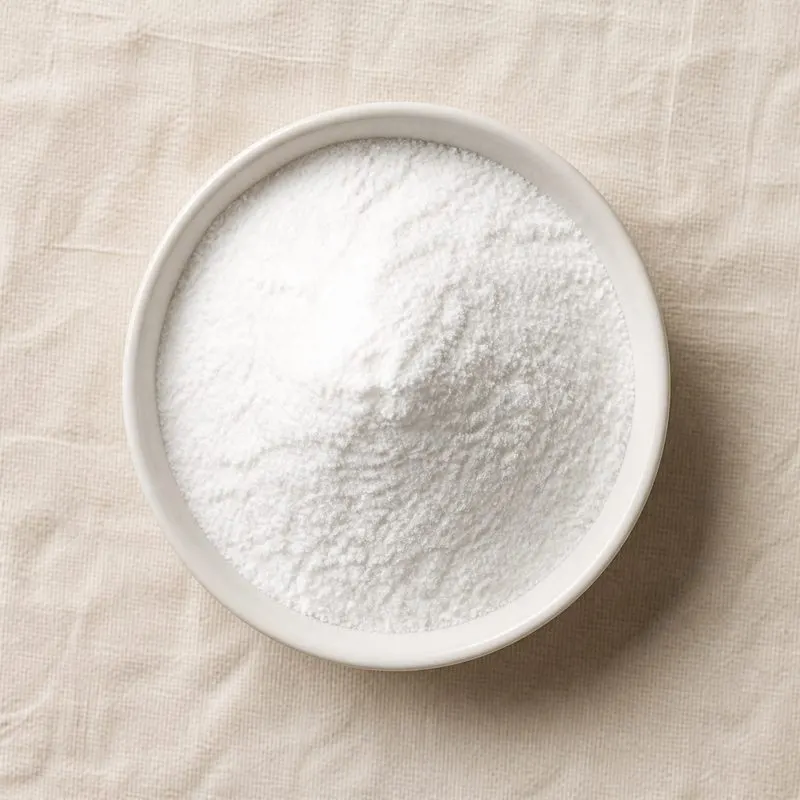
The commercial material is a white to off-white free flowing powder, essentially odourless, with a faintly acid and mildly saline taste. Elemental magnesium content runs at roughly 10 to 15 percent depending on hydrate state and on whether the article is the neutral salt or the more soluble acid salt, and that figure rather than the assay is what formulators dose against. Solubility in water is moderate and improves markedly as pH falls, so the salt dissolves readily in acidified beverage systems and only sparingly in neutral water.
Aqueous dispersions read close to neutral, generally pH 5.5 to 7.5. The powder is stable at ambient temperature and humidity, non-hygroscopic in the neutral form, and stable through tabletting, drying and normal beverage pasteurisation.
We source bulk Magnesium L-Malate from top China manufacturers for our partners, working with several of them. The manufacturers are in Jiangsu, Hebei and Anhui. A smaller requirement can ship in a combined container with other ingredients.
Please send the grade you need, the volume and your destination port, and we will come back with a solution and a price.
or call +86-21-6858 0751
Specifications
| Item | Specification |
|---|---|
| Appearance | White to off-white free flowing powder |
| Assay, dried basis | Not less than 98.0 percent |
| Elemental Magnesium | 10.0 to 15.0 percent, declared per lot |
| Identification | Positive for magnesium and for malate |
| Optical Purity, L isomer | Not less than 99.0 percent |
| Loss on Drying, 105 degrees Celsius | Not more than 6.0 percent |
| pH, 5 percent dispersion | 5.5 to 7.5 |
| Fumaric Acid | Not more than 1.0 percent |
| Maleic Acid | Not more than 0.05 percent |
| Lead | Not more than 2 mg per kg |
| Arsenic | Not more than 1 mg per kg |
| Total Plate Count | Not more than 1000 cfu per g |
| Yeast and Mould | Not more than 100 cfu per g |
| Salmonella | Absent in 25 g |
Common Markets Grades
The traded article is a food and supplement grade powder, typically specified at 98 percent minimum assay on the dried basis with elemental magnesium declared as a separate line. The main commercial distinction is between the neutral dimagnesium malate, which has the higher magnesium content and lower solubility, and the acid or monomagnesium form, which carries less magnesium but dissolves far better and is the one chosen for clear liquid and effervescent products. Anhydrous and hydrated versions of both exist and are distinguished on loss on drying rather than on purity.
Physical grades follow the dosage form. Fine milled powder is used for capsules, sachets and blended powders. Granular and agglomerated material of roughly 30 to 80 mesh, made by fluid bed granulation, is specified for direct compression tablets where flow and low friability matter. Some producers offer a coated grade with a hydroxypropyl methylcellulose or lipid film to mask the acid note in chewable tablets and gummies.
Applications
- Magnesium supplement tablets and capsules, as the mineral source in single ingredient and multimineral products
- Fatigue and muscle recovery formulations, where the malate component is positioned alongside magnesium for energy metabolism claims
- Sports and electrolyte drinks, using the acid form for its solubility at beverage pH
- Effervescent tablets and drink sticks, as the magnesium carrier in the acid and bicarbonate system
- Fortified functional beverages and plant based milks, at levels supporting a magnesium nutrition claim
- Chewable tablets and gummies, using the coated grade to keep the mineral note out of the flavour
- Meal replacement and clinical nutrition powders, as a magnesium source with better tolerance than the oxide
- Bone and joint health blends, in combination with calcium and vitamin D3
- Animal feed premixes and pet supplements, as a palatable magnesium source
Brands Using Magnesium L-Malate
Widely-distributed consumer products that list Magnesium L-Malate on the ingredient label.
Brand names, product names and logos are the property of their owners. They appear here as published evidence that the ingredient is used, taken from the brand's own label or website. Their appearance is not an endorsement, and it does not mean the brand buys from us or from any manufacturer listed on this site.
China Manufacturers of Magnesium L-Malate
Top Magnesium L-Malate manufacturers in China.
 Haohe Biotechnology (Changzhou) Co., Ltd.3 ingredients in the directory
 Hebei LiWellso Biotech Co.,Limited11 ingredients in the directory
 Zymogreen (Huaibei) Food Technology Co.4 ingredients in the directory
Company names and logos are the property of the manufacturers themselves. They are listed here because our own directory records them as producing this ingredient. A listing is not an endorsement by them, and we do not represent them or speak on their behalf.
Regulatory Status
In the United States magnesium malate is used as a mineral source in dietary supplements under the Dietary Supplement Health and Education Act framework, where the salt is a permitted form of magnesium in supplement products. Malic acid itself is affirmed as generally recognised as safe under 21 CFR 184.1069 as a flavour enhancer and acidity regulator, and magnesium salts are accepted nutrient sources for food fortification, so the compound is handled as a nutrient rather than under a dedicated food additive regulation. Suppliers to the conventional food market normally support the use with a self affirmed determination rather than a citation.
In the European Union Directive 2002/46/EC lists magnesium malate among the mineral substances that may be used in the manufacture of food supplements, and Regulation (EC) No 1925/2006 lists it among the sources permitted for addition to foods. It is a nutrient source rather than a food additive, so no E number attaches to it, although L-malic acid used as an additive carries E 296. The European Food Safety Authority has evaluated magnesium malate as a source of magnesium and considered it suitable for that purpose. JECFA has evaluated malic acid and its salts and concluded that a numerical limit is not required.
Manufacturing Process
The route begins with L-malic acid. The optically pure L acid is made either by enzymatic hydration of fumaric acid using immobilised fumarase, generally in the form of whole cells or immobilised enzyme in a packed bed reactor operated continuously, or by fermentation of a glucose feedstock with selected fungal or engineered microbial strains. The enzymatic route dominates where high optical purity is the requirement, since fumarase adds water across the double bond with essentially complete stereoselectivity. The crude acid stream is clarified, decolourised over activated carbon and polished on ion exchange resin.
The purified L-malic acid is then neutralised with a magnesium base, most commonly magnesium hydroxide or light magnesium oxide slurried into the acid solution, with magnesium carbonate used where carbon dioxide evolution is acceptable. The stoichiometry is set to give either the neutral or the acid salt, and the reaction is held until unreacted base is consumed, since residual oxide raises pH and leaves grit. The liquor is filtered clear, concentrated under vacuum, and either crystallised and centrifuged or taken straight to a spray dryer. Dried powder is milled to the target particle size, screened, and where the granular article is wanted, agglomerated in a fluid bed with a small quantity of aqueous binder before final drying and packing.