Natural Carotene
Natural carotene is a mixture of carotenoid hydrocarbons, predominantly beta-carotene with accompanying alpha-carotene, gamma-carotene and lycopene, obtained by extraction from a biological source rather than by chemical synthesis. The commercial sources are the halophilic microalga Dunaliella salina, crude palm oil, and to a smaller extent carrot. The isomer profile is what distinguishes it from synthetic beta-carotene: natural material from algae carries a substantial share of the 9-cis isomer alongside the all-trans form, while synthetic material is essentially all-trans.
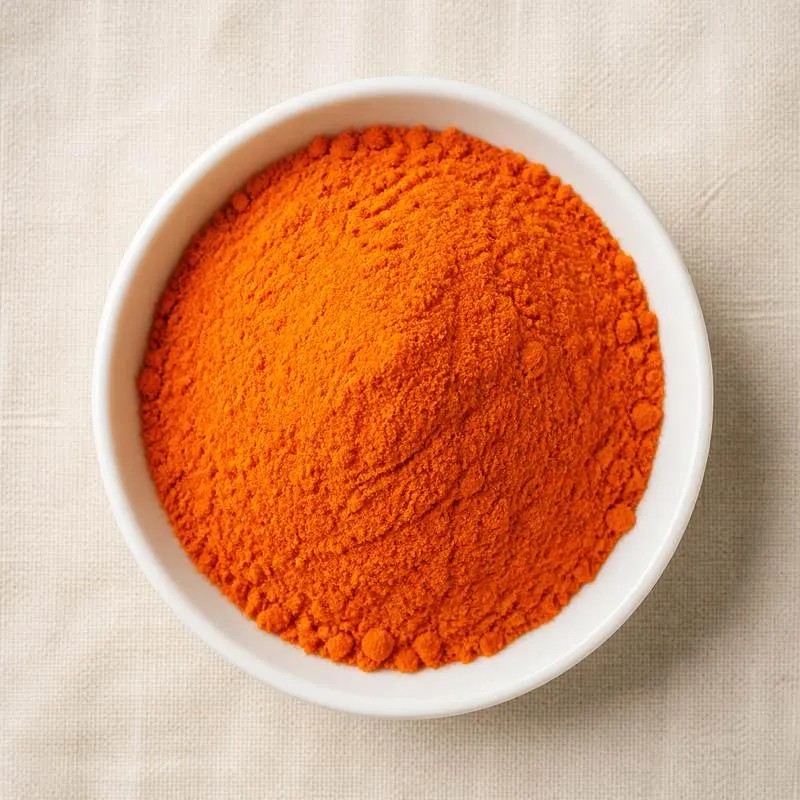
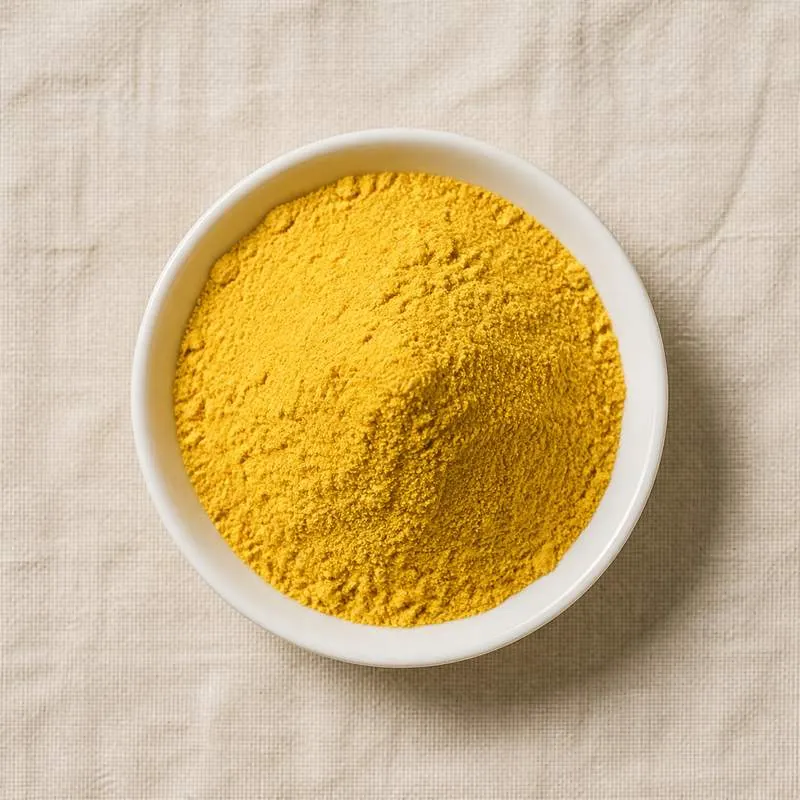
Functionally it serves both as an orange to yellow colour and as a source of provitamin A, since beta-carotene is cleaved to retinal in the intestinal mucosa. Shade runs from a light yellow at low dosage through egg yolk yellow to a deep orange, and the perceived hue depends heavily on particle size and on whether the carotene is dissolved or dispersed.
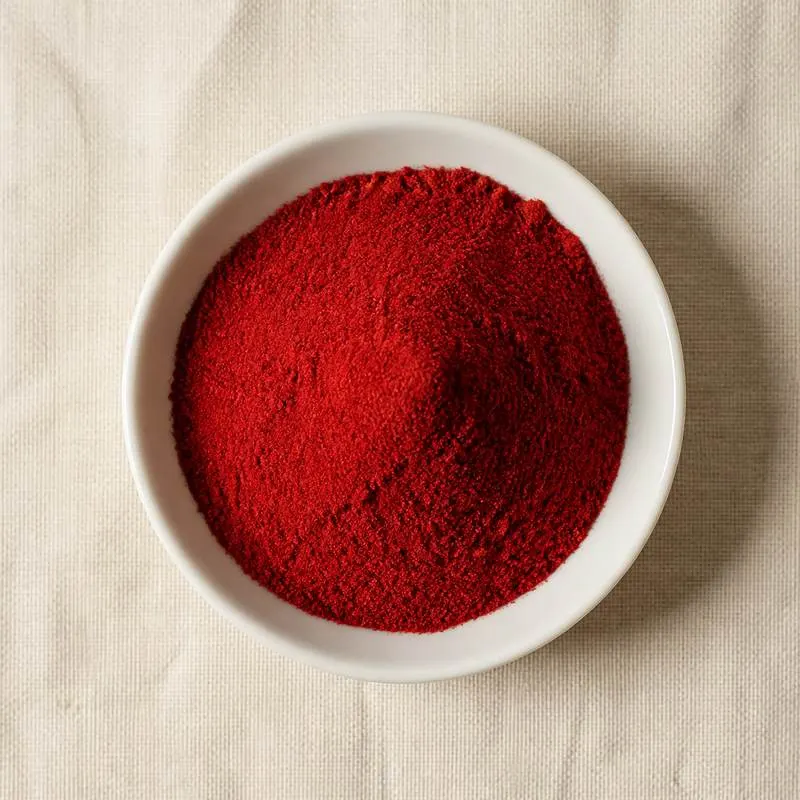
The pure crystal is a dark red to purple solid that is insoluble in water and only sparingly soluble in oil, so it is almost never used neat. Trade forms are oil suspensions, water dispersible beadlets and emulsions in which the carotene is finely divided and protected by an antioxidant and a matrix. Carotene is oxidised by air, light and heat, and it isomerises and bleaches in the presence of peroxides, which is why formulation and packaging matter more than for most colours.
We source bulk Natural Carotene from top China manufacturers for our partners. The manufacturers are in Guangdong and Hubei. A smaller requirement can ship in a combined container with other ingredients.
Please send the grade you need, the volume and your destination port, and we will come back with a solution and a price.
or call +86-21-6858 0751
- Function
- Colorant
Specifications
| Item | Specification |
|---|---|
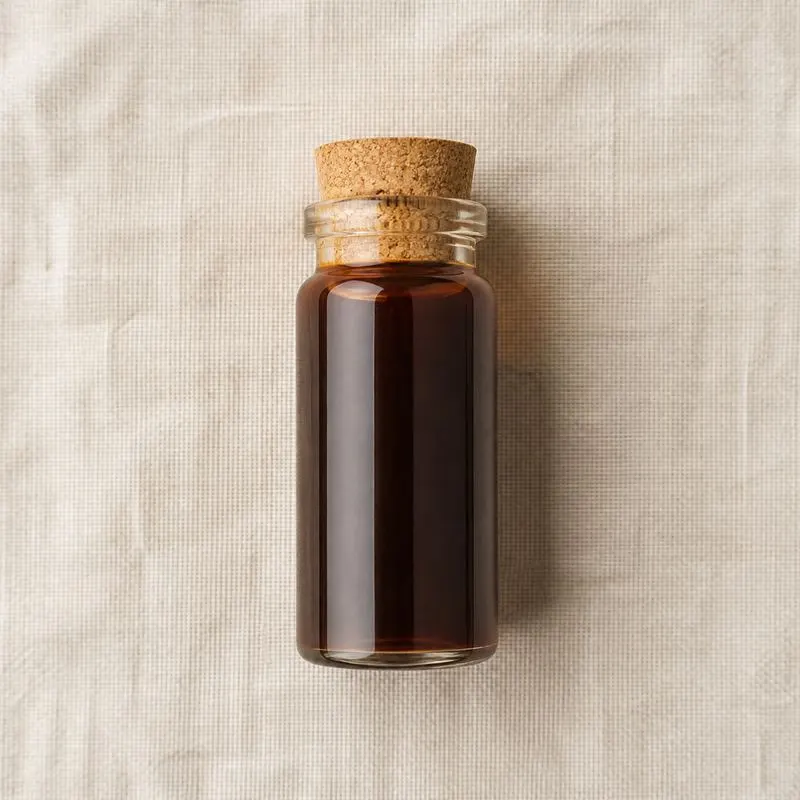
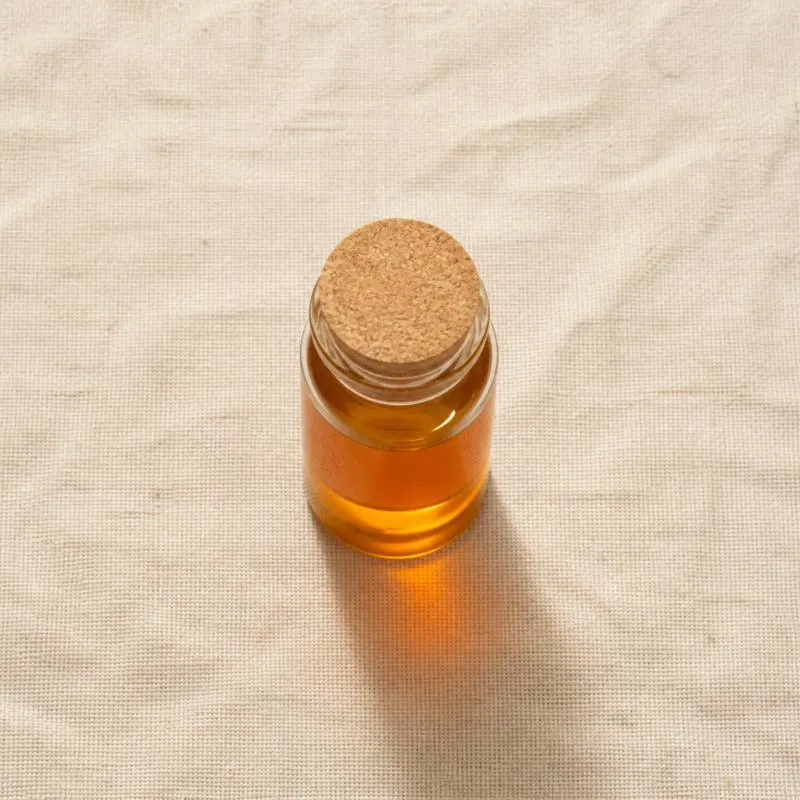
| Appearance | Dark red to orange brown viscous oil suspension |
| Total Carotenoids | 20.0% minimum |
| Beta-carotene as share of total carotenoids | 50% minimum |
| Identification | Absorption maximum at 450 to 456 nm in cyclohexane |
| Carrier | Refined vegetable oil, balance to 100% |
| Antioxidant | Mixed tocopherols, within declared limits |
| Peroxide Value | 10 meq/kg maximum |
| Acid Value | 4.0 mg KOH/g maximum |
| Loss on Drying | 1.0% maximum |
| Sulphated Ash | 0.2% maximum |
| Lead | 2 mg/kg maximum |
| Arsenic | 1 mg/kg maximum |
| Total Plate Count | 1000 cfu/g maximum |
| Salmonella | Absent in 25 g |
Common Markets Grades
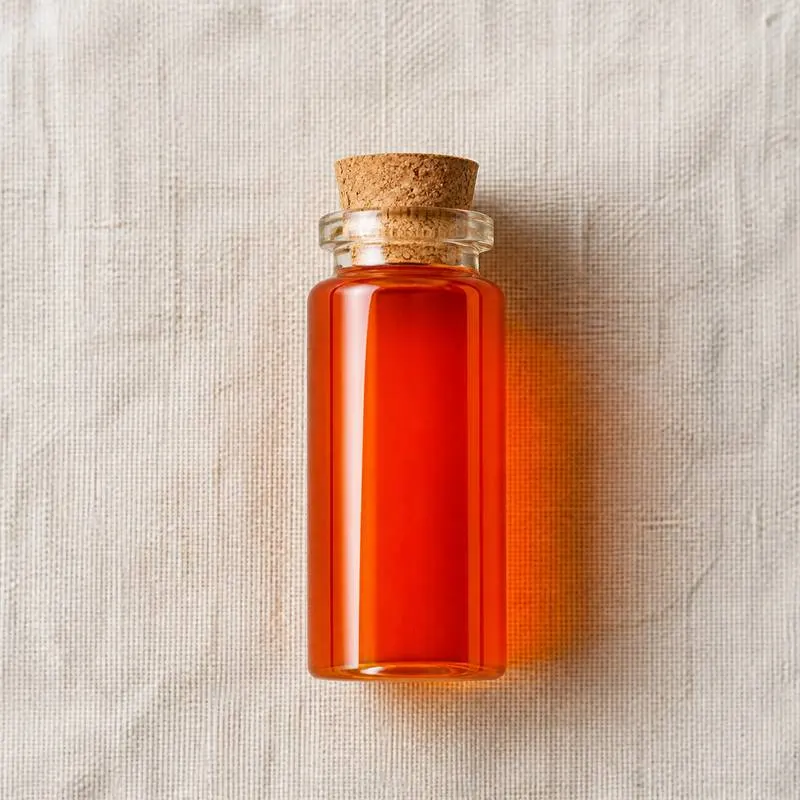
Three physical forms dominate. Oil suspensions are typically 1 to 30 percent carotene in vegetable oil, used where the base is fatty. Cold water dispersible beadlets, made by emulsifying the carotene into a starch, gelatin or gum acacia matrix and drying, come at 1, 5 and 10 percent and are the standard for beverages and dry blends. Liquid emulsions at 1 to 5 percent are used where a ready diluted stream is easier to dose. Alongside these, a concentrated algal oleoresin at 20 to 30 percent total carotenoids is traded as a raw material for downstream formulation rather than as a finished colour.
Grades are further distinguished by isomer profile and source. Algal grades carry a stated 9-cis to all-trans ratio and are sold on that basis for nutritional as well as colouring use. Palm derived mixed carotenes carry an alpha-carotene share of roughly a third and give a slightly redder tone. Beadlet grades are specified on particle size, since a finer dispersion shifts the shade towards yellow and a coarser one towards orange, and on the antioxidant system used, commonly tocopherols with ascorbyl palmitate.
Applications
- Soft drinks, nectars and flavoured waters, where cold water dispersible beadlets give an orange or citrus shade with good clarity
- Margarine, spreads and butter blends, using an oil suspension to reach the expected yellow
- Processed cheese and cheese analogues, where it substitutes for the seasonal colour variation of milk fat
- Ice cream, custards and dessert powders in vanilla, mango and peach profiles
- Bakery creams, fillings and egg free products needing an egg yolk appearance
- Pasta, noodles and instant noodle blocks, contributing the yellow associated with egg content
- Dietary supplements and multivitamin tablets, dosed as a provitamin A source rather than only as a colour
- Infant formula and clinical nutrition, where it supplies carotenoids alongside preformed vitamin A
- Fish and poultry feed premixes, contributing to flesh and yolk pigmentation
- Soups, sauces and seasoning blends where an oil compatible orange is required
Brands Using Natural Carotene
Widely-distributed consumer products that list Natural Carotene on the ingredient label.
- Bluebonnet NutritionD. Salina Beta-Carotene 25,000 IU Softgels ↗Softgel supplying vitamin A as beta carotene from Dunaliella salina algae, together with the naturally occurring alpha carotene, zeaxanthin, lutein and cryptoxanthin.Label verified 2026-08-31
- 1st PhormKiddo Daily Stack ↗Childrens gummy and powder stack the brand says is coloured with purple carrot juice concentrate and beta carotene rather than synthetic dyes.Label verified 2026-08-31
Brand names, product names and logos are the property of their owners. They appear here as published evidence that the ingredient is used, taken from the brand's own label or website. Their appearance is not an endorsement, and it does not mean the brand buys from us or from any manufacturer listed on this site.
China Manufacturers of Natural Carotene
Top Natural Carotene manufacturers in China.
- Naturlich (ZhuHai) Food Ingredients &Solutions10 ingredients in the directory
 Suizhou Shilida Biotechnology Co., Ltd.4 ingredients in the directory
Company names and logos are the property of the manufacturers themselves. They are listed here because our own directory records them as producing this ingredient. A listing is not an endorsement by them, and we do not represent them or speak on their behalf.
Regulatory Status
In the United States carotenes are colour additives exempt from certification, and 21 CFR Part 73 lists them, with separate listings covering beta-carotene, carrot oil and algae derived material; the listing that applies depends on the source and the degree of purification, so the supplier declaration should name it. Beta-carotene is additionally recognised as a nutrient source of vitamin A and is used in fortification on that basis. Colour additives exempt from certification remain subject to the specification and labelling requirements of the colour additive regulations.
In the European Union mixed carotenes are the food colour E 160a(i), covering plant carotenes and algal carotenes; Regulation (EC) No 1333/2008 authorises them and Regulation (EU) No 231/2012 gives identity and purity criteria, while synthetic beta-carotene is the related E 160a(ii). The European Food Safety Authority has re-evaluated the carotene group and it remains authorised. JECFA has adopted specifications for carotenes from natural sources, and provisions for the carotene group appear in the Codex General Standard for Food Additives.
Manufacturing Process
The algal route grows Dunaliella salina in open saline ponds or raceways at high salinity, which suppresses competing organisms and drives the alga to accumulate carotene in its chloroplast as a stress response. The biomass is harvested by centrifugation or flocculation, washed to remove salt, and the carotene is recovered either by direct extraction with a vegetable oil or by supercritical carbon dioxide extraction, both of which avoid organic solvent residues. The palm route starts instead from crude palm oil, in which the carotenoids are concentrated by molecular distillation or by transesterification followed by short path distillation of the carotene rich fraction.
In either case the resulting oleoresin is standardised for total carotenoid content and stabilised with tocopherols. Finished colour forms are then built from it. For beadlets the oleoresin is dissolved or melted, emulsified into an aqueous solution of a protective colloid such as modified starch or gum acacia, homogenised to a fine and controlled droplet size, and spray dried onto a starch bed. For emulsions the homogenised dispersion is stabilised and filled without drying. Oil suspensions are made by milling and dispersing the crystalline or oleoresin carotene directly into refined oil.