Nmnh
NMNH is the reduced form of nicotinamide mononucleotide, systematically dihydronicotinamide mononucleotide, in which the pyridinium ring of NMN has been reduced to a 1,4 dihydropyridine. It stands to NMN in the same relation that NADH stands to NAD, and like the other reduced pyridine nucleotides it is a hydride carrier rather than a hydride acceptor.
Interest in the compound comes from work on nicotinamide adenine dinucleotide precursors. Where NMN enters the salvage pathway and is adenylylated to NAD, NMNH is reported to raise NAD levels through a reduced route, and in cell and rodent studies it has been described as acting faster and to a greater extent than the oxidised form. That work is recent and the compound is far less characterised than NMN, let alone than nicotinamide riboside.
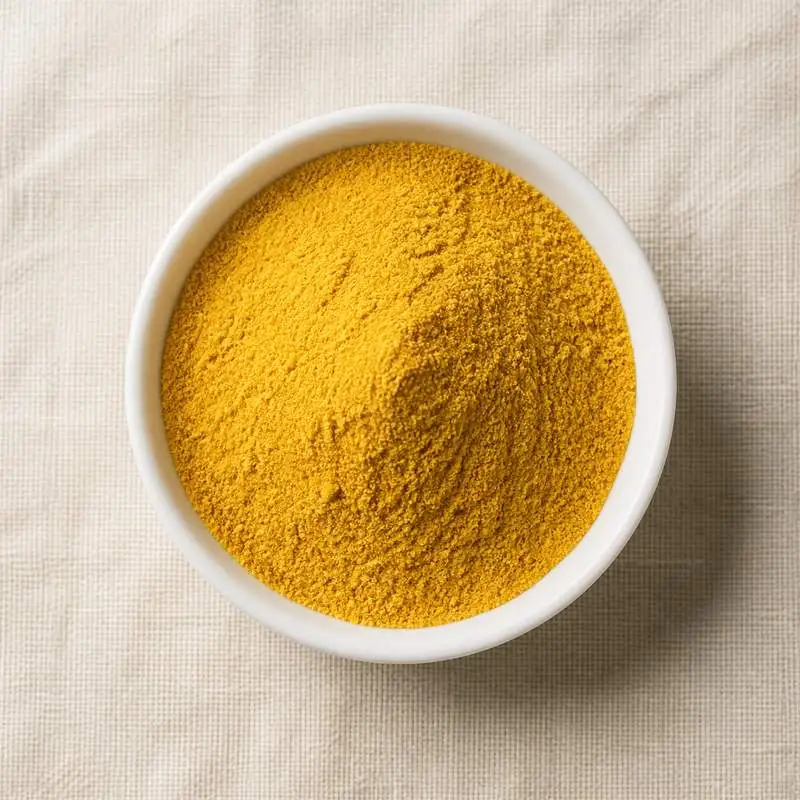
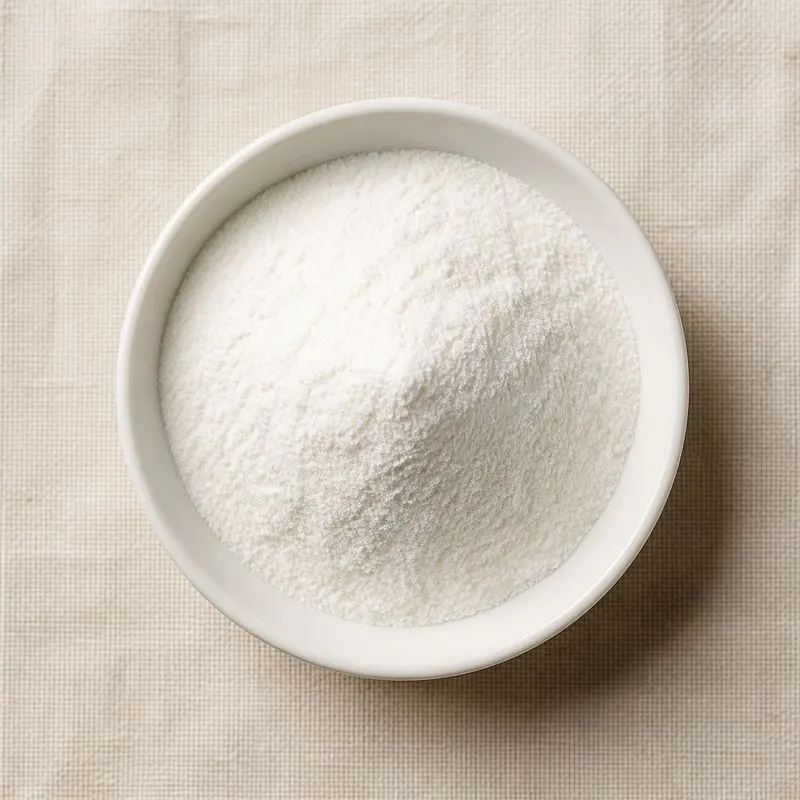
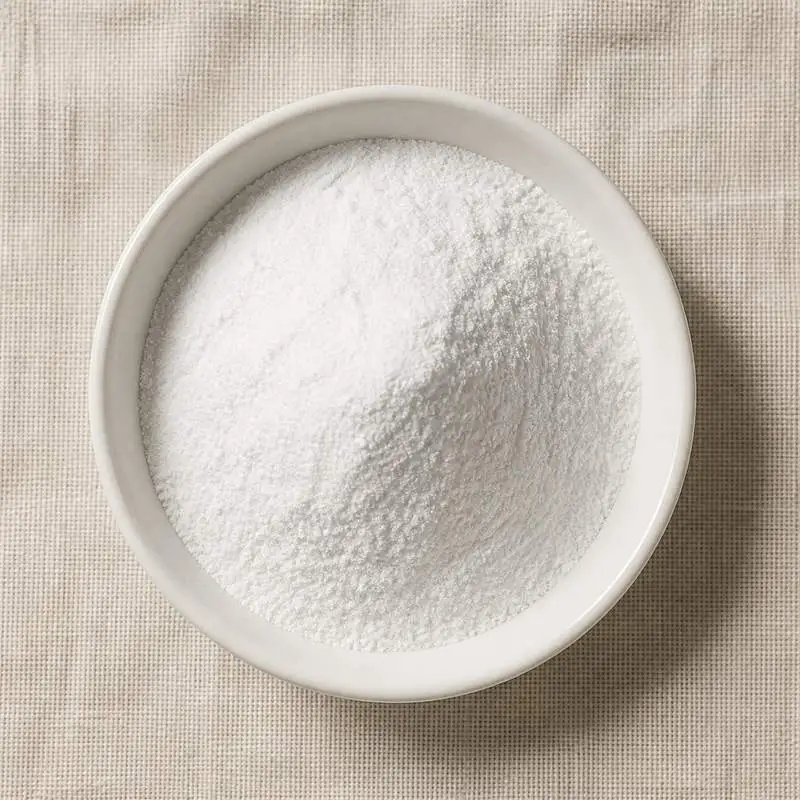
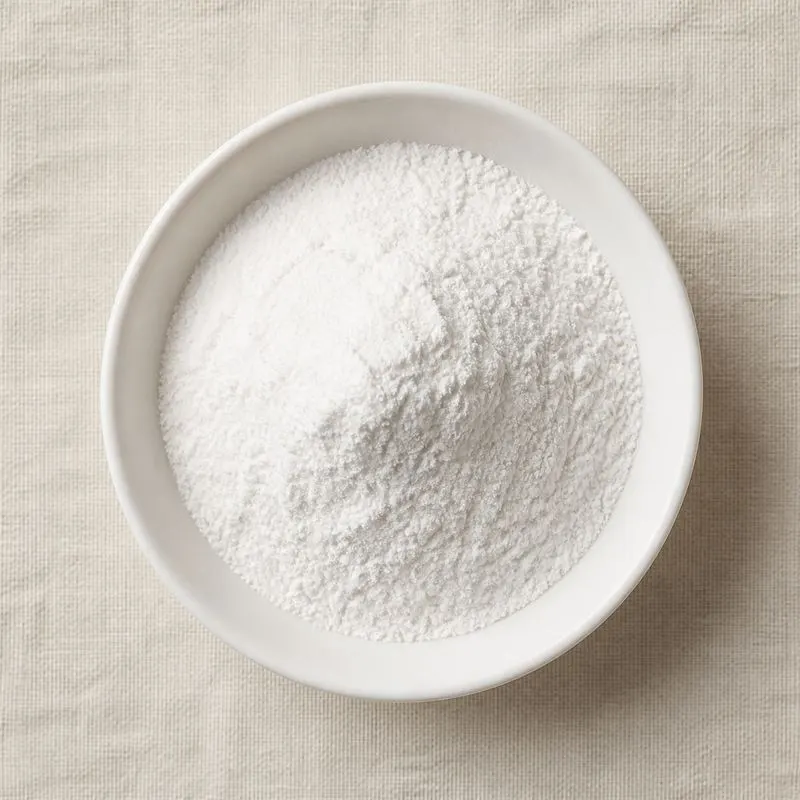
Commercial material is an off white to pale yellow crystalline or amorphous powder, soluble in water and hygroscopic. Its practical difficulty is stability. The dihydropyridine ring oxidises readily in air and degrades quickly in acidic solution, so the material is packed under inert gas with desiccant, stored frozen or refrigerated, and formulated to avoid low pH and prolonged aqueous holding. Solutions are made up shortly before use.
We source bulk Nmnh from top China manufacturers for our partners, working with several of them. The manufacturers are in Jilin, Shanghai and Guangdong. A smaller requirement can ship in a combined container with other ingredients.
Please send the grade you need, the volume and your destination port, and we will come back with a solution and a price.
or call +86-21-6858 0751
- Function
- Nutraceutical
Specifications
| Item | Specification |
|---|---|
| Appearance | Off white to pale yellow powder |
| Assay (HPLC, anhydrous basis) | Not less than 98.0 percent |
| Identification | Ultraviolet maximum near 340 nm and mass spectrum conform |
| Oxidised NMN Content | Not more than 1.0 percent |
| Related Substances | Any single impurity not more than 0.5 percent |
| Loss on Drying | Not more than 5.0 percent |
| Residue on Ignition | Not more than 0.5 percent |
| pH (1 percent solution) | 7.0 to 9.0 |
| Residual Solvents | Conforms to ICH Class 3 limits |
| Lead | Not more than 0.5 mg/kg |
| Arsenic | Not more than 0.5 mg/kg |
| Heavy Metals (as Pb) | Not more than 10 mg/kg |
| Total Plate Count | Not more than 1000 cfu/g |
| Yeast and Mould | Not more than 100 cfu/g |
| E. coli | Absent in 1 g |
| Salmonella | Absent in 25 g |
Common Markets Grades
NMNH is traded in a narrow range of specifications. Assay grades of 95 percent and 98 percent minimum by high performance liquid chromatography cover most supply, with 99 percent offered for research use. The critical additional parameter is oxidised NMN content, since partial oxidation during synthesis, drying or storage converts the product back toward NMN, and buyers specify a maximum for it alongside the main assay.
Physical presentation is limited to fine powder. Where the material is destined for a dry blend, a microencapsulated or enteric coated form is sometimes used to shield the dihydropyridine ring from moisture, oxygen and stomach acid, but this is not universal. There is no established pharmacopoeial grade and no published monograph, so specifications are set by contract between buyer and producer rather than by a public standard, which is a meaningful difference from more mature nutraceutical actives.
Applications
- Nicotinamide adenine dinucleotide precursor supplements in capsule form, positioned on cellular energy and ageing
- Combination longevity formulations alongside resveratrol, spermidine or urolithin A
- Sublingual tablets and powders, a format chosen to bypass the acidic stomach environment that degrades the compound
- Enteric coated and encapsulated supplement formats designed to protect the reduced ring through gastric transit
- Research chemical supply to laboratories studying nicotinamide adenine dinucleotide metabolism and redox biology
- Cell culture supplementation in metabolic and mitochondrial function studies
- Preclinical animal study material for ageing and ischaemia reperfusion research
- Topical and cosmetic preparations marketed on cellular energy claims, where gastric stability is not a factor
- Analytical reference standard for chromatographic methods separating oxidised and reduced nucleotide forms
Brands Using Nmnh
Widely-distributed consumer products that list Nmnh on the ingredient label.
Brand names, product names and logos are the property of their owners. They appear here as published evidence that the ingredient is used, taken from the brand's own label or website. Their appearance is not an endorsement, and it does not mean the brand buys from us or from any manufacturer listed on this site.
China Manufacturers of Nmnh
Top Nmnh manufacturers in China.
 Bicells Science Ltd.5 ingredients in the directory
- Effepharm (Shanghai) Ltd.4 ingredients in the directory
 Hygieia17 ingredients in the directory
Company names and logos are the property of the manufacturers themselves. They are listed here because our own directory records them as producing this ingredient. A listing is not an endorsement by them, and we do not represent them or speak on their behalf.
Regulatory Status
NMNH does not hold established food or supplement status in the major jurisdictions, and this is the central regulatory fact about it. In the United States it has no generally recognised as safe determination and no accepted new dietary ingredient notification. The position of the closely related oxidised compound is itself unsettled: the Food and Drug Administration has concluded that the dietary supplement definition excludes nicotinamide mononucleotide because the agency had authorised it for investigation as a new drug, and the reduced form has no clearer standing.
In the European Union NMNH has not been authorised as a novel food and does not appear on the Union list of novel foods, so it may not lawfully be placed on the European market as a food or food supplement ingredient without an authorisation. It is not a food additive and has no E number. Neither JECFA nor Codex has evaluated it or published specifications. In practice the material moves as a research chemical and as a supplement ingredient in jurisdictions with lighter pre market controls, and buyers should establish the status in each destination market rather than assume it follows that of other nicotinamide adenine dinucleotide precursors.
Manufacturing Process
The commercial route is chemical or enzymatic reduction of nicotinamide mononucleotide, itself made by enzymatic phosphorylation of nicotinamide riboside or by a coupled enzymatic route from nicotinamide and ribose phosphate. Chemical reduction treats NMN in buffered aqueous solution with sodium dithionite or a borohydride reagent under an inert atmosphere, adding hydride across the pyridinium ring to give the 1,4 dihydro product. Enzymatic reduction uses a nicotinamide nucleotide dependent dehydrogenase with a sacrificial substrate to deliver the hydride, which gives cleaner regiochemistry and avoids the sulphur containing by products of the dithionite route.
Because the product is oxygen sensitive, the whole downstream train runs under nitrogen or argon and at low temperature. The reaction mixture is quenched, then desalted and freed of reagent residues by ion exchange or by size exclusion chromatography, with the reduced species tracked by its characteristic absorbance near 340 nanometres. Preparative reversed phase chromatography separates NMNH from residual oxidised NMN and from ring opened degradation products. Purified fractions are concentrated by low temperature vacuum evaporation or nanofiltration, then freeze dried rather than spray dried, since heat and air exposure would reoxidise the material. The dried solid is milled in a low humidity inert atmosphere room, blended, and filled into foil laminate pouches with desiccant under inert gas for frozen or refrigerated shipment.