Potassium Citrate
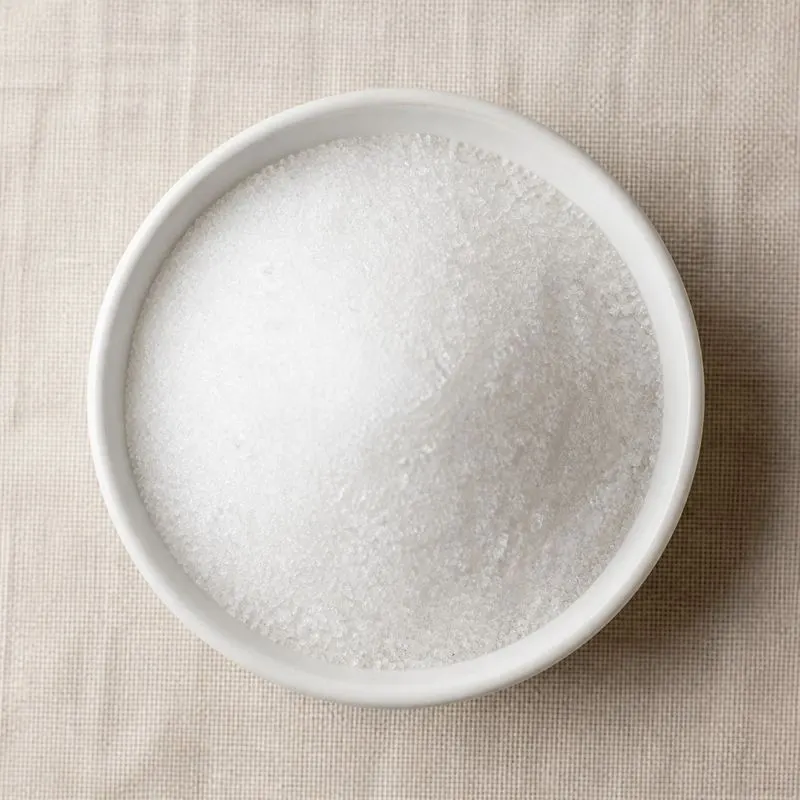
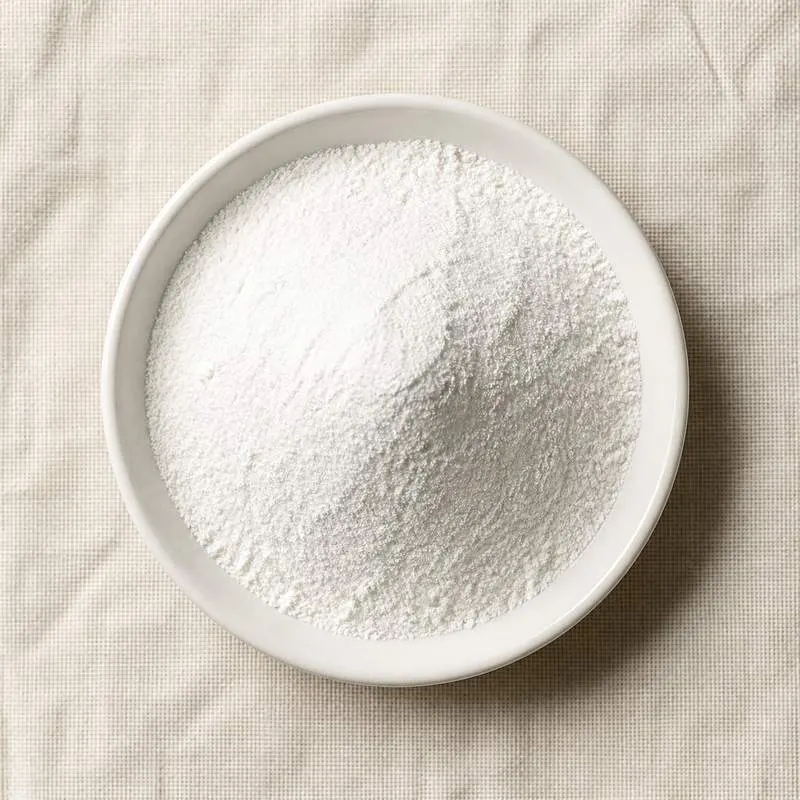
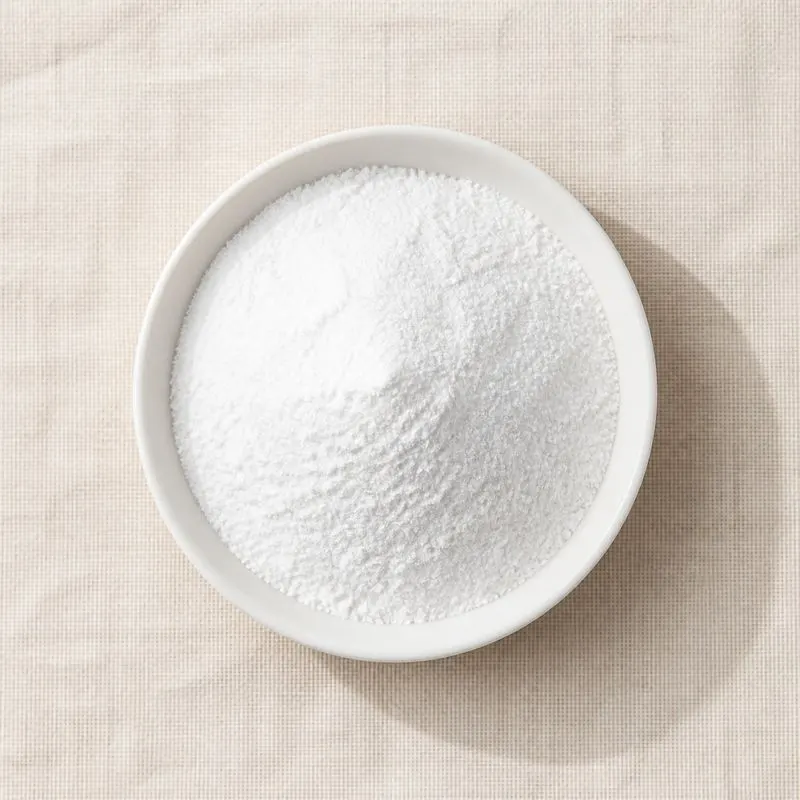
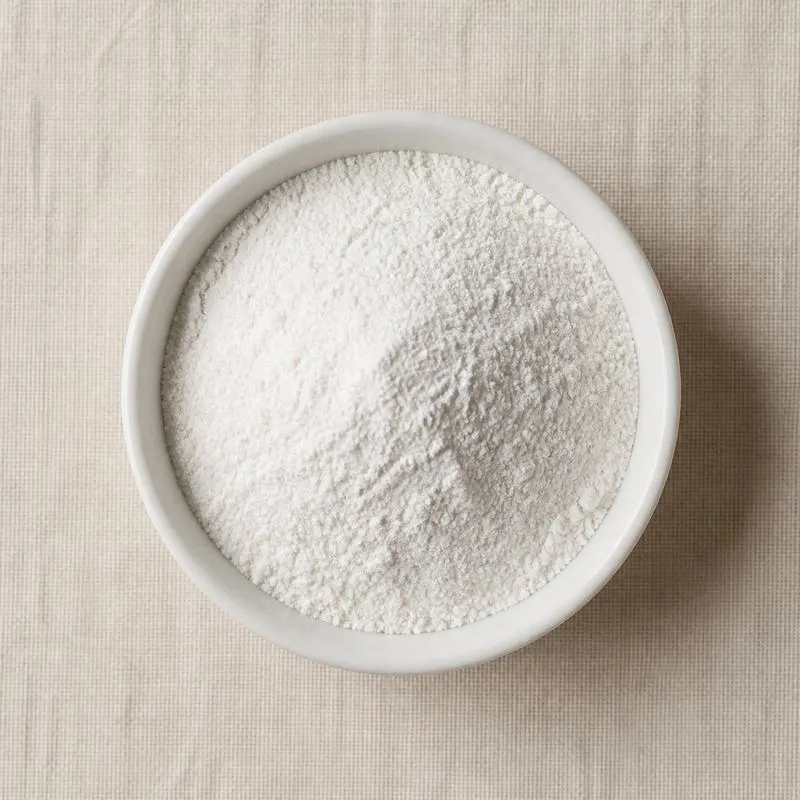
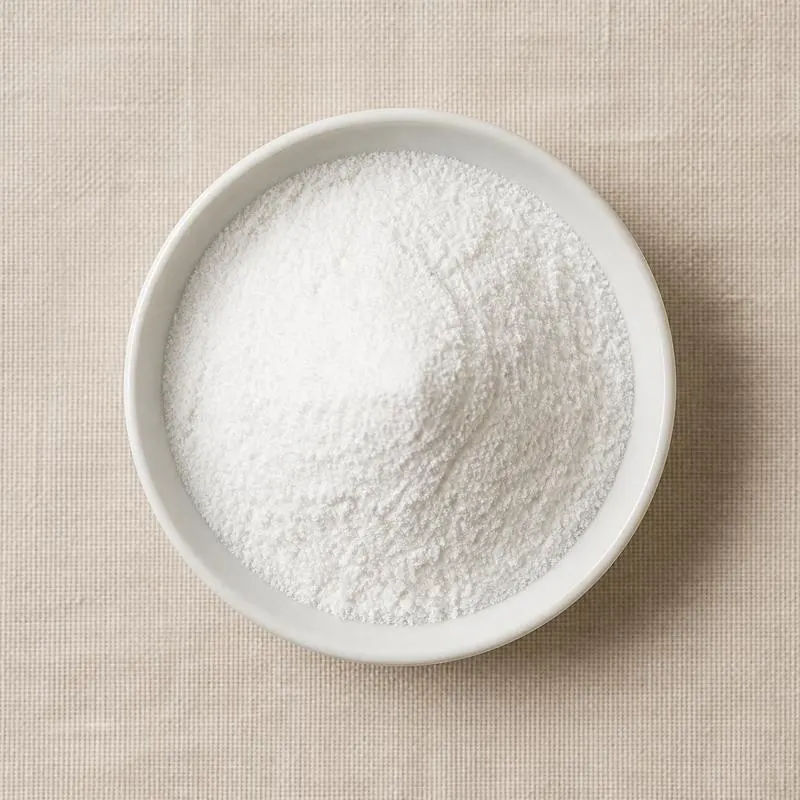
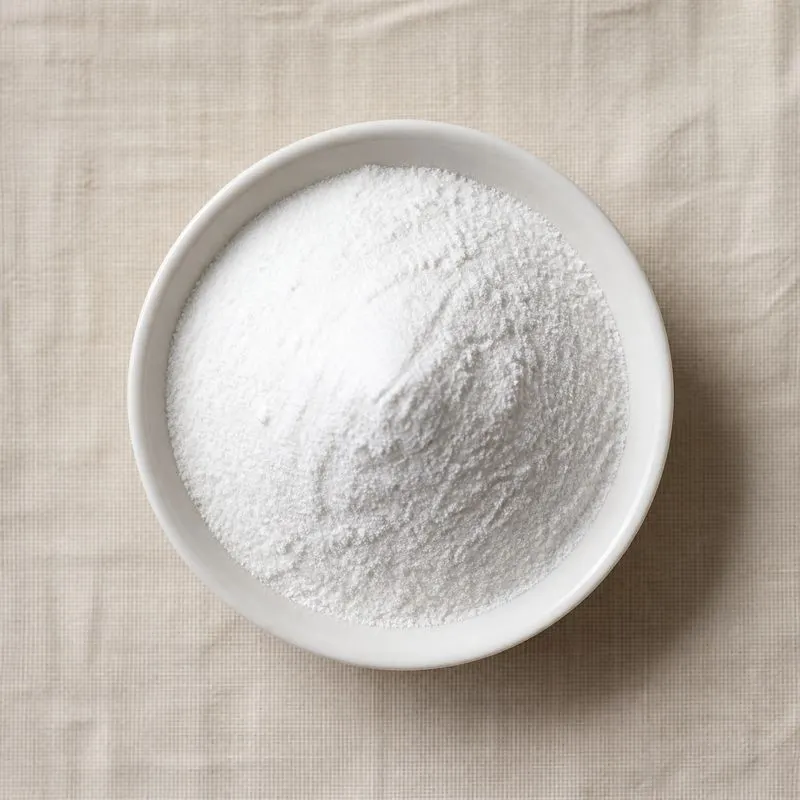
Potassium Citrate is the tripotassium salt of citric acid with the formula K3C6H5O7. It is a white, slightly hygroscopic crystalline powder with a faintly saline, cooling taste and very high water solubility.
The compound (CAS 866-83-1, molar mass 306.40 g/mol anhydrous; usually sold as the monohydrate at 324.41 g/mol) is the dominant pharmaceutical urinary alkalinizer and a workhorse buffering salt in sodium-reduced food and beverage formulation.
We source bulk Potassium Citrate from top China manufacturers for our partners, working with several of them. The manufacturers are in Jiangsu and Shandong. For this ingredient the minimum order is 25,000 kg and a 20-foot container takes 25 MT, and a smaller requirement can ship in a combined container with other ingredients.
Please send the grade you need, the volume and your destination port, and we will come back with a solution and a price.
or call +86-21-6858 0751
- Minimum order
- 25,000 kg
- Qty in 20' FCL
- 25 MT
- Packaging
- 25 kg kraft paper bag with PE inner liner
- ISO 9001
- HACCP
- Halal
- Kosher
Specifications
| Item | Specification |
|---|---|
| Appearance | White to off-white odorless crystalline powder |
| Assay (dry basis) | 99.0% to 100.5% |
| Potassium content | 37.0% to 39.0% |
| Loss on drying (monohydrate) | 3.0% to 6.0% |
| pH (5% solution) | 7.5 to 9.0 |
| Sodium | ≤ 0.3% |
| Chloride | ≤ 0.05% |
| Sulfate | ≤ 0.1% |
| Tartrate | ≤ 0.1% |
| Heavy metals (as Pb) | ≤ 3 mg/kg |
| Arsenic | ≤ 2 mg/kg |
| Total plate count | ≤ 1000 CFU/g |
| Particle size | Per customer specification |
Common Markets Grades
Potassium Citrate is graded by hydration state, purity tier, and particle size.
The commercial standard is the monohydrate, sold as fine, granular, or large-crystal product depending on the application. Anhydrous material is produced for moisture-sensitive applications such as effervescent tablets and dry beverage mixes.
Food grade meets FCC and E332(iii) specifications at minimum 99 percent assay on the anhydrous basis. Granular grades are favored for direct dry-blending into beverage powders and seasoning systems.
USP, Ph. Eur., and BP grades carry tighter heavy-metal and microbiological limits and are produced for oral solutions, extended-release tablets, and IV electrolyte concentrates. A liquid grade at 50 percent w/w in water is produced for liquid pharmaceutical and food applications.
Reagent and ACS grades at 99.5 percent plus are sold to laboratories. A direct-compression grade with engineered crystal habit is produced for tableting without granulation.
Applications
- Urinary alkalinizer for prevention of calcium oxalate and uric acid kidney stones
- Treatment and prophylaxis of gout, hypocitraturia, and renal tubular acidosis
- Buffering and pH-control in sports and electrolyte beverages without sodium loading
- Sodium-free baking powder formulations paired with potassium bicarbonate
- Emulsifying salt for processed cheese, replacing sodium phosphate in clean-label formats
- Acidity regulator and chelating agent in jams, jellies, and fruit preparations
- Stabiliser for evaporated and condensed milk against protein coagulation on sterilisation
- Anticoagulant for blood-collection tubes (citrate dextrose formulations)
- Buffering and alkalinizing component of oral rehydration salts
- Component of laundry and dishwasher detergents for water-hardness sequestration
- Effervescent tablet formulations paired with citric acid for granulation
Brands Using Potassium Citrate
Widely-distributed consumer products that list Potassium Citrate on the ingredient label.
- Mission PharmacalUrocit-K (Potassium Citrate) Extended-Release Tablets ↗Mission Pharmacal Urocit-K is potassium citrate extended-release Rx tablets (5, 10, 15 mEq); indicated for renal tubular acidosis, hypocitraturic calcium oxalate nephrolithiasis and uric acid lithiasis. FDA-approved since 1985.Label verified 2026-05-24
- Liquid I.V. (Unilever)Liquid I.V. Hydration Multiplier (Lemon Lime) ↗Liquid I.V. Hydration Multiplier panel: 'Pure Cane Sugar, Dextrose, Citric Acid, Salt, Potassium Citrate, Sodium Citrate, Natural Flavor, Dipotassium Phosphate, Silicon Dioxide, Rebaudioside-A, Vitamin C, B3, B5, B6, B12.' Potassium citrate is the primary K source (370 mg/serving).Label verified 2026-05-24
- AbbottPedialyte Electrolyte Solution (Classic) ↗Pedialyte Classic ingredient panel includes Potassium Citrate as less than 0.5% of the formula (with Water, Dextrose, Citric Acid, Salt, Sodium Citrate, flavour). Provides 25 mEq potassium per liter.Label verified 2026-05-24
- Talking RainSparkling Ice Classics (Black Raspberry) ↗Sparkling Ice flavours include potassium citrate (less than 2%) as part of the electrolyte/acidulant blend; product delivers 30 mg potassium per 8 fl oz serving.Label verified 2026-05-24
- BodyArmor (Coca-Cola)BodyArmor Lyte Sports Drink (Peach Mango) ↗BodyArmor Lyte panel: '...erythritol, natural flavors, potassium citrate, citric acid, sodium citrate, calcium disodium EDTA, vegetable juice (color), stevia leaf extract, vitamins C, B3, B6, B12.' KCit is the primary potassium electrolyte source.Label verified 2026-05-24
Brand names, product names and logos are the property of their owners. They appear here as published evidence that the ingredient is used, taken from the brand's own label or website. Their appearance is not an endorsement, and it does not mean the brand buys from us or from any manufacturer listed on this site.
China Manufacturers of Potassium Citrate
Top Potassium Citrate manufacturers in China.
 Jiangsu Kolod Food Ingredients Co., Ltd.9 ingredients in the directory
 Jiangsu Weizhisheng Food Technology Co., Ltd.6 ingredients in the directory
 Lianyungang Hengsheng Fine Chemical Co., Ltd.10 ingredients in the directory
- Lianyungang Shuren Kechuang Food Additive Co., Ltd.4 ingredients in the directory
- Natural Biological Group Co., Ltd.9 ingredients in the directory
 Nature Food Technology Co.;Ltd.12 ingredients in the directory
 Ttca Co., Ltd.5 ingredients in the directory
Company names and logos are the property of the manufacturers themselves. They are listed here because our own directory records them as producing this ingredient. A listing is not an endorsement by them, and we do not represent them or speak on their behalf.
How We Help Source Potassium Citrate
Direct Factory Sourcing
We run the whole process: selecting the manufacturer from the top Chinese food ingredient producers, negotiating the price, verifying quality, and coordinating the logistics. You deal with us instead of with several factories at once.
Original Packaging and Documents from the Manufacturer
The manufacturer sends your Potassium Citrate out of its own factory in the original packing, through to your destination port. The COA, COO, MSDS, TDS and any certifications reach you from the manufacturer as well.
Free Samples and Lead Time
We send 100 to 500 g free for your own laboratory to test and you cover only the courier, usually within 2 to 3 working days. ETD is usually within 7 to 15 days once the order is confirmed, and we check that date against the factory's own manufacturing schedule before we give it to you.
Combined Shipment
We can load Potassium Citrate together with other ingredients such as Sodium Acetate, Calcium Citrate and Sodium Lactate into one 20' FCL. If your quantity is small, we can also ship LCL.
Regulatory Status
Potassium Citrate is broadly cleared as a food additive, drug substance, and mineral source.
In the European Union it is authorised as E332(iii) under quantum satis as an acidity regulator, sequestrant, and emulsifying salt. It is also approved as a potassium source for food supplements under Directive 2002/46/EC and as an emulsifying salt for processed cheese.
The U.S. Food and Drug Administration affirms it as GRAS under 21 CFR 184.1625 for use as a buffer, emulsifier, sequestrant, and nutrient. USP monographs cover the pharmaceutical form in tablet, oral solution, and extended-release dosage forms, the latter marketed under brands such as Urocit-K.
JECFA has assigned an ADI not specified to the citrate group, and the substance is broadly accepted in organic food production under USDA NOP and EU organic regulations.
Pharmacopoeial monographs exist in the USP, Ph. Eur., BP, JP, and Chinese Pharmacopoeia. Halal and Kosher certifications are routine.
Manufacturing Process
Potassium Citrate is made by neutralisation of citric acid with a potassium base.
The citric acid feedstock comes almost entirely from submerged aerobic fermentation of glucose or sucrose-based feedstocks (corn syrup, cassava starch, beet molasses) by the filamentous fungus Aspergillus niger. Fermentation broth is filtered to remove biomass, then citric acid is recovered by calcium citrate precipitation, sulphuric acid liberation, ion exchange polishing, and final crystallisation.
For the potassium salt, the purified citric acid solution is neutralised with food-grade potassium hydroxide or potassium carbonate to a stoichiometric end point. Carbonate-based neutralisation releases carbon dioxide and is often preferred because it self-regulates against over-shooting the end point.
The neutralised solution is concentrated by evaporation and crystallised by cooling. Monohydrate crystals are centrifuged, washed, and dried in a fluid-bed drier under controlled humidity to preserve the hydration state.
Pharmaceutical grade is recrystallised from purified water and dried under nitrogen. Granular and direct-compression grades use seeded crystallisation or post-crystallisation roller compaction to deliver the engineered particle profile.