Powdered Glycyrrhiza Extract
Powdered glycyrrhiza extract is the dried aqueous extract of licorice root, obtained from Glycyrrhiza glabra, Glycyrrhiza uralensis or Glycyrrhiza inflata. Its defining constituent is glycyrrhizin, the triterpene saponin also called glycyrrhizic acid, which is intensely sweet at roughly fifty times the sweetness of sucrose and carries the characteristic licorice taste. Alongside it sit flavonoids such as liquiritin and isoliquiritigenin, polysaccharides and the sweet tasting precursor glycyrrhizin salts.
Functionally the extract works as a sweetener, a flavour and a taste modifier rather than as a bulk ingredient. Its sweetness builds slowly and lingers, which makes it useful for rounding the abrupt profile of high intensity sweeteners and for masking bitterness in pharmaceutical and tobacco applications. It also foams in solution because of the saponin structure.
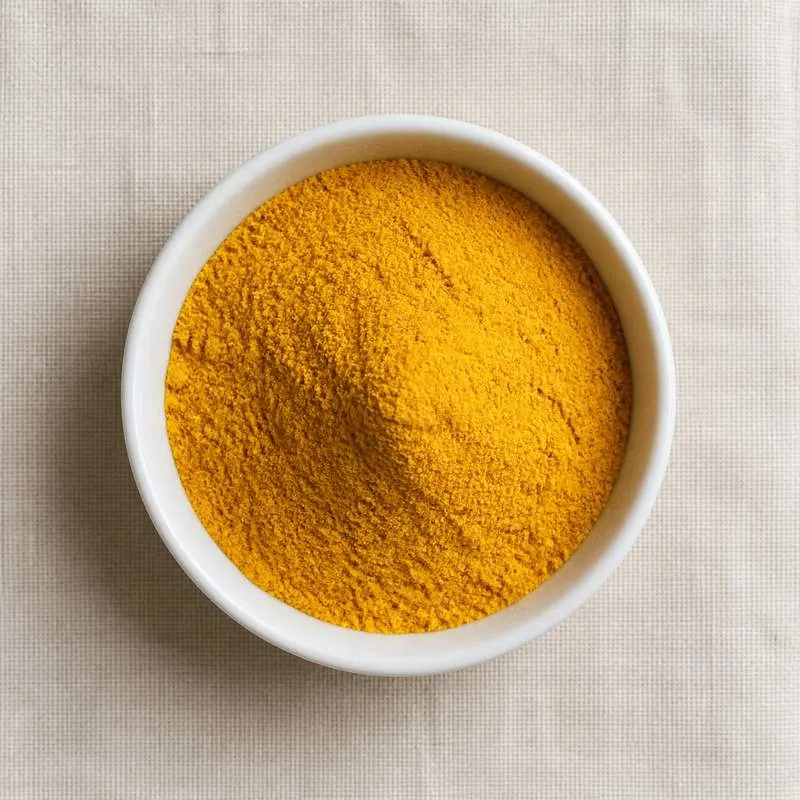
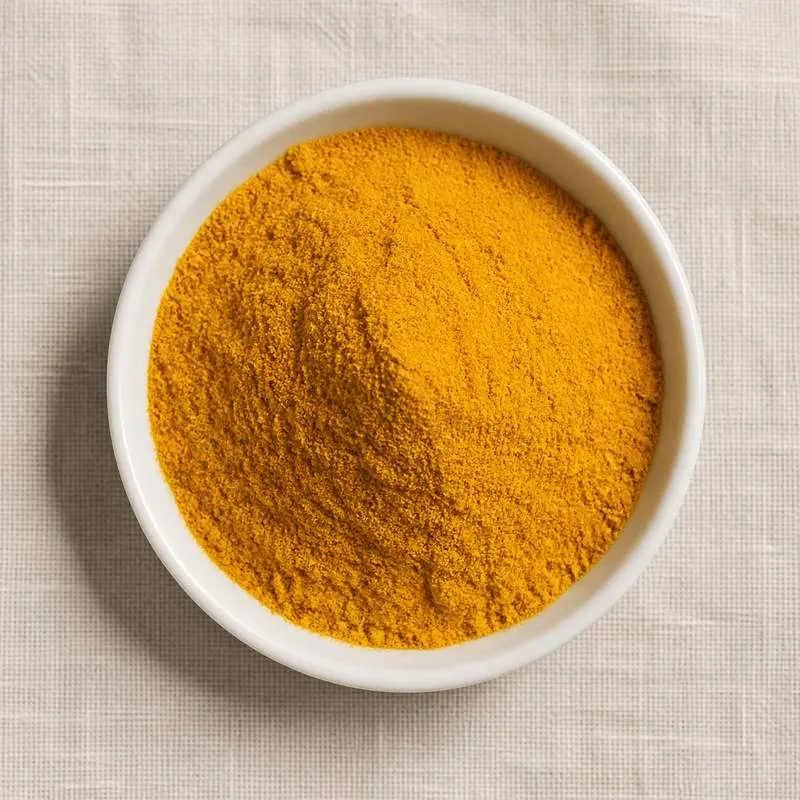
The commercial powder is yellow brown to dark brown, freely soluble in hot water and in dilute alkali, and poorly soluble in cold acid solution, where glycyrrhizic acid tends to precipitate as the free acid. That behaviour decides formulation: the ammoniated salt is used where clarity in a beverage matters. The material is hygroscopic and cakes if exposed to humidity, so it is packed under a moisture barrier.
We source bulk Powdered Glycyrrhiza Extract from top China manufacturers for our partners. The manufacturer is in Shaanxi. A smaller requirement can ship in a combined container with other ingredients.
Please send the grade you need, the volume and your destination port, and we will come back with a solution and a price.
or call +86-21-6858 0751
- Function
- Plant extract
Specifications
| Item | Specification |
|---|---|
| Appearance | Yellow brown to dark brown fine powder |
| Odour and Taste | Characteristic licorice, intensely sweet with lingering finish |
| Glycyrrhizin (HPLC) | ≥ 20.0% |
| Identification | Conforms by HPLC against glycyrrhizic acid reference |
| Loss on Drying | ≤ 6.0% |
| Total Ash | ≤ 10.0% |
| Acid Insoluble Ash | ≤ 2.0% |
| pH of 1% solution | 4.5 to 6.5 |
| Particle Size | 100% through 80 mesh |
| Water Insoluble Matter | ≤ 2.0% |
| Lead | ≤ 2.0 mg/kg |
| Arsenic | ≤ 1.0 mg/kg |
| Cadmium | ≤ 1.0 mg/kg |
| Total Plate Count | ≤ 10,000 cfu/g |
| Yeast and Mould | ≤ 100 cfu/g |
| E. coli | Negative |
| Salmonella | Absent in 25 g |
Common Markets Grades
Grades are set by glycyrrhizin content. Crude block extract and spray dried powder run at 8 to 15 percent, standardised food and flavour grades at 20 to 25 percent, and purified grades at 40 to 70 percent. Above that the trade moves to isolated compounds: monoammonium glycyrrhizinate and dipotassium glycyrrhizinate at 95 to 98 percent, which are the salts used where a clear solution or a defined sweetness is required. Deglycyrrhizinated licorice, in which the saponin is removed and the flavonoid fraction retained, is a separate article sold for supplement use.
Physical forms cover spray dried powder at 80 mesh, granulated material that resists caking in dry blends, block or paste extract for traditional confectionery, and liquid extract at 30 to 60 percent solids. Flavonoid standardised grades quoted on glabridin content are made from Glycyrrhiza glabra root for cosmetic use, where glabridin rather than glycyrrhizin is the target.
Applications
- Licorice confectionery and pastilles, where the extract supplies both sweetness and the defining flavour
- Sweetener blends, where it rounds and extends the profile of high intensity sweeteners and masks their metallic finish
- Herbal and instant teas, a long established outlet in both Western and Asian markets
- Soft drinks and root beer style beverages, using the ammoniated salt for clarity in an acid system
- Pharmaceutical syrups and lozenges, where it masks bitter actives and contributes a demulcent character
- Tobacco casings and oral pouches, historically one of the largest volume applications
- Savoury seasoning and soy based sauces in Asian cooking, where it balances salt
- Dietary supplements, in both standardised and deglycyrrhizinated forms
- Skin brightening and soothing cosmetics, using glabridin standardised grades
- Toothpaste and mouthwash, for sweetness without fermentable sugar
Brands Using Powdered Glycyrrhiza Extract
Widely-distributed consumer products that list Powdered Glycyrrhiza Extract on the ingredient label.
- Viridian NutritionLicorice Extract Capsules ↗Each capsule contains 250 mg of standardised Glycyrrhiza glabra root extract at 20 percent glycyrrhizic acid.Label verified 2026-08-31
- Vital NutrientsLicorice Root Extract 400 mg Capsules ↗A 400 mg licorice root extract capsule supplying glycyrrhizin as its main bioactive component.Label verified 2026-08-31
Brand names, product names and logos are the property of their owners. They appear here as published evidence that the ingredient is used, taken from the brand's own label or website. Their appearance is not an endorsement, and it does not mean the brand buys from us or from any manufacturer listed on this site.
China Manufacturers of Powdered Glycyrrhiza Extract
Top Powdered Glycyrrhiza Extract manufacturers in China.
Company names and logos are the property of the manufacturers themselves. They are listed here because our own directory records them as producing this ingredient. A listing is not an endorsement by them, and we do not represent them or speak on their behalf.
Regulatory Status
In the United States licorice and its derivatives are affirmed as generally recognised as safe under 21 CFR 184.1408, which covers licorice, licorice extract, ammoniated glycyrrhizin and monoammonium glycyrrhizinate and sets out the food categories and functions in which they may be used, including as flavouring and surface active agents. That regulation also states the maximum use levels by food category, and the substances are declared on labels by their common names.
In the European Union licorice extract is treated as a flavouring under Regulation 1334/2008 rather than as an additive, so it carries no E number. Regulation 1169/2011 requires an additional label statement on confectionery and beverages containing glycyrrhizinic acid or its ammonium salt above defined thresholds, warning that the product contains licorice and, at higher levels, that people with high blood pressure should avoid excessive consumption. The Joint FAO WHO Expert Committee has evaluated glycyrrhizinic acid and its ammonium salt as flavouring agents, and the Scientific Committee on Food has issued an opinion on glycyrrhizinic acid intake. Codex has no commodity standard for licorice extract.
Manufacturing Process
Dried licorice root and stolon are cleaned, chopped and milled to a coarse cut, then extracted in counter current flow with hot water at 80 to 95 degrees Celsius over several stages, sometimes with a small addition of ammonia or alkali that improves the solubility and yield of glycyrrhizic acid. The liquor is separated from the spent root on a decanter centrifuge and screened.
The crude liquor is clarified by settling, plate filtration and often ultrafiltration, which removes protein, starch and colloidal material that would otherwise carry through and cause haze. It is then concentrated in a falling film vacuum evaporator to 40 to 60 percent solids. For higher assay grades the concentrate is acidified so that glycyrrhizic acid precipitates as the free acid, and the precipitate is recovered by filtration, washed and either dried directly or neutralised with ammonia or potassium hydroxide to make the corresponding salt, then crystallised. Standard powder grades are made instead by taking the clarified concentrate straight to a spray drier, with or without a maltodextrin carrier. Powder is sieved, assayed by HPLC and packed under a moisture barrier.