Probiotic Fermented Tea Juice
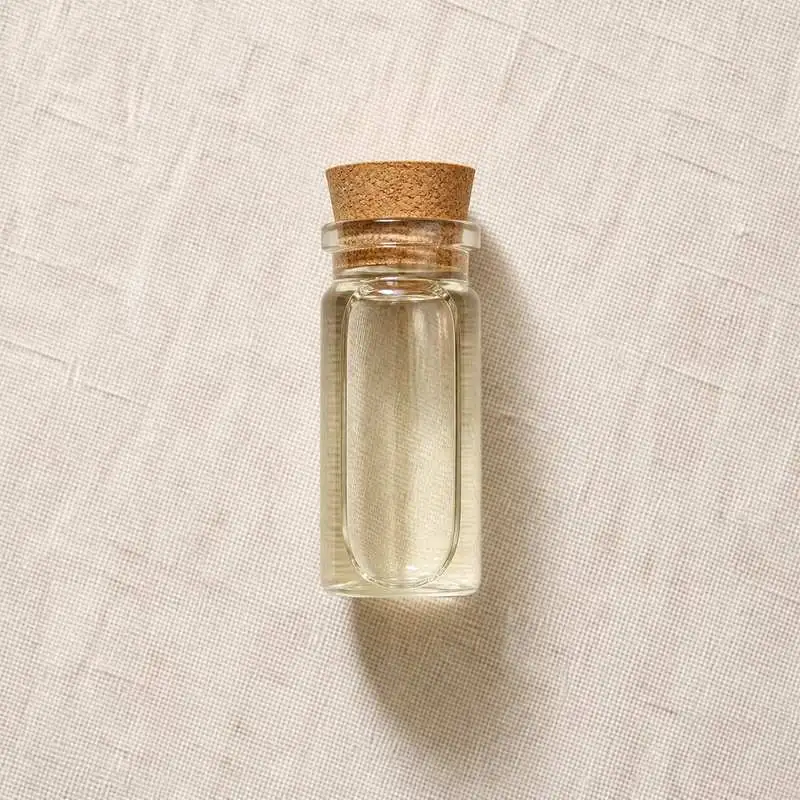
Probiotic Fermented Tea Juice is a liquid beverage base produced by controlled fermentation of a brewed tea infusion (green, black, oolong, or white) with a defined consortium of probiotic lactic acid bacteria and, in some variants, food-grade yeasts.
The finished base carries the natural polyphenol load of the source tea, organic acids generated during fermentation (lactic acid, acetic acid, gluconic acid), low residual sugars, and a defined microbial population that may be live or inactivated depending on the customer specification.
We source bulk Probiotic Fermented Tea Juice from top China manufacturers for our partners. The manufacturer is in Jiangsu. A smaller requirement can ship in a combined container with other ingredients.
Please send the grade you need, the volume and your destination port, and we will come back with a solution and a price.
or call +86-21-6858 0751
- Packaging
- 20 kg fibre drum with double PE liner
- ISO 9001
- HACCP
- Halal
- Kosher
Specifications
| Item | Specification |
|---|---|
| Appearance | Amber to dark brown clear liquid |
| Total Solids | 4–12% |
| Tea Polyphenols | ≥0.1% |
| Organic Acids | 0.5–1.5% |
| pH | 3.2–4.0 |
| Live Culture (non-pasteurised) | ≥10⁸ CFU/ml |
| Pasteurised Version | Culture negative |
| Heavy Metals (as Pb) | ≤1 mg/kg |
| Total Plate Count (pasteurised) | ≤100 cfu/ml |
| Coliforms | Negative |
| Salmonella | Absent in 25ml |
| Shelf Life (pasteurised) | 12 months ambient |
| 網站空間 | 最小空間1G |
| 作業系統 | Windows 2022 |
| 專屬網站名稱 | V |
| IP位置 | V (共用固定IP) |
| Web伺服器 | IIS 10 |
| 資料庫 | MS SQL 2019(*) |
| 上傳方式 | FTP |
| 語言 | ASP, ASP.NET 2~4.8 |
| SSL支援 | 有 |
Common Markets Grades
Probiotic Fermented Tea Juice trades in three principal formats.
Live concentrate is produced refrigerated at total solids of 8 to 14 percent, with a defined live cell count typically in the range of 1 to 10 billion CFU/mL.
Pasteurised concentrate is produced ambient at the same solids range, with the live cell count replaced by a postbiotic dead-cell specification.
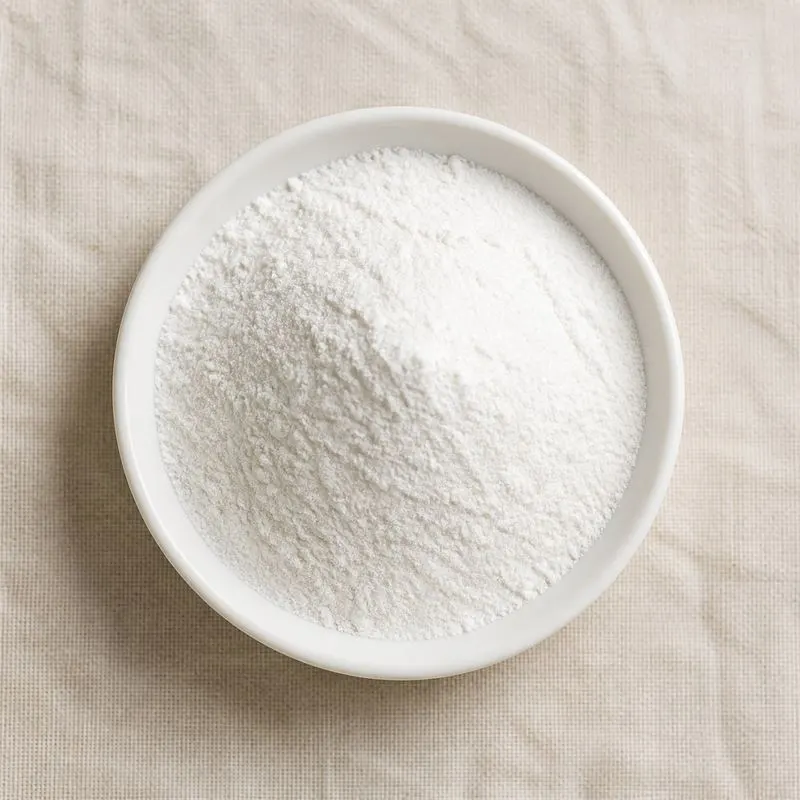
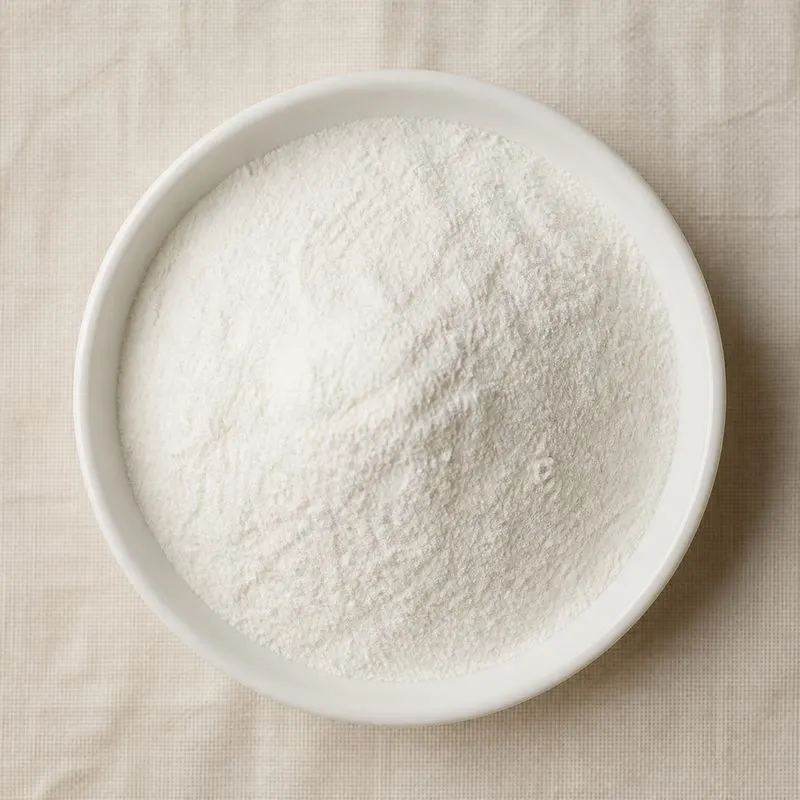
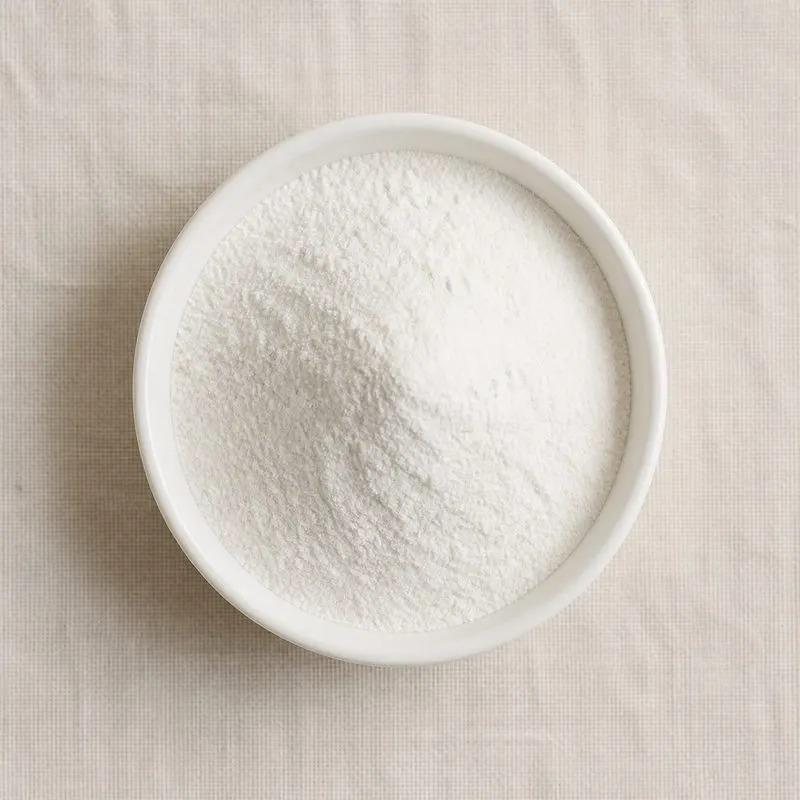
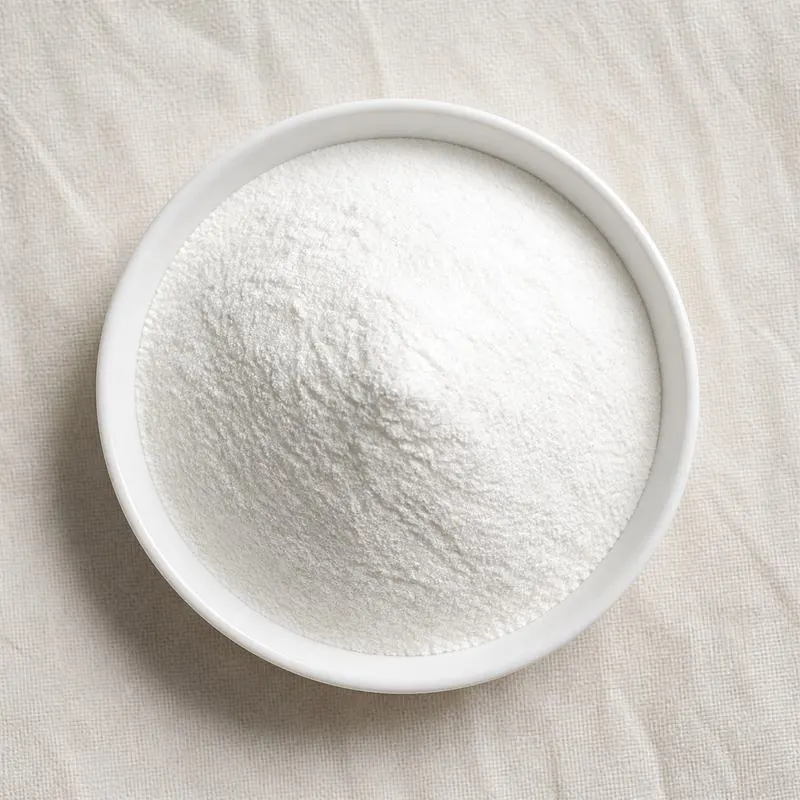
Spray-dried powder holds moisture below 6 percent, with maltodextrin or skim milk carrier, for dry beverage and supplement applications.
The tea base can be customized to green, black, oolong, white, or pu-erh, each contributing a different polyphenol profile (catechins for green and white, theaflavins for black, partial overlap for oolong, microbially modified polyphenols for pu-erh).
Each lot is qualified for total solids, lactic acid, total polyphenols, microbial counts, and absence of pathogens.
Applications
- Ready-to-drink fermented tea beverages in the kombucha-adjacent category
- Functional shot products positioned for gut and immune support
- Sparkling and still beverage bases for craft beverage brands
- Iced tea formulations with a fermentation-positioned profile
- Yogurt drinks and fermented dairy beverages with a tea overlay
- Plant-based fermented beverages including oat and almond bases
- Sports and recovery drinks in the fermented and functional category
- Mocktail and non-alcoholic spirits with fermentation-derived complexity
- Adult gummy and chewable supplement formats using the dried powder
- Cosmetic formulations targeting microbiome and antioxidant claims
- Vinegar and dressing bases with a tea-fermentation profile
China Manufacturers of Probiotic Fermented Tea Juice
Top Probiotic Fermented Tea Juice manufacturers in China.

Company names and logos are the property of the manufacturers themselves. They are listed here because our own directory records them as producing this ingredient. A listing is not an endorsement by them, and we do not represent them or speak on their behalf.
How We Help Source Probiotic Fermented Tea Juice
Direct Factory Sourcing
We run the whole process: selecting the manufacturer from the top Chinese food ingredient producers, negotiating the price, verifying quality, and coordinating the logistics. You deal with us instead of with several factories at once.
Original Packaging and Documents from the Manufacturer
The manufacturer sends your Probiotic Fermented Tea Juice out of its own factory in the original packing, through to your destination port. The COA, COO, MSDS, TDS and any certifications reach you from the manufacturer as well.
Free Samples and Lead Time
We send 100 to 500 g free for your own laboratory to test and you cover only the courier, usually within 2 to 3 working days. ETD is usually within 7 to 15 days once the order is confirmed, and we check that date against the factory's own manufacturing schedule before we give it to you.
Combined Shipment
We can load Probiotic Fermented Tea Juice together with other ingredients such as Postbiotics, Yeast β-Glucan and Selenium Enriched Yeast into one 20' FCL. If your quantity is small, we can also ship LCL.
Regulatory Status
Probiotic Fermented Tea Juice is regulated as a fermented beverage ingredient.
In the U.S. the underlying tea is GRAS and the lactic acid bacteria used in fermentation are widely covered by GRAS notifications.
The EU treats fermented tea beverages under the general food framework, with attention to alcohol content (which can rise above the 0.5 percent ABV threshold during long fermentations if yeasts are co-cultured) and Novel Food considerations for any non-traditional strain.
The 2021 ISAPP consensus definitions distinguish live probiotic preparations from postbiotic preparations, both of which can be sold under this ingredient class depending on processing.
The substance is not currently subject to a specific Codex Alimentarius standard, but Codex CXS 243-2003 (fermented milks) and emerging fermented beverage frameworks provide reference points. Halal, Kosher, and organic certifications exist depending on source tea and processing aids.
Manufacturing Process
Production begins with brewing a tea infusion at 1 to 2 percent dry tea weight in hot water (75 to 95 degrees Celsius depending on tea type), with infusion times calibrated to the polyphenol target.
The infusion is cooled, filtered, and sweetened with food-grade sucrose, glucose, or fruit-derived sugars to a defined starting Brix (typically 6 to 10 percent).
The medium is inoculated with a defined starter culture, which may include Lactobacillus plantarum, Lactobacillus rhamnosus, Lactobacillus casei, Lactobacillus paracasei, or related species, sometimes in co-culture with Saccharomyces yeasts.
Fermentation is run at 25 to 35 degrees Celsius in stirred-tank fermenters for 24 to 96 hours, with pH dropping to the target endpoint (typically 3.2 to 3.8).
At the endpoint, the broth is either chilled and filled as a live concentrate, or pasteurised at 72 to 85 degrees Celsius and concentrated for postbiotic supply. Spray-drying with a suitable carrier produces the powder format. Each lot is verified by pH, total acidity, microbial counts, and polyphenol content.