Rongke Custard Cream
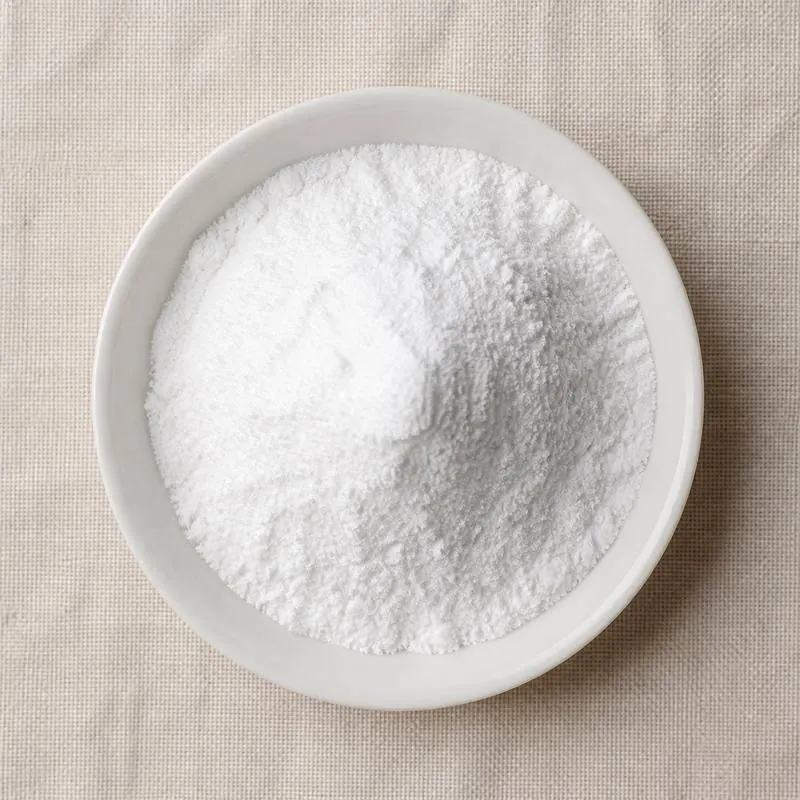
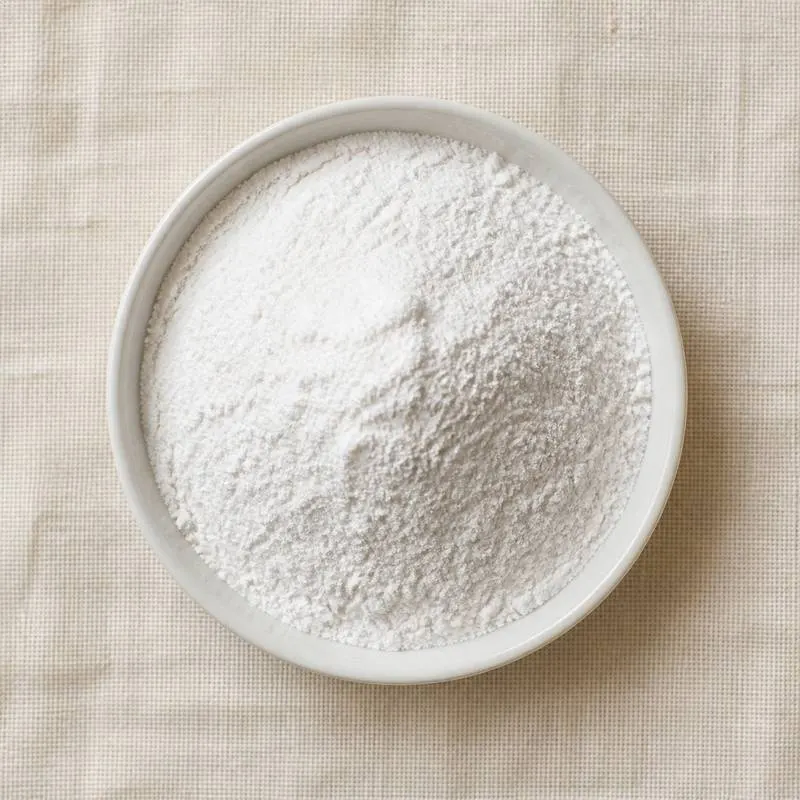
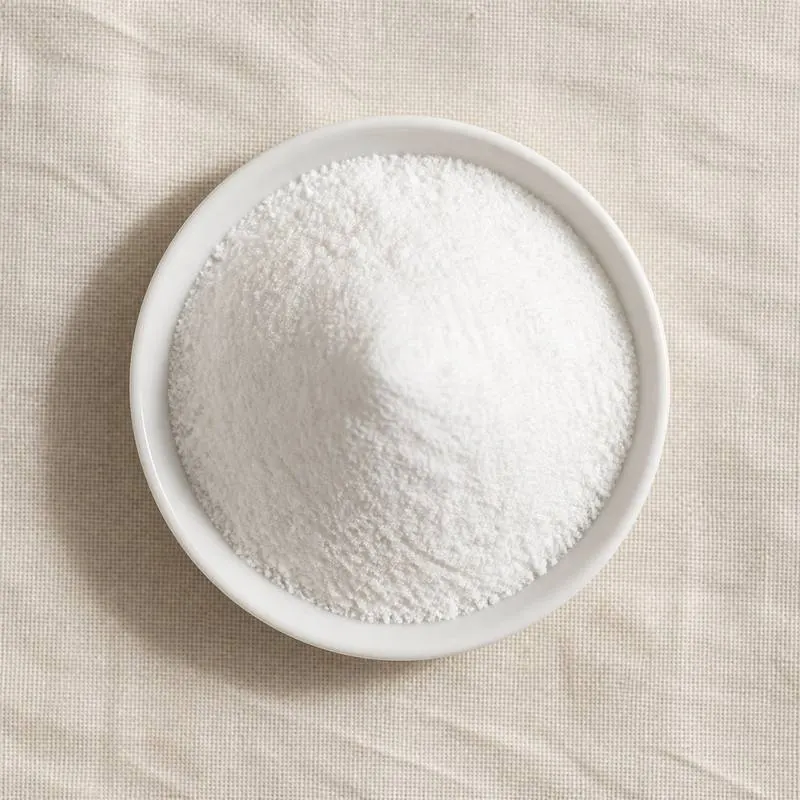
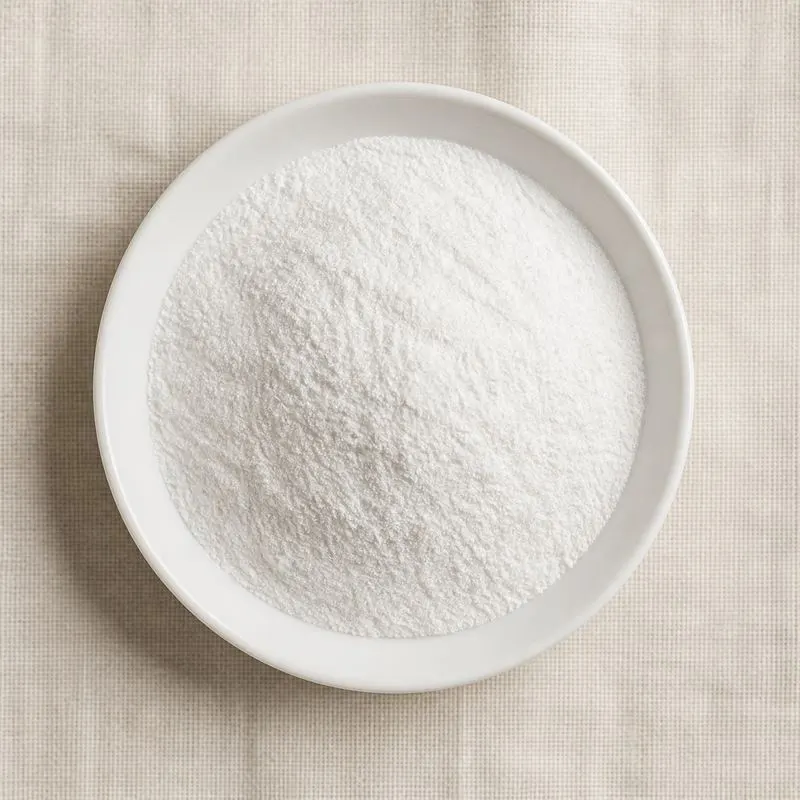
Custard cream is a ready to use bakery filling of the pastry cream type, a starch thickened dairy or dairy analogue base cooked with sugar, fat and flavour into a smooth pipeable paste that holds its shape through baking.
Structurally it is a starch gel carrying an emulsified fat phase. Native or modified starch is gelatinised in the aqueous phase and sets the body, milk protein or a plant protein substitute contributes flavour and helps stabilise the emulsion, and sugar controls both sweetness and water activity. Where egg yolk is present it adds lecithin, colour and the traditional custard flavour, but many industrial creams are formulated without egg and rely on colour and flavour additions instead. The critical property for a bakery filling is bake stability: the starch system must resist thinning and boil out at oven temperature, and must not weep or crack when the finished product is chilled or frozen, which is why cross linked modified starches are usual in place of native starch alone.
It is a smooth pale yellow paste, filled into pails, cartons, aseptic bags or piping ready pouches, at soluble solids in the high forties to sixties and a water activity low enough to slow microbial growth. Product is normally pasteurised and held chilled, with aseptically filled grades traded for ambient distribution.
We source bulk Rongke Custard Cream from top China manufacturers for our partners. The manufacturer is in Guangdong. A smaller requirement can ship in a combined container with other ingredients.
Please send the grade you need, the volume and your destination port, and we will come back with a solution and a price.
or call +86-21-6858 0751
- Function
- Bakery ingredient
Specifications
| Item | Specification |
|---|---|
| Appearance | Smooth homogeneous cream, free from lumps, skin and foreign matter |
| Colour | Pale cream to light yellow, uniform |
| Flavour and odour | Characteristic custard, no scorched, sour or oxidised note |
| Total soluble solids | 48 to 62 degrees Brix |
| Moisture | 45.0 percent maximum |
| Fat | 8 to 18 percent |
| pH | 6.2 to 7.0 |
| Water activity | 0.88 maximum |
| Bake stability | No boil out or separation after 15 minutes at 200 degrees Celsius |
| Lead | 0.2 mg/kg maximum |
| Total plate count | 1,000 cfu/g maximum |
| Yeast and mould | 50 cfu/g maximum |
| Staphylococcus aureus | Negative in 1 g |
| Salmonella | Negative in 25 g |
Common Markets Grades
The trade divides first on function. Bake stable creams, formulated with cross linked starch and higher solids, are used where the filling goes into the oven. Cold process creams, thickened with pregelatinised starch, are made up on the bench without cooking. Freeze thaw stable grades are adjusted with stabiliser and hydrocolloid so that the gel does not release water after frozen distribution.
Composition gives the second division: dairy creams built on milk or milk powder, dairy free creams using vegetable fat and plant protein, egg containing and egg free versions, and reduced sugar grades sweetened in part with polyols. Format is the third, covering ready to use paste in pails and bags, aseptic packs for ambient storage, and dry custard cream powder that the bakery hydrates with water or milk on site. Flavour variants including vanilla, chocolate, taro, matcha, cheese and fruit lines are sold across all of these formats.
Applications
- Filled buns and sweet rolls, piped into the dough before proof and held through baking without boil out
- Danish pastry and laminated goods, deposited in the centre of the piece before the oven
- Choux pastry, eclairs and profiteroles, injected after baking and cooling
- Tarts and flans, spread as the base layer under fruit
- Cakes and layer cakes, used as a filling between sponge layers
- Egg tart and custard tart fillings, deposited into the shell before baking
- Doughnuts and fried filled goods, injected after frying and draining
- Steamed buns with custard centres, portioned and enclosed before steaming
- Frozen dessert and chilled dessert cups, layered as a cream phase
China Manufacturers of Rongke Custard Cream
Top Rongke Custard Cream manufacturers in China.
Company names and logos are the property of the manufacturers themselves. They are listed here because our own directory records them as producing this ingredient. A listing is not an endorsement by them, and we do not represent them or speak on their behalf.
Regulatory Status
Custard cream is a composite food rather than a food additive, so it carries no E number of its own. The general hygiene and process control frameworks govern manufacture: Regulation 852/2004 with the general food law in the European Union and the preventive controls rules of 21 CFR Part 117 in the United States; where the base is dairy the specific hygiene rules of Regulation 853/2004 apply in the European Union. The pasteurisation and hot fill steps are normally documented as critical control points, since the product is a high moisture, near neutral pH food and its safety rests on the thermal process and on post process protection.
Individual functional ingredients carry their own status. Regulation 1333/2008 authorises modified starches such as acetylated distarch adipate and hydroxypropyl distarch phosphate as food additives in the European Union, with purity criteria in Regulation 231/2012, and 21 CFR 172.892 permits them as food starch modified in the United States. Carrageenan is E407, and 21 CFR 172.620 permits it. In the United States 21 CFR 182.3640 and 21 CFR 184.1733 permit the preservatives used in ambient grades, potassium sorbate as E202 and sodium benzoate as E211. Colours and flavours must be checked individually against the destination market. Labelling follows composite food rules, with milk, egg, soya and wheat derived components declared as allergens where present.
Manufacturing Process
Water, or milk and water, is metered into a jacketed mixing vessel and the dry components, sugar, starch, milk powder, protein and stabiliser, are dispersed under agitation with the starch pre blended with sugar so it hydrates without lumping. Fat is added as oil or as a melted hardened fat, and the mixture is heated with continuous agitation to gelatinise the starch, typically to somewhere between 85 and 95 degrees Celsius in a scraped surface or steam jacketed cooker, or through a tubular heat exchanger on continuous lines. Cooking is held long enough to develop full viscosity and to pasteurise the batch.
The hot cream is homogenised to reduce fat globule size and give a smooth mouthfeel, then flavour, colour and any heat sensitive component are dosed in at the end. Product intended for chilled distribution is hot filled into pails or bags above 85 degrees Celsius so that filling temperature serves as the final pasteurisation, then cooled rapidly in a blast tunnel or water bath. Aseptic grades are sterilised in line, cooled and filled cold into presterilised bag in box. Dry powder grades follow a different route, in which pregelatinised starch, sugar, milk powder, fat powder and flavour are dry blended and packed, with no cooking step at the manufacturer.