Roxburgh Rose P.e. Sod
Roxburgh rose P.E. SOD is an extract of the fruit of Rosa roxburghii, a thorny rose of southwest China known locally as cili, standardised on superoxide dismutase activity. Superoxide dismutase is a metalloenzyme that catalyses the conversion of the superoxide radical to hydrogen peroxide and oxygen, and Rosa roxburghii fruit carries it at an unusually high natural level, which is the basis of the product.
The same fruit is also one of the richest natural sources of ascorbic acid, holding it at concentrations far above citrus, and it carries triterpene acids, flavonoids and fruit polysaccharides. Commercial extracts are therefore sold on two markers, enzyme activity expressed in units per gram and vitamin C content, and a specification names both.
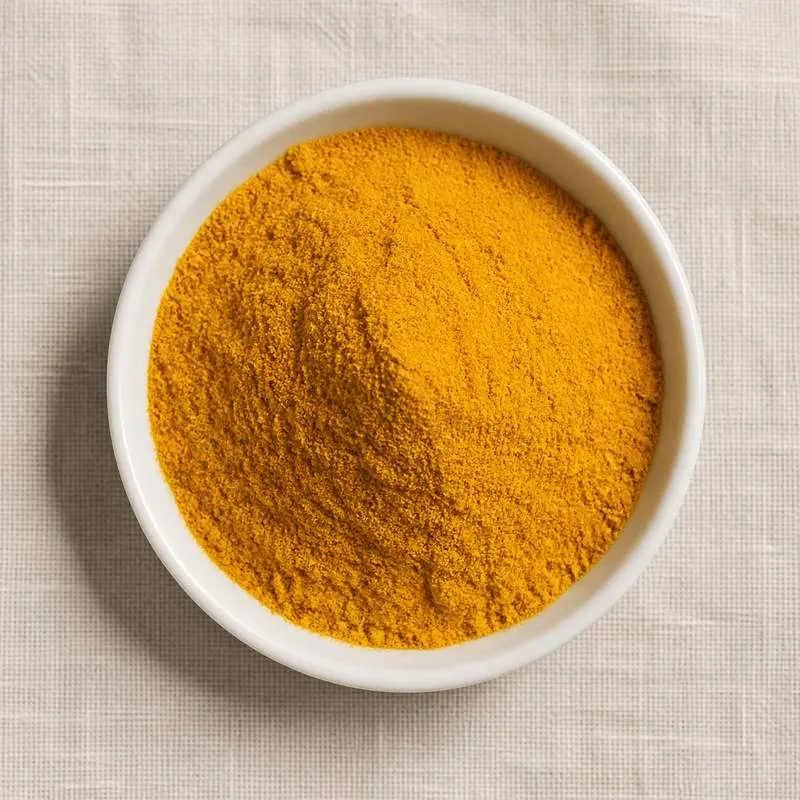
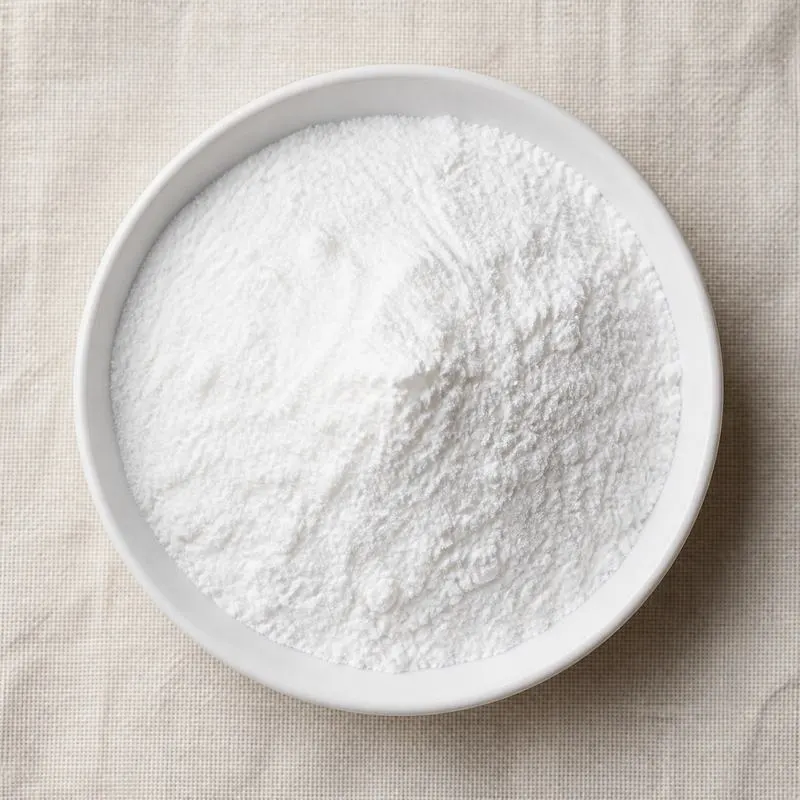
The material is a light yellow to pale brown hygroscopic powder, freely soluble in water, tart and mildly astringent. Because the active is a protein, its behaviour is quite unlike that of a small molecule extract: activity is lost on heating above roughly 60 degrees Celsius, at extreme pH, and on prolonged exposure to moisture, so the extract is produced by low temperature drying and stored cool in a moisture tight pack. Ascorbic acid in the same powder oxidises in the presence of air, moisture and metal ions.
We source bulk Roxburgh Rose P.e. Sod from top China manufacturers for our partners. The manufacturer is in Shaanxi. A smaller requirement can ship in a combined container with other ingredients.
Please send the grade you need, the volume and your destination port, and we will come back with a solution and a price.
or call +86-21-6858 0751
- Function
- Plant extract
Specifications
| Item | Specification |
|---|---|
| Appearance | Light yellow to pale brown fine powder |
| Odour and Taste | Characteristic fruity, tart and mildly astringent |
| Superoxide Dismutase Activity | ≥ 50,000 units per gram |
| Vitamin C (HPLC) | ≥ 5.0% |
| Total Polyphenols | ≥ 5.0% |
| Identification | Conforms by enzyme inhibition assay and HPLC fingerprint |
| Loss on Drying | ≤ 5.0% |
| Total Ash | ≤ 8.0% |
| pH of 1% solution | 3.0 to 4.5 |
| Particle Size | 100% through 80 mesh |
| Lead | ≤ 1.0 mg/kg |
| Arsenic | ≤ 1.0 mg/kg |
| Cadmium | ≤ 1.0 mg/kg |
| Total Plate Count | ≤ 5,000 cfu/g |
| Yeast and Mould | ≤ 100 cfu/g |
| E. coli | Negative |
| Salmonella | Absent in 25 g |
Common Markets Grades
Grades are quoted first on superoxide dismutase activity, commonly at 20,000, 50,000, 100,000 or 200,000 units per gram determined by an inhibition assay, and second on vitamin C content, typically between 1 and 20 percent depending on how far the extract has been concentrated. Because both actives degrade, the specification states an activity at time of manufacture together with a shelf life and storage condition, which matters more here than for a stable small molecule.
Physical grades cover freeze dried powder, which retains the most activity, and low temperature spray dried powder carried on maltodextrin, which is cheaper and more free flowing. Fruit juice powder without an activity claim, and simple fruit powder made by milling the whole dried fruit, are traded alongside the enzyme standardised extract and should not be confused with it. Organic certified fruit is available, and enteric coated and microencapsulated versions are made where the enzyme is to survive the stomach.
Applications
- Dietary supplements in capsule and tablet form standardised on superoxide dismutase activity
- Antioxidant and anti-ageing formulations, the principal supplement positioning for the extract
- Vitamin C supplements built on a whole fruit rather than a synthetic ascorbic acid source
- Functional beverages and instant drink powders in the Chinese wellness market
- Fruit juice and blended juice drinks, where the fruit contributes tartness and vitamin C
- Confectionery, jellies and gummies in the natural fruit and wellness category
- Sports nutrition products positioned on oxidative stress and recovery
- Skin care serums and creams, where the enzyme and polyphenol fractions are used for radical scavenging
- Fermented drinks and enzyme beverages, a large category for this fruit in Asian markets
China Manufacturers of Roxburgh Rose P.e. Sod
Top Roxburgh Rose P.e. Sod manufacturers in China.
Company names and logos are the property of the manufacturers themselves. They are listed here because our own directory records them as producing this ingredient. A listing is not an endorsement by them, and we do not represent them or speak on their behalf.
Regulatory Status
In the United States Rosa roxburghii fruit and its juice are foods, and extracts of the fruit are used as dietary ingredients under the Dietary Supplement Health and Education Act. Superoxide dismutase preparations have no food additive regulation and no listing among substances generally recognised as safe for general food use, so use outside the supplement category would rest on a GRAS conclusion for the specific preparation. Claims are limited to structure and function statements, and any enzyme activity claim on a finished supplement must be substantiated by the stated assay method.
In the European Union the extract carries no E number because it is not an additive. Rosa roxburghii has no established record of significant consumption in the Union before May 1997, so both the fruit preparation and the enzyme enriched extract fall within the scope of Regulation 2015/2283 on novel foods, and marketing as a food or supplement ingredient depends on an authorisation covering the specific preparation. Any health claim relating to antioxidant activity would additionally need authorisation under Regulation 1924/2006, and general antioxidant claims of this kind have not been authorised. Regulation 1223/2009 governs cosmetic use. Codex has no standard for the material.
Manufacturing Process
Fruit is harvested at maturity, washed, sorted and destoned, then pulped cold, because both the enzyme and the ascorbic acid begin to degrade once the fruit is heated. The pulp is treated with pectinase at low temperature to break the cell wall and release the juice, then pressed and the juice separated on a decanter centrifuge. The whole front end is run cool and, in better plants, under nitrogen, since oxygen contact costs vitamin C directly.
The juice is clarified by fine filtration and then concentrated by membrane processes rather than by evaporation: ultrafiltration retains the enzyme and the larger polysaccharides while allowing sugars and salts through, and reverse osmosis removes water at ambient temperature. Where a higher activity grade is required, the retentate is fractionated further by ion exchange or by ammonium sulphate precipitation to enrich the protein fraction, and the salt is then removed by diafiltration. The concentrate is standardised, blended with maltodextrin where a carrier is used, and freeze dried or spray dried at the lowest workable inlet temperature. Powder is assayed for enzyme activity and vitamin C, then packed under nitrogen with a desiccant.