Salmon Nasal Cartilage Extract
Salmon nasal cartilage extract is a proteoglycan-rich material obtained from the nasal septum cartilage of salmon, sold to the food supplement and functional beverage trade as a source of intact proteoglycan and associated chondroitin sulphate.
The principal component is an aggrecan-type proteoglycan, a core protein carrying multiple glycosaminoglycan chains, mainly chondroitin sulphate. Salmon nasal septum is used in preference to bovine or porcine cartilage because the tissue is unusually rich in proteoglycan and because the extraction can be run under mild acidic conditions that leave the glycosaminoglycan chains attached to the core protein rather than cleaving them.
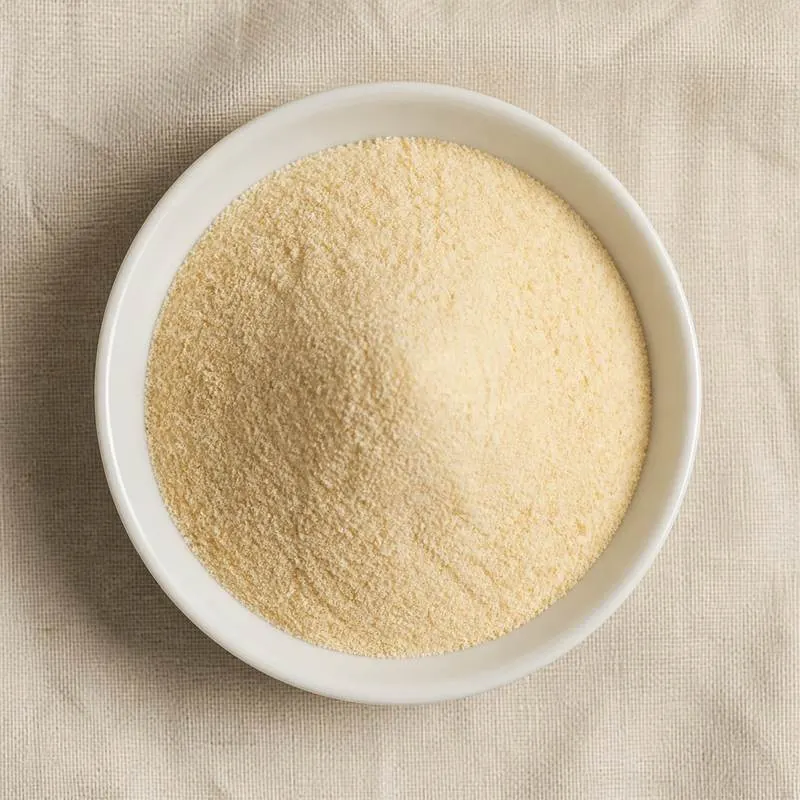
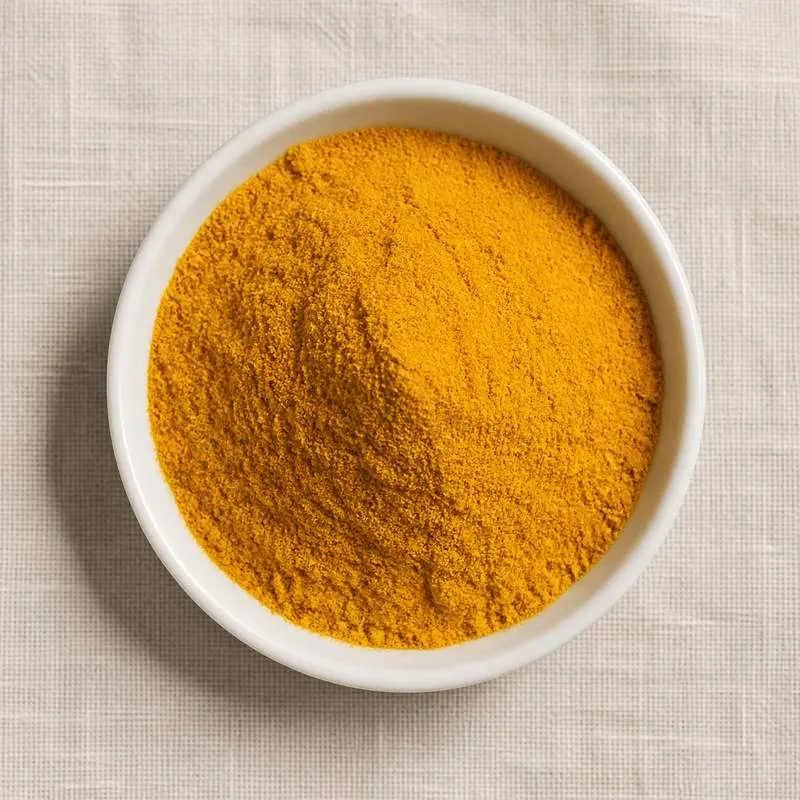
The commercial form is a pale cream to light brown hygroscopic powder, spray dried or freeze dried, with a faint marine odour. It disperses in cold water to a slightly viscous, cloudy solution and is stable in the mildly acidic range typical of drink applications. Prolonged heating at low pH degrades the proteoglycan, so it is normally added after pasteurisation or dosed into cold-filled formats.
We source bulk Salmon Nasal Cartilage Extract from top China manufacturers for our partners. The manufacturer is in Guangdong. A smaller requirement can ship in a combined container with other ingredients.
Please send the grade you need, the volume and your destination port, and we will come back with a solution and a price.
or call +86-21-6858 0751
- Function
- Plant extract
Specifications
| Item | Specification |
|---|---|
| Appearance | Pale cream to light brown fine powder |
| Odour | Characteristic, faintly marine |
| Proteoglycan | 10.0 percent minimum |
| Protein | 50.0 to 75.0 percent |
| Identification | Conforms by cellulose acetate electrophoresis |
| Loss on drying | 7.0 percent maximum |
| Ash | 10.0 percent maximum |
| Particle size | 100 percent through 80 mesh |
| Heavy metals | 10 ppm maximum |
| Lead | 0.5 ppm maximum |
| Arsenic | 1.0 ppm maximum |
| Total plate count | 3,000 cfu per gram maximum |
| Yeast and mould | 100 cfu per gram maximum |
| E. coli | Negative in 1 gram |
| Salmonella | Negative in 25 grams |
Common Markets Grades
Trade grades are distinguished by proteoglycan content rather than by pharmacopoeial classification. A standardised food-grade powder typically declares proteoglycan at 8 to 15 percent, with higher-purity fractions at 30 percent and above available for capsule and tablet use. Material sold on a chondroitin sulphate basis is specified separately, usually at 10 to 25 percent.
Powder grades are milled to pass 80 mesh for dry blending, with finer grades used in effervescent and instant drink powders. A hydrolysed variant of lower molecular weight is offered where cold-water dispersion speed matters more than retaining the intact proteoglycan structure. There is no feed or pharmaceutical grade in normal trade; the material is sold as a food ingredient only.
Applications
- Joint-health capsules and tablets, where it is combined with glucosamine and type II collagen as a chondroitin sulphate carrier
- Beauty-from-within collagen drinks, dosed cold after pasteurisation to protect the proteoglycan chains
- Marine collagen peptide powders, added as a secondary active to broaden the connective-tissue claim set
- Jelly sticks and gummy formats aimed at the Japanese and Korean supplement markets, where the ingredient originated
- Functional yoghurt and fermented milk drinks, at levels low enough not to affect texture
- Instant powder sachets and effervescent tablets, using the finer milled grades for dispersion speed
- Sports nutrition blends positioned around cartilage and mobility rather than muscle
- Skin-care supplement blends where it is paired with hyaluronic acid and ceramide
China Manufacturers of Salmon Nasal Cartilage Extract
Top Salmon Nasal Cartilage Extract manufacturers in China.

Company names and logos are the property of the manufacturers themselves. They are listed here because our own directory records them as producing this ingredient. A listing is not an endorsement by them, and we do not represent them or speak on their behalf.
Regulatory Status
In the United States the ingredient is marketed as a dietary supplement component under the Dietary Supplement Health and Education Act rather than under a food additive regulation, and firms rely on new dietary ingredient notification or on documented pre-1994 marketing history. It is not the subject of a GRAS listing, and its use in conventional foods is limited on that basis. Fish-derived material must be declared as an allergen on United States labels.
In the European Union salmon nasal cartilage extract has no E number, since it is a nutritional ingredient rather than a food additive. Its status depends on the novel food rules: material without a documented history of significant consumption in the Union before May 1997 requires novel food authorisation, and marketing is otherwise restricted to food supplements in member states that permit it. Fish is a listed allergen and must appear in the ingredient declaration. No Codex commodity standard or JECFA specification covers the material.
Manufacturing Process
Production begins with frozen salmon heads, a by-product of fillet processing, from which the nasal septum cartilage is dissected and washed. The cartilage is defatted and deproteinised, then minced and extracted with acid, typically dilute acetic acid at low temperature, which solubilises the proteoglycan without breaking the glycosaminoglycan chains from the core protein. Enzymatic pretreatment with a food-grade protease is used in some plants to loosen the collagen matrix and raise yield.
The extract is separated from insoluble collagen residue by filtration or centrifugation, then concentrated and purified by ultrafiltration, which removes salts, small peptides and residual acid while retaining the high molecular weight proteoglycan fraction. The retentate is decolourised, sterile filtered where the specification requires it, and dried by spray drying or freeze drying. Freeze-dried material carries a higher proteoglycan assay because it avoids the thermal load of the spray tower. The dried powder is milled, screened and blended to a declared proteoglycan content.