Cartilage Extract
Cartilage extract is the water-soluble fraction recovered from animal cartilage, most commonly shark cartilage, bovine trachea and nasal septum, and chicken sternal cartilage. It is sold as a joint-health ingredient and as the raw material stream from which chondroitin sulphate and type II collagen are isolated.
Cartilage is a connective tissue built from a type II collagen fibril network embedded in a matrix of proteoglycans, principally aggrecan, whose glycosaminoglycan side chains are chondroitin 4-sulphate and chondroitin 6-sulphate. It also carries keratan sulphate, hyaluronic acid and a mineral fraction that is high in calcium and phosphorus, particularly in shark material where the tissue is calcified. A whole cartilage extract therefore contains a mixture of protein, peptides, glycosaminoglycans and minerals rather than a single defined compound, and it is specified accordingly.
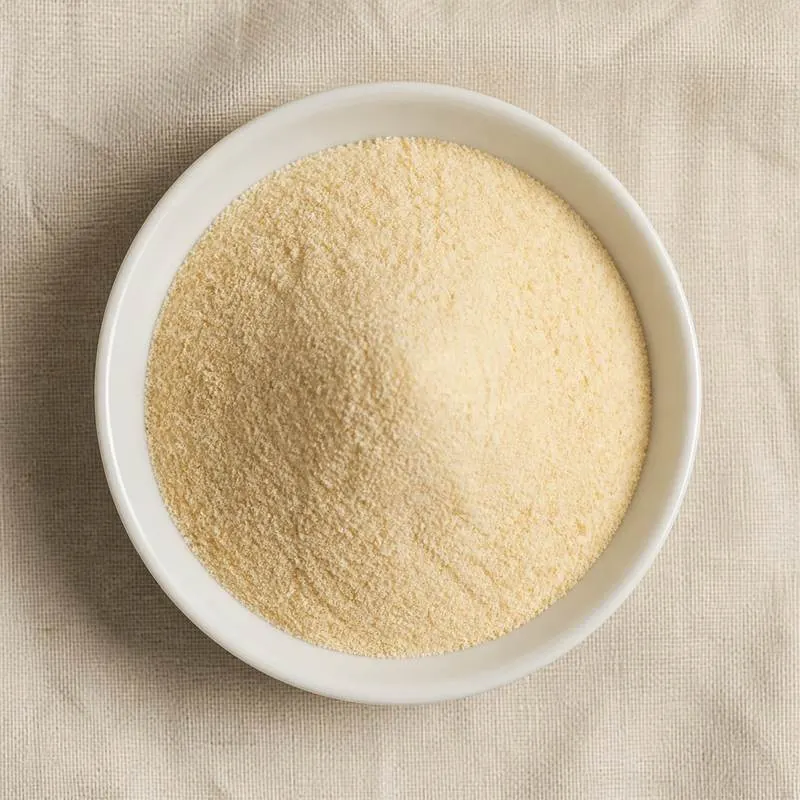
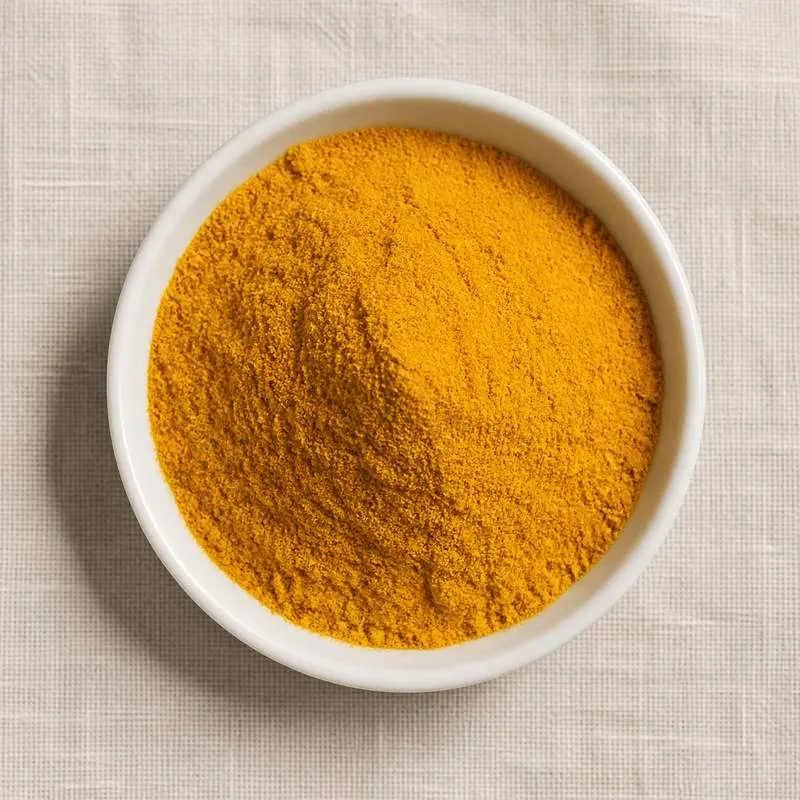
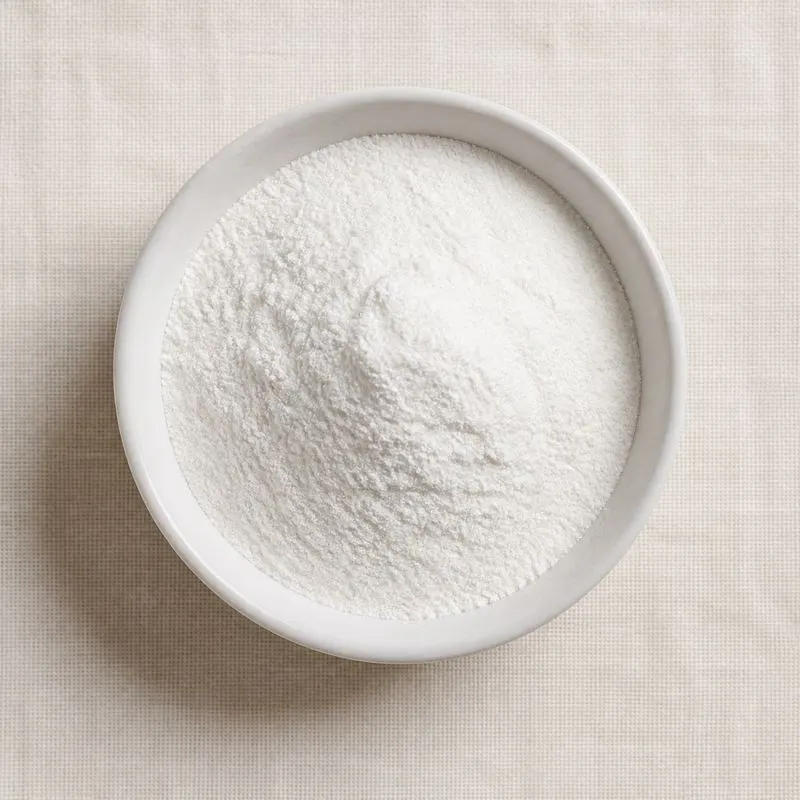
The finished powder is off-white to pale beige with a faint protein odour, hygroscopic, and dissolves or disperses in water to give a slightly viscous solution. The glycosaminoglycan fraction is stable to normal processing heat but is degraded by strong acid and by prolonged high temperature, and the peptide fraction can develop bitterness if hydrolysis is taken too far.
We source bulk Cartilage Extract from top China manufacturers for our partners. The manufacturers are in Hunan and Shandong. A smaller requirement can ship in a combined container with other ingredients.
Please send the grade you need, the volume and your destination port, and we will come back with a solution and a price.
or call +86-21-6858 0751
- Function
- Plant extract
Specifications
| Item | Specification |
|---|---|
| Appearance | Off-white to pale beige powder with faint characteristic odour |
| Chondroitin sulphate | 20.0 percent minimum |
| Identification | Electrophoresis and enzymatic digestion profile conform to reference |
| Protein (N x 6.25) | 35.0 percent minimum |
| Calcium | 12.0 percent maximum |
| Loss on drying | 8.0 percent maximum |
| Total ash | 35.0 percent maximum |
| pH (1 percent aqueous solution) | 6.0 to 8.0 |
| Lead | 1.0 mg/kg maximum |
| Arsenic | 1.0 mg/kg maximum |
| Mercury | 0.5 mg/kg maximum |
| Total plate count | 10000 cfu/g maximum |
| Escherichia coli | Absent in 1 g |
| Salmonella | Absent in 25 g |
Common Markets Grades
The trade separates whole cartilage powder, made by cleaning, drying and milling the tissue, from cartilage extract proper, in which the soluble fraction has been drawn off and dried. Extract grades are specified on chondroitin sulphate content, commonly 10, 20 or 40 percent by the enzymatic or titration method, with purified chondroitin sulphate sodium at 90 percent and above traded as a separate article. Undenatured type II collagen is a further distinct grade, made under low-temperature conditions specifically to keep the triple helix intact, and it is not interchangeable with hydrolysed material.
Species and tissue of origin are part of the grade description, both because composition differs and because bovine material carries transmissible spongiform encephalopathy sourcing requirements that shark and poultry material do not. Buyers also specify protein content, ash, which is high in shark cartilage owing to calcification, and calcium to phosphorus ratio. Hydrolysed low-molecular-weight grades are produced where solubility and taste matter more than molecular integrity.
Applications
- Joint health supplements in capsule and tablet form, usually alongside glucosamine and methylsulphonylmethane
- Raw material for chondroitin sulphate manufacture, the largest volume outlet
- Undenatured type II collagen supplements taken at low daily doses
- Functional powders and sachets for mobility and sports recovery
- Ready to drink joint health beverages using a hydrolysed soluble grade
- Companion animal joint supplements for dogs, cats and horses
- Collagen peptide blends where cartilage-derived material supplies type II collagen alongside type I
- Nutricosmetic formulations combining glycosaminoglycans with hyaluronic acid
Brands Using Cartilage Extract
Widely-distributed consumer products that list Cartilage Extract on the ingredient label.
Brand names, product names and logos are the property of their owners. They appear here as published evidence that the ingredient is used, taken from the brand's own label or website. Their appearance is not an endorsement, and it does not mean the brand buys from us or from any manufacturer listed on this site.
China Manufacturers of Cartilage Extract
Top Cartilage Extract manufacturers in China.
- Hunan Wuxing Biological Technology Co., Ltd.3 ingredients in the directory
 Meitek (Qingdao) Co., Ltd.13 ingredients in the directory
Company names and logos are the property of the manufacturers themselves. They are listed here because our own directory records them as producing this ingredient. A listing is not an endorsement by them, and we do not represent them or speak on their behalf.
Regulatory Status
In the United States cartilage-derived materials are used as dietary ingredients in supplements, and chondroitin sulphate derived from cartilage has a long history in that role. There is no general food additive regulation covering cartilage extract, and material used in conventional foods relies on GRAS conclusions for the defined use. The requirements that matter in practice concern the animal source: the material must come from animals slaughtered under inspection, and bovine-derived ingredients are subject to the rules on prohibited cattle materials introduced to control bovine spongiform encephalopathy, which restrict the tissues and the country of origin that may be used.
In the European Union cartilage extract is an ingredient of animal origin subject to the animal by-products legislation, which requires that only category three material fit for human consumption at the point of slaughter enters the food chain, and to establishment approval for the processing plant. Bovine material must also satisfy the transmissible spongiform encephalopathy specified risk material rules. There is no E number, as the extract is not an additive, and health claims for joint function are not authorised. Codex has not adopted specifications for cartilage extract; the general Codex provisions on contaminants and hygiene, together with the code of practice for meat hygiene, apply to the raw material.
Manufacturing Process
Cartilage is recovered at the slaughterhouse or fish processing plant, trimmed free of adhering muscle, fat and bone, and washed. It is chilled or frozen promptly because the tissue carries its own proteases and spoils quickly. At the extract plant the material is thawed, minced and defatted, usually with a hot water or dilute alkali wash that also removes residual soft tissue, then rinsed until neutral.
Extraction follows one of two routes depending on the target. For chondroitin-rich extract the cleaned tissue is digested with a protease, commonly a bacterial or plant enzyme, at controlled pH and temperature, which cleaves the core protein and releases the glycosaminoglycan chains into solution; the enzyme is then inactivated by heat. For undenatured type II collagen the temperature is held low throughout and only mild enzymatic loosening is used, since heat would unwind the helix. The digest is clarified by centrifuge and filtration, and the soluble fraction is purified by ultrafiltration or by alcohol precipitation, which drops the glycosaminoglycans out of solution while salts and small peptides remain behind. The precipitate is redissolved, decolourised over carbon or resin where necessary, concentrated under vacuum, then spray dried or freeze dried, sieved and packed.