Sophora Japonica Extract
Sophora Japonica Extract is a concentrated preparation of the unopened flower buds of Styphnolobium japonicum (formerly Sophora japonica), the Japanese pagoda tree, a deciduous member of the Fabaceae family widely planted across China, Korea, and Japan.
The buds are the richest commercial botanical source of rutin, a quercetin-3-rutinoside flavonoid glycoside. Quercetin, the corresponding aglycone, is the second principal compound recovered from the same starting material by enzymatic or acid hydrolysis.
We source bulk Sophora Japonica Extract from top China manufacturers for our partners. The manufacturers are in Sichuan and Zhejiang. For this ingredient the minimum order is 200 kg, and a smaller requirement can ship in a combined container with other ingredients.
Please send the grade you need, the volume and your destination port, and we will come back with a solution and a price.
or call +86-21-6858 0751
- Minimum order
- 200 kg
- Packaging
- 25 kg fibre drum with double PE liner
- ISO 9001
- HACCP
- Halal
- Kosher
Specifications
| Item | Specification |
|---|---|
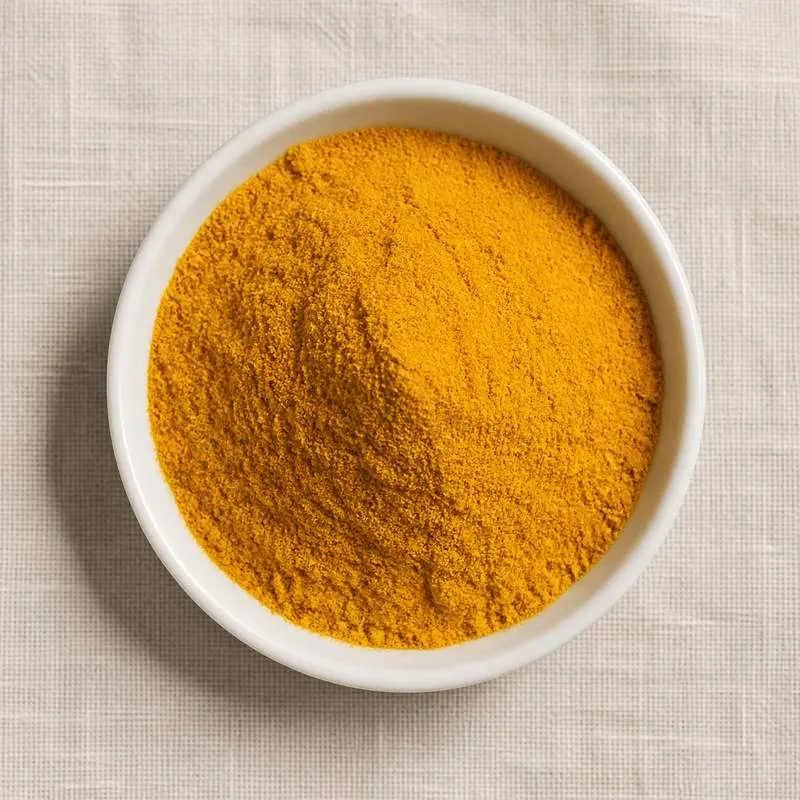
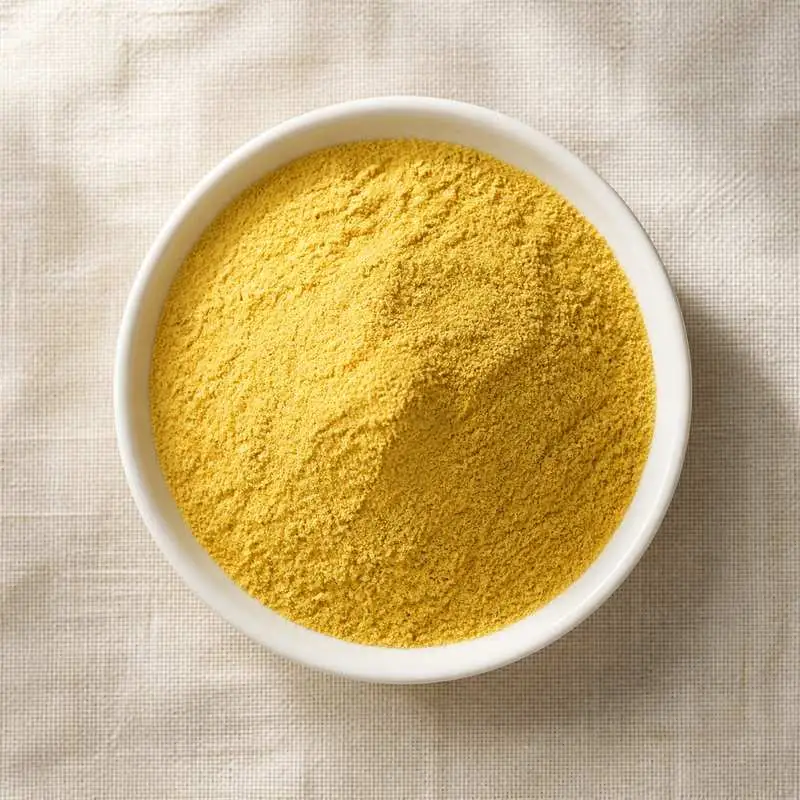
| Appearance | Light yellow to yellow-brown free-flowing powder |
| Rutin content (HPLC) | 95% / 98% (grade dependent) |
| Quercetin content (when applicable) | 95% / 98% |
| Loss on drying | ≤ 8.0% |
| Residue on ignition | ≤ 0.1% |
| Heavy metals (as Pb) | ≤ 2 mg/kg |
| Total plate count | ≤ 1000 cfu/g |
| Source | Sophora japonica flower buds |
Common Markets Grades
Two distinct product families make up Sophora Japonica Extract.
Rutin grades cover the intact glycoside at 95 percent and 98 percent purity, the standard pharmaceutical and nutraceutical specifications. Lower-purity rutin at 70 to 90 percent is produced for colour and animal feed applications.
Quercetin grades cover the aglycone produced by hydrolysing rutin from the same starting material. Standard specifications are 90 percent, 95 percent, 98 percent, and 99 percent quercetin dihydrate.
Quercetin is further offered in dispersible, micronized, and phytosome formats to overcome its poor water solubility. Sophoricoside and troxerutin sit alongside as specialty grades from the same starting material.
The extract powders range from pale yellow (high-purity rutin) to deep yellow (quercetin) with a characteristic crystalline appearance for the higher-purity grades.
Applications
- Vein and capillary health capsules and tablets featuring rutin or its semi-synthetic derivatives
- Antioxidant supplements featuring quercetin as the lead ingredient
- Allergy and seasonal-relief formulations combined with bromelain and vitamin C
- Cardiovascular and circulatory blends paired with grape seed extract and pine bark
- Sports recovery products targeting exercise-induced oxidative stress
- Immune support blends featuring quercetin and zinc
- Cosmetic actives in anti-aging and antioxidant serums and creams
- Sun-care and after-sun products drawing on quercetin's UV-related claims
- Pharmaceutical preparations for chronic venous insufficiency in markets where rutosides are approved drugs
- Natural yellow colour in textile and craft dye applications
- Animal feed antioxidant for poultry and aquaculture
- Traditional Chinese medicine compound formulas requiring huai hua mi
Brands Using Sophora Japonica Extract
Widely-distributed consumer products that list Sophora Japonica Extract on the ingredient label.
Brand names, product names and logos are the property of their owners. They appear here as published evidence that the ingredient is used, taken from the brand's own label or website. Their appearance is not an endorsement, and it does not mean the brand buys from us or from any manufacturer listed on this site.
China Manufacturers of Sophora Japonica Extract
Top Sophora Japonica Extract manufacturers in China.
 Chengdu Okay Pharmaceutical Co., Ltd.7 ingredients in the directory
 Ningbo Herb Pharma Corp.7 ingredients in the directory
Company names and logos are the property of the manufacturers themselves. They are listed here because our own directory records them as producing this ingredient. A listing is not an endorsement by them, and we do not represent them or speak on their behalf.
How We Help Source Sophora Japonica Extract
Direct Factory Sourcing
We run the whole process: selecting the manufacturer from the top Chinese food ingredient producers, negotiating the price, verifying quality, and coordinating the logistics. You deal with us instead of with several factories at once.
Original Packaging and Documents from the Manufacturer
The manufacturer sends your Sophora Japonica Extract out of its own factory in the original packing, through to your destination port. The COA, COO, MSDS, TDS and any certifications reach you from the manufacturer as well.
Free Samples and Lead Time
We send 100 to 500 g free for your own laboratory to test and you cover only the courier, usually within 2 to 3 working days. ETD is usually within 7 to 15 days once the order is confirmed, and we check that date against the factory's own manufacturing schedule before we give it to you.
Combined Shipment
We can load Sophora Japonica Extract together with other ingredients such as Astaxanthin, Dehydrated Garlic and Lutein into one 20' FCL. If your quantity is small, we can also ship LCL.
Regulatory Status
Rutin and quercetin from sophora bud are regulated as dietary ingredients under DSHEA in the United States. Rutin is a USP-NF monographed ingredient with established identity and purity tests.
The China Pharmacopoeia carries monographs for huai mi (sophora bud) and for rutin as a refined chemical. Rutin and several semi-synthetic rutosides including troxerutin and hydroxyethylrutosides are approved drug substances in China, the European Union, and several Asian markets for venous insufficiency.
Health Canada lists both rutin and quercetin in its Natural Health Products Ingredients Database with monographs covering antioxidant and circulation claims.
The European Food Safety Authority has assessed quercetin in food supplements. The European Pharmacopoeia carries monographs for rutoside trihydrate and related semi-synthetic rutosides.
Kosher and Halal certifications are routinely available for both rutin and quercetin grades produced from plant-source starting material with non-animal-derived processing aids.
Manufacturing Process
The pagoda tree is widely planted as a street and courtyard tree across northern and central China. Commercial bud harvest is concentrated in Henan, Shandong, Shaanxi, and Hebei provinces.
Unopened flower buds are gathered in summer just before opening, when rutin content reaches the maximum of around 20 to 30 percent of dry weight. Buds are sun-dried and stored.
Rutin recovery uses alkaline hot water extraction, since rutin is much more soluble in alkaline conditions than in neutral water. The alkaline extract is filtered, acidified to precipitate the rutin, and the crude rutin is recrystallised from methanol-water or ethanol-water to reach pharmaceutical grade.
Quercetin production starts from rutin or directly from sophora bud extract. The rhamnoglucoside is cleaved by acid hydrolysis with dilute sulphuric or hydrochloric acid, or enzymatically with a rhamnosidase plus glucosidase combination. The released quercetin is recovered by filtration, washed, and recrystallised.
High-purity grades undergo additional recrystallisation and may include charcoal decolorisation to remove residual pigments. Particle size is controlled by jet milling for dispersible formats.