Supercritical Extract Paprika Oleoresin
Supercritical extract paprika oleoresin is the concentrated pigment and flavour extract of dried red peppers, Capsicum annuum L., obtained with supercritical carbon dioxide rather than with a hydrocarbon or acetone solvent. The colouring principles are the carotenoids capsanthin and capsorubin, which give the characteristic orange-red, supported by beta-carotene and cryptoxanthin. The colourant is listed in the European Union as E160c.
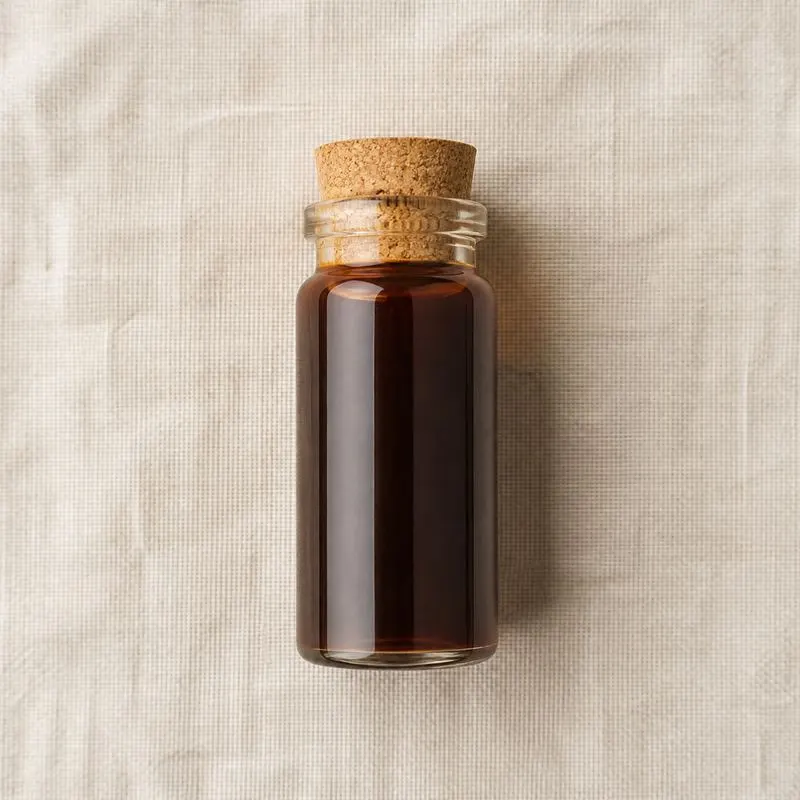
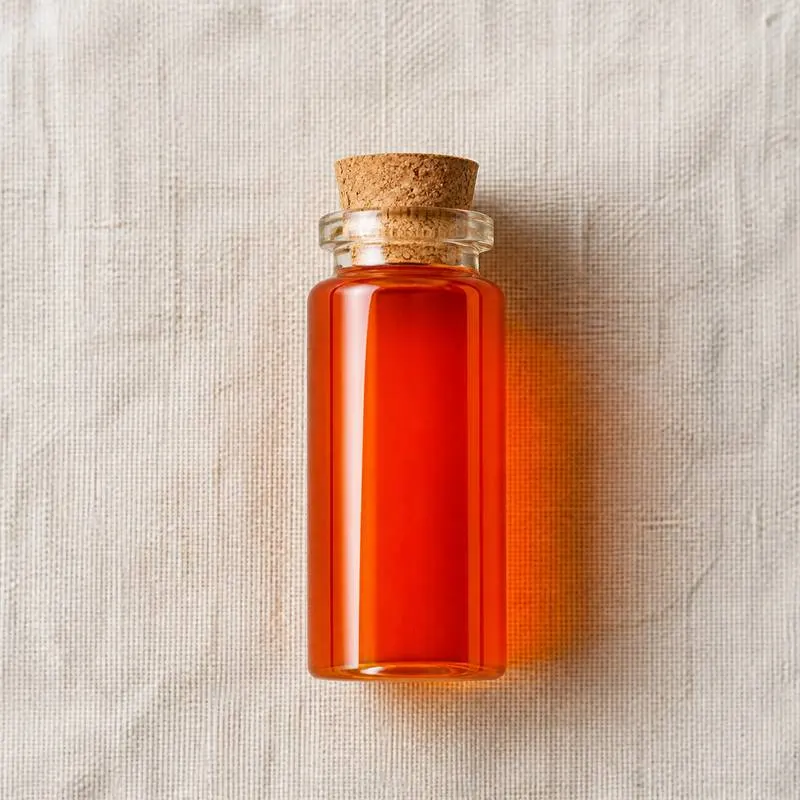
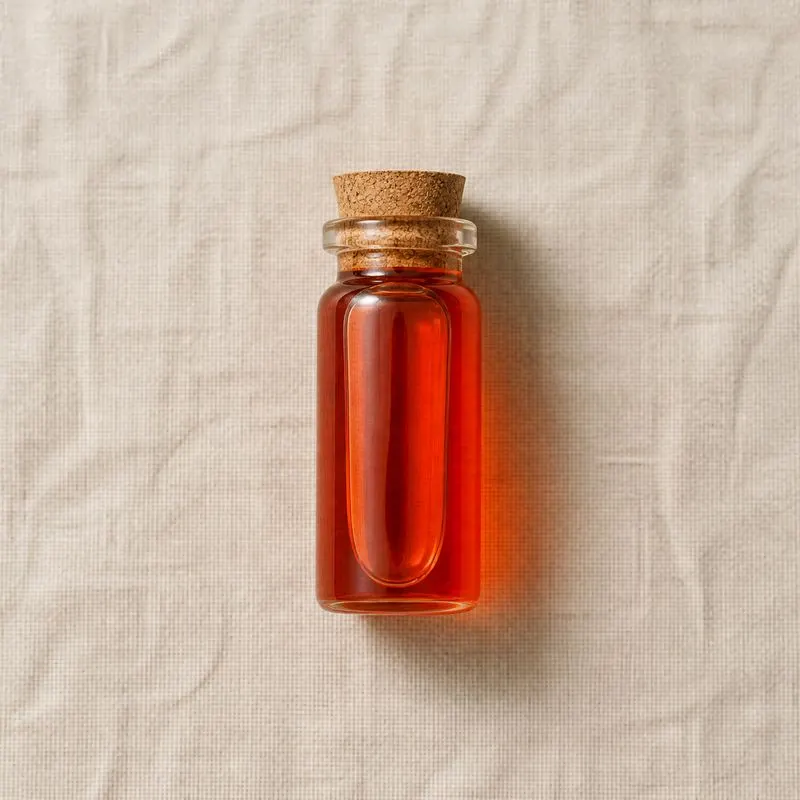
The product is a deep red viscous oil that is soluble in edible oils and in most organic solvents and insoluble in water. For aqueous applications it comes as a polysorbate-emulsified liquid or as a spray-dried powder on a starch or gum arabic carrier. Colour strength is stated in colour value units on the ASTA scale, which is what a buyer specifies against rather than a percentage assay.
Supercritical extraction distinguishes the article from solvent-extracted oleoresin in two ways that matter commercially. There is no solvent residue to declare or test for, and the pungency can be controlled through the extraction pressure and temperature, so a low-pungency colour oleoresin and a separate high-capsaicin pungent fraction can be produced from the same feedstock.
We source bulk Supercritical Extract Paprika Oleoresin from top China manufacturers for our partners. The manufacturer is in Shandong. A smaller requirement can ship in a combined container with other ingredients.
Please send the grade you need, the volume and your destination port, and we will come back with a solution and a price.
or call +86-21-6858 0751
- Function
- Colorant
Specifications
| Item | Specification |
|---|---|
| Appearance | Deep red viscous oily liquid |
| Colour Value | 40000 to 100000 colour units, ASTA method |
| Identification | Absorption maximum at 460 to 470 nm in acetone |
| Total Carotenoids | Not less than 2.0 per cent as capsanthin |
| Capsaicinoids | Not more than 100 Scoville heat units for colour grade |
| Residual Solvent | Not detected, carbon dioxide extraction |
| Moisture | Not more than 1.0 per cent |
| Ash | Not more than 0.5 per cent |
| Refractive Index at 20 degrees Celsius | 1.480 to 1.520 |
| Lead | Not more than 2 mg/kg |
| Arsenic | Not more than 3 mg/kg |
| Total Plate Count | Not more than 1000 cfu/g |
| Yeast and Mould | Not more than 100 cfu/g |
| Salmonella | Absent in 25 g |
Common Markets Grades
Grading is by colour value first. Common commercial strengths are 40000, 60000, 80000 and 100000 colour units, with the higher strengths used where formulation space is limited. Pungency is the second axis: colour grades are specified as low pungency, generally below 100 Scoville heat units, while separately traded capsicum oleoresin fractions carry the capsaicinoids and are sold on Scoville rating rather than on colour.
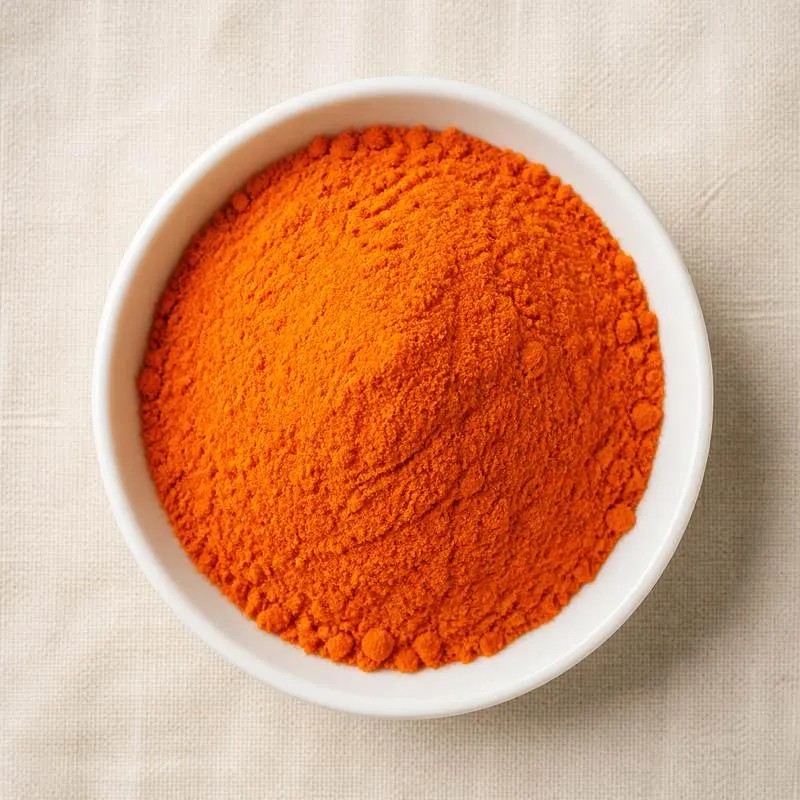
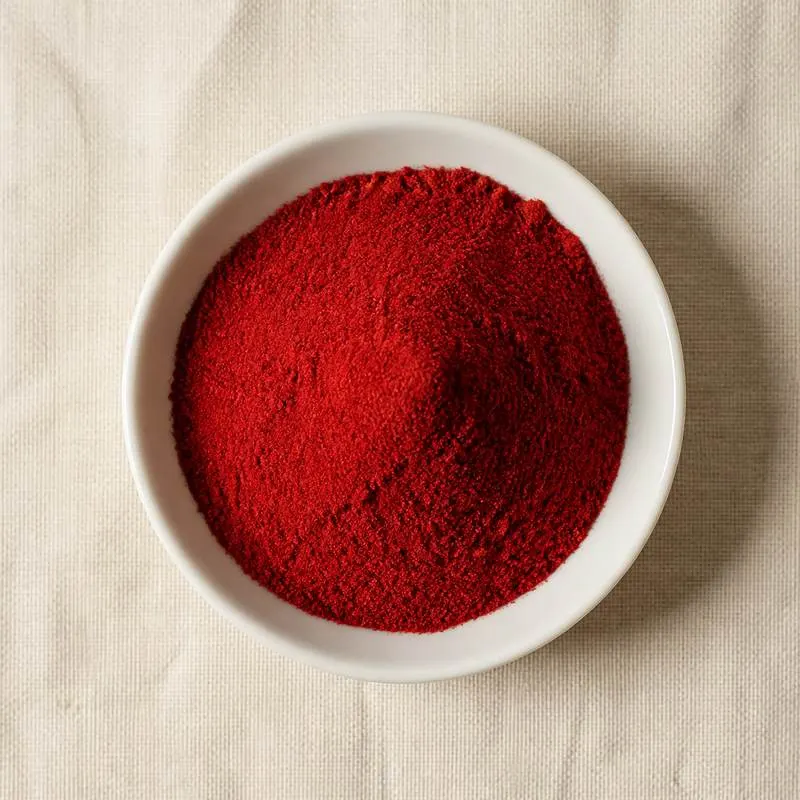
Physical form follows the application. Oil-soluble grades are the neat oleoresin, sometimes standardised in sunflower or medium chain triglyceride oil. Water-dispersible grades are emulsified with polysorbate 80 and are used in brines, beverages and dressings. Powder grades at 10000 to 40000 colour units are spray dried or plated on maltodextrin, modified starch or silica, and encapsulated grades with a denser wall are made where oxidative fading during dry storage is the limiting factor.
Applications
- Processed meats and sausage emulsions, replacing the colour that fades during cooking and storage
- Marinades, injection brines and coating batters for poultry, using the water-dispersible grade
- Snack seasonings and extruded snack dust, where the powder grade carries orange-red onto the surface
- Instant noodle seasoning sachets, hotpot bases and compound seasonings
- Cheese, processed cheese and cheese analogues in orange shades, often blended with annatto
- Salad dressings, mayonnaise and emulsified sauces
- Soups, ready meals and retorted dishes needing colour that survives heat processing
- Confectionery and bakery fillings in orange to red tones
- Poultry and aquaculture feed, where the carotenoids pigment egg yolk, skin and flesh
- Pet food coatings and treats
Brands Using Supercritical Extract Paprika Oleoresin
Widely-distributed consumer products that list Supercritical Extract Paprika Oleoresin on the ingredient label.
Brand names, product names and logos are the property of their owners. They appear here as published evidence that the ingredient is used, taken from the brand's own label or website. Their appearance is not an endorsement, and it does not mean the brand buys from us or from any manufacturer listed on this site.
China Manufacturers of Supercritical Extract Paprika Oleoresin
Top Supercritical Extract Paprika Oleoresin manufacturers in China.

Company names and logos are the property of the manufacturers themselves. They are listed here because our own directory records them as producing this ingredient. A listing is not an endorsement by them, and we do not represent them or speak on their behalf.
Regulatory Status
In the European Union paprika extract is authorised as the food colour E160c, covering capsanthin and capsorubin, with purity criteria set out in the Commission Regulation on specifications for food additives and use conditions in the Union list. The specification distinguishes the colouring carotenoids from the capsaicinoids and limits residual solvent, a limit that supercritical material satisfies without difficulty.
In the United States 21 CFR Part 73 lists paprika, paprika oleoresin and capsicum oleoresin as colour additives exempt from certification, and paprika and its oleoresin also have long-standing status as spices and natural flavourings. Product used to colour animal feed falls under separate feed provisions. JECFA has evaluated paprika extract and Codex includes it among the permitted colours in the General Standard for Food Additives, with specifications published in the JECFA compendium.
Manufacturing Process
Dried red capsicum pods are cleaned, destemmed and milled to a coarse powder, then conditioned to a moisture level that keeps the bed permeable. The milled material is loaded into a high pressure extraction vessel and contacted with carbon dioxide above its critical point, typically in the range of a few hundred bar and at temperatures low enough to avoid thermal loss of carotenoid. Carbon dioxide dissolves the oleoresin and carries it out of the bed.
The loaded fluid passes to separator vessels where pressure is reduced in stages. The oleoresin drops out as a liquid while the carbon dioxide returns as a gas, is condensed and is recycled to the extractor, so the process consumes very little fresh gas and leaves no solvent residue in the product. Running the separators at different pressures allows the pungent capsaicinoid-rich fraction to be taken off separately from the colour fraction. The recovered oleoresin is filtered, standardised to a target colour value with refined vegetable oil, and then either packed as an oil, emulsified with polysorbate for water dispersibility, or spray dried on a carrier.