Vinegar
Vinegar is the liquid obtained by the acetous fermentation of a dilute alcoholic substrate, in which acetic acid bacteria oxidise ethanol to acetic acid. Acetic acid is the defining and functional component, present at 4 to 6 percent in table strength material and up to 20 percent in industrial concentrates, and it is what gives vinegar its role as an acidulant, a flavouring and a preservative in one ingredient.
The trade covers a family of products distinguished by the raw material fermented. Spirit or distilled white vinegar, made from neutral grain or cane alcohol, is the largest by volume and is colourless with a clean, direct sourness. Malt, wine, rice, cider and fruit vinegars carry colour and aroma from their substrates and are bought for flavour as much as for acidity. In all of them the balance is the same: acetic acid dominates, with small quantities of ethyl acetate, higher alcohols, residual sugars and mineral salts making up the character.
Vinegar is fully miscible with water, has a pH generally between 2.4 and 3.4, and is stable to heat, although its volatile aroma fraction diminishes with prolonged cooking. Its antimicrobial action comes from undissociated acetic acid crossing the microbial cell membrane, so it is far more effective at low pH than the titratable acidity alone suggests.
We source bulk Vinegar from top China manufacturers for our partners. The manufacturers are in Hebei and Henan. A smaller requirement can ship in a combined container with other ingredients.
Please send the grade you need, the volume and your destination port, and we will come back with a solution and a price.
or call +86-21-6858 0751
- Function
- Acidulant
Specifications
| Item | Specification |
|---|---|
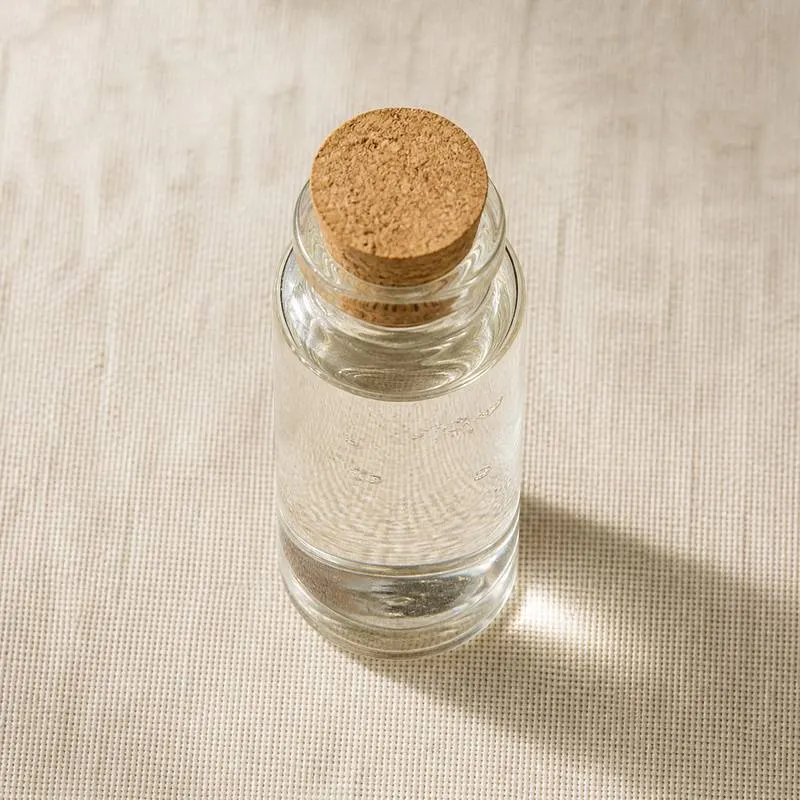
| Appearance | Clear liquid, free from foreign matter |
| Odour and Flavour | Characteristic, free from off notes |
| Total Acidity as Acetic Acid | 5.0 percent minimum, table strength |
| pH | 2.4 to 3.4 |
| Residual Alcohol | Not more than 0.5 percent by volume |
| Specific Gravity, 20 degrees Celsius | 1.005 to 1.020 |
| Total Solids | Not more than 2.5 percent |
| Sulphur Dioxide | Not more than 10 mg per kg |
| Lead | Not more than 0.5 mg per kg |
| Arsenic | Not more than 0.2 mg per kg |
| Total Plate Count | Not more than 100 cfu per mL, pasteurised grade |
| Yeast and Mould | Not more than 50 cfu per mL, pasteurised grade |
| Escherichia coli | Absent in 10 mL |
| Salmonella | Absent in 25 mL |
Common Markets Grades
The primary specification is grain, meaning the acetic acid content expressed as a percentage. Table and retail vinegars sit at 4 to 6 percent, food manufacturing grades at 10 to 12 percent, and industrial concentrates at 15 to 20 percent. The stronger material is bought to save freight and diluted at the point of use. Vinegar sold below the legal minimum for the name cannot be described as vinegar in most markets.
Beyond strength, offers differ by substrate, by filtration and by whether the product is pasteurised. Filtered and pasteurised vinegar is bright and microbiologically stable, while raw unfiltered vinegar retains the mother and is sold unpasteurised. Colour is specified for white vinegar, which must be water clear, and for coloured types, where caramel may be added to standardise appearance. A spray dried powder carried on maltodextrin, typically 4 to 12 percent acetic acid, is traded separately for dry seasoning work, and buffered vinegar with the acidity partially neutralised is sold as a separate clean label preservative product.
Applications
- Pickles, pickled vegetables and relishes, as the acidifying brine that preserves the pack and sets the finished flavour
- Mayonnaise, salad dressings and emulsified sauces, as the acid phase that controls pH and protects against spoilage
- Ketchup, brown sauces and condiments, where it balances sugar and contributes the characteristic sharpness
- Ready to eat meat, poultry and prepared meals, as a clean label antimicrobial against Listeria monocytogenes and lactic spoilage flora
- Bakery, as a dough acidifier and a mould inhibitor in packaged bread and tortillas
- Canned and acidified vegetables, to bring pH below 4.6 and secure the thermal process
- Marinades and brines, where the acid tenderises protein and carries seasoning into the muscle
- Snack seasonings and coatings, using the dried powder to deliver a salt and vinegar profile without added moisture
- Mustard manufacture, as the liquid phase in which the ground seed is slurried and stabilised
- Household cleaning and descaling products, the main non-food outlet for industrial strength material
Brands Using Vinegar
Widely-distributed consumer products that list Vinegar on the ingredient label.
Brand names, product names and logos are the property of their owners. They appear here as published evidence that the ingredient is used, taken from the brand's own label or website. Their appearance is not an endorsement, and it does not mean the brand buys from us or from any manufacturer listed on this site.
China Manufacturers of Vinegar
Top Vinegar manufacturers in China.
 Baoding Weijia Food Ingredients Co., Ltd.4 ingredients in the directory
 Henan Weichuang Bio-tech Co., Ltd.12 ingredients in the directory
Company names and logos are the property of the manufacturers themselves. They are listed here because our own directory records them as producing this ingredient. A listing is not an endorsement by them, and we do not represent them or speak on their behalf.
Regulatory Status
Vinegar is treated in most jurisdictions as a food in its own right rather than as a food additive, so it is used without an additive listing and is declared on labels by name. In the United States the Food and Drug Administration has no standard of identity for vinegar but sets out its expectations in a compliance policy guide, under which a product labelled vinegar must contain at least 4 grams of acetic acid per 100 millilitres, and the name must reflect the substrate, as in cider vinegar or wine vinegar. Acetic acid itself is affirmed as generally recognised as safe, and vinegar used as an antimicrobial in meat and poultry is separately reviewed by the United States Department of Agriculture.
In the European Union vinegar is regulated as a food under general food law and national compositional provisions, and carries no E number, whereas purified acetic acid used as an additive is E 260. Codex Alimentarius has a regional standard for vinegar that sets the minimum acetic acid content, defines the permitted raw materials and reserves the descriptive names for products actually made from those substrates. Hygiene and contaminant requirements follow the general Codex codes of practice.
Manufacturing Process
Production is a two stage fermentation, although for spirit vinegar the first stage is bought in rather than run on site. A carbohydrate substrate, whether grain mash, grape must, apple juice, rice hydrolysate or diluted neutral alcohol, is first fermented anaerobically by Saccharomyces cerevisiae to give an alcoholic liquid of roughly 5 to 12 percent ethanol. Where distilled alcohol is the feedstock, it is simply diluted with process water and supplemented with nutrients to support the bacteria.
The alcoholic liquid is then oxidised by acetic acid bacteria, principally Acetobacter and Komagataeibacter species. Most industrial volume runs in submerged culture acetators, where a high shear aerator disperses air through the liquid under tight control of temperature and dissolved oxygen, converting a batch within one to three days and reaching high acidity with minimal loss. Older generator and Orleans surface processes, in which the liquid trickles over beechwood shavings or ferments quietly under a surface film, are retained for slower and more aromatic products. The raw vinegar is aged briefly to let harsh notes settle, clarified by settling, fining or plate and membrane filtration, standardised to the target acidity with water, and pasteurised before filling. Concentrates are produced by running fermentation to higher acidity or by membrane concentration, and dried grades are made by spray drying the standardised vinegar onto a carrier.