Betaine Hydrochloride
Betaine hydrochloride is the hydrochloride salt of betaine, also called trimethylglycine, a quaternary ammonium compound in which the nitrogen of glycine carries three methyl groups. Adding hydrochloric acid converts the internally neutral zwitterion into an acidic, deliquescent salt that releases hydrochloric acid on dissolution, so the compound acts both as a methyl donor nutrient and as a source of gastric acidity.
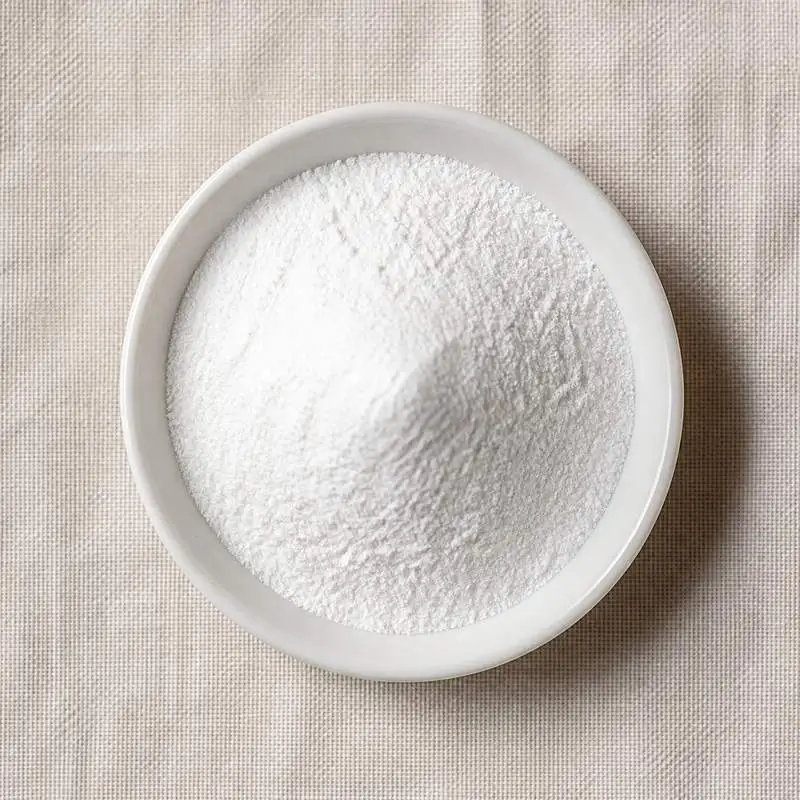
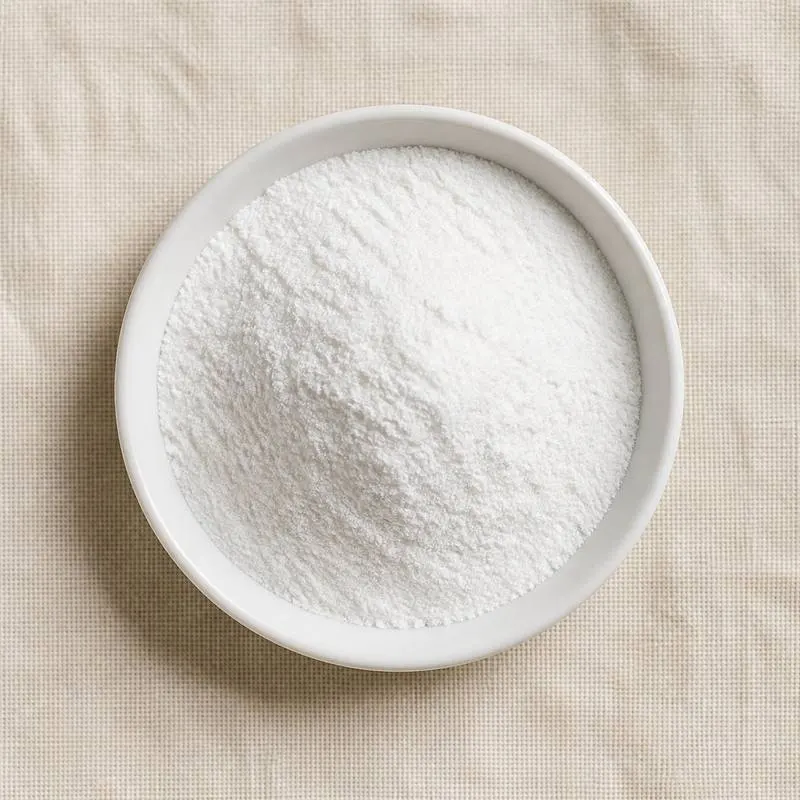
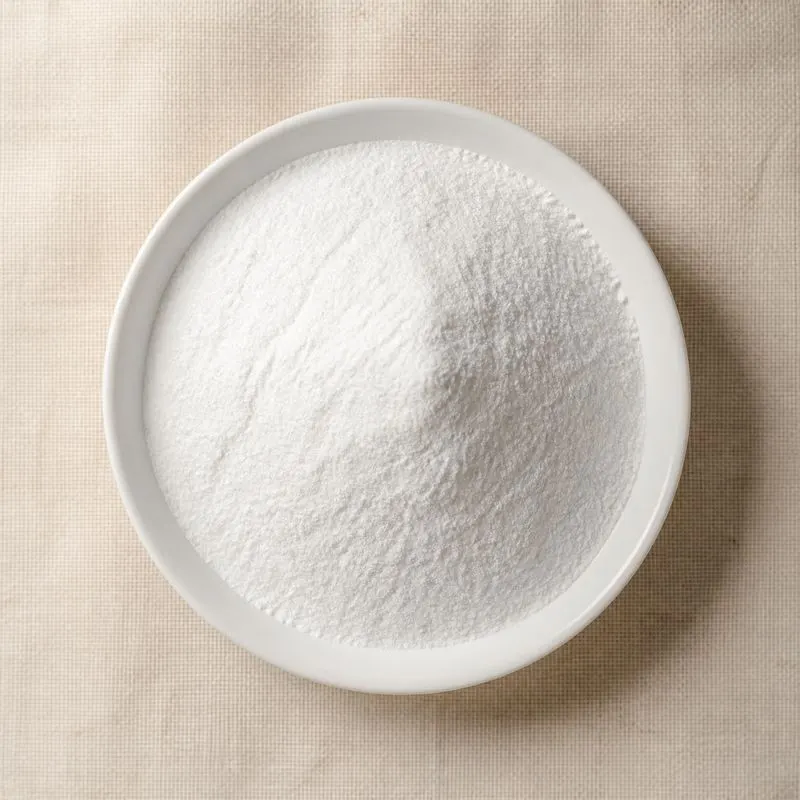
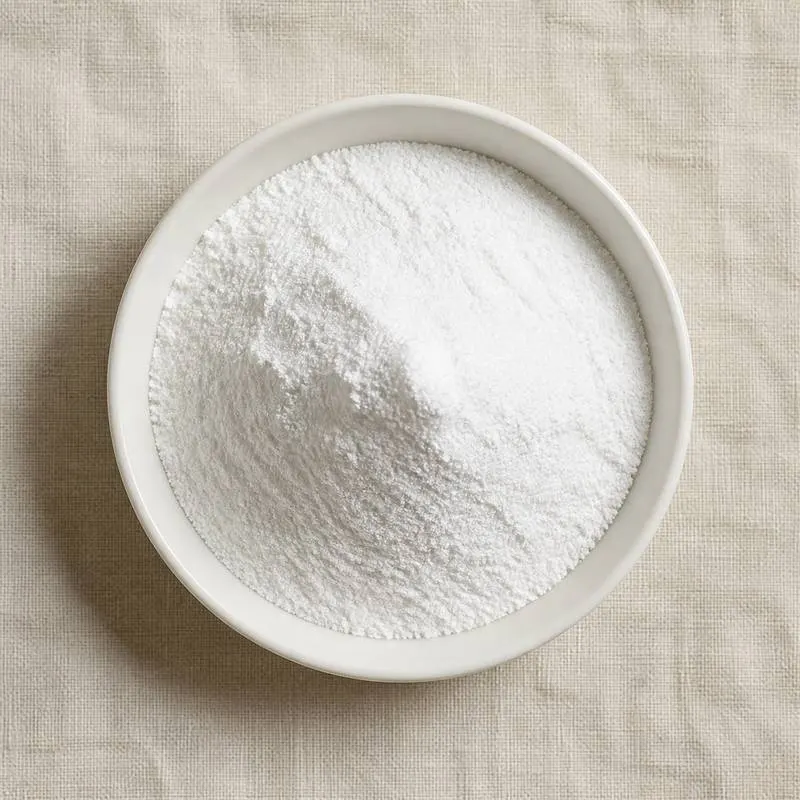
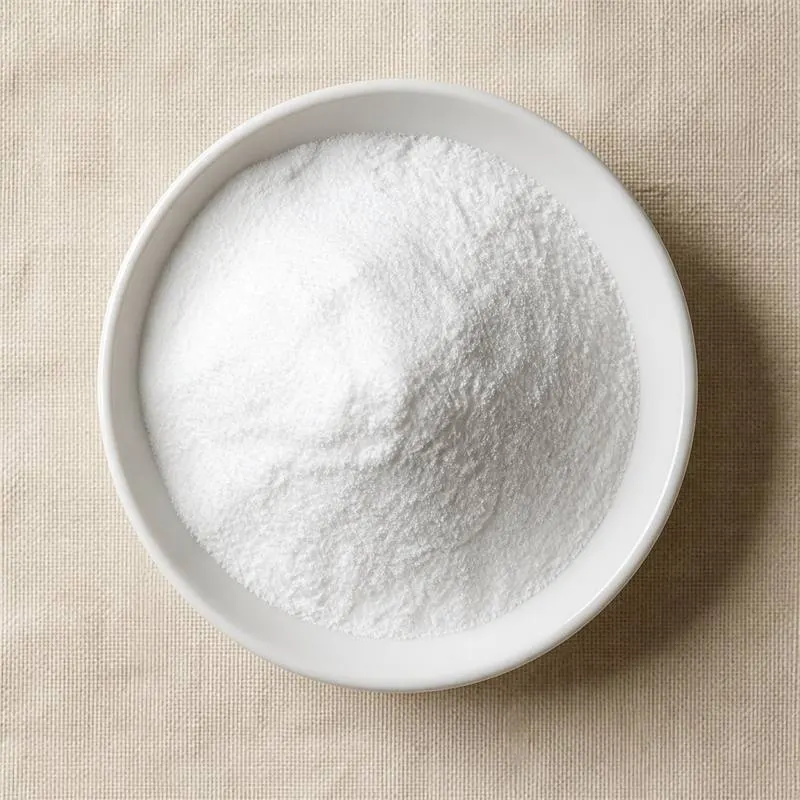
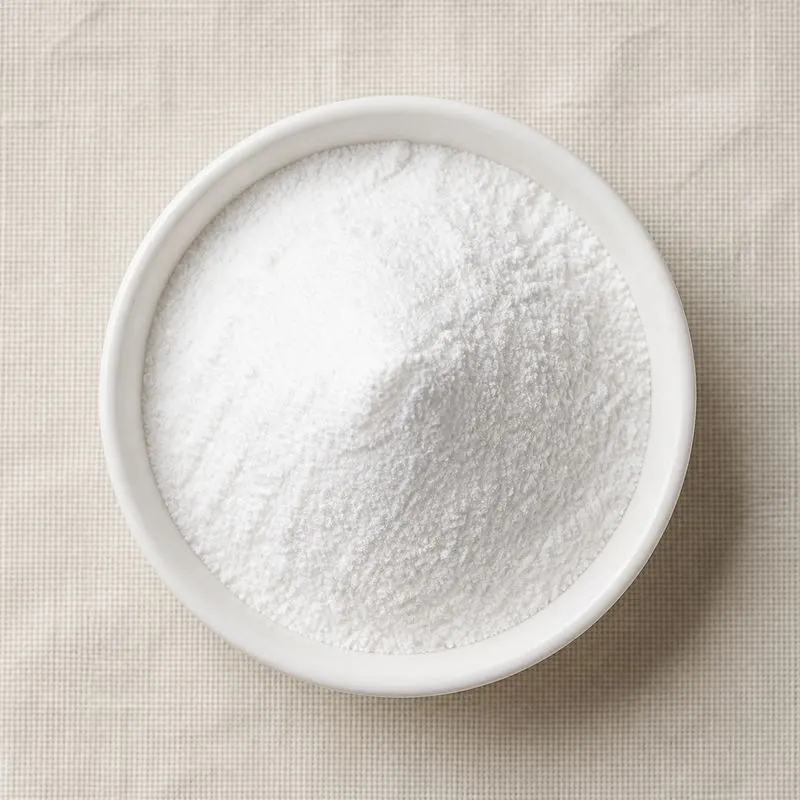
The traded material is a white crystalline powder with a slightly sweet, saline taste, strongly hygroscopic and freely soluble in water. A 5 percent solution is markedly acidic, around pH 0.8 to 1.2, which is the property that distinguishes it from anhydrous betaine and from betaine monohydrate. It is soluble in methanol and ethanol and insoluble in most non polar solvents. Because it picks up atmospheric moisture rapidly and cakes, it is handled in sealed foil laminate packaging and blended under humidity control.
Nutritionally betaine functions as a methyl donor in the remethylation of homocysteine to methionine, and as an organic osmolyte that protects cells against osmotic and thermal stress. In feed and supplement formulation these two roles, methyl donation and osmoprotection, are the reasons it is specified rather than any technological effect in the food itself.
We source bulk Betaine Hydrochloride from top China manufacturers for our partners, working with several of them. The manufacturers are in Shandong and Zhejiang. A smaller requirement can ship in a combined container with other ingredients.
Please send the grade you need, the volume and your destination port, and we will come back with a solution and a price.
or call +86-21-6858 0751
Specifications
| Item | Specification |
|---|---|
| Appearance | White crystalline powder, hygroscopic |
| Assay, dried basis | 98.0 to 100.5 percent |
| Identification | Infrared spectrum conforms, positive for chloride |
| pH, 5 percent aqueous solution | 0.8 to 1.2 |
| Loss on Drying, 105 degrees Celsius | Not more than 1.0 percent |
| Residue on Ignition | Not more than 0.1 percent |
| Chloride content | 22.5 to 23.5 percent |
| Trimethylamine | Not more than 100 mg/kg |
| Sulphate as SO4 | Not more than 0.05 percent |
| Heavy metals as Pb | Not more than 10 mg/kg |
| Lead | Not more than 1 mg/kg |
| Arsenic | Not more than 1 mg/kg |
| Total Plate Count | Not more than 1000 CFU/g |
| Yeast and Mould | Not more than 100 CFU/g |
Common Markets Grades
Betaine hydrochloride is traded as a food and supplement grade and as a pharmaceutical grade, both at 98.0 to 100.5 percent assay on the dried basis. The pharmaceutical grade meets USP and Ph. Eur. requirements with tighter limits on related substances, residual solvents and microbiological counts, and is the grade used in prescription preparations for homocystinuria. A feed grade is sold at a similar assay but to looser heavy metal and appearance criteria for use in poultry, swine and aquaculture premixes.
Physical options are narrow because of the hygroscopicity. A standard crystalline powder of roughly 40 to 80 mesh is the default. A granulated grade with improved flow and reduced caking tendency is used for direct compression tabletting and for feed premixing. Coated and encapsulated grades, using a hydrogenated vegetable fat or a cellulose ether shell, are offered where the acidity has to be kept away from other premix components or where moisture pickup during storage would otherwise be unmanageable. Buyers should be careful to distinguish it on the specification from anhydrous betaine and betaine monohydrate, which are neutral and are not interchangeable.
Applications
- Digestive supplements, where it supplies supplemental hydrochloric acid in capsules aimed at low stomach acid, usually paired with pepsin
- Methyl donor supplements, in formulations addressing homocysteine metabolism alongside folate and vitamin B12
- Sports nutrition products, in pre workout and strength formulations where betaine is used as an osmolyte
- Prescription and medical nutrition preparations for inherited homocystinuria
- Poultry feed, as an osmoprotectant that reduces the performance loss associated with heat stress and coccidial challenge
- Swine feed, partially replacing choline chloride and methionine as a methyl donor in the ration
- Aquaculture feed, as a feeding stimulant and attractant for shrimp and marine fish that respond to betaine in the water column
- Ruminant supplements, supporting osmotic balance in high yielding dairy cows under heat load
- Tablet and capsule manufacture, as an acidifying excipient where a low pH microenvironment is needed
Brands Using Betaine Hydrochloride
Widely-distributed consumer products that list Betaine Hydrochloride on the ingredient label.
Brand names, product names and logos are the property of their owners. They appear here as published evidence that the ingredient is used, taken from the brand's own label or website. Their appearance is not an endorsement, and it does not mean the brand buys from us or from any manufacturer listed on this site.
China Manufacturers of Betaine Hydrochloride
Top Betaine Hydrochloride manufacturers in China.
 Healthy (Hangzhou) Husbandry Sci-tech Co., Ltd.6 ingredients in the directory
- Jinan Asia Pharmaceutical Co., Ltd.9 ingredients in the directory
 Jinan Pengbo Biotechnology Co., Ltd.9 ingredients in the directory
 Shandong Aobo Bio-Tech Co., Ltd.11 ingredients in the directory
Company names and logos are the property of the manufacturers themselves. They are listed here because our own directory records them as producing this ingredient. A listing is not an endorsement by them, and we do not represent them or speak on their behalf.
Regulatory Status
In the United States betaine is affirmed as generally recognised as safe as a nutrient, and betaine hydrochloride is used in dietary supplements under the Dietary Supplement Health and Education Act. The Food and Drug Administration withdrew approval for betaine hydrochloride in over the counter drug products intended as gastric acidifiers, so it is marketed in the United States as a supplement rather than as an over the counter medicine. Anhydrous betaine is separately approved as a prescription drug for the treatment of homocystinuria, and betaine hydrochloride carries a monograph in the United States Pharmacopeia. Its use in animal feed is covered by the ingredient definitions of the Association of American Feed Control Officials.
In the European Union betaine has no E number, since it is used as a nutrient rather than a technological additive. Its use in food supplements falls under Directive 2002/46/EC and national rules on other substances with a nutritional or physiological effect, and Regulation (EC) No 1924/2006 authorises a health claim relating betaine to normal homocysteine metabolism, with defined conditions of use. Regulation (EC) No 1831/2003 authorises betaine and betaine hydrochloride as feed additives in the nutritional and zootechnical additive categories. A European Pharmacopoeia monograph covers the pharmaceutical grade.
Manufacturing Process
Industrial betaine comes from two routes. The larger volume route is extraction from sugar beet, where betaine occurs naturally in the vinasse and molasses left after sucrose crystallisation. The molasses stream is separated by chromatographic ion exclusion or simulated moving bed chromatography, which resolves a betaine rich fraction from the sugars and salts. That fraction is decolourised, demineralised over ion exchange resin and concentrated. The synthetic route reacts monochloroacetic acid, or its sodium salt, with trimethylamine in aqueous solution under mild heat, giving betaine directly with sodium chloride as the co product, which is removed by crystallisation and ion exchange.
Whichever route supplies the base, the hydrochloride is formed at the end. The purified betaine solution is acidified with a stoichiometric charge of hydrochloric acid under cooling, then concentrated under vacuum until the salt begins to separate. Crystallisation is completed by cooling, the crystal is recovered on a centrifuge and washed with a small volume of chilled solvent, and drying is carried out in a closed circuit fluid bed or vacuum dryer under dehumidified air because the salt takes up water readily. The dried product is milled or granulated, screened and packed immediately into moisture barrier bags.