Cartiex
Cartiex is an ingredient designation for a hydrolysed chicken sternal cartilage extract, a joint health raw material that supplies native type II collagen peptides together with the glycosaminoglycans that occur naturally alongside them in cartilage tissue.
Unlike a purified single molecule, the extract is a defined mixture. Type II collagen makes up the bulk of the organic solids, with chondroitin sulphate and hyaluronic acid present as co-extracted components at declared levels, plus minor keratan sulphate and cartilage proteoglycan fragments. Controlled enzymatic hydrolysis cuts the collagen triple helix into peptides of a few thousand daltons, which is what makes the material water dispersible where raw cartilage is not.
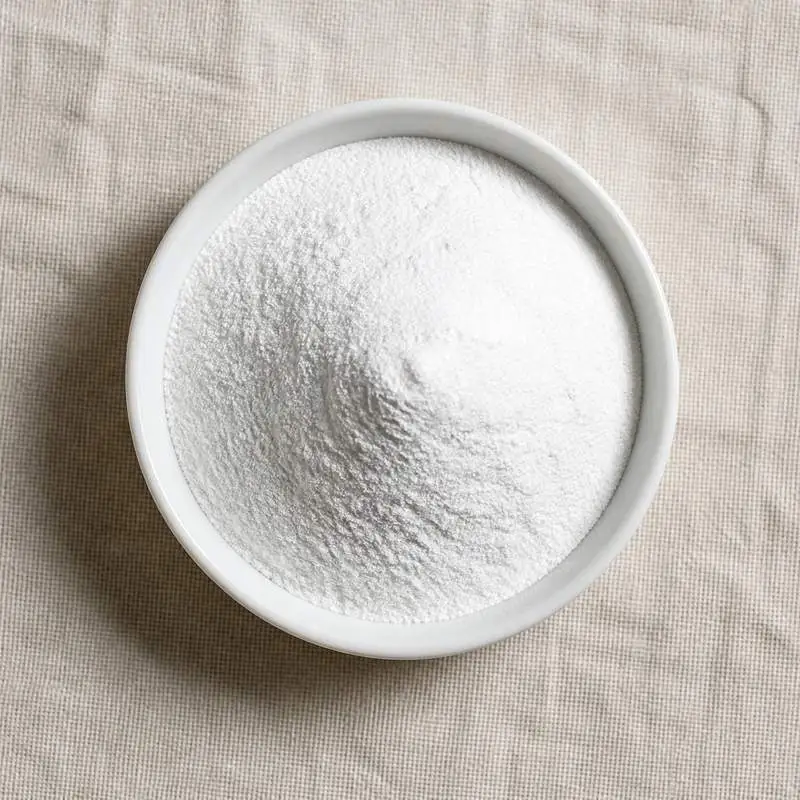
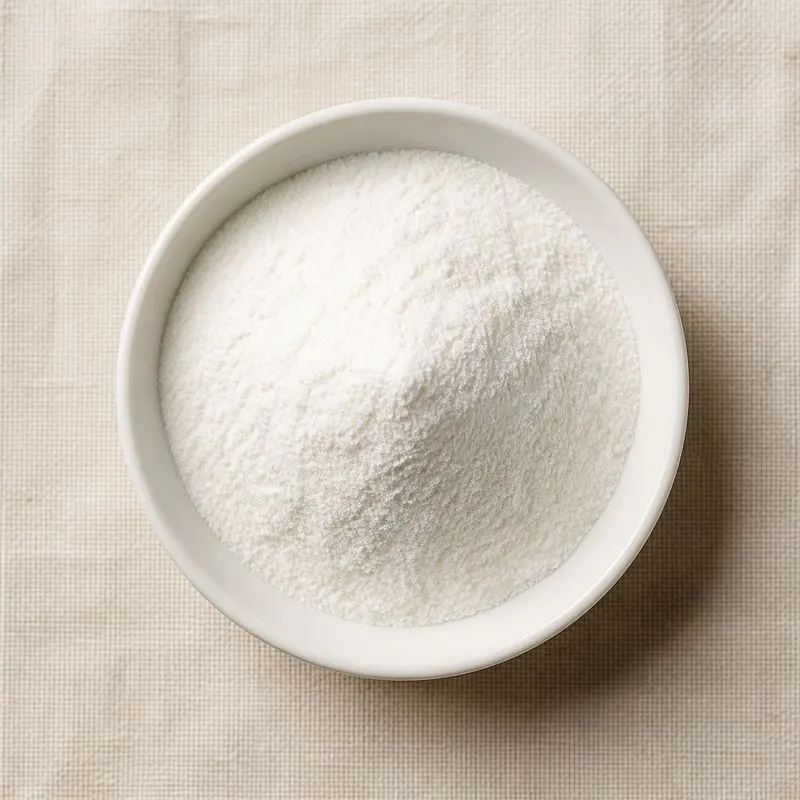
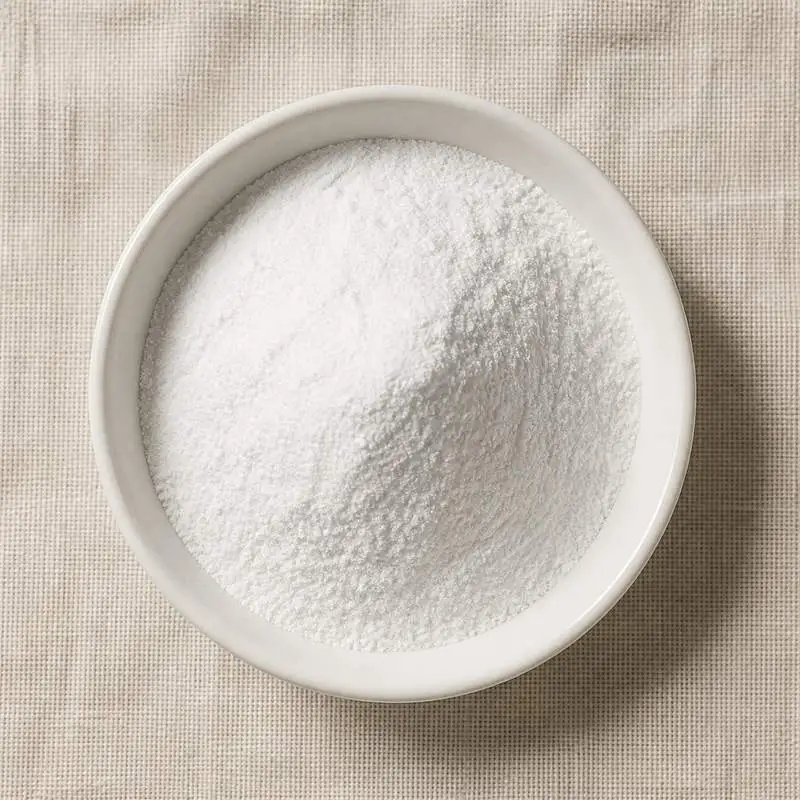
It is a fine off-white to light tan powder with a mild meaty odour. The hydrolysed grade dissolves readily in water to a slightly hazy, pale solution and is stable across the pH range met in supplement drinks, though prolonged high heat degrades the peptide profile. An undenatured grade is processed at low temperature instead, which preserves the intact triple helix and is dosed at a fraction of the hydrolysed level.
We source bulk Cartiex from top China manufacturers for our partners. The manufacturer is in Zhejiang. A smaller requirement can ship in a combined container with other ingredients.
Please send the grade you need, the volume and your destination port, and we will come back with a solution and a price.
or call +86-21-6858 0751
- Function
- Nutraceutical
Specifications
| Item | Specification |
|---|---|
| Appearance | Off-white to light tan fine powder |
| Odour | Mild characteristic, free from rancid notes |
| Total Protein, dry basis | Not less than 60.0% |
| Type II Collagen | Not less than 50.0% |
| Chondroitin Sulphate | Not less than 15.0% |
| Hyaluronic Acid | Not less than 5.0% |
| Loss on Drying | Not more than 8.0% |
| Ash | Not more than 8.0% |
| pH, 1% solution | 5.5 to 7.5 |
| Lead | Not more than 1.0 mg/kg |
| Arsenic | Not more than 1.0 mg/kg |
| Total Plate Count | Not more than 10,000 CFU/g |
| Yeast and Mould | Not more than 100 CFU/g |
| Salmonella | Absent in 25 g |
Common Markets Grades
Two grades are traded and they are not interchangeable. The hydrolysed grade is the volume product, specified on total protein, on type II collagen content and on the co-extracted chondroitin sulphate and hyaluronic acid figures, with average molecular weight typically in the low thousands of daltons. The undenatured grade is standardised instead on the percentage of native, non-denatured type II collagen measured by immunoassay, and is dosed in milligrams rather than grams.
Within the hydrolysed grade, buyers select on the declared glycosaminoglycan levels, on molecular weight distribution and on solubility, since a lower average molecular weight gives a clearer solution and a cleaner mouthfeel in ready to drink formats. Particle size options run from a fine instant powder for beverages to a granulated grade for tablet compression, and the material is also offered as a spray dried blend with vitamin C or hyaluronic acid for direct sachet filling.
Applications
- Joint health capsules and tablets, usually formulated with glucosamine, chondroitin and MSM
- Collagen drink sachets and ready to drink shots aimed at joint comfort and mobility
- Sports nutrition recovery blends for athletes in load bearing sports and endurance training
- Mobility supplements for older consumers, where the co-extracted glycosaminoglycans are part of the product claim
- Skin, hair and nail formulations that use the hyaluronic acid fraction alongside collagen peptides
- Functional gummies and chewables, where the hydrolysed grade dissolves into the gelatin or pectin base
- Powdered beverage mixes and instant soups formulated for medical and elderly nutrition
- Companion animal joint supplements for dogs and horses, given as a powder top dressing or a soft chew
China Manufacturers of Cartiex
Top Cartiex manufacturers in China.

Company names and logos are the property of the manufacturers themselves. They are listed here because our own directory records them as producing this ingredient. A listing is not an endorsement by them, and we do not represent them or speak on their behalf.
Regulatory Status
In the United States, hydrolysed chicken cartilage extract is marketed as a dietary ingredient under the Dietary Supplement Health and Education Act. Undenatured type II collagen preparations of this type have been the subject of new dietary ingredient notifications and self affirmed GRAS determinations for defined uses, and poultry derived material must come from birds slaughtered under USDA inspection. Because chicken and egg are among the allergens some markets require to be declared, and because the source is a specified species, labelling of the origin is standard practice.
In the European Union, an extract of this type is assessed against the novel food regulation, since a preparation without significant consumption in the Union before May 1997 requires authorisation before it can be placed on the market; several collagen and cartilage preparations have been notified or authorised on that basis, and the status depends on the exact process and specification. The material is also an animal by-product, so it must be produced from Category 3 material in an approved establishment under the animal by-products and food hygiene rules, with traceability to the slaughterhouse. It is not a food additive and carries no E number, and there is no JECFA specification for cartilage extract.
Manufacturing Process
The raw material is chicken sternal cartilage, recovered as a by-product of poultry processing and selected because the sternum is largely hyaline cartilage with little bone and low fat. Incoming cartilage is chilled, trimmed of adhering meat and connective tissue, washed and minced to a uniform particle size, then degreased to remove residual lipid that would otherwise oxidise and carry an off odour into the finished powder.
The minced cartilage is then hydrolysed. Food grade proteases are dosed into a temperature and pH controlled reactor and held until the target degree of hydrolysis is reached, at which point the enzyme is inactivated by heating. The digest is centrifuged and filtered to strip insoluble residue, decolourised on activated carbon, then passed through ultrafiltration membranes that both remove high molecular weight solids and set the peptide size distribution in the permeate. The clarified liquor is concentrated by vacuum evaporation, sterilised, spray dried, then sieved, blended and packed. The undenatured grade diverges after washing: the cartilage is processed with a low temperature enzymatic and filtration route that never exceeds the denaturation point of collagen, and is dried under conditions that keep the helix intact.