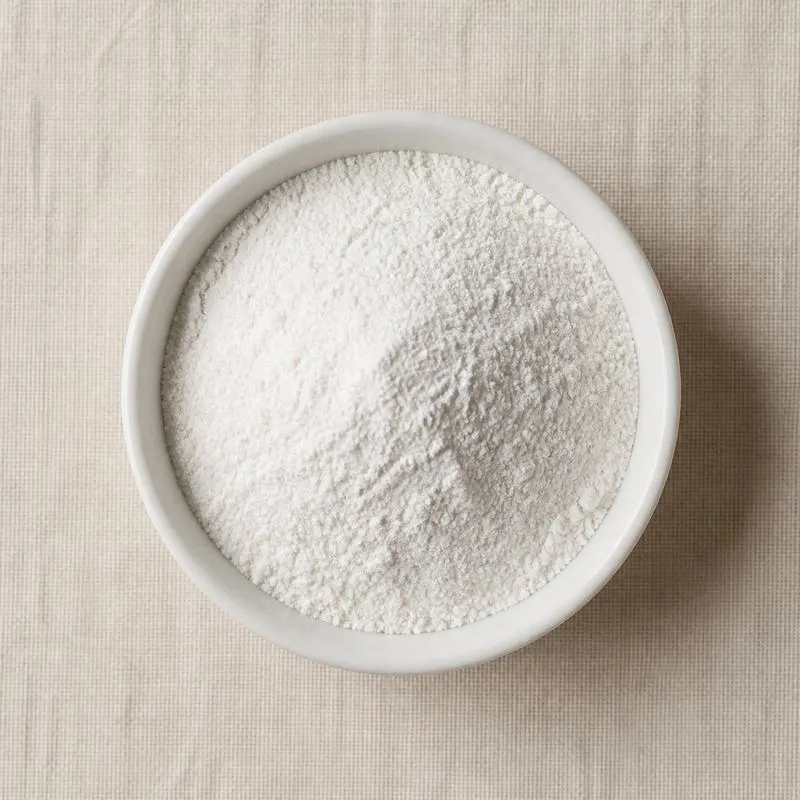
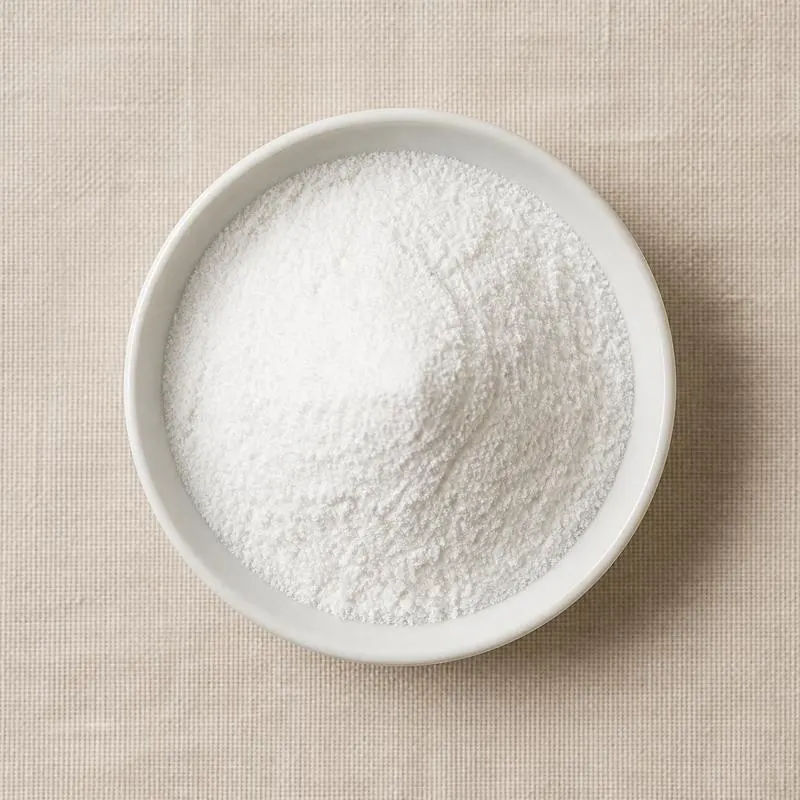
Disodium Phosphate Anhydrous
Disodium Phosphate Anhydrous is the di-sodium salt of orthophosphoric acid with the formula Na₂HPO₄ and CAS number 7558-79-4. It is the water-free form of disodium hydrogen phosphate and carries the European food additive number E339(ii).
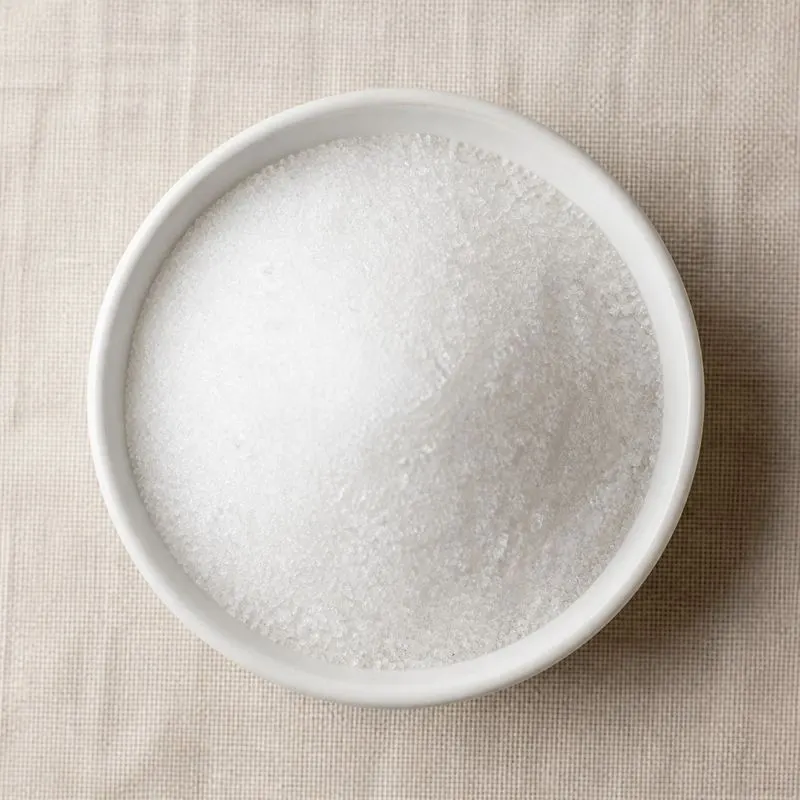
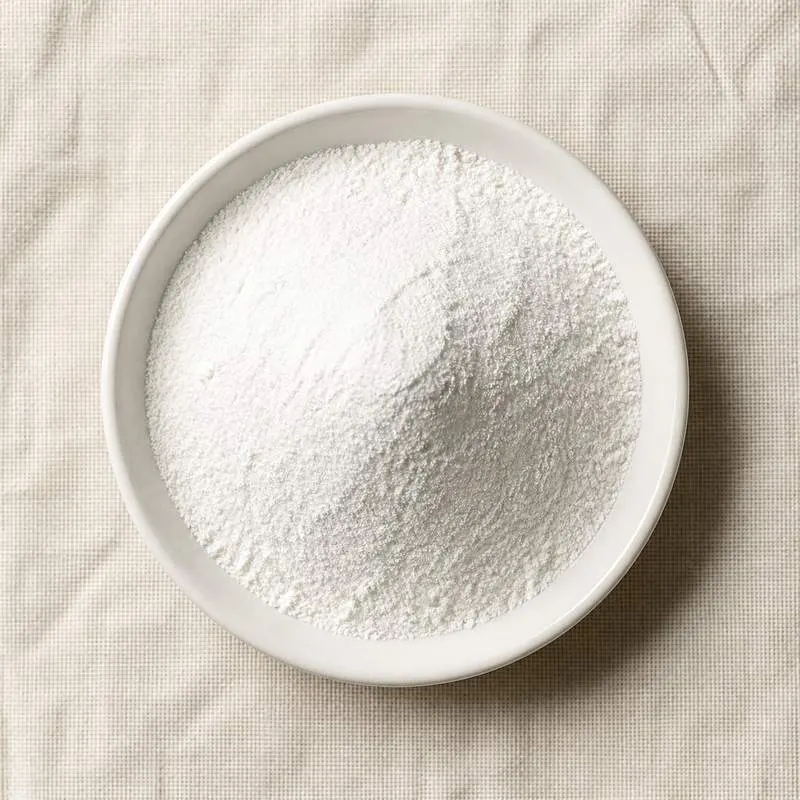
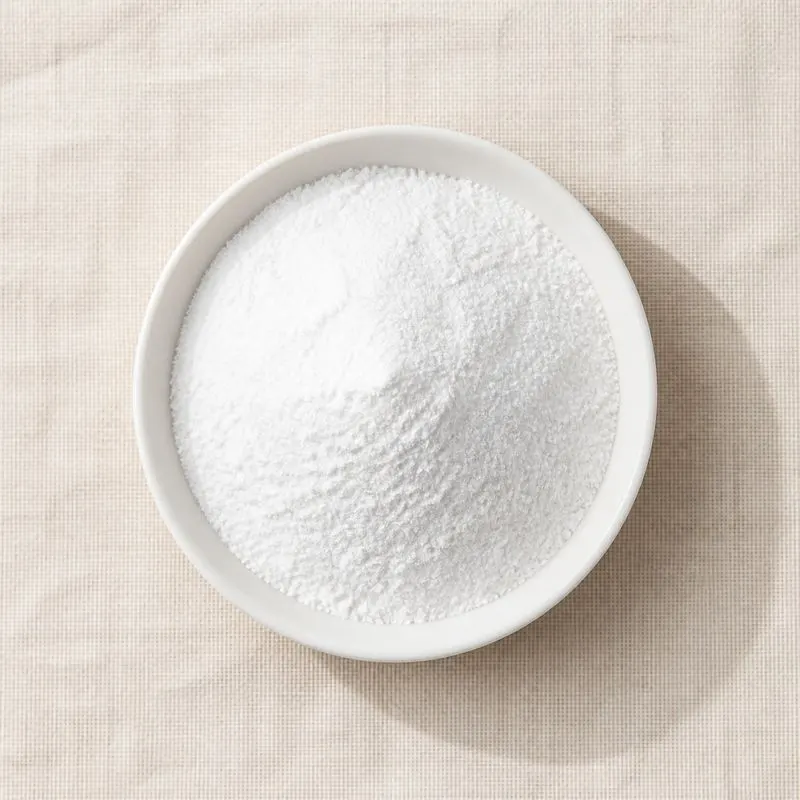
The material is a white, free-flowing powder or granulate that dissolves readily in water to give a mildly alkaline solution with a pH of about 9 at one percent. This basicity makes it the central building block of phosphate buffer systems used across dairy, processed cheese, and beverage manufacture.
We source bulk Disodium Phosphate Anhydrous from top China manufacturers for our partners, working with several of them. The manufacturers are in Jiangsu, Sichuan and Hubei. A smaller requirement can ship in a combined container with other ingredients.
Please send the grade you need, the volume and your destination port, and we will come back with a solution and a price.
or call +86-21-6858 0751
- Packaging
- 25 kg kraft paper bag with PE inner liner
- Function
- Mineral salt
- ISO 9001
- HACCP
- Halal
- Kosher
Specifications
| Item | Specification |
|---|---|
| Main contents %≥ | 99 |
| Phosphorus pentoxide, %≥ | 49 |
| pH (10g/L solution) | 8.5-10.0 |
| Sulfate, as SO4 %≤ | 0.25 |
| Heavy metals, as Pb %≤ | 0.001 Max |
| Arsenic, as As %≤ | 0.0003 Max |
| Fluoride, as F %≤ | 0.002 Max |
| Water insoluble %≤ | 0.1 |
| Cl %≤ | 0.014 |
| Pb %≤ | 0.0004 Max |
| Fe %≤ | 0.002 |
| Loss on drying %≤ | 5.0 |
Common Markets Grades
The anhydrous grade is preferred wherever water of crystallisation would be a problem, such as in dry blends, instant beverage powders, and pharmaceutical solid dosage forms.
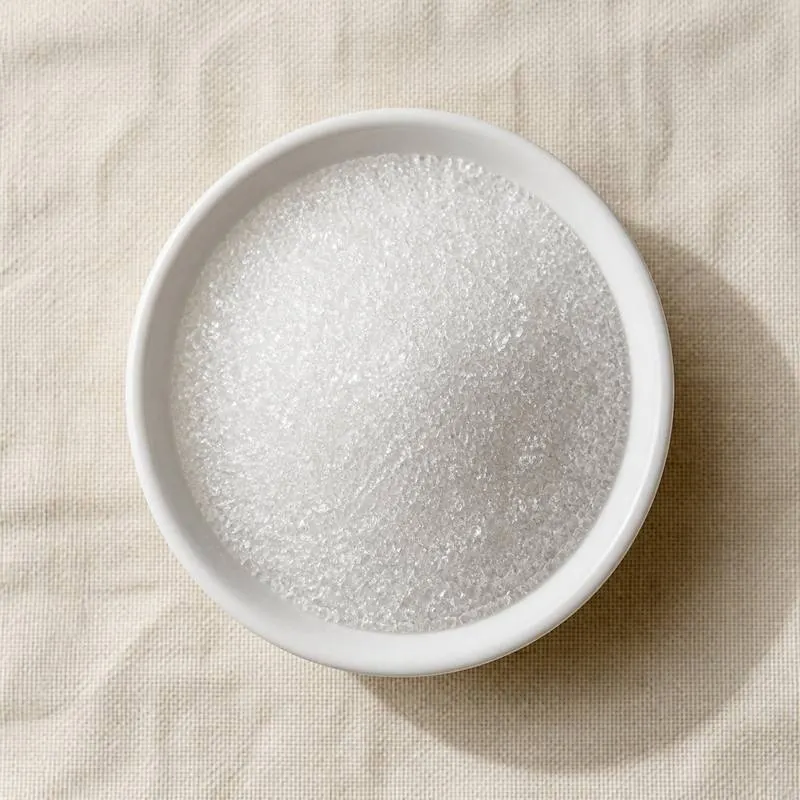
Food grade DSP anhydrous complies with FCC and JECFA purity specifications and comes as a fine powder, a coarse powder, and a granular product. Granular grades give better flow in automated dosing equipment and reduce dust during weighing.
Technical grade material is used in detergent formulation, water treatment, and as a feedstock for sodium tripolyphosphate. Pharmaceutical grade meets USP, Ph. Eur., and JP monographs and is produced for buffer preparation, oral electrolyte solutions, and injectables.
Co-spray-dried blends of DSP anhydrous with monosodium phosphate or with sodium citrate are also produced. These pre-balanced systems land at a defined target pH on dissolution and shorten formulation work for processed cheese and dairy plants.
Applications
- Emulsifying salt in processed cheese, cheese sauces, and cheese slices
- Stabiliser in evaporated milk, condensed milk, and UHT cream to prevent age gelation and feathering in coffee
- Buffer in instant pudding mixes and dessert powders that set without heat
- pH adjuster in soft drinks, isotonic beverages, and flavoured milks
- Mineral source in nutritional powders, meal replacement drinks, and infant formula
- Quick-cook agent in instant noodle seasonings and macaroni starch systems
- Component of phosphate-buffered saline and oral rehydration salts
- Anti-caking buffer in dry whey, milk protein concentrates, and caseinates
- Detergent builder and corrosion inhibitor in industrial cleaning concentrates
- Boiler water and cooling water conditioning
Brands Using Disodium Phosphate Anhydrous
Widely-distributed consumer products that list Disodium Phosphate Anhydrous on the ingredient label.
- Kraft Heinz (Velveeta)Velveeta Original Pasteurized Recipe Cheese Product ↗Velveeta panel lists 'Sodium Phosphate' as the emulsifying-salt system used in process cheese (disodium phosphate is the standard DSP form used for processed-cheese emulsification).Label verified 2026-05-24
- Kraft Heinz (Philadelphia)Philadelphia Fat Free Cream Cheese ↗Philadelphia fat-free cream cheese panel lists sodium phosphate (DSP-grade phosphate) plus sodium tripolyphosphate as stabilizer/emulsifier system.Label verified 2026-05-24
- Bel Brands (The Laughing Cow)The Laughing Cow Creamy Swiss French Onion Spreadable Cheese Wedges ↗Ingredient panel lists 'Sodium Phosphate and Sodium Polyphosphate' as the emulsifying-salt blend (DSP-type phosphate) used in spreadable processed cheese.Label verified 2026-05-24
- Kraft Heinz (Kraft Singles)Kraft Singles American Pasteurized Prepared Cheese Product ↗Kraft Singles ingredient declaration lists 'sodium phosphate' as the emulsifying salt (industry-standard disodium phosphate) that gives the slices their melt characteristics.Label verified 2026-05-24
Brand names, product names and logos are the property of their owners. They appear here as published evidence that the ingredient is used, taken from the brand's own label or website. Their appearance is not an endorsement, and it does not mean the brand buys from us or from any manufacturer listed on this site.
China Manufacturers of Disodium Phosphate Anhydrous
Top Disodium Phosphate Anhydrous manufacturers in China.
 Lianyungang Zexin Food Ingredients Co., Ltd.8 ingredients in the directory
 Lianyungang Zhonghong Chemical Co., Ltd.11 ingredients in the directory
 Sichuan Ronghong Technology Development Co., Ltd.11 ingredients in the directory
 Wuhan Waking Lion Chemicals Co., Ltd.13 ingredients in the directory
Company names and logos are the property of the manufacturers themselves. They are listed here because our own directory records them as producing this ingredient. A listing is not an endorsement by them, and we do not represent them or speak on their behalf.
How We Help Source Disodium Phosphate Anhydrous
Direct Factory Sourcing
We run the whole process: selecting the manufacturer from the top Chinese food ingredient producers, negotiating the price, verifying quality, and coordinating the logistics. You deal with us instead of with several factories at once.
Original Packaging and Documents from the Manufacturer
The manufacturer sends your Disodium Phosphate Anhydrous out of its own factory in the original packing, through to your destination port. The COA, COO, MSDS, TDS and any certifications reach you from the manufacturer as well.
Free Samples and Lead Time
We send 100 to 500 g free for your own laboratory to test and you cover only the courier, usually within 2 to 3 working days. ETD is usually within 7 to 15 days once the order is confirmed, and we check that date against the factory's own manufacturing schedule before we give it to you.
Combined Shipment
We can load Disodium Phosphate Anhydrous together with other ingredients such as Sodium Acetate, Calcium Citrate and Sodium Lactate into one 20' FCL. If your quantity is small, we can also ship LCL.
Regulatory Status
Disodium Phosphate Anhydrous is approved as a food additive worldwide.
It is listed in the European Union as E339(ii) under Regulation 1333/2008, with permitted use across processed cheese, dairy desserts, beverages, sports nutrition, processed meats, and many other categories under the grouped phosphate ADI for the E339 to E343 family.
The U.S. Food and Drug Administration recognises DSP as GRAS under 21 CFR 182.1778 and 182.6290 and clears specific uses under 21 CFR 133 (cheese standards), 21 CFR 172, and 21 CFR 184. The Food Chemicals Codex provides the food-grade specification.
Pharmacopoeial monographs cover the anhydrous form in the United States Pharmacopeia, the European Pharmacopoeia, and the Japanese Pharmacopoeia. Kosher and Halal certifications are routinely available.
Manufacturing Process
Disodium Phosphate Anhydrous is produced by neutralising food-grade phosphoric acid with sodium carbonate or sodium hydroxide to a stoichiometry of two moles of sodium per mole of phosphate. The reaction is carried out in stirred reactors with careful pH control, since overshooting raises the trisodium phosphate content.
The neutralised liquor is filtered to remove insolubles, concentrated by evaporation, and then either crystallised as the dodecahydrate (Na₂HPO₄·12H₂O) and dehydrated, or spray-dried directly to the anhydrous form. Direct spray drying gives a finer, lower-bulk-density powder while dehydration of the hydrate gives a denser, more granular product.
The dried material passes a calciner held above 250 °C to drive off the last water of crystallisation, then a cooler and a sieving step before packaging. The phosphoric acid feedstock is purified by solvent extraction to remove fluoride, arsenic, and heavy metals before food-grade use.
Most global capacity sits in China, the United States, and Western Europe. Bulk material moves in 25-kilogram lined paper bags or one-tonne FIBC bags with moisture-barrier liners.