Fucoxanthin
Fucoxanthin is an orange-brown xanthophyll carotenoid found in the chloroplasts of brown algae and several diatom species. Its CAS number is 3351-86-8 and its molecular formula is C₄₂H₅₈O₆.
The commercial supply is dominated by extracts from edible brown seaweeds, principally Undaria pinnatifida (wakame) and Laminaria japonica (kombu), with a smaller volume from Sargassum species.
The molecule is the largest single light-harvesting pigment in the world's oceans by mass and gives brown algae their characteristic olive-brown tone when chlorophyll fluorescence is masked.
We source bulk Fucoxanthin from top China manufacturers for our partners, working with several of them. The manufacturers are in Beijing, Shaanxi and Shandong. A smaller requirement can ship in a combined container with other ingredients.
Please send the grade you need, the volume and your destination port, and we will come back with a solution and a price.
or call +86-21-6858 0751
- Packaging
- 190 kg steel drum or 25 kg jerrican
- ISO 9001
- HACCP
- Halal
- Kosher
Specifications
| Item | Specification |
|---|---|
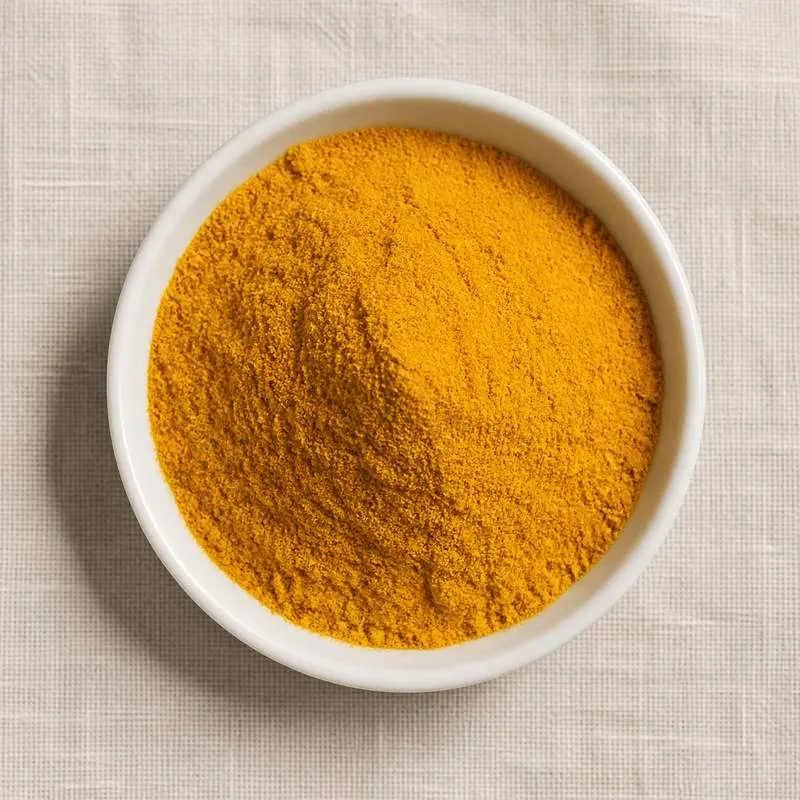
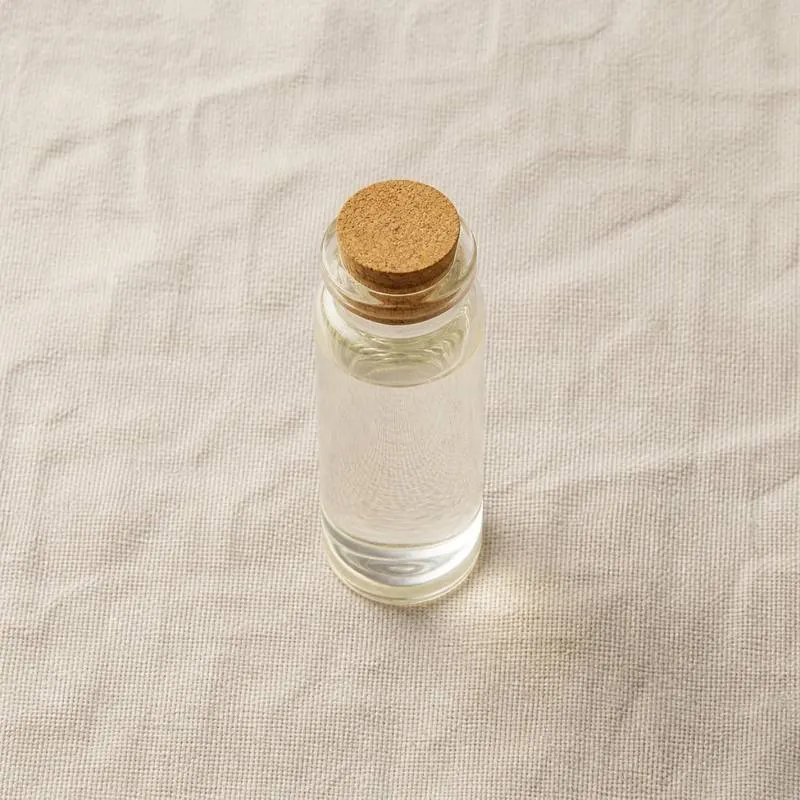
| Appearance | Dark brown to reddish-brown powder or oily liquid |
| Fucoxanthin Content | ≥ 1.0% / 5.0% / 10.0% (various grades) |
| Loss on Drying | ≤ 5.0% |
| Residue on Ignition | ≤ 5.0% |
| Solvent Residue | Meets USP/EP limits |
| Arsenic (as As) | ≤ 1 ppm |
| Lead (as Pb) | ≤ 1 ppm |
| Cadmium (as Cd) | ≤ 1 ppm |
| Mercury (as Hg) | ≤ 0.1 ppm |
| Total Plate Count | ≤ 1,000 CFU/g |
| Yeast & Mold | ≤ 100 CFU/g |
| Fucoxanthin purity | 1%, 5%, 10%, 20%, 30%, 40%, 50%, 60%, 70%, 80%, 90%, 95%, 98% |
| Inorganic Asernic | ≤1.5mg/kg |
| Methyl Mercury | Negative |
| Aerobic Bacterial Count | ≤3000CFU/g |
| Mould | ≤300CFU/g |
| Coliform Bacteria | ≤3.0MPN/g |
Common Markets Grades
Fucoxanthin is graded by purity and by oil dilution.
The volume supplement grade is a 10 percent fucoxanthin oil, dissolved in a refined vegetable carrier such as MCT, sunflower, or perilla oil. This format is the standard fill for softgels.
5 percent and 1 percent oils serve formulations needing lower dosing or better cost control.
A 20 percent oleoresin is made for the top of the market and is often paired with pomegranate seed oil in published clinical-style formulas.
Purified fucoxanthin crystals at 90 percent or higher are produced in small quantities for analytical and pharmaceutical research. The crystal is fragile, light-sensitive, and shipped under cold chain with argon overlay.
Powder forms use beadlet or microencapsulated matrices built on gum arabic, starch, or alginate to protect the pigment from oxidation during dry blending.
Applications
- Weight-management softgels, typically paired with pomegranate seed oil
- Metabolic and energy supplements positioned around brown adipose tissue activation
- Skincare creams and serums for antioxidant and tone-evening claims
- Eye-health blends alongside lutein, zeaxanthin, and astaxanthin
- Functional beverage shots with a marine or seaweed positioning
- Sports-recovery formulas combined with omega-3 oils
- Animal nutrition products for companion-animal weight management
- Aquaculture feed pigments for ornamental fish coloration
- Cosmetic ampoules and sleeping masks at low inclusion levels
- Sun-care after-sun formulations drawing on the photoprotective profile of brown-algal carotenoids
Brands Using Fucoxanthin
Widely-distributed consumer products that list Fucoxanthin on the ingredient label.
- Source NaturalsFucoxanTHIN Diet Capsules ↗Capsules supplying fucoxanthin from brown seaweed, sold within the Maximum Metabolism range.Label verified 2026-05-24
- Garden of LifeFucoTHIN Natural Fat Burner Softgels ↗Brown seaweed fucoxanthin concentrate (Xanthigen blend with pomegranate seed oil), 200 mg per softgel; non-stimulant weight-management supplement.Label verified 2026-05-24
Brand names, product names and logos are the property of their owners. They appear here as published evidence that the ingredient is used, taken from the brand's own label or website. Their appearance is not an endorsement, and it does not mean the brand buys from us or from any manufacturer listed on this site.
China Manufacturers of Fucoxanthin
Top Fucoxanthin manufacturers in China.
 Beijing Gingko Group Biotechnology Co., Ltd.12 ingredients in the directory
 Bgg World3 ingredients in the directory
- Fufeng Ciyuan Biotech Co., Ltd.24 ingredients in the directory
 Shandong Jiejing Group Corporation9 ingredients in the directory
Company names and logos are the property of the manufacturers themselves. They are listed here because our own directory records them as producing this ingredient. A listing is not an endorsement by them, and we do not represent them or speak on their behalf.
How We Help Source Fucoxanthin
Direct Factory Sourcing
We run the whole process: selecting the manufacturer from the top Chinese food ingredient producers, negotiating the price, verifying quality, and coordinating the logistics. You deal with us instead of with several factories at once.
Original Packaging and Documents from the Manufacturer
The manufacturer sends your Fucoxanthin out of its own factory in the original packing, through to your destination port. The COA, COO, MSDS, TDS and any certifications reach you from the manufacturer as well.
Free Samples and Lead Time
We send 100 to 500 g free for your own laboratory to test and you cover only the courier, usually within 2 to 3 working days. ETD is usually within 7 to 15 days once the order is confirmed, and we check that date against the factory's own manufacturing schedule before we give it to you.
Combined Shipment
We can load Fucoxanthin together with other ingredients such as Astaxanthin, Dehydrated Garlic and Lutein into one 20' FCL. If your quantity is small, we can also ship LCL.
Regulatory Status
Fucoxanthin is consumed as part of conventional brown-seaweed foods (wakame, kombu, hijiki) across East Asia and carries a long dietary history through that route.
In the United States, fucoxanthin-rich brown-algae oils are marketed as dietary ingredients under DSHEA, supported by self-affirmed GRAS notifications for several specific extracts.
In the European Union, concentrated fucoxanthin extracts from Undaria pinnatifida have been addressed under the Novel Food framework. The whole seaweed itself is well established as a food.
The molecule is not approved as a food colour additive in the EU or US. Its industrial use sits squarely in the supplement, cosmetic, and animal-nutrition categories.
Manufacturing Process
Production begins with dried brown seaweed biomass, usually farmed Undaria pinnatifida from the coasts of Liaoning and Shandong in China or from Korea and Japan.
The dried biomass is ground and extracted with food-grade ethanol or with supercritical CO₂ modified by ethanol as a polar co-solvent. Fucoxanthin partitions readily into both systems thanks to its lipophilic backbone.
The crude extract carries fucoxanthin alongside chlorophylls, lipids, and other carotenoids. Several stages of solvent partitioning, low-temperature crystallisation, and silica or reversed-phase chromatography are needed to reach the standardised 10 percent or 20 percent oil grades.
The final concentrate is diluted into a carrier oil under nitrogen to a defined fucoxanthin percentage verified by HPLC at 450 nm. Tocopherol or rosemary extract is added as an antioxidant to protect the pigment in storage.