L-Carnitine Calcium Fumarate
L-carnitine calcium fumarate is a mixed salt in which L-carnitine is combined with fumaric acid and calcium, giving the composition C11H17CaNO7. It was developed to solve a handling problem rather than a nutritional one: L-carnitine base is extremely hygroscopic, deliquescing in an open room and caking in a blend, and the tartrate salt commonly used to get around that carries no additional nutrient of interest.
In this salt the carnitine is paired with a fumarate anion that is itself a citric acid cycle intermediate, and the calcium counter ion contributes a mineral that is wanted in most of the same formulations. Carnitine accounts for roughly half the weight and calcium for around an eighth, so a dose has to be calculated from the declared carnitine content rather than from the salt weight.
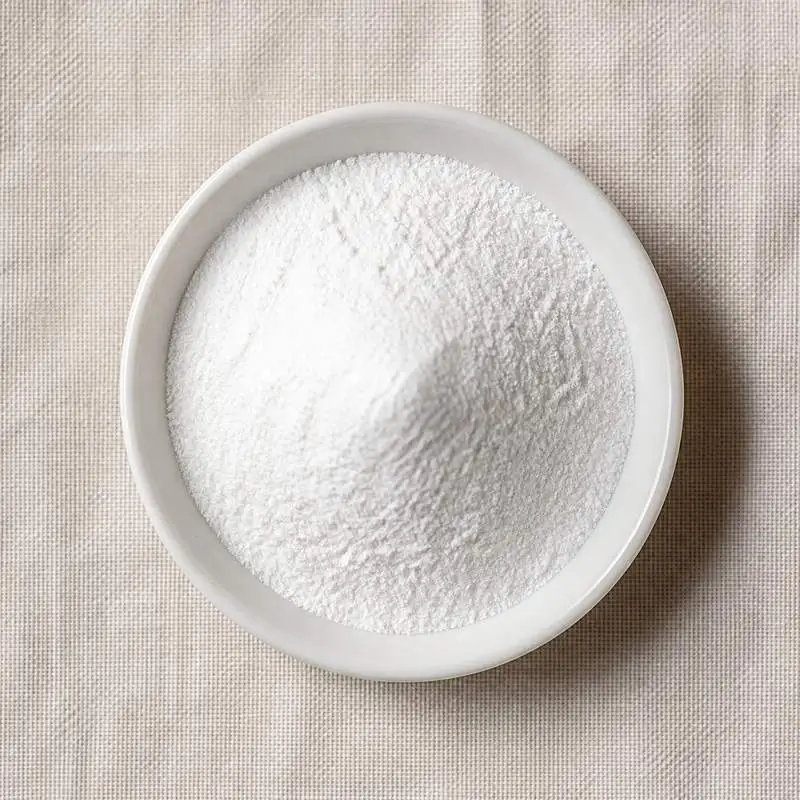
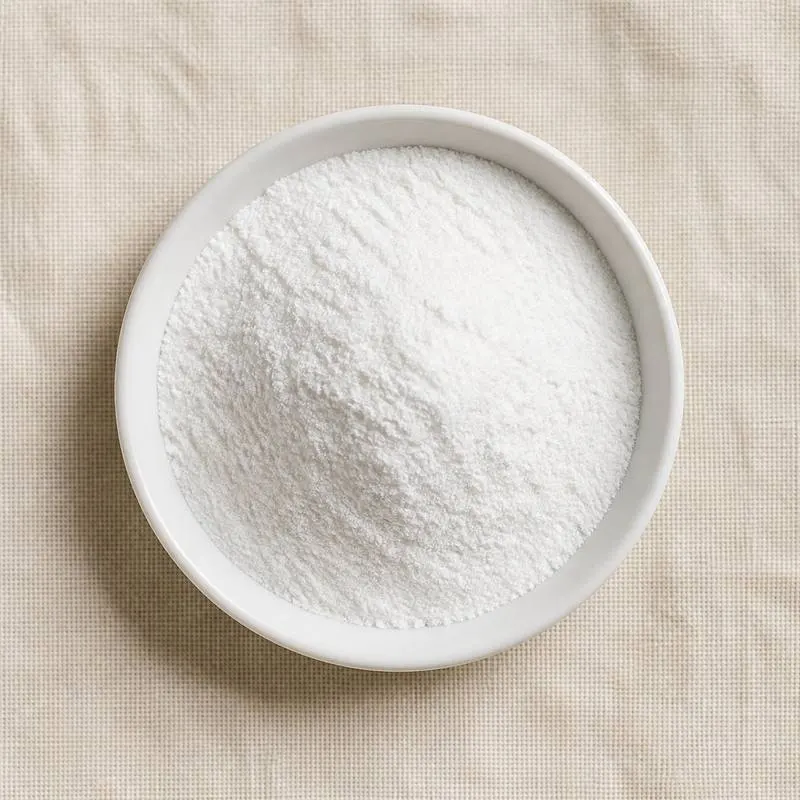
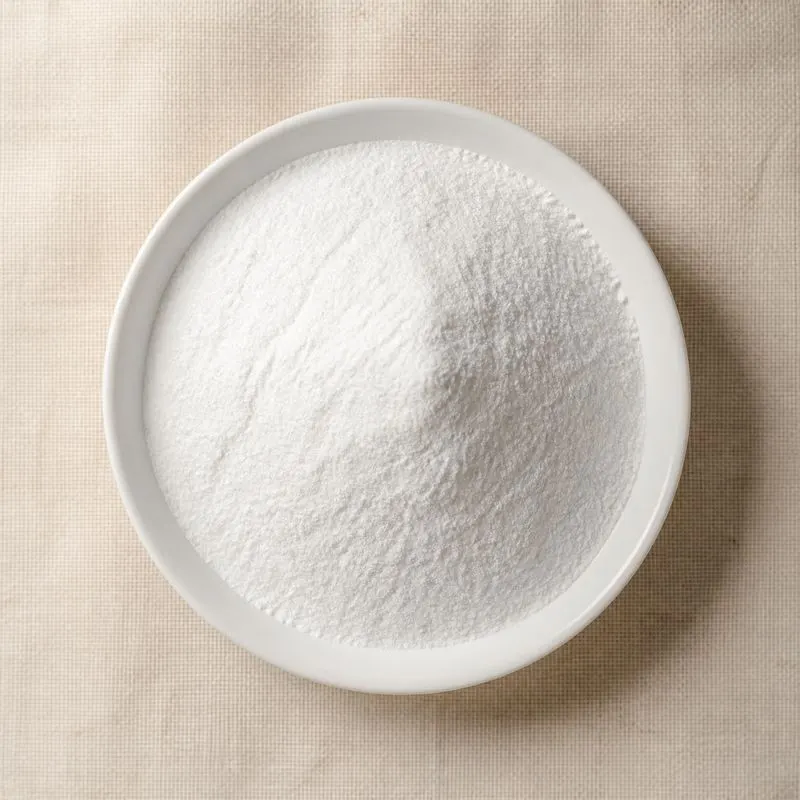
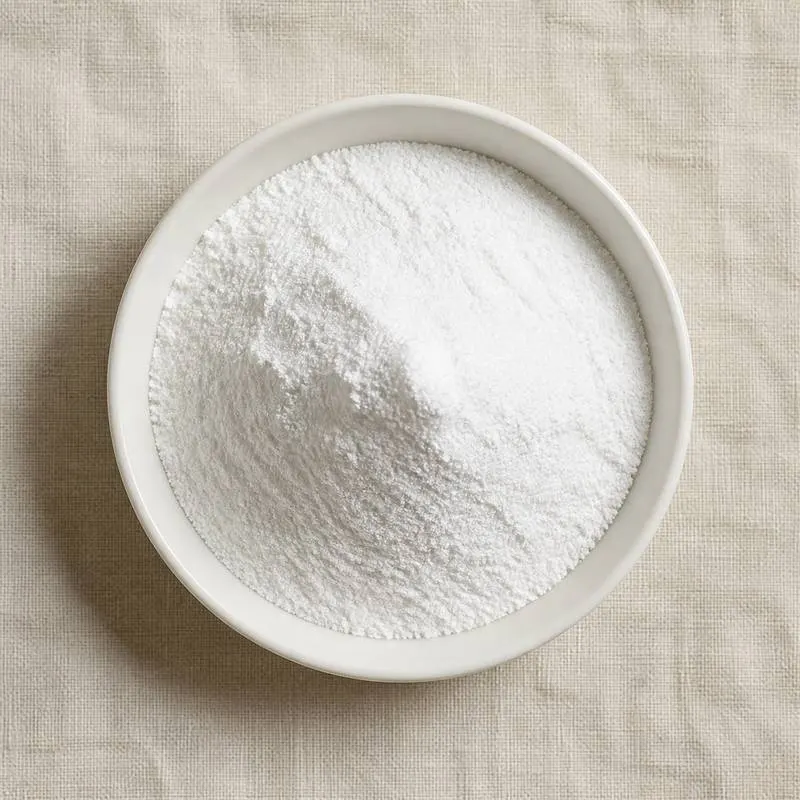
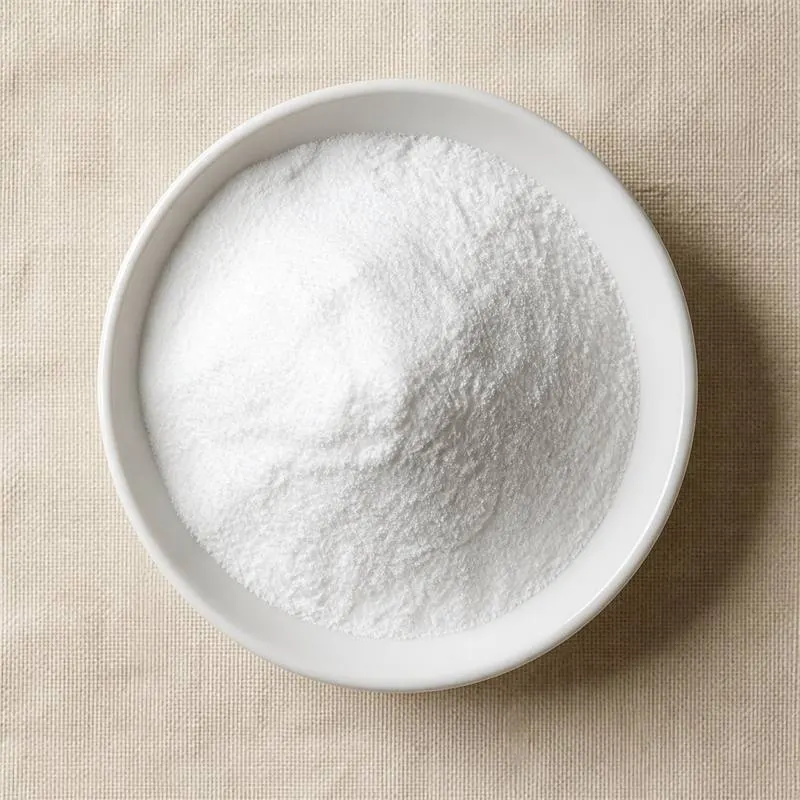
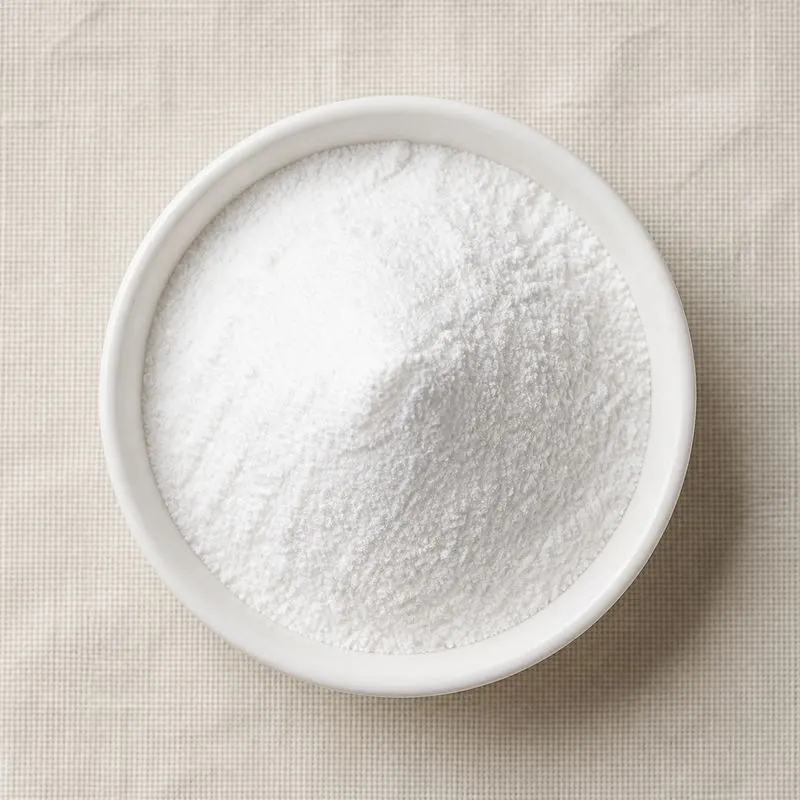
The material is a white to off white crystalline powder that is free flowing and, unlike the base, not hygroscopic under normal handling conditions. It is soluble in water, sparingly soluble in ethanol, and stable through dry storage and through the compression and granulation steps of tablet manufacture. Carnitine itself is the quaternary ammonium compound that carries long chain fatty acids across the inner mitochondrial membrane for beta oxidation, which is the basis of its use in energy, weight management and infant nutrition products.
We source bulk L-Carnitine Calcium Fumarate from top China manufacturers for our partners. The manufacturer is in Liaoning. A smaller requirement can ship in a combined container with other ingredients.
Please send the grade you need, the volume and your destination port, and we will come back with a solution and a price.
or call +86-21-6858 0751
- Function
- Amino acid
Specifications
| Item | Specification |
|---|---|
| Appearance | White to off white free flowing crystalline powder |
| Identification | Infrared and chromatographic identity conform to reference standard |
| Assay of the compound, dried basis | 98.0 to 102.0% |
| L-carnitine content | 50.0 to 53.0% |
| Calcium content | 12.0 to 13.5% |
| Fumaric acid content | 34.0 to 38.0% |
| D-carnitine content | Not more than 1.0% of total carnitine |
| pH, 5% aqueous solution | 5.5 to 7.5 |
| Loss on drying | Not more than 3.0% |
| Maleic acid | Not more than 0.1% |
| Lead, as Pb | Not more than 1 mg/kg |
| Arsenic, as As | Not more than 1 mg/kg |
| Total plate count | Not more than 1,000 cfu/g |
| Salmonella | Absent in 25 g |
Common Markets Grades
The salt is traded to a single principal specification, at an assay in the region of 98 to 102 percent for the compound, with the L-carnitine content, the calcium content and the fumarate content each declared so that the composition can be verified. The optical purity of the carnitine is part of the specification, since only the L form is biologically active and the D form is both inactive and treated as an impurity that competes with the L form for transport.
Physical grades are limited to fine powder for capsules and sachets and granulated grades for direct compression, and because the salt is not hygroscopic it needs neither the coating nor the humidity controlled handling that L-carnitine base requires. It should not be substituted on a weight basis for L-carnitine base, L-carnitine L-tartrate, L-carnitine fumarate without calcium, or acetyl-L-carnitine hydrochloride, all of which are separate articles with different carnitine contents. Feed grade material is produced for animal nutrition to looser limits and is documented separately from food and supplement stock.
Applications
- Infant and follow on formula, where carnitine is added because newborn synthesis is limited and the salt supplies calcium at the same time
- Weight management and energy supplements, where carnitine is dosed for its role in fatty acid transport
- Sports nutrition tablets and capsules, where the free flowing non hygroscopic powder tolerates direct compression
- Nutritional products for older adults, where both carnitine and calcium are formulation objectives
- Fortified beverages and drink powders, where the solubility of the salt suits a dissolved dose
- Clinical and convalescent nutrition, including formulations for patients on restricted diets low in meat and dairy
- Medical nutrition for renal patients, where carnitine losses are a recognised concern
- Animal feed and pet food, where carnitine is added to support fat metabolism in growing and working animals
- Effervescent and chewable tablets, where the absence of moisture pick up simplifies the formulation
China Manufacturers of L-Carnitine Calcium Fumarate
Top L-Carnitine Calcium Fumarate manufacturers in China.

Company names and logos are the property of the manufacturers themselves. They are listed here because our own directory records them as producing this ingredient. A listing is not an endorsement by them, and we do not represent them or speak on their behalf.
Regulatory Status
In the United States L-carnitine is a dietary ingredient in supplements under the Dietary Supplement Health and Education Act, and L-carnitine and L-carnitine L-tartrate have generally recognised as safe status for defined food uses. A mixed calcium fumarate salt is a distinct substance, so its use in conventional food rests on its own generally recognised as safe determination or on notification rather than on the entries covering the base and the tartrate, and the components are separately established: fumaric acid is affirmed as generally recognised as safe as a food ingredient and calcium salts are long established nutrient sources. Use in infant formula is governed by the infant formula regulations, which set requirements for carnitine content, and feed use is handled through the approved feed ingredient framework.
In the European Union the substance is not a food additive and has no E number. Regulation (EU) No 609/2013 and its delegated acts, together with Directive 2002/46/EC as amended, list L-carnitine and L-carnitine L-tartrate among the permitted substances for addition to foods for specific groups and to food supplements, and those entries name specific carnitine forms, so a salt not among them must be matched to a listed source or authorised in its own right, with the novel food rules under Regulation (EU) 2015/2283 applying to forms without a demonstrated history of use. Fumaric acid is separately authorised as the food additive E 297. Codex addresses carnitine in its standards for infant formula and foods for special medical purposes.
Manufacturing Process
Production starts with L-carnitine, which is made by biotransformation rather than by simple chemical synthesis, because the stereochemistry has to be controlled. Gamma-butyrobetaine is hydroxylated stereospecifically by an engineered microorganism such as an Escherichia coli or Agrobacterium strain carrying the appropriate hydroxylase, giving the L isomer directly and avoiding the resolution step required by the older chemical route. The broth is clarified, and the carnitine is captured on ion exchange resin, eluted, decolourised over activated carbon and concentrated, with optical purity confirmed before the material is carried forward.
The salt is then formed in a jacketed reactor. Fumaric acid, made industrially by the isomerisation of maleic acid from maleic anhydride, is slurried in purified water with a calcium source, usually calcium hydroxide or calcium carbonate, and the concentrated carnitine solution is added at the target stoichiometry. Where carbonate is used, carbon dioxide is released and vented as the batch warms. The mixture is held with agitation under controlled pH and temperature until reaction is complete, then polish filtered to remove undissolved calcium source and insolubles. The solution is concentrated under vacuum and the product is recovered either by cooling crystallisation followed by centrifugation, or by spray drying, which is the route that gives the free flowing powder most commonly sold. The dried solid is milled or granulated to the target cut, sieved, passed over a metal detector and packed.