Oat Extract
Oat extract is a concentrated preparation obtained from the grain, bran or green aerial parts of Avena sativa, standardised on one of three active fractions: beta-glucan, a soluble mixed linkage 1,3/1,4 polysaccharide of the endosperm cell wall; avenanthramides, a family of phenolic alkaloid amides unique to oats; or the saponin fraction known as avenacosides. Which fraction is present depends entirely on the plant part and the solvent used.
In food and supplement use the beta-glucan fraction is the commercially dominant one. It is a viscosity builder that hydrates in water to a smooth non-gelling solution, and it is the constituent behind the cholesterol and blood glucose claims associated with oats. The phenolic and saponin fractions are mostly directed at personal care, where oat extract functions as a soothing and film forming agent.
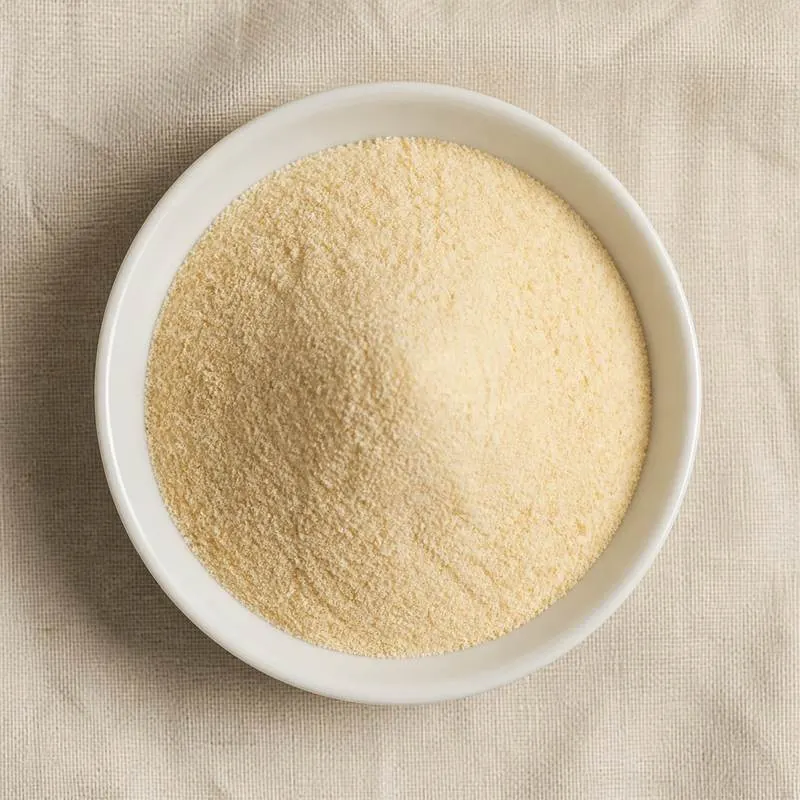
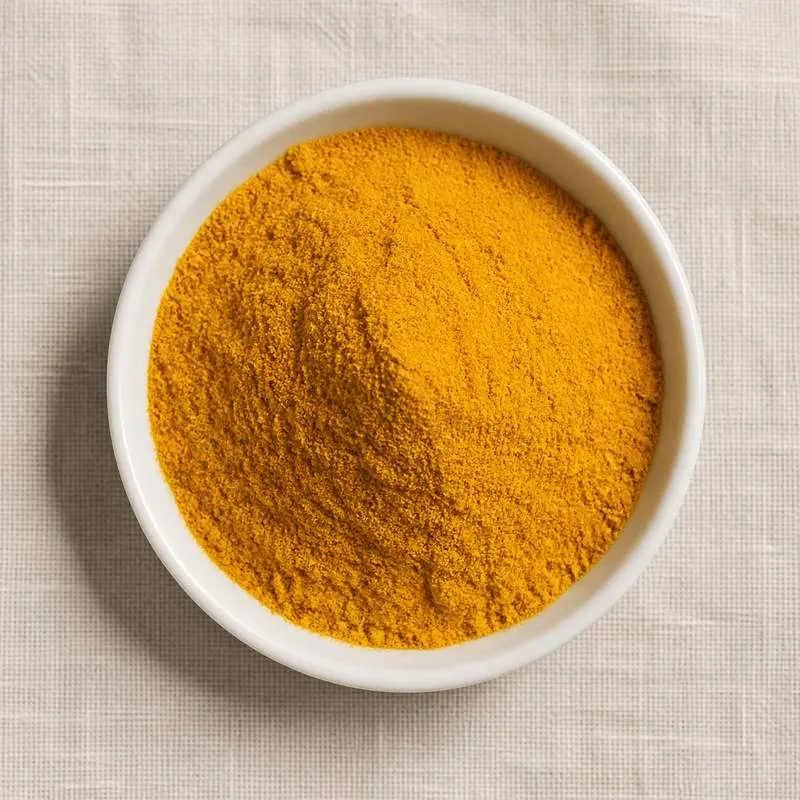
Powder grades are cream to light tan, fine and hygroscopic, and dissolve or disperse in warm water with agitation to give a viscous, slightly cloudy solution. Viscosity is sensitive to shear and to prolonged heat, which depolymerises the glucan chain, so processing is kept short and hot holding is limited.
We source bulk Oat Extract from top China manufacturers for our partners. The manufacturer is in Guangdong. A smaller requirement can ship in a combined container with other ingredients.
Please send the grade you need, the volume and your destination port, and we will come back with a solution and a price.
or call +86-21-6858 0751
- Function
- Plant extract
Specifications
| Item | Specification |
|---|---|
| Appearance | Cream to light tan fine powder |
| Odour and Taste | Mild cereal, no rancid or musty note |
| Beta-glucan (enzymatic) | ≥ 70.0% |
| Identification | Conforms by enzymatic assay and HPLC |
| Loss on Drying | ≤ 8.0% |
| Total Ash | ≤ 5.0% |
| Protein | ≤ 5.0% |
| Starch | ≤ 5.0% |
| Particle Size | 100% through 80 mesh |
| Residual Ethanol | ≤ 0.5% |
| Gluten | ≤ 20 mg/kg |
| Lead | ≤ 1.0 mg/kg |
| Arsenic | ≤ 1.0 mg/kg |
| Total Plate Count | ≤ 5,000 cfu/g |
| Yeast and Mould | ≤ 100 cfu/g |
| E. coli | Negative |
| Salmonella | Absent in 25 g |
Common Markets Grades
The principal split is by standardised active. Beta-glucan grades run from 20 percent through 50 to 70 percent and up to 80 percent or more for concentrated material, measured by the enzymatic mixed linkage assay rather than by total polysaccharide. Avenanthramide standardised extracts, made from bran or from green oat tops, are quoted at 0.1 to 1 percent because the compounds are present at low natural levels. Simple ratio extracts of green oat herb at 4:1 or 10:1 are traded where no marker is specified.
Physical grades cover spray dried powder at 80 to 100 mesh, an instantised agglomerated version for beverage mixes, and liquid concentrate at 5 to 20 percent solids for cosmetic use. Colloidal oatmeal, a finely milled whole oat flour rather than a true extract, is traded alongside these and is specified on particle size distribution. Gluten free certified oat material carries a stated gluten limit and is produced on segregated lines.
Applications
- Breakfast cereals and granola bars, added as a beta-glucan concentrate to raise soluble fibre without changing texture
- Bakery products, where the glucan holds water and slows staling in bread and muffins
- Meal replacement and weight management drinks, using viscosity to increase satiety
- Dairy alternatives, where oat extract supports body and mouthfeel in oat based drinks and yoghurt analogues
- Soups and sauces, contributing viscosity and a fat like mouthfeel in reduced fat formulations
- Dietary supplements in capsule and powder form standardised on beta-glucan content
- Sports nutrition products, used as a slowly digested carbohydrate and fibre source
- Skin care emulsions and lotions, where the phenolic and polysaccharide fractions give a soothing film
- Bath preparations and cleansers built on colloidal oat material
- Infant and toddler foods, as a mild soluble fibre with a long history of dietary use
Brands Using Oat Extract
Widely-distributed consumer products that list Oat Extract on the ingredient label.
Brand names, product names and logos are the property of their owners. They appear here as published evidence that the ingredient is used, taken from the brand's own label or website. Their appearance is not an endorsement, and it does not mean the brand buys from us or from any manufacturer listed on this site.
China Manufacturers of Oat Extract
Top Oat Extract manufacturers in China.
Company names and logos are the property of the manufacturers themselves. They are listed here because our own directory records them as producing this ingredient. A listing is not an endorsement by them, and we do not represent them or speak on their behalf.
Regulatory Status
In the United States oat and oat bran are conventional foods, and oat beta-glucan preparations are marketed on a GRAS basis rather than under a food additive regulation. The Food and Drug Administration has authorised a health claim linking beta-glucan soluble fibre from oats to reduced risk of coronary heart disease, codified at 21 CFR 101.81, which sets out the eligible oat sources and the qualifying fibre content per serving. Colloidal oatmeal is separately regulated as an over the counter skin protectant active ingredient.
In the European Union oat extract is a food ingredient with no E number, since it is not an additive. Health claims for oat beta-glucan on blood cholesterol and on post-prandial glycaemic response are authorised under Regulation 1924/2006 and are listed in the Union register with defined conditions of use. Extracts of green oat herb made by conventional aqueous or ethanolic processes are generally not novel, though concentrated fractions produced by newer processes may need assessment under Regulation 2015/2283. Codex has a standard for cereals and pulses covering the raw grain, and JECFA has not needed to evaluate oat extract because it is a food rather than an additive.
Manufacturing Process
For beta-glucan production, dehulled oat groats are roll milled and air classified so that the bran layer, which holds most of the glucan, is separated from the starchy endosperm. The bran fraction is slurried in warm alkaline water at a controlled pH, sometimes with a heat stable amylase to hydrolyse residual starch and a protease to remove protein, then held with agitation so that the glucan dissolves. Solids are removed on a decanter centrifuge and the extract clarified by filtration.
The clarified liquor is concentrated by vacuum evaporation or by ultrafiltration, which also washes out sugars and low molecular weight impurities. Precipitation with food grade ethanol recovers the glucan as a solid, which is redissolved, decolourised on activated carbon where required, and spray dried. Alcohol is recovered by distillation and returned to the process. For avenanthramide grades the route is different: bran or dried green oat tops are extracted with aqueous ethanol, the extract is filtered and concentrated under vacuum, and the concentrate is spray dried onto maltodextrin and assayed by HPLC.