Rice Syrup
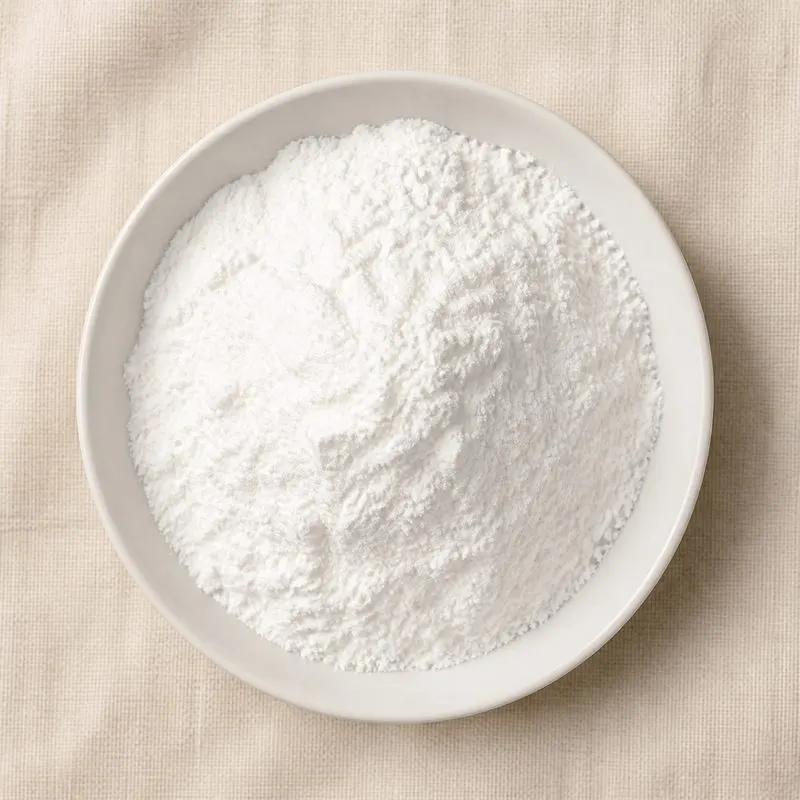
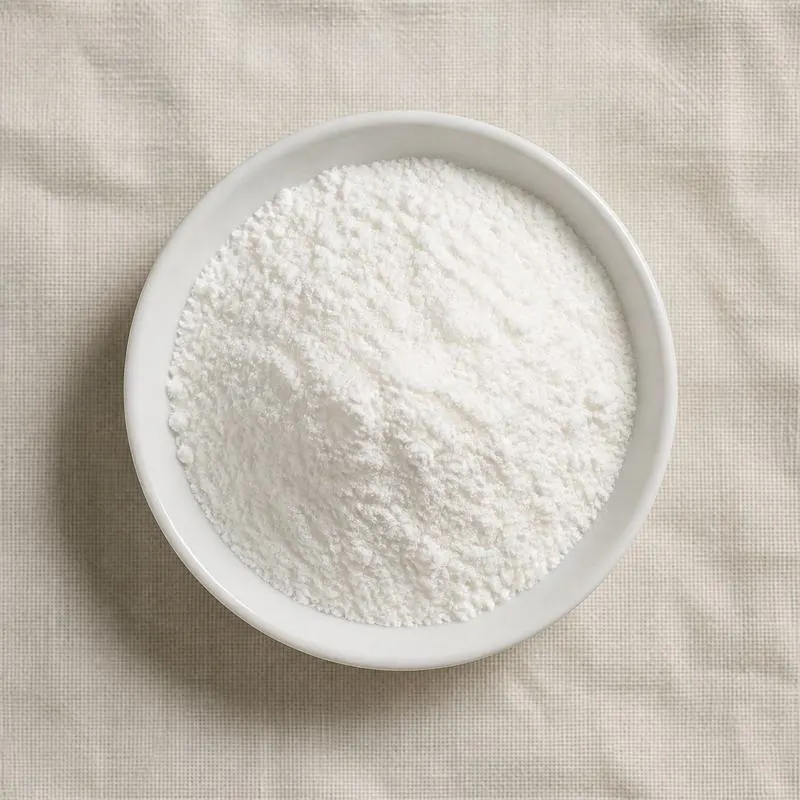
Rice syrup is a concentrated sweetener made by hydrolysing rice starch with enzymes into a mixture of glucose, maltose and higher oligosaccharides, then refining and evaporating the liquor to a viscous syrup of around 75 to 80 percent solids.
Its composition sets it apart from corn based syrups. Conventional rice syrup is produced to a high maltose profile, commonly 45 to 55 percent maltose with only a few percent free glucose and a substantial fraction of maltotriose and longer chains, which gives a mild clean sweetness roughly half that of sucrose, low hygroscopicity and good resistance to crystallisation. Because free fructose is essentially absent, rice syrup is used in formulations that avoid fructose. Higher conversion grades taken to a glucose-rich profile are also made where fermentability or greater sweetness is needed.
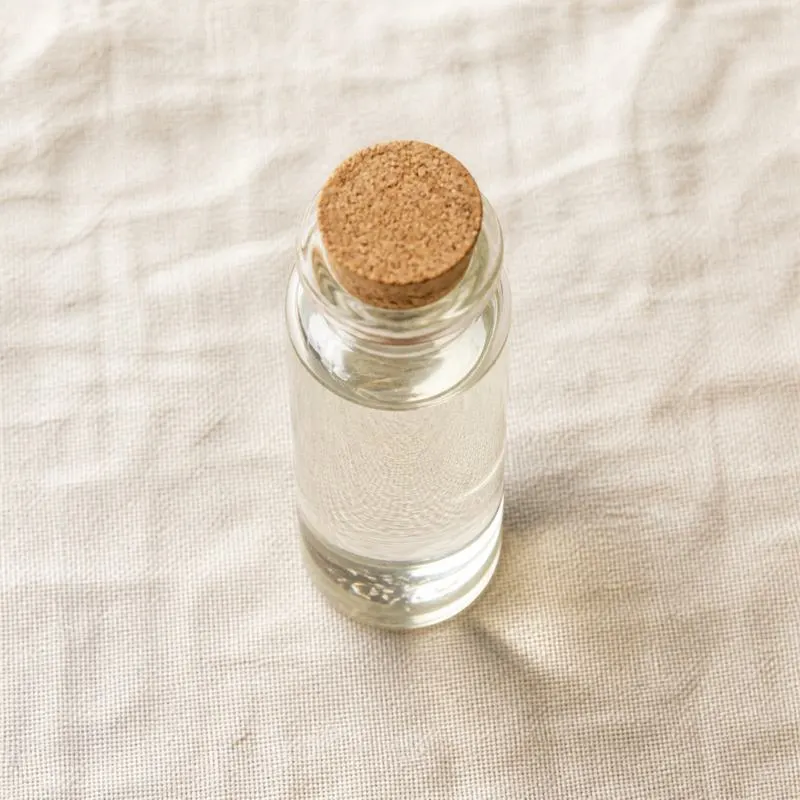
The syrup is a clear to pale amber liquid, fully miscible with water, with a viscosity that rises steeply as temperature falls, so it is normally handled warm. Brown rice syrup, made from unpolished grain with less decolourisation, is darker and carries a mild malty flavour. Both forms are free of gluten and are widely specified for organic and clean label positioning.
We source bulk Rice Syrup from top China manufacturers for our partners. The manufacturer is in Jiangxi. A smaller requirement can ship in a combined container with other ingredients.
Please send the grade you need, the volume and your destination port, and we will come back with a solution and a price.
or call +86-21-6858 0751
- Function
- Texturisers
Specifications
| Item | Specification |
|---|---|
| Appearance | Clear to pale amber viscous liquid, free of sediment |
| Odour and Taste | Mild, sweet, characteristic of rice |
| Dry Solids | 75.0% to 80.0% |
| Dextrose Equivalent | 40 to 50 |
| Maltose, dry basis | Not less than 45.0% |
| Glucose, dry basis | Not more than 6.0% |
| pH, 30% solution | 4.5 to 6.0 |
| Colour | Not more than 50 ICUMSA units |
| Sulphated Ash | Not more than 0.3% |
| Protein | Not more than 0.1% |
| Inorganic Arsenic | Not more than 0.1 mg/kg |
| Lead | Not more than 0.1 mg/kg |
| Sulphur Dioxide | Not more than 20 mg/kg |
| Total Plate Count | Not more than 1,000 CFU/g |
| Yeast and Mould | Not more than 50 CFU/g |
| Salmonella | Absent in 25 g |
Common Markets Grades
Rice syrup is traded by carbohydrate profile rather than by a single assay. High maltose grades, the most common, are specified by maltose content, dextrose equivalent in the 35 to 50 range, and colour. High conversion or high glucose grades run to a higher dextrose equivalent and are used where fermentability matters. Low dextrose equivalent grades approaching a maltodextrin profile are sold as bulking syrups with little sweetness.
Beyond the sugar profile, the split is between refined clear syrup made from milled white rice and brown rice syrup made from unpolished grain, which is darker, higher in ash and mineral content and sold on flavour as much as on sweetness. Organic certified grades are a large part of the trade. Spray dried rice syrup solids, sold as a free-flowing powder on a rice-derived carrier, are the dry equivalent. Buyers formulating for infant and toddler products specify tighter inorganic arsenic limits than general food grade.
Applications
- Cereal bars and granola clusters, where the high maltose fraction binds the pieces without recrystallising into a brittle glass
- Organic confectionery and hard candy, giving a non-crystallising base for boiled sweets
- Bakery fillings and glazes, controlling water activity and giving surface gloss
- Infant and toddler foods, providing a carbohydrate source with no free fructose
- Non-dairy and plant based beverages, contributing mild sweetness and body
- Frozen desserts, depressing the freezing point and giving a softer scoop without excess sweetness
- Brewing and fermentation adjunct, supplying fermentable extract of neutral flavour
- Sports and nutrition products formulated to exclude fructose or sucrose
- Sauces and dressings, adding body and a rounded background sweetness
- Clean label reformulation, as a stated replacement for glucose syrup or corn syrup
Brands Using Rice Syrup
Widely-distributed consumer products that list Rice Syrup on the ingredient label.
- Lundberg Family FarmsOrganic Sweet Dreams Brown Rice Syrup ↗Bottled brown rice syrup made from organic brown rice and filtered water, sold as a sweetener for baking and cooking.Label verified 2026-08-31
- Annie's HomegrownOrganic Chocolate Chip Chewy Granola Bars ↗Chewy granola bar whose ingredient list includes organic brown rice syrup alongside tapioca syrup and grape juice concentrate.Label verified 2026-08-31
Brand names, product names and logos are the property of their owners. They appear here as published evidence that the ingredient is used, taken from the brand's own label or website. Their appearance is not an endorsement, and it does not mean the brand buys from us or from any manufacturer listed on this site.
China Manufacturers of Rice Syrup
Top Rice Syrup manufacturers in China.
Company names and logos are the property of the manufacturers themselves. They are listed here because our own directory records them as producing this ingredient. A listing is not an endorsement by them, and we do not represent them or speak on their behalf.
Regulatory Status
Rice syrup is a food ingredient rather than a food additive. It has no E number and needs no additive authorisation, and it is declared on ingredient lists as rice syrup, brown rice syrup or rice glucose syrup depending on the grade.
In the United States it is used under the general food ingredient framework, with the enzymes used in its manufacture being processing aids that must themselves be permitted for food use. The FDA has published an action level for inorganic arsenic in infant rice cereal, and because arsenic concentrates in the rice grain, syrup destined for infant and toddler products is tested against tighter internal limits than the general grade. In the European Union rice syrup falls under general food law, with the contaminants regulation setting maximum levels for inorganic arsenic in rice and rice-derived products, and with the sugars labelling rules of the food information regulation applying to the finished food. Codex maintains standards for sugars and for the enzyme preparations used in starch hydrolysis. Rice syrup is routinely certified below 20 mg/kg gluten for gluten-free claims.
Manufacturing Process
Milled rice or broken rice is ground and slurried with water, then liquefied by injecting steam and holding the slurry above the gelatinisation temperature with a thermostable alpha amylase, which cuts the starch chains and drops the viscosity enough for the mash to be pumped. The liquefied mash is cooled to roughly 55 to 60 degrees Celsius and adjusted to a mildly acidic pH for saccharification, where a beta amylase and a pullulanase or a fungal amylase convert the dextrins into the target maltose-rich profile over several hours. The enzyme selection and the hold time are what set the finished carbohydrate spectrum. Traditional production used malted barley or koji as the enzyme source, and small volumes are still made that way.
When the conversion endpoint is reached the enzymes are deactivated by heating, and the mash is filtered on a filter press or membrane to remove insoluble protein and fibre. The clarified liquor is decolourised on activated carbon and demineralised on cation and anion ion exchange resins, which strip colour bodies, ash and residual amino acids. The refined liquor is concentrated in multiple effect and finishing evaporators to 75 to 80 percent solids, filtered again, cooled and filled. Brown rice syrup omits or shortens the decolourisation and demineralisation stages, retaining colour and minerals.