Rose Hip Extract
Rose Hip Extract is a powder produced from the false fruit (hip) of Rosa canina L. and related Rosa species. The hips are gathered after the first frost, when the wall flesh has softened and the vitamin C content has peaked.
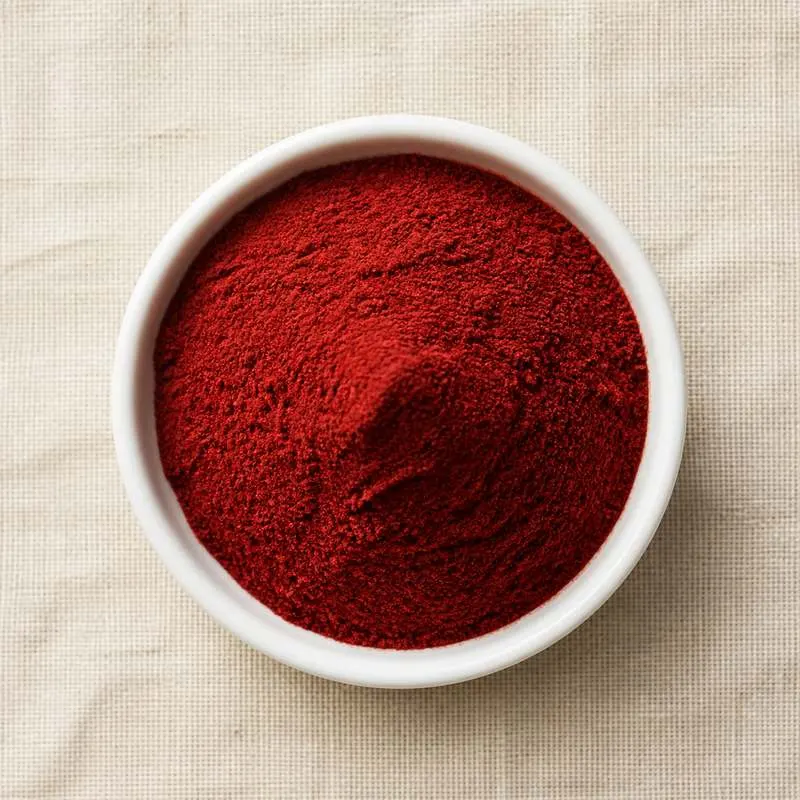
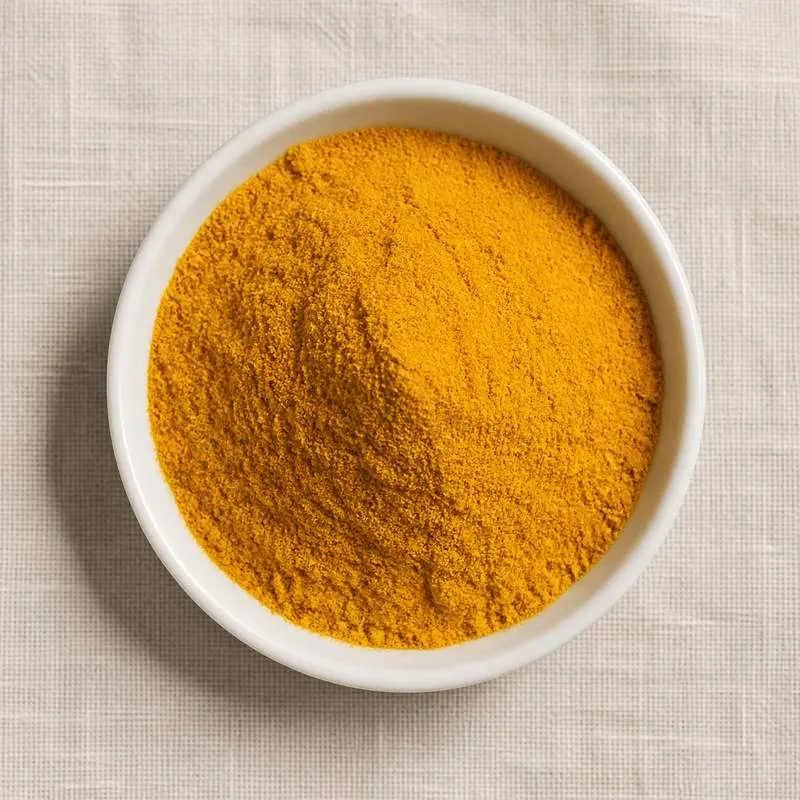
The extract carries native vitamin C, carotenoids (lycopene, beta-carotene, rubixanthin), polyphenolic acids, flavonoids, and the seed-derived galactolipid GOPO (1,2-di-O-alpha-linolenoyl-3-O-beta-D-galactopyranosyl-sn-glycerol). The material is an orange to brick-red free-flowing powder.
We source bulk Rose Hip Extract from top China manufacturers for our partners. The manufacturer is in Shaanxi. A smaller requirement can ship in a combined container with other ingredients.
Please send the grade you need, the volume and your destination port, and we will come back with a solution and a price.
or call +86-21-6858 0751
- Packaging
- 25 kg fibre drum with double PE liner
- Function
- Plant extract
- ISO 9001
- HACCP
- Halal
- Kosher
Specifications
| Item | Specification |
|---|---|
| Appearance | Orange to brick-red free-flowing powder |
| Botanical Source | Rosa canina L. hips; related Rosa species on request |
| Vitamin C (natural ascorbic acid, HPLC) | ≥ 5.0%, also supplied at 3.0% and 10.0% |
| Extract Ratio | 4:1, 10:1 or 20:1 native concentrate, grade dependent |
| Total Polyphenols (as gallic acid) | ≥ 3.0% |
| GOPO Galactolipid (HPLC) | ≥ 0.1%, cold-processed seed and shell grades only |
| Loss on Drying | ≤ 5.0% |
| Total Ash | ≤ 5.0% |
| Particle Size | 100% through 80 mesh |
| Residual Solvent (Ethanol) | ≤ 0.5% |
| Pesticide Residue | Conforms to EC 396/2005 |
| Heavy Metals (as Pb) | ≤ 2 mg/kg |
| Total Plate Count | ≤ 1,000 cfu/g |
| Yeast and Mould | ≤ 100 cfu/g |
| Salmonella | Negative/25g |
Common Markets Grades
Rose Hip Extract falls into several specification tiers.
Whole-fruit and seedless flesh powders carry the native polyphenol and vitamin C matrix without further standardisation. These are the standard grades for tea blends, beverages, and confectionery.
Vitamin C-standardised grades are quoted at 3, 5, and 10 percent natural ascorbic acid by HPLC. Higher synthetic-fortified blends are also offered but are commercially distinct.
4:1, 10:1, and 20:1 native concentrates are common in supplement formulation. A separate cold-processed seed-and-shell powder is produced where preservation of the heat-sensitive galactolipid fraction matters.
Organic-certified, tableting, and beverage-soluble carriers round out the catalog. A higher-spec joint-support grade (Rose Hip Extract SOD) is sold as a separate product with its own specification.
Applications
- Vitamin C and immune-support supplements positioned around natural ascorbic acid
- Tea bag blends, herbal infusions, and instant tea formats
- Functional beverages, syrups, cordials, and ready-to-drink wellness shots
- Confectionery: gummies, pastilles, hard candies, and lozenges
- Bakery fillings, jams, jellies, and fruit preserves
- Dairy and yogurt applications
- Joint and mobility supplements paired with glucosamine, MSM, or collagen
- Cosmetic creams, serums, and oils claiming radiance and antioxidant support
- Senior-nutrition powders and multivitamin blends
- Pet supplements for joint and immune support
- Pharmaceutical preparations under European herbal traditional-use monographs
- Natural colour contribution in low-pH beverages and confectionery
Brands Using Rose Hip Extract
Widely-distributed consumer products that list Rose Hip Extract on the ingredient label.
- Nature's WayVitamin C with Rose Hips Capsules ↗Capsules combining vitamin C with rose hip (Rosa canina) fruit.Label verified 2026-05-24
- Nature's WayExtra-Strength Vitamin C with Rose Hips 1000 mg ↗Nature's Way's official Extra-Strength Vitamin C with Rose Hips page sells 1,000 mg vitamin C capsules formulated with rose hips for higher-potency immune and antioxidant support.Label verified 2026-05-24
- SolgarVitamin C 1000 mg with Rose Hips Tablets ↗Tablets of vitamin C 1000 mg with rose hips.Label verified 2026-05-24
- SolgarVitamin C 500 mg with Rose Hips Tablets ↗Solgar's official 500 mg vitamin C with rose hips tablets page sells a daily-strength formulation combining ascorbic acid with rose hips fruit as a natural vitamin-C synergist.Label verified 2026-05-24
- NOW FoodsRose Hip Seed Oil (Organic) ↗A topical organic rose hip (Rosa canina) seed oil, 100% pure and rich in omega-6 fatty acids.Label verified 2026-05-24
Brand names, product names and logos are the property of their owners. They appear here as published evidence that the ingredient is used, taken from the brand's own label or website. Their appearance is not an endorsement, and it does not mean the brand buys from us or from any manufacturer listed on this site.
China Manufacturers of Rose Hip Extract
Top Rose Hip Extract manufacturers in China.
Company names and logos are the property of the manufacturers themselves. They are listed here because our own directory records them as producing this ingredient. A listing is not an endorsement by them, and we do not represent them or speak on their behalf.
How We Help Source Rose Hip Extract
Direct Factory Sourcing
We run the whole process: selecting the manufacturer from the top Chinese food ingredient producers, negotiating the price, verifying quality, and coordinating the logistics. You deal with us instead of with several factories at once.
Original Packaging and Documents from the Manufacturer
The manufacturer sends your Rose Hip Extract out of its own factory in the original packing, through to your destination port. The COA, COO, MSDS, TDS and any certifications reach you from the manufacturer as well.
Free Samples and Lead Time
We send 100 to 500 g free for your own laboratory to test and you cover only the courier, usually within 2 to 3 working days. ETD is usually within 7 to 15 days once the order is confirmed, and we check that date against the factory's own manufacturing schedule before we give it to you.
Combined Shipment
We can load Rose Hip Extract together with other ingredients such as Astaxanthin, Dehydrated Garlic and Lutein into one 20' FCL. If your quantity is small, we can also ship LCL.
Regulatory Status
Rose Hip Extract is widely accepted as a food and supplement ingredient.
In the European Union the fruit has a long history of food use and is the subject of a Committee on Herbal Medicinal Products monograph as a traditional herbal medicinal product. Several country-level monographs also exist, particularly in Germany and Scandinavia.
The United States treats rose hip and its derivatives as food ingredients with GRAS history, and the extract is sold as a dietary supplement under DSHEA. Japan accepts rose hip in tea and supplement formats.
The INCI name for cosmetic use is Rosa Canina Fruit Extract. Organic, Kosher, and Halal certifications are routinely available, and most Balkan supply moves through organic-certified channels.
Manufacturing Process
Rose hips are harvested by hand or by mechanical shaking, typically in late autumn from wild stands across the Balkans, Chile, and parts of central Europe. Frost-touched fruit is preferred because the cell walls break down enough to ease processing.
The hips are dried at controlled temperatures (usually below 60 degrees Celsius) to protect the heat-sensitive ascorbic acid and galactolipid content. Seeds and hairs are separated from the flesh in the deseeding step, with both fractions kept depending on the target grade.
The dried material is milled and extracted with water or aqueous ethanol. The extract is filtered, vacuum-concentrated, blended with a carrier such as maltodextrin, and spray-dried at low inlet temperature.
Assay includes HPLC vitamin C, carotenoid profile, and where relevant GOPO quantification by HPLC-ELSD or HPLC-MS. Authentication relies on the characteristic carotenoid pattern, which separates true Rosa canina from cheaper substitutes.