Turmeric Extract
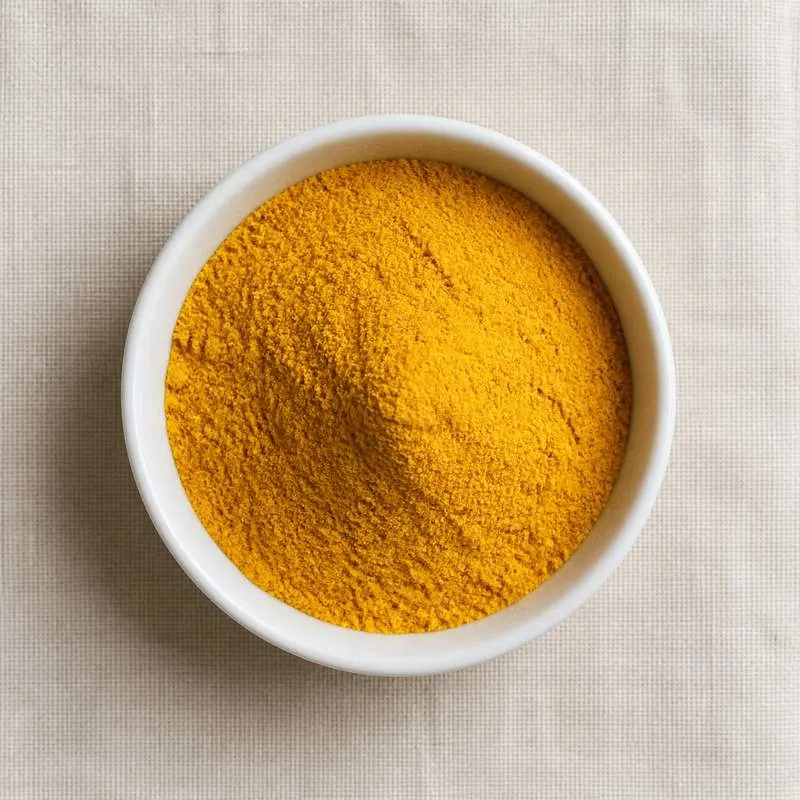
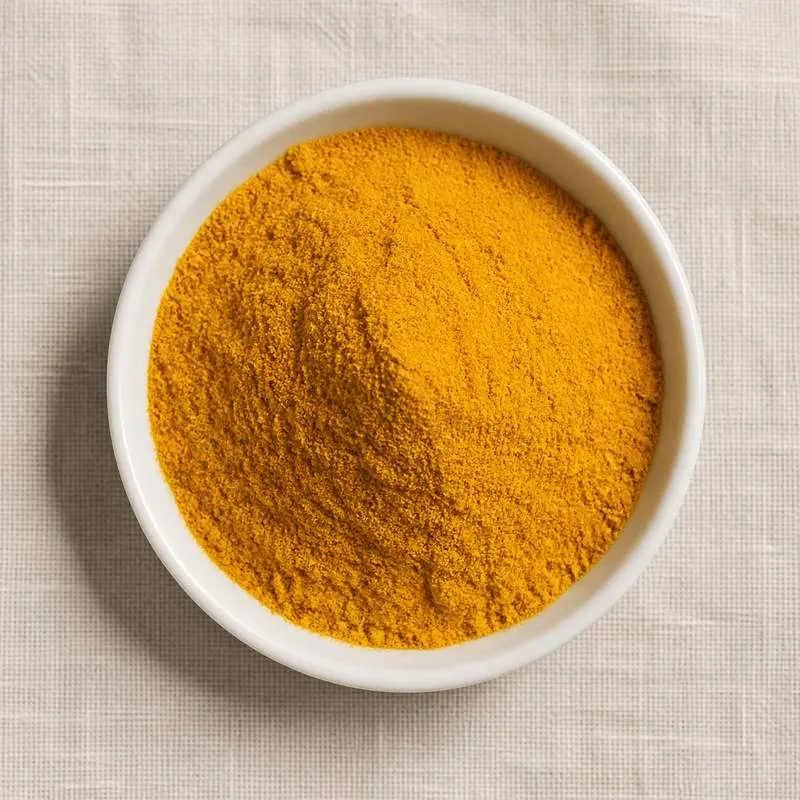
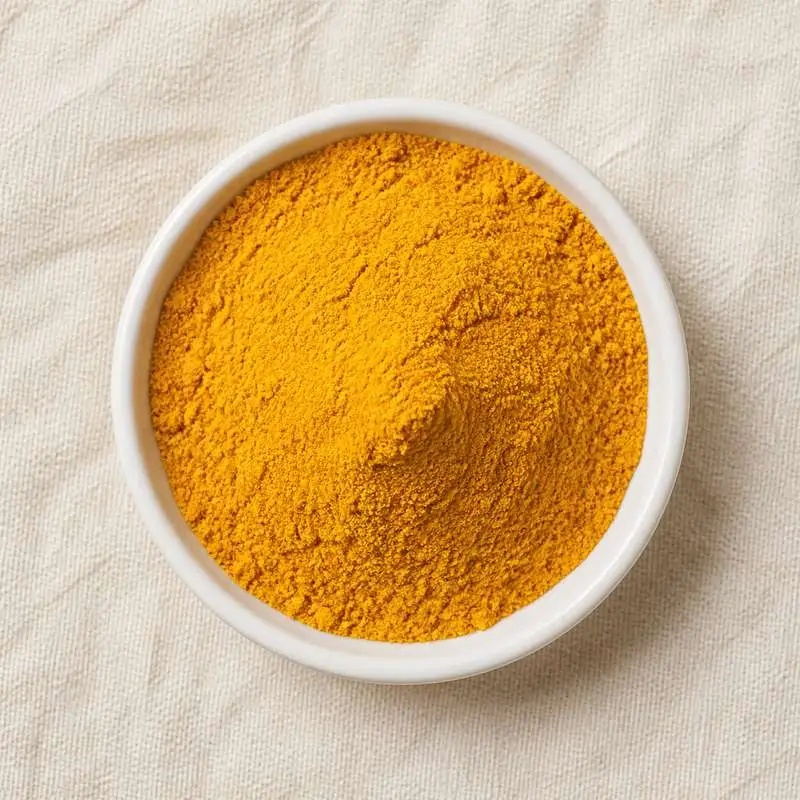
Turmeric Extract is a concentrated preparation of the rhizome of Curcuma longa, standardised to a defined curcuminoid content. It typically appears as a deep orange-yellow powder or, in oleoresin form, a thick reddish-brown paste.
The most common commercial specification is 95 percent total curcuminoids, made up of curcumin, demethoxycurcumin, and bisdemethoxycurcumin in their natural ratio. Lower-percentage extracts at 5 to 50 percent are produced for food colouring, beverage, and traditional formulation work.
We source bulk Turmeric Extract from top China manufacturers for our partners, working with several of them. The manufacturers are in Zhejiang, Shaanxi and Hebei. For this ingredient the minimum order is 500 kg and a 20-foot container takes 10 MT, and a smaller requirement can ship in a combined container with other ingredients.
Please send the grade you need, the volume and your destination port, and we will come back with a solution and a price.
or call +86-21-6858 0751
- Minimum order
- 500 kg
- Qty in 20' FCL
- 10 MT
- Packaging
- 25 kg fibre drum with double PE liner
- ISO 9001
- HACCP
- Halal
- Kosher
Specifications
Grades / Types Available: Food Grade, Pharmaceutical Grade
| Item | Specification |
|---|---|
| Appearance | Orange-yellow fine powder |
| Total Curcuminoids (UV) | ≥95% |
| Curcumin (HPLC) | ≥70% |
| Demethoxycurcumin | 15–25% |
| Bisdemethoxycurcumin | 2.5–10% |
| Moisture | ≤5.0% |
| Ash | ≤1.0% |
| Residual Solvents | Complies with USP |
| Particle Size (80 mesh) | ≥95% |
| Heavy Metals (as Pb) | ≤2 mg/kg |
| Pesticide Residues | Complies |
| Total Plate Count | ≤1,000 cfu/g |
| Salmonella | Absent in 25g |
| Purity/Assay (Food Grade) | Total curcuminoids (3 peaks) 5%-95% HPLC |
| Derivative Products | Turmeric Root Powder, Turmeric Oleoresin (Color value E150-300), Turmeric Essential Oil |
Common Markets Grades
Grades of Turmeric Extract form a continuum from lightly concentrated oleoresin to highly purified curcuminoid powder.
Turmeric oleoresin is the primary intermediate, a viscous solvent extract typically standardised to 30 to 55 percent curcuminoids. It retains the volatile turmerone oils that give the spice its aroma and is the format used by food colour converters.
Standardised powder extracts at 5, 10, and 20 percent curcuminoids serve traditional herbal supplement formats where a near-whole-spice profile is desired.
The 95 percent total curcuminoids powder is the standard grade in the supplement industry. It is solvent-extracted, washed, and recrystallised to remove resins and essential oils, leaving a free-flowing crystalline material.
Water-dispersible turmeric extract formats include spray-dried emulsions on gum arabic or modified starch, micellar liquid concentrates, and gamma-cyclodextrin inclusion complexes, all developed because curcuminoids do not dissolve in water.
Applications
- Dietary supplement capsules and tablets standardised to curcuminoid content
- Functional beverage shots, wellness teas, and golden milk premixes
- Soft drinks, fruit-flavoured beverages, and sports drinks for yellow-to-amber colour
- Dairy applications including flavoured yogurts, ice creams, and processed cheese
- Confectionery including gummies, hard candies, and sugar-panned items
- Bakery fillings, glazes, and cake batters where a clean yellow tone is required
- Plant-based meat analogues, vegan cheese, and egg replacers
- Sauces, dressings, mustards, and condiments needing concentrated colour
- Cosmetic serums, masks, and brightening creams in natural-positioning lines
- Pet supplements for joint and mobility support
- Pharmaceutical syrups and chewable tablets as a colouring excipient
- Premix component in immunity, joint, and anti-aging supplement stacks
Brands Using Turmeric Extract
Widely-distributed consumer products that list Turmeric Extract on the ingredient label.
- Nature's WayTurmeric Premium Extract (standardized 95% curcuminoids) ↗Nature's Way Turmeric Premium Extract is a 500 mg turmeric tablet standardised to 95% curcuminoids and Non-GMO Project Verified.Label verified 2026-05-24
- NOW FoodsTurmeric Curcumin Veg Capsules (95% curcuminoids) ↗NOW Foods' Turmeric Curcumin product page lists turmeric root extract standardised to 95% curcuminoids as a free-radical scavenger herbal supplement.Label verified 2026-05-24
- SolgarFull Spectrum Curcumin Licaps ↗Solgar's Full Spectrum Curcumin product is built on a water-soluble standardised turmeric extract micellized for higher bioavailability than 95% curcuminoid extract, sold via solgar.com.Label verified 2026-05-24
- Doctor's BestHigh Absorption Curcumin 1000 mg (C3 Complex) ↗Doctor's Best High Absorption Curcumin product page features Curcumin C3 Complex (standardised 95% turmeric extract) with BioPerine in 1000 mg/serving capsules.Label verified 2026-05-24
- Nature's BountyTurmeric 1000 mg Plus Black Pepper (95% curcuminoid standardized extract) ↗Uses turmeric extract standardised to 95% curcuminoids, paired with 5 mg black pepper extract, at 1,000 mg per serving.Label verified 2026-05-24
Brand names, product names and logos are the property of their owners. They appear here as published evidence that the ingredient is used, taken from the brand's own label or website. Their appearance is not an endorsement, and it does not mean the brand buys from us or from any manufacturer listed on this site.
China Manufacturers of Turmeric Extract
Top Turmeric Extract manufacturers in China.
 Ningbo Herb Pharma Corp.7 ingredients in the directory
 Shaanxi HerboMate Bio-Tech Co., Ltd.6 ingredients in the directory
- Tianxu Natural Pigment Co., Ltd.6 ingredients in the directory
Company names and logos are the property of the manufacturers themselves. They are listed here because our own directory records them as producing this ingredient. A listing is not an endorsement by them, and we do not represent them or speak on their behalf.
How We Help Source Turmeric Extract
Direct Factory Sourcing
We run the whole process: selecting the manufacturer from the top Chinese food ingredient producers, negotiating the price, verifying quality, and coordinating the logistics. You deal with us instead of with several factories at once.
Original Packaging and Documents from the Manufacturer
The manufacturer sends your Turmeric Extract out of its own factory in the original packing, through to your destination port. The COA, COO, MSDS, TDS and any certifications reach you from the manufacturer as well.
Free Samples and Lead Time
We send 100 to 500 g free for your own laboratory to test and you cover only the courier, usually within 2 to 3 working days. ETD is usually within 7 to 15 days once the order is confirmed, and we check that date against the factory's own manufacturing schedule before we give it to you.
Combined Shipment
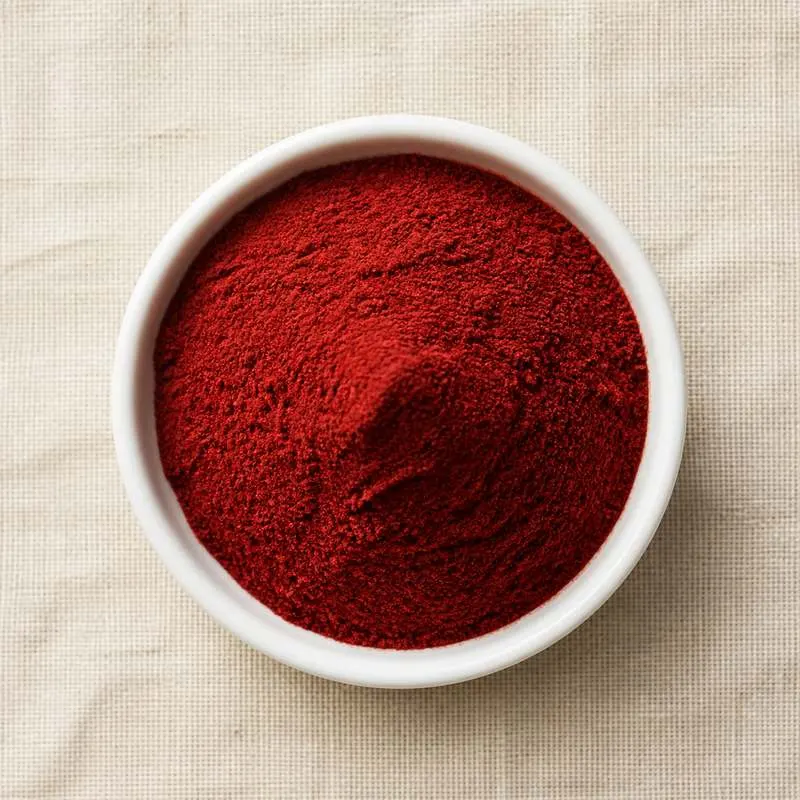
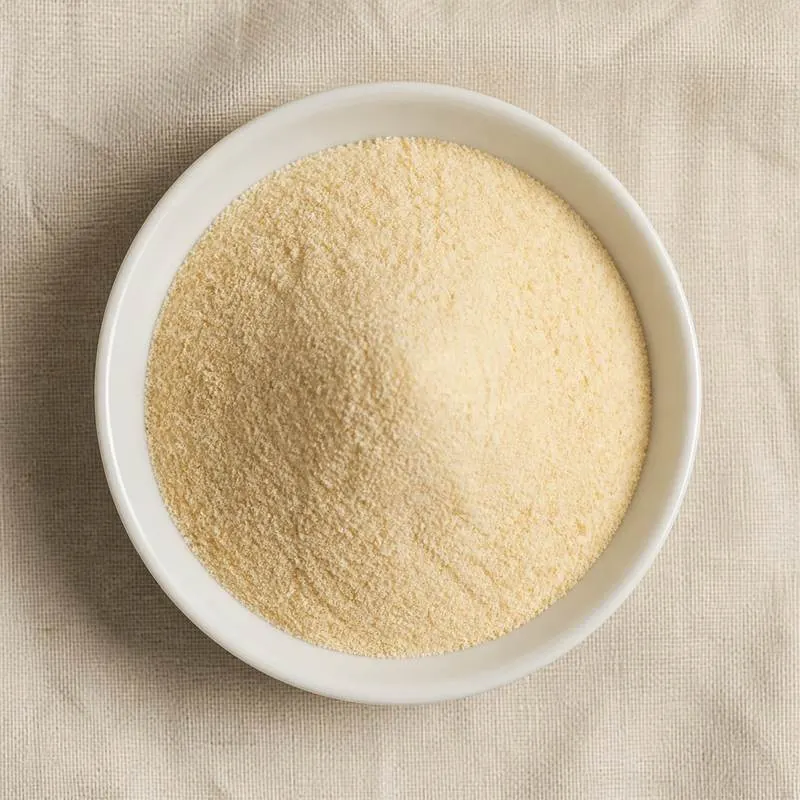
We can load Turmeric Extract together with other ingredients such as Astaxanthin, Dehydrated Garlic and Lutein into one 20' FCL. If your quantity is small, we can also ship LCL.
Regulatory Status
Turmeric Extract falls under both food colour rules and dietary supplement rules.
In the European Union, Regulation (EC) No 1333/2008 approves turmeric extracts used for colouring as E100. When marketed as a food supplement, the relevant framework is the Food Supplements Directive 2002/46/EC, with member-state-specific notification rules.
The U.S. Food and Drug Administration recognises turmeric and turmeric oleoresin as colour additives exempt from certification under 21 CFR 73.600 and 73.615. Curcumin and turmeric extracts are also Generally Recognized as Safe for use as flavourings and as ingredients in conventional foods.
JECFA has assigned an acceptable daily intake to the curcuminoid principle of turmeric extract. Japan permits turmeric extract as an existing natural colour additive under the Food Sanitation Act.
Pharmacopoeial monographs covering turmeric and its extract appear in the United States Pharmacopeia, the European Pharmacopoeia, the Indian Pharmacopoeia, and the Ayurvedic Pharmacopoeia of India. Halal, Kosher, organic, and non-GMO certifications are routinely offered.
Manufacturing Process
Turmeric extract production begins with sorted, cleaned, dried Curcuma longa rhizomes, predominantly sourced from India.
The rhizomes are coarsely ground and extracted in a multi-stage countercurrent or batch system using food-grade solvents such as ethanol, ethyl acetate, acetone, or hexane. The miscella is filtered and concentrated under vacuum to remove solvent, yielding turmeric oleoresin.
For standardised powder extracts, the oleoresin is washed with non-polar solvents to remove fats and resins, then crystallised from a polar solvent such as ethanol or isopropanol. Crystallisation, filtration, and drying are repeated to reach the target 95 percent curcuminoid specification.
Spray-drying onto a carrier such as maltodextrin, gum arabic, or modified food starch produces free-flowing powders for direct dosing into capsules, tablet blends, or beverage premixes. Liquid colour formats are produced by emulsifying the oleoresin with polysorbate 80 or lecithin.
Residual solvent levels, pesticide residues, and aflatoxin limits are routine quality concerns, and reputable producers run analytical panels by HPLC, GC, and LC-MS on each batch.