Vitamin And Mineral Premixes
Vitamin and Mineral Premixes are homogeneous dry blends of micronutrients on a carrier, formulated so that a single small addition delivers every vitamin and trace element a food or a feed is required to contain.
The reason they exist is dosing. Individual micronutrients are used at parts per million of the finished product, quantities too small to weigh accurately at a mill or a factory and far too small to distribute evenly through a tonne of flour or feed. Diluting them onto a carrier and blending them to a verified uniformity converts an impossible weighing problem into a simple one, and shifts the analytical burden to a specialist plant that can verify each lot.
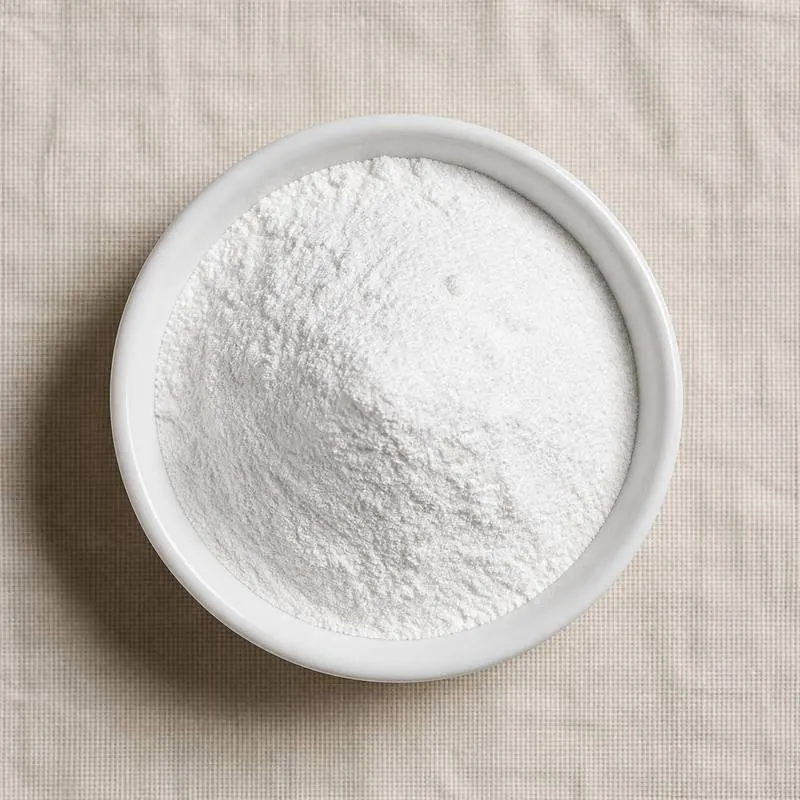
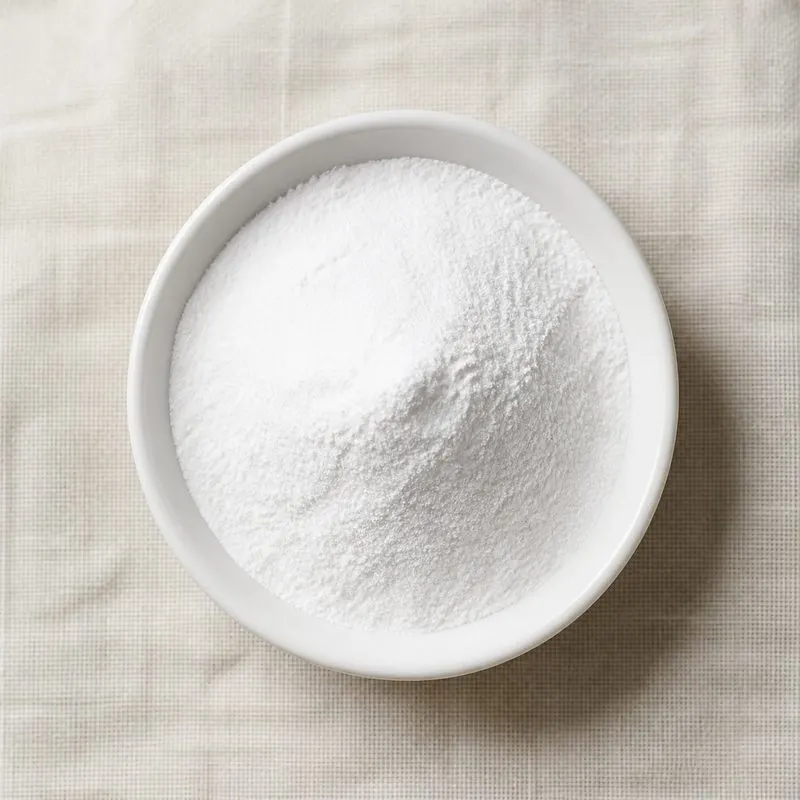
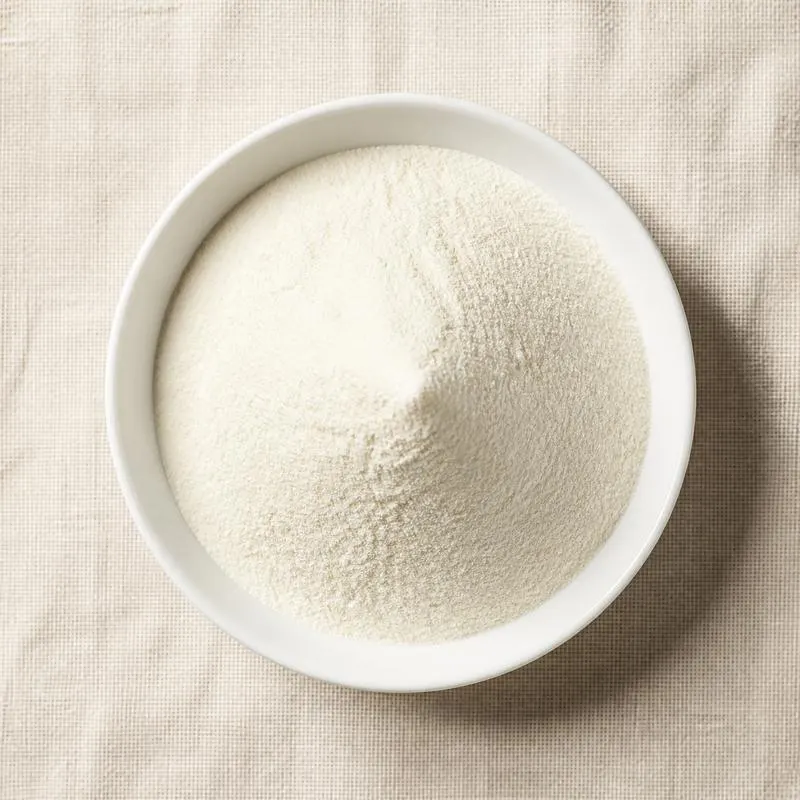
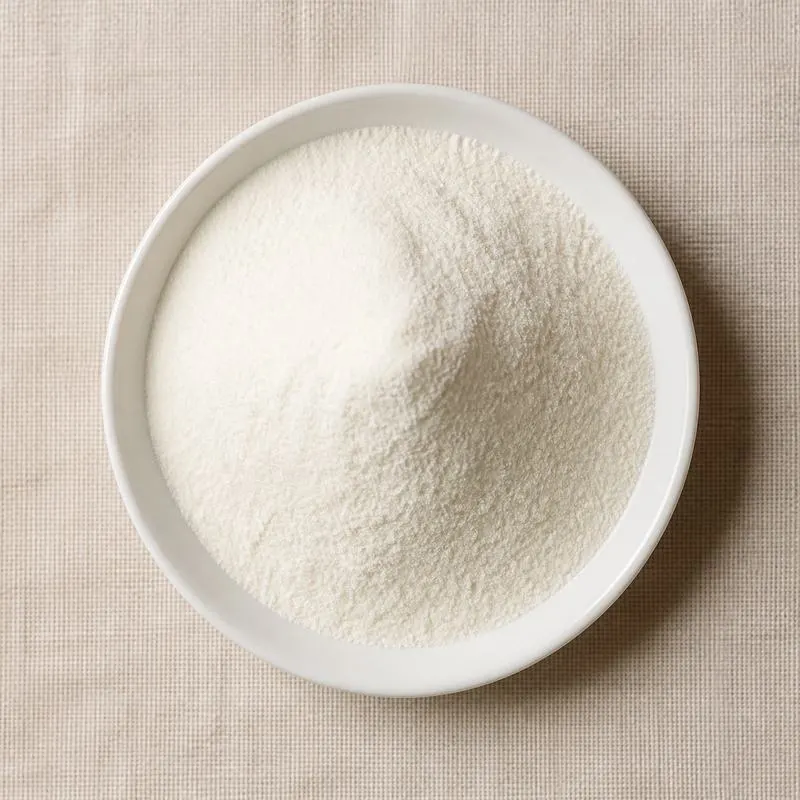
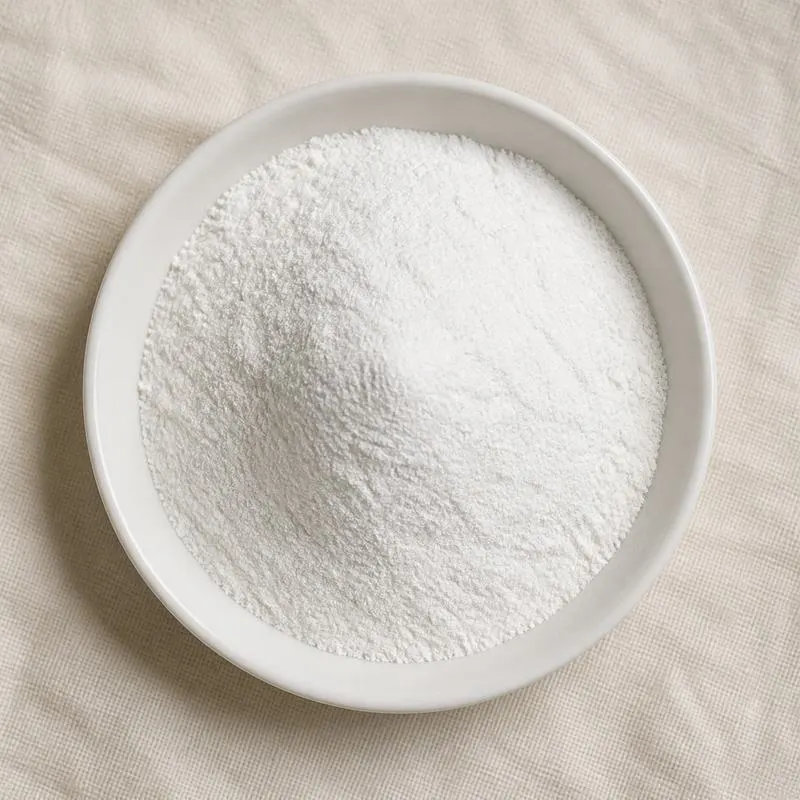
A premix is a free flowing powder or granulate, its colour ranging from off-white to yellow, brown or grey depending on which vitamins and mineral salts it contains. The carrier is typically calcium carbonate, dicalcium phosphate, wheat middlings, maltodextrin or refined starch, chosen for density match with the actives so the blend does not segregate in transit. Formulation is largely an exercise in keeping incompatible components apart: choline chloride and the trace metal salts of copper, iron and zinc catalyse the destruction of vitamins A, K3, thiamine and folate, so the vulnerable actives go in as coated or matrix protected forms and overage is built in to cover expected losses over the declared shelf life.
We source bulk Vitamin And Mineral Premixes from top China manufacturers for our partners. The manufacturer is in Guangdong. A smaller requirement can ship in a combined container with other ingredients.
Please send the grade you need, the volume and your destination port, and we will come back with a solution and a price.
or call +86-21-6858 0751
- Function
- Vitamin
Specifications
| Item | Specification |
|---|---|
| Appearance | Free-flowing powder or granulate, off-white to yellow, brown or grey according to formulation |
| Carrier | Calcium carbonate, dicalcium phosphate, wheat middlings, maltodextrin or refined starch as specified |
| Vitamin Content (each declared vitamin) | 90% to 150% of label claim at release |
| Mineral Content (each declared mineral) | 90% to 110% of label claim at release |
| Loss on Drying | ≤ 8.0% |
| Particle Size | ≥ 95% through 40 mesh (425 microns) |
| Bulk Density | 0.5 to 1.0 g/mL |
| Homogeneity (RSD of marker nutrient, 10 sub-samples) | ≤ 5.0% |
| Heavy Metals (as Pb) | ≤ 10 mg/kg |
| Lead (Pb) | ≤ 3 mg/kg |
| Arsenic (As) | ≤ 2 mg/kg |
| Total Plate Count | ≤ 10,000 CFU/g |
| Yeast and Mould | ≤ 500 CFU/g |
| E. coli | Negative/25g |
| Salmonella | Negative/25g |
Common Markets Grades
Premixes are made to order rather than sold from a catalogue, so the specification is the formulation itself. The broad categories are food fortification premixes, for flour, rice, salt, oil, milk and complementary foods, usually built to a national fortification standard; supplement premixes, which carry the full micronutrient profile of a tablet or a powder at high concentration; and feed premixes, which are the largest volume and are formulated by species and production stage.
Within those, the parameters a buyer sets are declared potency of each nutrient, overage, carrier identity, particle size and bulk density, dispersibility, inclusion rate, and shelf life with supporting stability data. Vitamin only, mineral only and combined premixes are traded separately, since keeping the vitamin and mineral fractions apart until final mixing is one of the simplest ways to extend stability. Allergen status, non-GMO documentation, Halal and Kosher certification and the presence or absence of an anticaking agent are routine specification points, and medicated feed premixes containing a veterinary active are a separate regulatory category altogether.
Applications
- Wheat flour and maize meal fortification, delivering the iron, folic acid, zinc and B vitamins of a national programme
- Rice fortification, applied through extruded fortified kernels blended into ordinary rice
- Edible oil and margarine fortification, supplying vitamins A and D in a fat dispersible form
- Salt fortification, carrying iodine and, in double fortified programmes, iron
- Infant formula and follow on formula, meeting the mandated micronutrient composition
- Complementary foods and therapeutic foods for malnutrition programmes
- Dairy products and fortified beverages, supplying the declared vitamin and mineral profile
- Multivitamin tablets, capsules and powders, as the concentrated micronutrient base of the formulation
- Poultry, swine and ruminant compound feed, delivering the full vitamin and trace element requirement
- Aquaculture feed and pet food, formulated for species specific requirements and extrusion survival
China Manufacturers of Vitamin And Mineral Premixes
Top Vitamin And Mineral Premixes manufacturers in China.

Company names and logos are the property of the manufacturers themselves. They are listed here because our own directory records them as producing this ingredient. A listing is not an endorsement by them, and we do not represent them or speak on their behalf.
Regulatory Status
A premix has no additive number of its own; every component is regulated separately and the blend is only as compliant as its least acceptable ingredient. In the European Union the vitamin and mineral forms permitted for food use are those listed under Regulation (EC) No 1925/2006 for the addition of vitamins and minerals to foods and under Directive 2002/46/EC for food supplements, while carriers and processing aids fall under the food additives regulation, with modified starch in the E1400 series, silicon dioxide as E551 and magnesium stearate as E470b among the common ones. Infant formula and follow on formula are governed by their own compositional rules, which permit a narrower set of nutrient forms than general fortification does.
In the United States the individual nutrients are used under their GRAS affirmations in 21 CFR Parts 182 and 184 or under specific food additive regulations, and enriched grain products must meet the standards of identity in 21 CFR Part 137. Separate rules govern feed premixes: in the European Union the feed additives regulation, with authorisation by functional group and species, and in the United States the Food and Drug Administration's animal food rules, with medicated premixes containing a veterinary drug subject to medicines controls rather than feed controls. Codex maintains general principles for the addition of essential nutrients to foods that underpin many national fortification standards.
Manufacturing Process
Production is a controlled blending operation whose whole difficulty is uniformity at very low inclusion. Each raw material arrives with a certificate and is re-assayed, since the premix potency depends on the actual assay of every component rather than its nominal value. Actives are milled or screened so that particle size and density are matched across the blend, because a mixture of coarse dense mineral salt and fine light vitamin powder will segregate during discharge and transport no matter how well it was mixed.
Weighing is done against the formulation with the overage calculated for each nutrient from its known decay rate in that matrix. Very low dose actives are pre-diluted in a separate small blender, sometimes through two successive dilution steps, before entering the main mix. The main blend is made in a ribbon, paddle or double cone mixer for a validated mixing time, and homogeneity is verified by assaying samples drawn from several points in the vessel or by a tracer test, with the coefficient of variation as the release criterion. Anticaking agent may be added, and oil is sometimes sprayed on to bind fines and suppress segregation. The finished blend is sieved, passed over a magnet and a metal detector, and packed into moisture barrier bags or drums, with retained samples held for the full shelf life and cleaning between batches validated to prevent carry over.