Buffered Lactic Acid
Buffered Lactic Acid is a partially neutralised solution of lactic acid (E270) and its sodium or potassium salt (E325 or E326), formulated to deliver acidification with controlled pH and reduced corrosivity compared with the free acid.
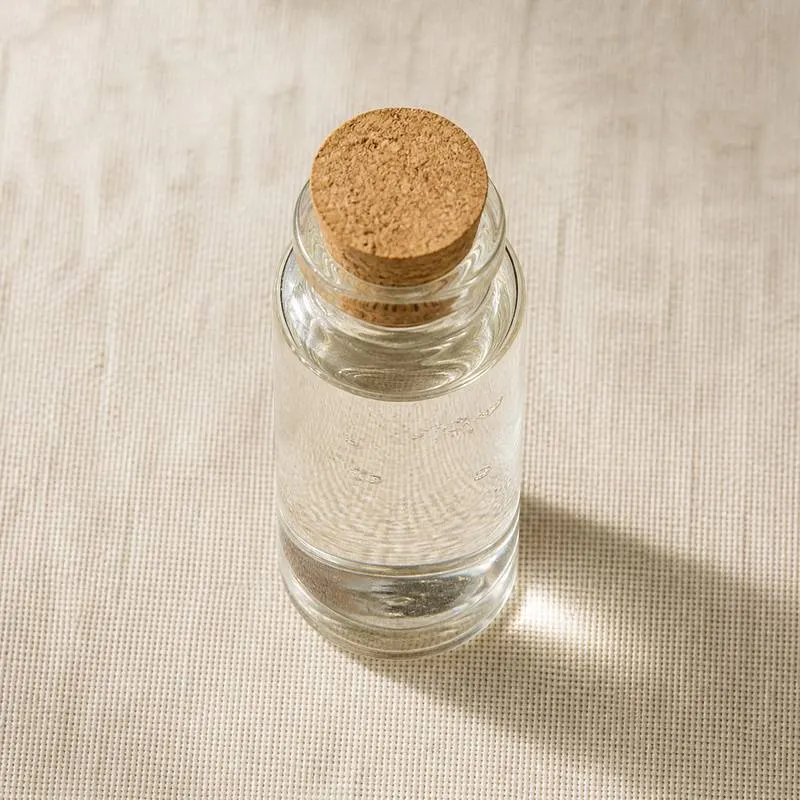
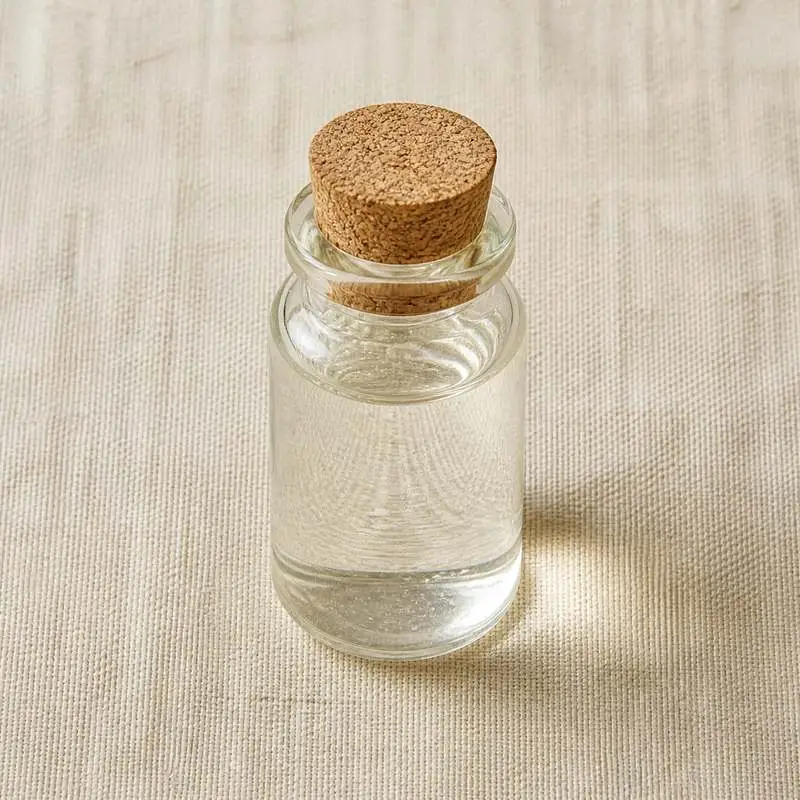
The product is a clear, colourless to pale-yellow liquid in which lactic acid and lactate ion coexist in a defined ratio, typically targeting a solution pH in the range of 3.5 to 5.5 depending on the buffer point chosen. This composition uses the Henderson-Hasselbalch behaviour of lactic acid (pKa 3.86) to hold the pH steady when acid or alkali is added.
By moderating the free-acid strength, the buffered form is gentler on stainless steel and on protein-containing matrices than concentrated lactic acid, while retaining the antimicrobial and flavour-modifying benefits that make lactic acid systems useful in clean-label processing.
We source bulk Buffered Lactic Acid from top China manufacturers for our partners. The manufacturer is in Shandong. A smaller requirement can ship in a combined container with other ingredients.
Please send the grade you need, the volume and your destination port, and we will come back with a solution and a price.
or call +86-21-6858 0751
- Packaging
- 250 kg plastic drum or 1,000 kg IBC tote
- ISO 9001
- HACCP
- Halal
- Kosher
Specifications
Grades / Types Available: FCCV
| Item | Specification |
|---|---|
| Appearance | Clear to slightly yellow liquid |
| Total Solids | 60.0–80.0% |
| Lactic Acid Content | 45.0–60.0% |
| Sodium Lactate Content | 15.0–25.0% |
| pH | 3.5–5.5 |
| Chloride (Cl) | ≤ 0.5% |
| Sulfate (SO₄) | ≤ 0.05% |
| Heavy Metals (as Pb) | ≤ 10 mg/kg |
| Lead (as Pb) | ≤ 0.5 mg/kg |
| Arsenic (as As) | ≤ 1 mg/kg |
| Total Plate Count | ≤ 1,000 CFU/g |
| Yeast & Mold | ≤ 100 CFU/g |
| E. coli | Negative/g |
| Salmonella | Negative/25g |
| Color (fresh solution) | Max.70 Hazen |
| Lactic acid Assay | 58.0%-61.0% |
| Sodium lactate Assay | 19.0%-21.0% |
| Density (@20°C) | 1.24 g/ml – 1.26g/ml |
| Sulphate | Max.20ppm |
| Iron | Max.10ppm |
| Calcium | Max.20ppm |
Common Markets Grades
Buffered Lactic Acid is graded into several standard composition tiers, each defined by the ratio of free acid to lactate salt and by the target solution pH.
A typical 60 percent total-acid grade buffered to pH 3.5 to 4.0 is the standard grade for meat and poultry antimicrobial sprays, where activity against Listeria and Salmonella is required without sensory impact.
A 50 percent grade buffered to pH 4.5 to 5.0 is preferred for ready-meal acidification, dressings, and dairy applications, where a softer acid taste and minimal precipitation of calcium are essential.
A potassium-lactate variant, prepared with potassium hydroxide instead of sodium hydroxide, is produced for low-sodium meat and seafood formulations and for processed cheese where potassium loading is preferred.
All commercial grades meet the Food Chemicals Codex Edition V monograph for lactic acid, with assay confirmed by titration and stereochemistry (L-, D-, or DL-) declared per lot. The L-lactic acid base is the standard for nutritional and infant-applicable products.
Specialty blends with calcium or magnesium lactate, or with sodium diacetate, exist for tailored antimicrobial systems in cured meats and refrigerated ready meals.
Applications
- Beef, pork, and poultry carcass sprays for surface antimicrobial intervention
- Ready-to-eat deli meats and cured sausages for Listeria control
- Marinades and brines for whole-muscle injection and tumbling
- Fresh and case-ready seafood for shelf-life extension
- Refrigerated salads, dips, and ready meals for pH control and preservation
- Dressings, sauces, and emulsified condiments where soft acidity is preferred
- Processed and analog cheese for pH adjustment without harshness
- Bakery applications including tortilla and flatbread mould inhibition
- Beverage acidification for dairy drinks, kefir analogs, and plant-based milks
- Pet food preservation in semi-moist treats and refrigerated formats
- Cosmetic toners, micellar waters, and skin-care emulsions as a buffered acid
- Pharmaceutical wound-care irrigants and oral-care rinses
Brands Using Buffered Lactic Acid
Widely-distributed consumer products that list Buffered Lactic Acid on the ingredient label.
- Hillshire Farm (Tyson Foods)Lit'l Smokies Smoked Sausage ↗Contains potassium lactate and calcium lactate as preservativesLabel verified 2026-05-24
- Hillshire Farm (Tyson Foods)Beef Hot Links Smoked Sausage ↗Contains potassium lactate as preservativeLabel verified 2026-05-24
Brand names, product names and logos are the property of their owners. They appear here as published evidence that the ingredient is used, taken from the brand's own label or website. Their appearance is not an endorsement, and it does not mean the brand buys from us or from any manufacturer listed on this site.
China Manufacturers of Buffered Lactic Acid
Top Buffered Lactic Acid manufacturers in China.

Company names and logos are the property of the manufacturers themselves. They are listed here because our own directory records them as producing this ingredient. A listing is not an endorsement by them, and we do not represent them or speak on their behalf.
How We Help Source Buffered Lactic Acid
Direct Factory Sourcing
We run the whole process: selecting the manufacturer from the top Chinese food ingredient producers, negotiating the price, verifying quality, and coordinating the logistics. You deal with us instead of with several factories at once.
Original Packaging and Documents from the Manufacturer
The manufacturer sends your Buffered Lactic Acid out of its own factory in the original packing, through to your destination port. The COA, COO, MSDS, TDS and any certifications reach you from the manufacturer as well.
Free Samples and Lead Time
We send 100 to 500 g free for your own laboratory to test and you cover only the courier, usually within 2 to 3 working days. ETD is usually within 7 to 15 days once the order is confirmed, and we check that date against the factory's own manufacturing schedule before we give it to you.
Combined Shipment
We can load Buffered Lactic Acid together with other ingredients such as Calcium Acetate, Citric Acid and Glucono-Delta-Lactone into one 20' FCL. If your quantity is small, we can also ship LCL.
Regulatory Status
Both components of Buffered Lactic Acid are approved as food additives globally.
In the European Union lactic acid is listed as E270 and sodium lactate as E325, with potassium lactate as E326 and calcium lactate as E327. Regulation (EC) No 1333/2008 permits all of them at quantum satis across most food categories.
The U.S. Food and Drug Administration recognises lactic acid as Generally Recognized as Safe under 21 CFR 184.1061 and sodium lactate under 21 CFR 184.1768. The U.S. Department of Agriculture Food Safety and Inspection Service approves buffered lactic acid blends as antimicrobial processing aids and ingredients in meat and poultry under 9 CFR 424.21.
JECFA has evaluated lactic acid and its sodium, potassium, calcium, and ammonium salts and concluded that an acceptable daily intake need not be specified, reflecting the molecule's central role in human carbohydrate metabolism.
Pharmacopoeial monographs for lactic acid and sodium lactate appear in the United States Pharmacopeia, the European Pharmacopoeia, the British Pharmacopoeia, and the Japanese Pharmacopoeia. The Food Chemicals Codex Edition V monograph is the principal reference for buffered food-grade material.
Halal and Kosher certifications are routinely available, since both the fermentation feedstock and the alkali used for neutralisation are of vegetable and mineral origin.
Manufacturing Process
Buffered Lactic Acid is produced by partial neutralisation of fermentation-derived lactic acid with food-grade sodium or potassium hydroxide.
The starting lactic acid is itself produced by anaerobic fermentation of glucose, sucrose, or starch hydrolysate using lactic acid bacteria, predominantly Lactobacillus delbrueckii, Lactobacillus rhamnosus, or selected Bacillus coagulans strains. Fermentation runs at 40 to 50 degrees Celsius with pH controlled by lime addition.
The crude calcium lactate is acidified with sulphuric acid to regenerate free lactic acid and precipitate calcium sulphate, which is filtered off. The clarified acid is concentrated, decolorised with activated carbon, and esterified-distilled or membrane-purified to deliver heat-stable lactic acid above 80 percent.
Buffering is then carried out by metered addition of 45 to 50 percent NaOH or KOH in stainless-steel mix tanks under controlled temperature and constant pH monitoring. The buffer ratio is set to the target pH, the solution is polish-filtered, and assay, optical purity, and microbiology are checked against the Food Chemicals Codex Edition V monograph.