Dihydroquercetin
Dihydroquercetin is a flavanonol, also known under the trivial name taxifolin, with molecular formula C₁₅H₁₂O₇ and CAS number 480-18-2.
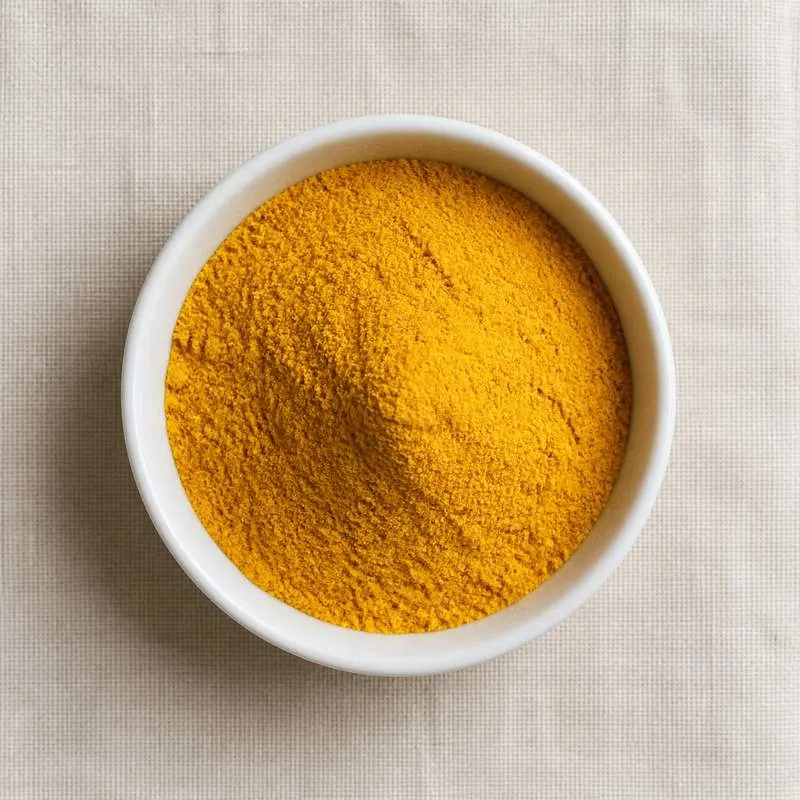
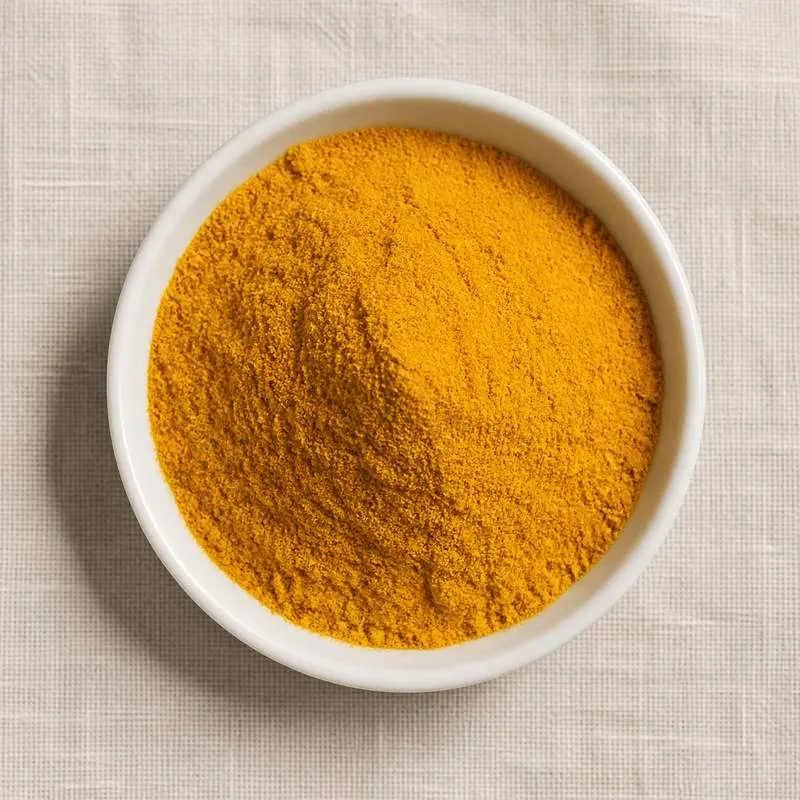
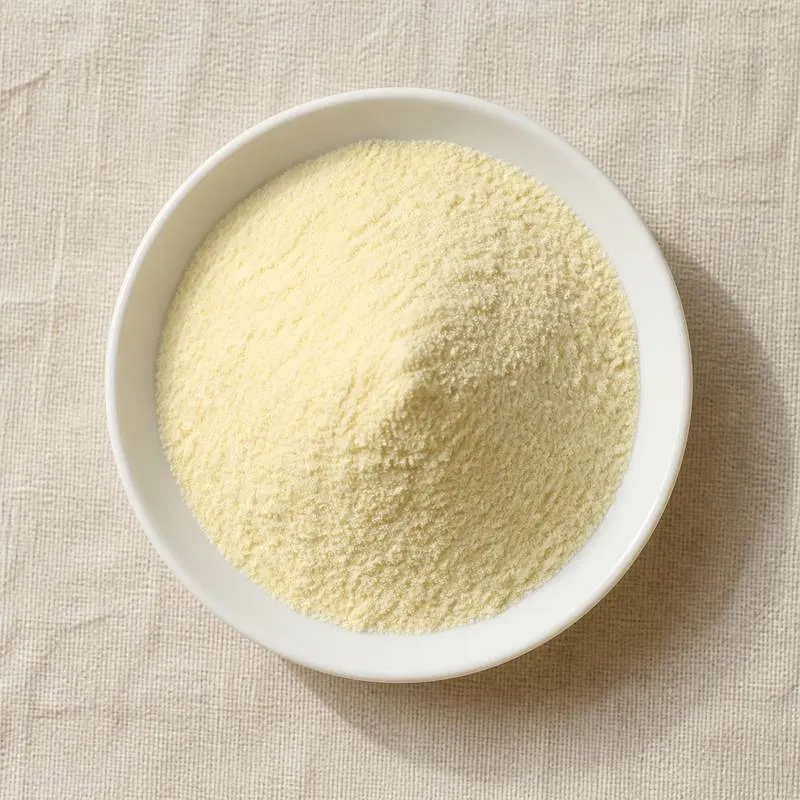
The substance is a fine off-white to pale yellow crystalline powder with the bitter, slightly astringent taste typical of polyphenols. It carries a hydroxyl pattern almost identical to quercetin but with a saturated C-ring 2,3-bond, which removes the planar conjugation and shifts the colour from yellow to near-white.
We source bulk Dihydroquercetin from top China manufacturers for our partners. The manufacturer is in Sichuan. A smaller requirement can ship in a combined container with other ingredients.
Please send the grade you need, the volume and your destination port, and we will come back with a solution and a price.
or call +86-21-6858 0751
- Packaging
- 25 kg kraft paper bag with PE inner liner
- ISO 9001
- HACCP
- Halal
- Kosher
Specifications
Grades / Types Available: Pharmaceutical Grade, Food Grade
| Item | Specification |
|---|---|
| Appearance | Yellow crystalline powder |
| Assay | ≥ 95.0% |
| Moisture | ≤ 3.0% |
| Heavy Metals (as Pb) | ≤ 10 mg/kg |
| Purity (Pharmaceutical Grade) | ≥ 95% |
| Moisture/Loss on Drying | ≤ 5% |
| pH | 5.0 - 7.0 |
| Lead | ≤ 1 ppm |
| Arsenic | ≤ 1 ppm |
| Total Plate Count | ≤ 1000 cfu/g |
| Yeast & Mold | ≤ 100 cfu/g |
Common Markets Grades
Commercial grades are defined by chromatographic purity.
The standard nutraceutical grade is 90 to 92 percent dihydroquercetin by HPLC, balance accompanying flavonoids and moisture.
A 95 to 96 percent grade is produced for premium supplement brands and for use as an antioxidant carrier in functional fats and oils.
A 98 percent or higher grade is produced for pharmaceutical formulation and for analytical reference standards. This grade typically meets monograph requirements for residual solvents and heavy metals.
Spray-dried versions on a maltodextrin or microcrystalline cellulose carrier are produced for direct compression into tablets, usually standardised to 20 or 50 percent active.
Applications
- Stand-alone antioxidant capsules and tablets in vascular and cardio-wellness ranges
- Combination products with vitamin C, vitamin E, or coenzyme Q10
- Sports nutrition formulas targeting recovery and microcirculation
- Functional beverages, especially clear waters and shots where the near-white colour is an advantage
- Lipid-stabilising antioxidant in fish oil, krill oil, and algal DHA softgels
- Natural-positioning preservative in vegetable oils, sauces, and meat products
- Cosmetic actives in anti-aging serums, eye creams, and after-sun lotions
- Oral-care products including toothpaste and mouthwash with gum-comfort claims
- Veterinary supplements for companion animals and racing horses
- Animal-feed antioxidant blends as a vitamin E sparing ingredient
Brands Using Dihydroquercetin
Widely-distributed consumer products that list Dihydroquercetin on the ingredient label.
- SuperSmartSuperSmart Taxifolin Dihydroquercetin 60 mg (Dahurian Larch) ↗Official SuperSmart page: tablet supplies Dihydroquercetin from 66 mg of Dahurian larch (Larix gmelinii) extract standardised to 90% dihydroquercetin; other ingredients acacia gum and fructo-oligosaccharides.Label verified 2026-05-24
- Endurance Products CompanyEndur Taxifolin Complex SR ↗Official Endurance Products page: sustained-release tablet featuring Lavitol-brand dihydroquercetin (taxifolin) with vitamin C and zinc bisglycinate.Label verified 2026-05-24
Brand names, product names and logos are the property of their owners. They appear here as published evidence that the ingredient is used, taken from the brand's own label or website. Their appearance is not an endorsement, and it does not mean the brand buys from us or from any manufacturer listed on this site.
China Manufacturers of Dihydroquercetin
Top Dihydroquercetin manufacturers in China.
Company names and logos are the property of the manufacturers themselves. They are listed here because our own directory records them as producing this ingredient. A listing is not an endorsement by them, and we do not represent them or speak on their behalf.
How We Help Source Dihydroquercetin
Direct Factory Sourcing
We run the whole process: selecting the manufacturer from the top Chinese food ingredient producers, negotiating the price, verifying quality, and coordinating the logistics. You deal with us instead of with several factories at once.
Original Packaging and Documents from the Manufacturer
The manufacturer sends your Dihydroquercetin out of its own factory in the original packing, through to your destination port. The COA, COO, MSDS, TDS and any certifications reach you from the manufacturer as well.
Free Samples and Lead Time
We send 100 to 500 g free for your own laboratory to test and you cover only the courier, usually within 2 to 3 working days. ETD is usually within 7 to 15 days once the order is confirmed, and we check that date against the factory's own manufacturing schedule before we give it to you.
Combined Shipment
We can load Dihydroquercetin together with other ingredients such as Astaxanthin, Dehydrated Garlic and Lutein into one 20' FCL. If your quantity is small, we can also ship LCL.
Regulatory Status
Dihydroquercetin from Larix sibirica and Larix gmelinii received a positive opinion from the EFSA NDA Panel in 2017 and Regulation 2017/2470 authorises it as a Novel Food in the European Union.
The substance is permitted in food supplements and in selected food categories at defined maximum levels.
In the United States, dihydroquercetin from larch is the subject of accepted New Dietary Ingredient notifications and is also marketed under GRAS self-affirmation for selected food applications.
The compound is listed as an active pharmaceutical excipient and antioxidant in the Russian State Pharmacopoeia. Kosher and Halal certifications are commonly available because the process uses only water and food-grade ethanol.
Manufacturing Process
The dominant commercial source is the wood of the Siberian larch, Larix sibirica, with smaller volumes from Larix gmelinii and from Douglas fir bark.
Sawmill residues and stump wood from forestry operations across Irkutsk Oblast and the Krasnoyarsk region are chipped and dried. Water or aqueous ethanol extraction at 70 to 90 degrees Celsius pulls dihydroquercetin together with arabinogalactan and lignans.
The crude extract is clarified, concentrated, and chilled. Dihydroquercetin crystallises preferentially and is recovered by centrifugation. Recrystallisation from hot water or ethanol-water mixtures lifts purity to the 95 to 98 percent range.
A smaller share of supply comes from onion skin and from the bark of Pseudotsuga menziesii. Both routes follow a similar extract, concentrate, and crystallise sequence.