Fresh Milk Casein
Fresh milk casein is the principal protein of milk, precipitated from fresh skimmed milk and dried, and it accounts for roughly 80 percent of bovine milk protein. In milk it exists not as a free protein but as the casein micelle, a colloidal aggregate of alpha s1, alpha s2, beta and kappa casein held together by calcium phosphate bridges, with kappa casein forming a hairy outer layer that keeps the micelles dispersed.
Two things destabilise that structure and both are used industrially. Lowering the pH to 4.6, the isoelectric point of casein, dissolves the calcium phosphate and collapses the micelle, giving acid casein. Cleaving kappa casein with chymosin removes the stabilising layer and lets the micelles aggregate in the presence of calcium, giving rennet casein and, in a cheese vat, curd. The two products behave quite differently: acid casein is essentially calcium free and dissolves when neutralised with alkali, while rennet casein retains its calcium phosphate and does not.
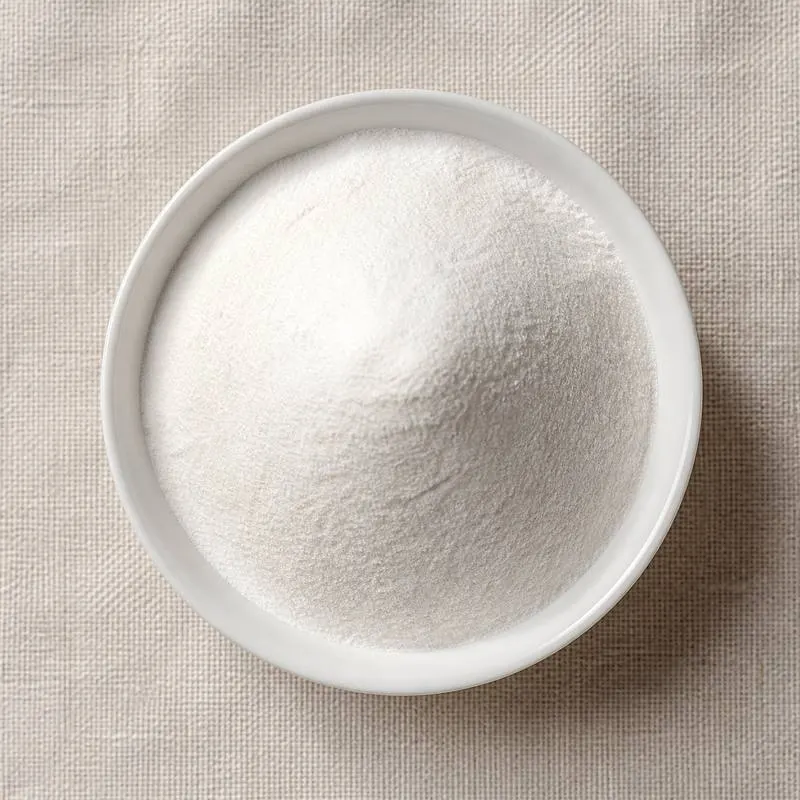
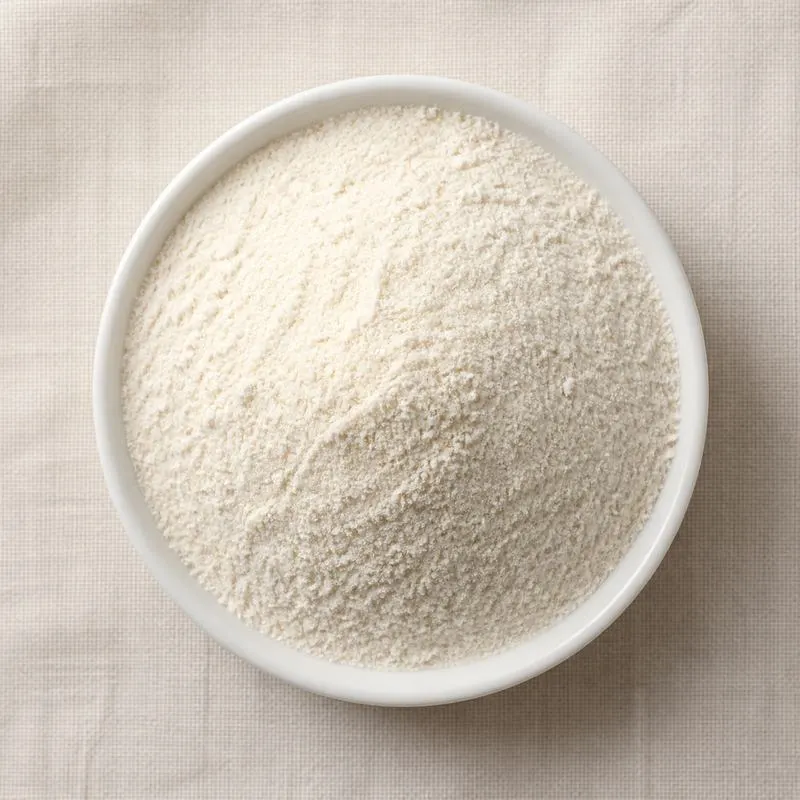
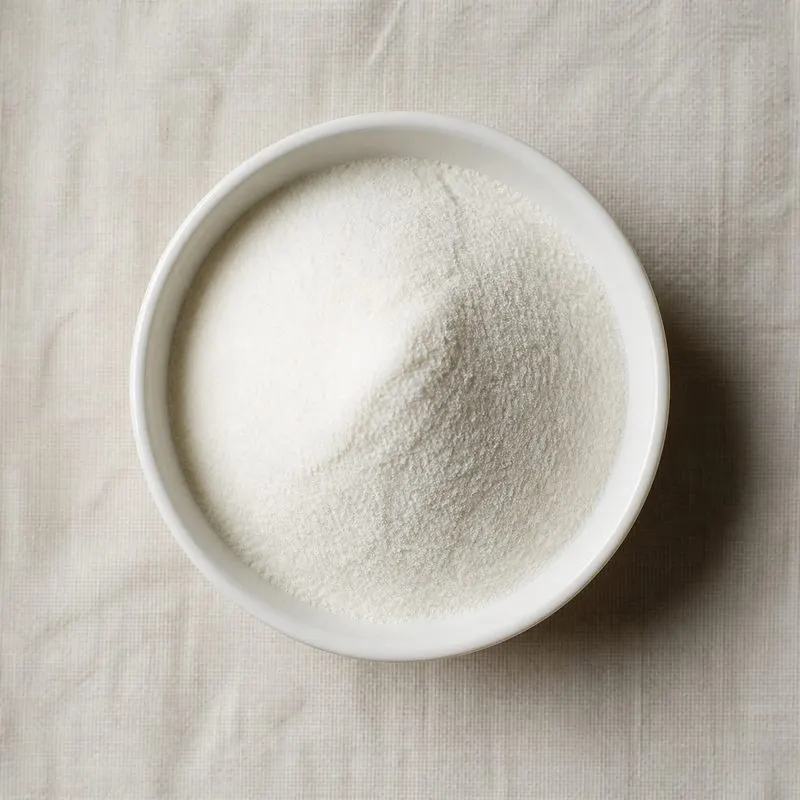
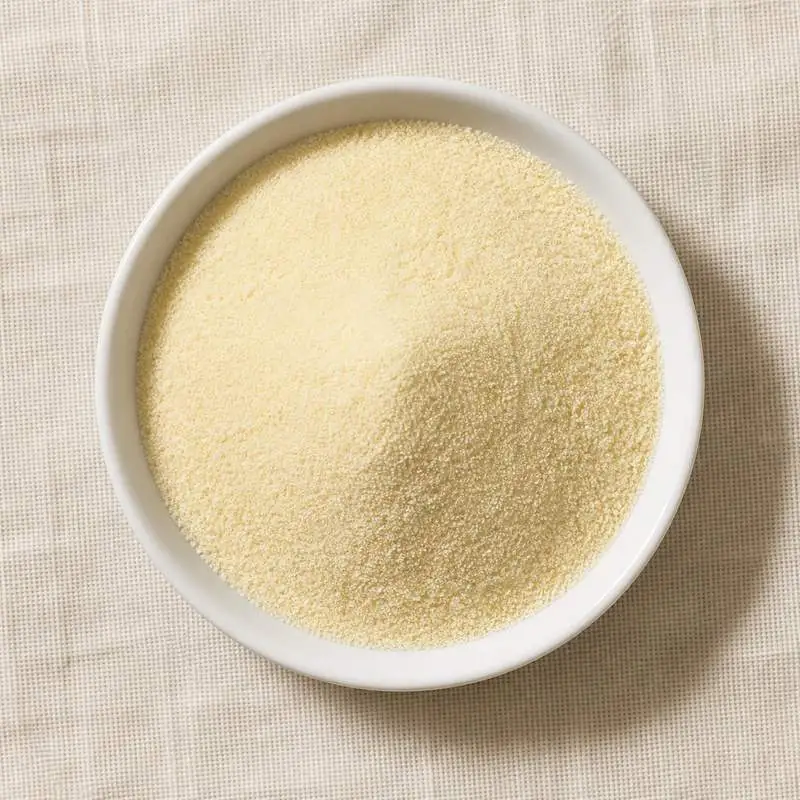
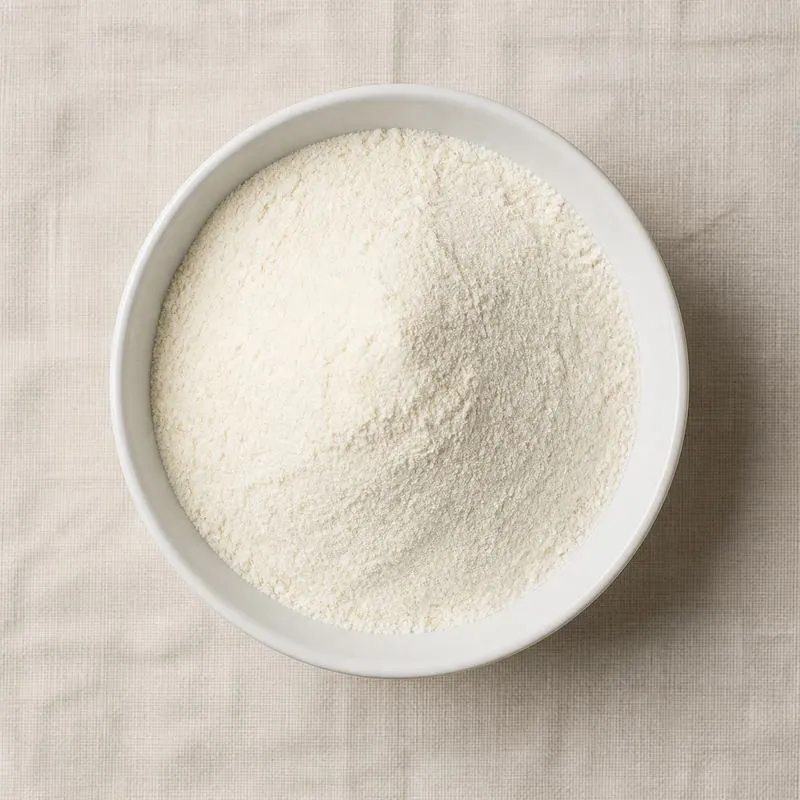
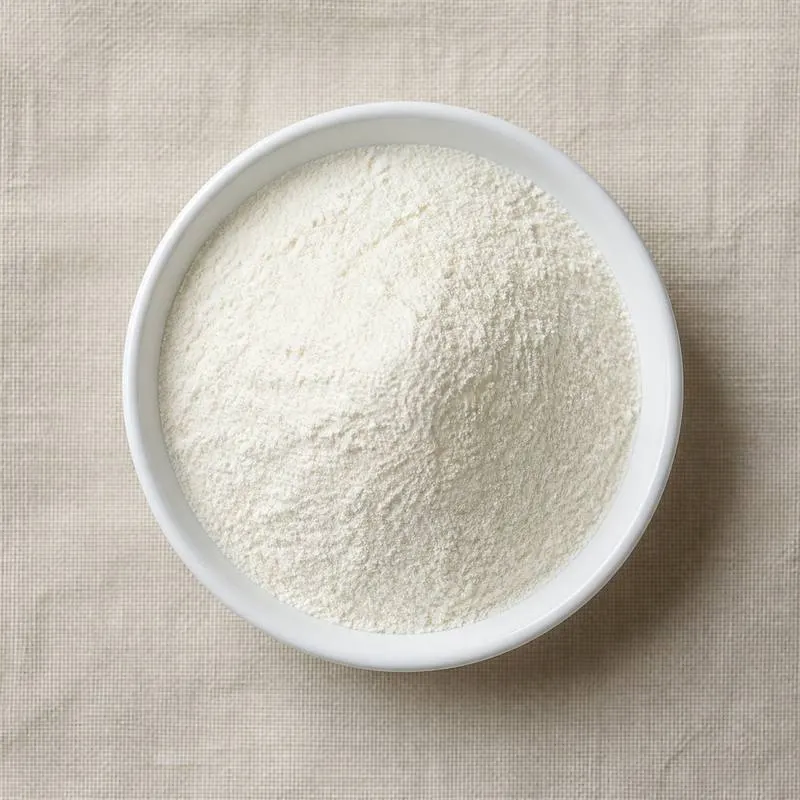
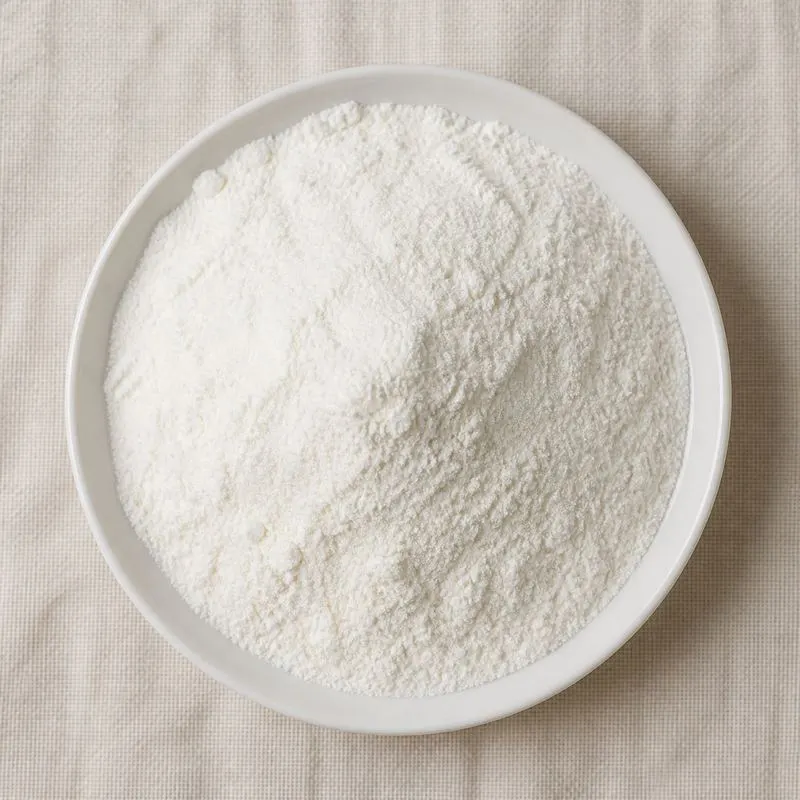
Casein is a white to cream granular powder or fine particles, insoluble in water at its native pH, close to odourless and bland. Its industrial value lies in the derived caseinates, made by neutralising acid casein, which are highly soluble, strongly emulsifying and heat stable enough to survive retorting without coagulating.
We source bulk Fresh Milk Casein from top China manufacturers for our partners. The manufacturer is in Gansu. A smaller requirement can ship in a combined container with other ingredients.
Please send the grade you need, the volume and your destination port, and we will come back with a solution and a price.
or call +86-21-6858 0751
- Function
- Protein
Specifications
| Item | Specification |
|---|---|
| Appearance | White to cream coloured granular powder, free from foreign matter |
| Odour and Taste | Clean and bland, free from sour or rancid notes |
| Protein (dry basis, N x 6.38) | Not less than 90.0 percent |
| Identification | Electrophoretic profile conforms to casein reference |
| Moisture | Not more than 10.0 percent |
| Fat | Not more than 1.5 percent |
| Lactose | Not more than 1.0 percent |
| Ash (acid casein) | Not more than 2.2 percent |
| Free Acidity | Not more than 0.20 mL of 0.1 N sodium hydroxide per gram |
| pH (of caseinate solution) | 6.5 to 7.0 |
| Sediment or Scorched Particles | Disc B or better |
| Lead | Not more than 0.5 mg/kg |
| Total Plate Count | Not more than 30000 cfu/g |
| Coliforms | Negative in 0.1 g |
| Yeast and Mould | Not more than 100 cfu/g |
| Listeria monocytogenes | Negative in 25 g |
| Salmonella | Negative in 25 g |
Common Markets Grades
The first split is acid casein against rennet casein. Acid casein is made by precipitation with mineral acid or by lactic fermentation, carries almost no calcium, and is the feedstock for sodium and calcium caseinate. Lactic casein, precipitated by a starter culture rather than by added acid, is a distinct item preferred for some food uses on flavour grounds. Rennet casein retains its calcium phosphate, does not dissolve on neutralisation, and is used almost entirely in processed cheese and in technical applications.
Within acid casein, grades are defined by particle size, from fine powder to coarse granules, and by ash, free acid and lactose content, with edible grades carrying tighter limits than technical grades. Caseinates are graded by the neutralising cation, sodium caseinate being the most soluble and the standard emulsifier, calcium caseinate giving a slightly turbid, less soluble solution with different mouthfeel, and potassium and magnesium caseinates serving specialised applications. Micellar casein, produced by microfiltration rather than precipitation, is a separate modern product in which the native micelle is preserved.
Applications
- Processed cheese manufacture, where rennet casein supplies the protein network
- Sodium caseinate production, as the feedstock for the standard dairy emulsifier
- Meat products, where caseinate binds fat and water in emulsified sausage
- Coffee whiteners and creamers, where caseinate stabilises the fat emulsion and resists feathering in hot coffee
- Nutritional and clinical formulas, as a slowly digested protein source
- Sports nutrition, where casein is sold on its slow release amino acid profile
- Ice cream and frozen desserts, contributing emulsification and body
- Bakery and confectionery fillings, as a protein and emulsifying component
- Infant formula manufacture, where the casein to whey ratio is adjusted deliberately
- Technical applications including paper coating, adhesives and industrial films
China Manufacturers of Fresh Milk Casein
Top Fresh Milk Casein manufacturers in China.
Company names and logos are the property of the manufacturers themselves. They are listed here because our own directory records them as producing this ingredient. A listing is not an endorsement by them, and we do not represent them or speak on their behalf.
Regulatory Status
In the United States casein and caseinates are handled as conventional dairy ingredients. Sodium caseinate has a specific listing among substances generally recognised as safe, and edible casein production falls under the dairy grading and inspection programmes and the Pasteurised Milk Ordinance for the milk supply. Caseinate is not permitted in products carrying certain dairy standards of identity, which is why imitation and non standardised versions exist, and the ingredient must be declared by name. Milk is a major food allergen, and caseinates must be declared as milk derived even though they are sometimes described as non dairy in creamer labelling.
In the European Union edible caseins and caseinates are governed by a specific directive that lays down compositional requirements, permitted processing aids and labelling for edible acid casein, rennet casein and caseinates, and by the hygiene rules for food of animal origin. Milk is a listed allergen under the food information regulation. Casein is a food ingredient rather than an additive and holds no E number in food use. Codex maintains standards for edible casein products and for milk protein concentrates that define composition and permitted treatments, and these are the references used in international trade.
Manufacturing Process
Fresh milk is received, tested and separated centrifugally, with the cream diverted to butter and cream production and the skim milk taken forward, since casein manufacture uses only the skim. The skim is pasteurised and then precipitated. In mineral acid casein manufacture, dilute hydrochloric or sulphuric acid is injected into the warm skim under controlled mixing to bring the pH to about 4.6, at which point the casein flocculates into curd particles suspended in whey. In lactic casein manufacture the same pH is reached over several hours by a mesophilic starter culture. In rennet casein manufacture, chymosin is added to warm skim at natural pH and the curd sets, then is cut and cooked.
The curd is separated from the whey on a decanter or a screen, cooked to firm the particles, and then washed in several stages with clean water flowing in the opposite direction, which is the step that determines the lactose and ash content of the finished product and therefore its grade. The washed curd is dewatered by pressing or centrifugation and dried, usually in an attrition or fluid bed dryer at moderate temperature, then milled and screened to the target particle size. Caseinate is made by taking the wet curd before drying, dispersing it in water and neutralising with sodium or calcium hydroxide until the protein dissolves, then spray drying the resulting solution.