Haematococcus Pluvialis Oil Microcapsule
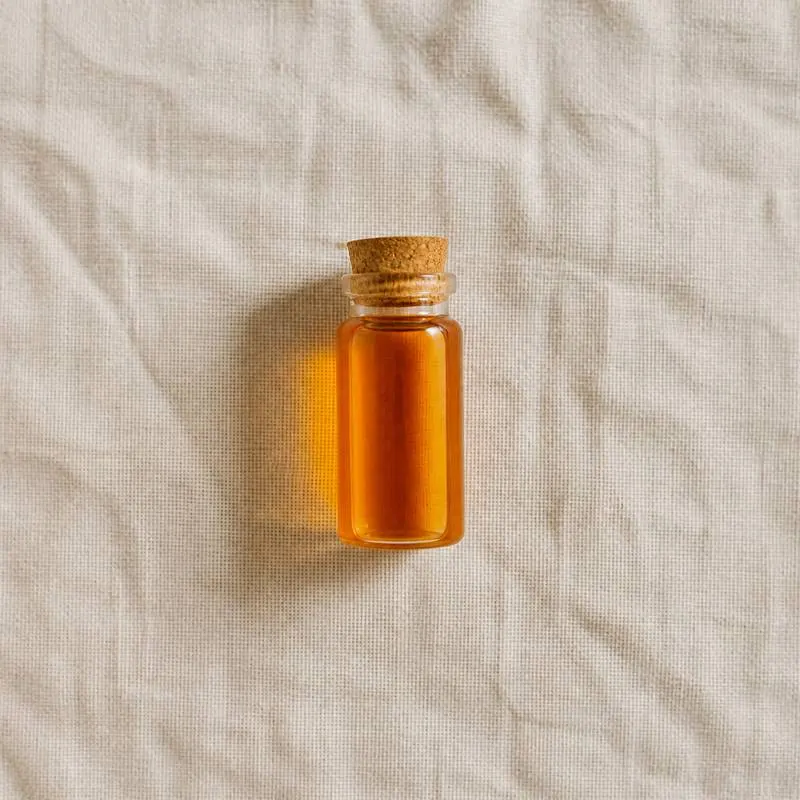
Haematococcus pluvialis oil microcapsule is a microencapsulated powder form of astaxanthin oleoresin extracted from the green microalga Haematococcus pluvialis. The oleoresin itself is a dark red viscous oil in which astaxanthin, a xanthophyll carotenoid, is present largely as mono and di-esters of fatty acids rather than in the free form, alongside algal lipids, other carotenoids and tocopherols. Microencapsulation converts that oil into a free-flowing solid by locking droplets of it inside a matrix of modified starch, gum arabic or a protein wall material.
The reason for encapsulating is chemistry, not convenience. Astaxanthin has a long conjugated polyene chain that oxidises readily and bleaches on exposure to light, heat and oxygen, and it is completely insoluble in water. The capsule wall places a physical barrier between the carotenoid and the atmosphere, and the hydrophilic wall material lets an oil soluble pigment disperse in an aqueous product.
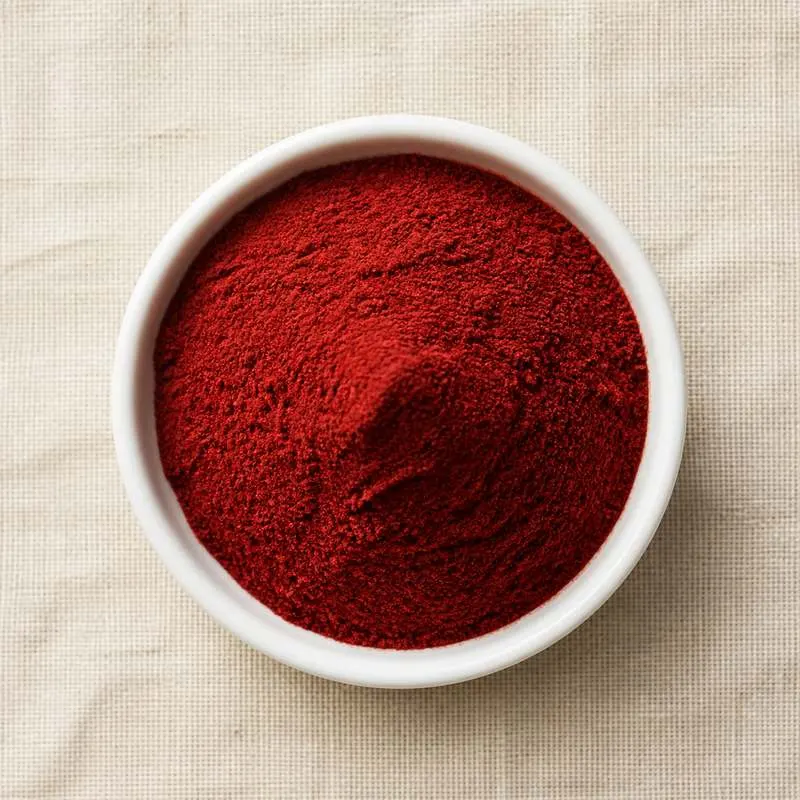
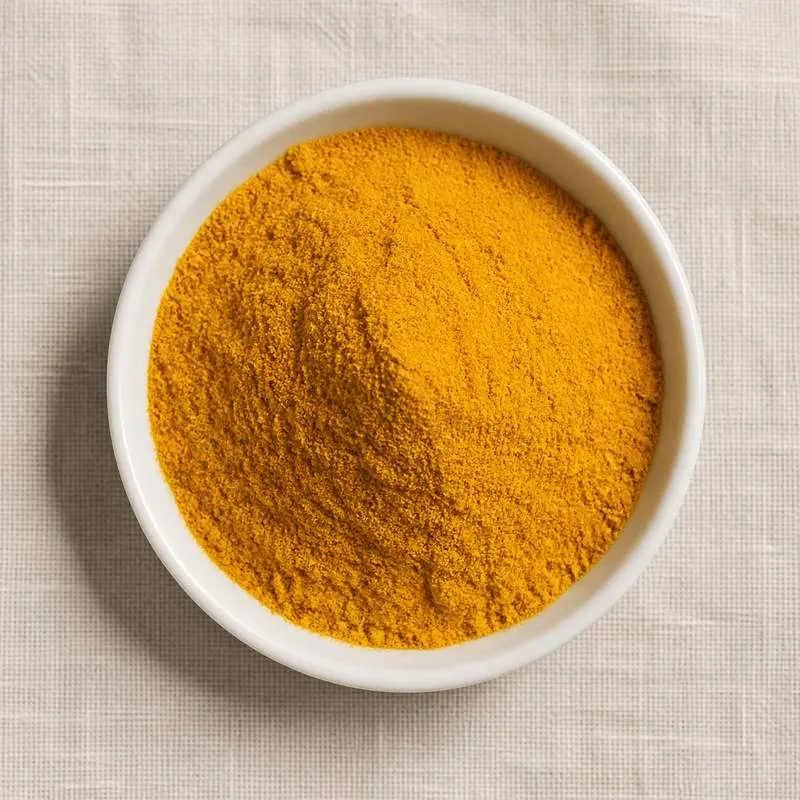
The finished ingredient is a deep red to purple-red free-flowing powder with a faint algal odour. Astaxanthin content is typically between one and ten percent, and the remainder is wall material, carrier and added antioxidants. It disperses in water to a stable red-orange colloid and is stable for a long shelf life when kept cool, dry and away from light.
We source bulk Haematococcus Pluvialis Oil Microcapsule from top China manufacturers for our partners. The manufacturer is in Shandong. A smaller requirement can ship in a combined container with other ingredients.
Please send the grade you need, the volume and your destination port, and we will come back with a solution and a price.
or call +86-21-6858 0751
- Function
- Plant extract
Specifications
| Item | Specification |
|---|---|
| Appearance | Deep red to purple-red free-flowing powder |
| Odour | Faint characteristic algal odour |
| Identification | Conforms by HPLC and visible absorption maximum near 470 nm |
| Total Astaxanthin | Not less than 2.5% by HPLC |
| Free Astaxanthin | Not more than 5% of total astaxanthin |
| Loss on Drying | Not more than 6.0% |
| Total Ash | Not more than 5.0% |
| Particle Size | Not less than 90% through 40 mesh |
| Dispersibility in Water | Forms a uniform dispersion within 2 minutes at 25 degrees Celsius |
| Peroxide Value | Not more than 10 meq/kg of extracted oil |
| Lead | Not more than 1.0 mg/kg |
| Arsenic | Not more than 1.0 mg/kg |
| Total Plate Count | Not more than 10,000 cfu/g |
| Yeast and Mould | Not more than 100 cfu/g |
| E. coli | Absent in 1 g |
| Salmonella | Absent in 25 g |
Common Markets Grades
Grades are set first by astaxanthin loading, commonly 1.5, 2.5, 5 and 10 percent, and second by wall system. Modified starch and gum arabic walls are the main products and give a cold water dispersible powder suited to beverages. Protein-based walls, usually gelatin or a plant protein, give beadlet-type products with better oxidative protection and are chosen for tablet and capsule work. Cross-linked and multi-layer coatings are offered where the powder has to survive a demanding process step.
Beyond the wall, lots differ in particle size and format, from spray dried powder in the tens of microns through granulated agglomerates to true beadlets of a few hundred microns for direct tablet compression. Antioxidant systems are declared and vary, with mixed tocopherols, ascorbyl palmitate and rosemary extract the usual choices. Vegetarian and vegan lines avoid gelatin and fish gelatin walls. Separate grades exist for feed use, where the loading is often higher and the wall specification is directed at pellet survival rather than beverage clarity, and these are not interchangeable with the food grades.
Applications
- Astaxanthin capsules and tablets in the supplement trade, where the beadlet protects the carotenoid over shelf life
- Functional beverages and wellness shots, using cold water dispersible grades that give a clear red-orange colour without an oil ring
- Sports and recovery formulas, dosed alongside vitamin E, omega-3 and polyphenol antioxidants
- Eye and skin health supplements, combined with lutein, zeaxanthin and collagen peptides
- Gummies and soft chews, where the powder is added to the hot slurry and the wall material limits colour loss during depositing
- Dairy and dairy analogue products, contributing a natural pink-orange shade to yoghurts and beverage whiteners
- Powdered drink mixes and sachets, where a dry free-flowing form is the only workable format
- Aquaculture feed for salmon and trout, where astaxanthin is deposited in the flesh and is the source of its pink colour
- Poultry and ornamental fish feed, used for pigmentation of yolk, skin and scales
- Cosmetic powders and colour cosmetics, where the encapsulated pigment is more stable than the free oleoresin
China Manufacturers of Haematococcus Pluvialis Oil Microcapsule
Top Haematococcus Pluvialis Oil Microcapsule manufacturers in China.
Company names and logos are the property of the manufacturers themselves. They are listed here because our own directory records them as producing this ingredient. A listing is not an endorsement by them, and we do not represent them or speak on their behalf.
Regulatory Status
In the United States astaxanthin from Haematococcus pluvialis is used in dietary supplements as a dietary ingredient, and several Haematococcus astaxanthin preparations are the subject of GRAS notifications covering defined uses and levels in conventional foods and beverages. Astaxanthin is separately listed as a colour additive permitted in the feed of salmonid fish, which is a distinct authorisation from the human food use and carries its own conditions. Because the encapsulated product contains a wall system and antioxidants, each of those components must itself be permitted for the intended food use and is declared in the ingredient statement.
In the European Union the novel foods regulation authorises oleoresin from Haematococcus pluvialis containing astaxanthin, principally for use in food supplements; EFSA has assessed a further extension of use into certain other categories, and the Union list of novel foods fixes the conditions of use and the specification. It is regulated as a novel food ingredient rather than as a food additive, so it does not hold a general food colour authorisation, and astaxanthin used in aquaculture is authorised separately under the feed additives framework. JECFA has evaluated astaxanthin-rich preparations, and Codex includes astaxanthin among the substances considered for use in feed and, in specified forms, in food.
Manufacturing Process
Haematococcus pluvialis is cultivated in two stages. A green vegetative phase is grown in closed photobioreactors or covered raceways under nutrient-sufficient conditions to build biomass, then the culture is deliberately stressed by high light, nitrogen limitation and salinity, which drives the cells into a red cyst stage in which astaxanthin accumulates in cytoplasmic lipid globules. The red biomass is harvested by centrifuge or membrane filtration, then cracked, since the cyst wall is a tough sporopollenin-like structure that solvent cannot penetrate. Cell disruption is normally mechanical, by bead mill or high pressure homogeniser. The disrupted slurry is dried, usually by spray drying under low oxygen, and the dried meal is extracted with supercritical carbon dioxide to give the astaxanthin oleoresin.
Encapsulation follows as a separate operation. The oleoresin is blended with an antioxidant system and dispersed into an aqueous solution of the wall material, then passed through a high pressure homogeniser to reduce the oil droplets to a few microns and give a stable emulsion. The emulsion is spray dried, or in the beadlet route sprayed into a chilled starch bed or through a vibrating nozzle, forming discrete particles with the oil enclosed. The dried particles may then receive a secondary coating, are sieved to remove fines and oversize, assayed for astaxanthin by HPLC, and packed under nitrogen in foil laminate with an oxygen absorber.