Hydrolyzed Oat
Hydrolysed oat is oat material, usually wholegrain oat flour or an oat flour slurry, that has been broken down enzymatically so that its starch and to a lesser degree its protein are converted into shorter, soluble fragments. The starting material is Avena sativa, and the point of the treatment is to turn an insoluble, viscous cereal into a fluid, drinkable, mildly sweet liquid or a readily dispersible powder.
The chemistry is straightforward starch hydrolysis carried out on a whole cereal rather than on isolated starch. Alpha amylase cleaves the starch chains internally to dextrins and drops the viscosity sharply; a saccharifying enzyme, usually a beta amylase or an amyloglucosidase, then releases maltose and glucose, which is where the natural sweetness comes from with no sugar added. Because the oat bran is carried through the process rather than removed, the beta glucan fraction stays largely intact, and it is that soluble fibre which gives the finished liquid its characteristic body and its nutritional positioning.
The degree of hydrolysis is the control variable, and it is set by the enzyme choice and the reaction time. Light hydrolysis leaves a thick, only mildly sweet base; extensive hydrolysis gives a thin, distinctly sweet liquid. Hydrolysed oat trades as a liquid oat base at 10 to 20 percent solids, as a concentrated syrup, and as a spray dried powder. A separate and much smaller trade in hydrolysed oat protein, made by hydrolysing the protein fraction specifically, serves the personal care market.
We source bulk Hydrolyzed Oat from top China manufacturers for our partners. The manufacturer is in Guangdong. A smaller requirement can ship in a combined container with other ingredients.
Please send the grade you need, the volume and your destination port, and we will come back with a solution and a price.
or call +86-21-6858 0751
- Function
- Texturisers
Specifications
| Item | Specification |
|---|---|
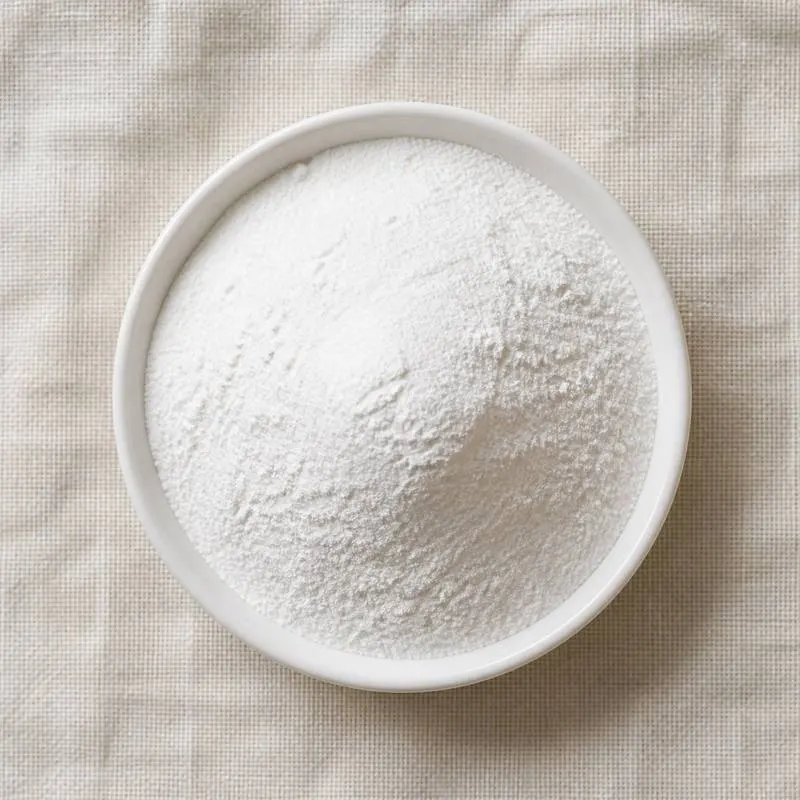
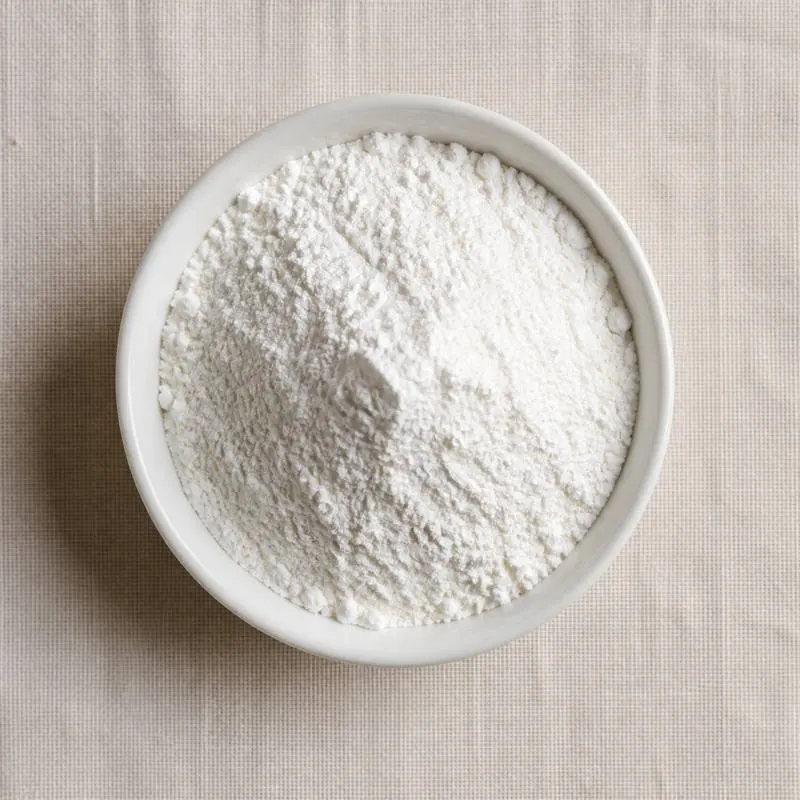
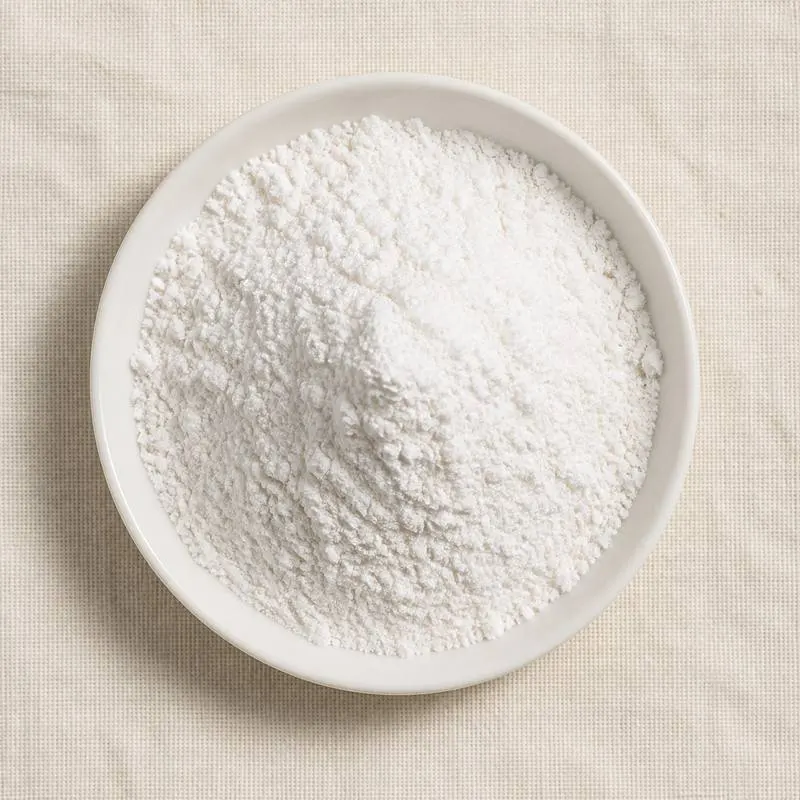
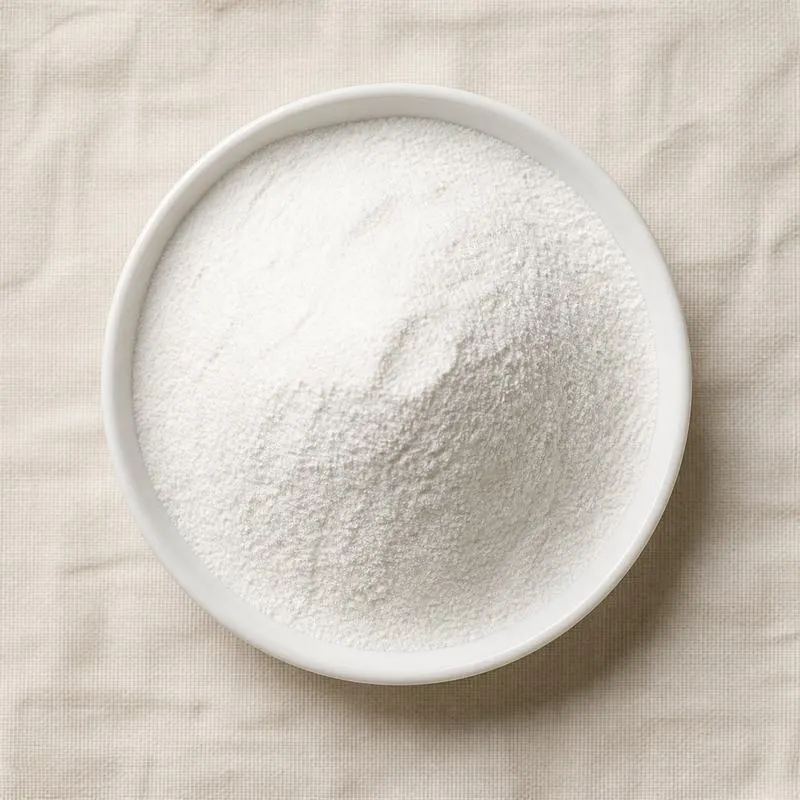
| Appearance | Off white to pale cream opaque liquid or free flowing powder |
| Odour and taste | Characteristic mild oat, naturally sweet, no rancid or bitter note |
| Total solids, liquid base | 15.0 plus or minus 1.0 percent |
| Total sugars on dry solids | Declared for the grade, 30 to 60 percent |
| Dextrose equivalent | Conforms to agreed grade range |
| Beta glucan on dry solids | 1.0 percent minimum |
| Protein, nitrogen times 6.25, dry basis | 2.0 percent minimum |
| Fat, dry basis | 7.0 percent maximum, full fat grade |
| Ash, dry basis | 2.0 percent maximum |
| Free fatty acids, as oleic | 0.5 percent maximum |
| pH | 6.0 to 7.5 |
| Gluten, certified gluten free grade | 20 mg/kg maximum |
| Lead | 0.2 mg/kg maximum |
| Arsenic | 0.2 mg/kg maximum |
| Total plate count | 1000 cfu/g maximum |
| Yeast and mould | 50 cfu/g maximum |
| E. coli | Absent in 1 g |
| Salmonella | Absent in 25 g |
Common Markets Grades
The largest grade is oat base, the enzymatically hydrolysed slurry sold as the intermediate from which oat drinks are made, specified on solids, dextrose equivalent or sugar profile, viscosity, beta glucan content and fat. Buyers select on sweetness, since the sugar profile determines whether a finished drink needs any further sweetening, and on beta glucan, since that determines whether a fibre claim can be made.
Concentrated oat syrup, evaporated to 70 to 78 percent solids, is traded as a natural sweetener and bakery ingredient. Spray dried oat powder is sold where a dry, shelf stable ingredient is needed for dry mixes and bars. Full fat and defatted grades are both made, the latter for products where oat oil would limit shelf life. Gluten free certified oat lines, grown and handled under purity protocols and tested to the gluten threshold, are traded separately at a higher price, as are organic certified lines. Hydrolysed oat protein for cosmetic use is a distinct article specified on molecular weight distribution and nitrogen content rather than on sugars.
Applications
- Oat drinks and oat milk, as the base that carries the sweetness, body and fibre of the finished beverage
- Oat based barista products, where the hydrolysis level is tuned so the drink foams and does not split in coffee
- Oat yoghurt alternatives and fermented plant based products, as the fermentable substrate and the source of body
- Plant based ice cream and frozen desserts, contributing solids, sweetness and freezing point depression
- Bakery, in the syrup form, as a natural sweetener that also holds moisture in the crumb
- Cereal bars and breakfast products, as a binder syrup with an oat rather than a sugar declaration
- Infant and toddler cereals, as an easily digested carbohydrate with a mild flavour
- Sports and recovery drinks, supplying slowly and rapidly available carbohydrate together
- Skin and hair care formulations, in the hydrolysed oat protein grade, as a conditioning and film forming agent
Brands Using Hydrolyzed Oat
Widely-distributed consumer products that list Hydrolyzed Oat on the ingredient label.
- NaturiumSalicylic Acid Body Spray 2% ↗Hydrolyzed oat protein appears in the inactive ingredient list, after niacinamide and acetyl glucosamine.Label verified 2026-08-31
- JessicurlToo Shea! Extra Moisturizing Conditioner ↗The product copy lists hydrolysed oat protein with shea butter, jojoba oil and avocado oil as the conditioner's core ingredients.Label verified 2026-08-31
Brand names, product names and logos are the property of their owners. They appear here as published evidence that the ingredient is used, taken from the brand's own label or website. Their appearance is not an endorsement, and it does not mean the brand buys from us or from any manufacturer listed on this site.
China Manufacturers of Hydrolyzed Oat
Top Hydrolyzed Oat manufacturers in China.
Company names and logos are the property of the manufacturers themselves. They are listed here because our own directory records them as producing this ingredient. A listing is not an endorsement by them, and we do not represent them or speak on their behalf.
Regulatory Status
Hydrolysed oat is a food, not a food additive, and carries no E number. The enzymes used are processing aids: in the United States the relevant amylases are affirmed as generally recognised as safe or are the subject of GRAS notifications, and in the European Union food enzymes are subject to their own authorisation framework, with the enzyme not requiring declaration on the finished product where it has no technological function in it.
Two regulatory points dominate this ingredient. The first is gluten. Oats are a declarable allergen as a cereal containing gluten in the European Union, and are subject to allergen labelling and to cross contact controls in the United States, but oats grown, harvested and milled under purity protocols and tested below the gluten threshold may be described as gluten free in both jurisdictions. The second is health claims. Oat beta glucan carries authorised claims relating it to the maintenance of normal blood cholesterol concentrations and to the reduction of post prandial glycaemic response in the European Union, and the Food and Drug Administration permits a health claim linking beta glucan soluble fibre from oats to reduced risk of coronary heart disease, each subject to a minimum beta glucan content per serving, which is why the beta glucan assay is part of the traded specification. Codex maintains a standard for oats and general guidelines on nutrition and health claims.
Manufacturing Process
Oat groats or wholegrain oat flour are the starting material, and the first step in most plants is a heat treatment of the groat, either steaming or kilning, which inactivates the native lipase. Oats carry an unusually active lipase, and if it is not killed the free fatty acids it releases make the finished product soapy and rancid within days. The treated groats are milled to flour and slurried in water at around 15 to 25 percent solids.
The slurry is heated to gelatinise the starch and dosed with a thermostable alpha amylase, which cleaves the chains internally and collapses the viscosity from a paste to a pourable liquid. The temperature is then dropped to the working range of the saccharifying enzyme, beta amylase or amyloglucosidase, which is held for a controlled period to release maltose and glucose to the target sweetness. Reaction progress is tracked by measuring reducing sugars, and the enzymes are inactivated by a short high temperature hold when the target is reached. The hydrolysate is then separated from the insoluble bran and fibre residue on a decanter centrifuge or a filter, and the liquid phase is polished, standardised for solids and, where a smooth mouthfeel is required, homogenised. From that point it is either pasteurised or sterilised and filled as a liquid base, evaporated under vacuum to a syrup, or spray dried to a powder. Beta glucan is measured on the finished product, since some is inevitably lost with the fibre residue and with any beta glucanase activity present.