Maca Enzymatic Hydrolysis
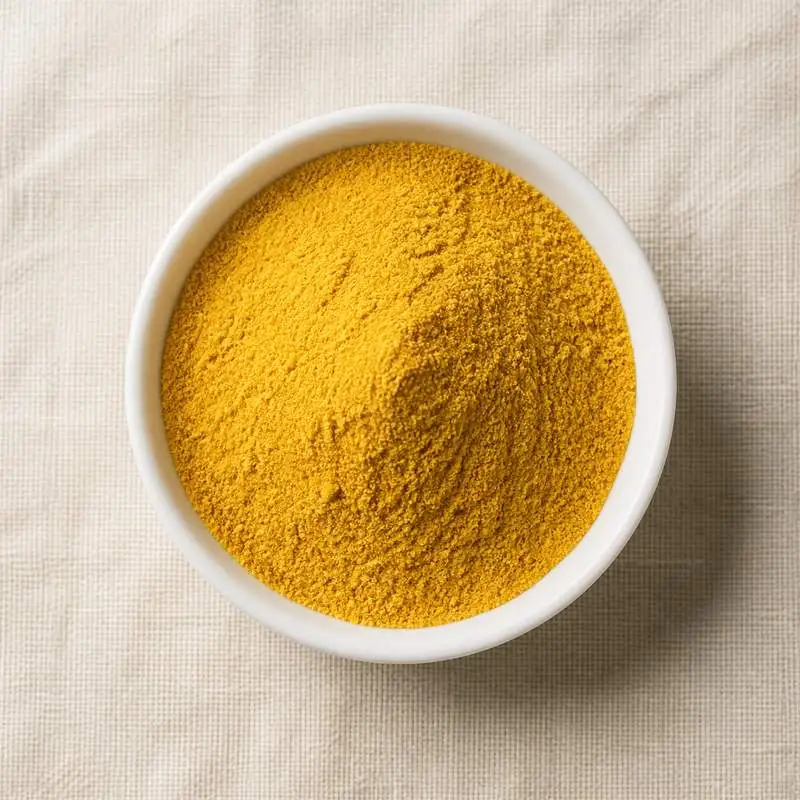
Maca enzymatic hydrolysis is a processed maca ingredient in which the dried hypocotyl of Lepidium meyenii is treated with cell wall degrading and starch degrading enzymes before extraction, so that the finished powder differs from a conventional water or ethanol maca extract in solubility, digestibility and marker content. It is a light beige to tan free-flowing powder with the malty, slightly earthy odour characteristic of maca.
Maca root is 60 to 75 percent carbohydrate, mostly starch, held inside a fibrous cellulosic matrix, and that matrix is what limits the release of the compounds of interest, the glucosinolates and their benzyl isothiocyanate breakdown products, the macamides and macaenes, and the sterol fraction. Cellulase, hemicellulase and pectinase break the wall structure, while amylase and glucoamylase convert the starch to soluble dextrins and glucose, and protease releases free amino acids and peptides. The result is a material with a much higher soluble solids content than milled maca and a higher recovered level of the marker compounds per unit weight.
The hydrolysed powder dissolves or disperses readily in water, giving a slightly sweet, cloudy solution, and it is markedly more hygroscopic than plain maca powder because of its free sugar and dextrin content. It cakes in humid conditions, so it is packed in sealed foil laminate with desiccant, and the glucosinolate fraction is heat and moisture sensitive, which sets an upper limit on drying temperature.
We source bulk Maca Enzymatic Hydrolysis from top China manufacturers for our partners. The manufacturer is in Sichuan. A smaller requirement can ship in a combined container with other ingredients.
Please send the grade you need, the volume and your destination port, and we will come back with a solution and a price.
or call +86-21-6858 0751
- Function
- Nutraceutical
Specifications
| Item | Specification |
|---|---|
| Appearance | Light beige to tan free-flowing powder |
| Odour and taste | Characteristic malty maca odour, slightly sweet taste |
| Botanical identification | Conforms to Lepidium meyenii hypocotyl |
| Total macamides by HPLC | Not less than 0.3 percent |
| Glucosinolates as glucotropaeolin | Not less than 0.5 percent |
| Water solubility | Not less than 95 percent, no visible sediment at 5 percent in water |
| Loss on drying | Not more than 6.0 percent |
| Total ash | Not more than 8.0 percent |
| Residual enzyme activity | Negative after inactivation |
| Particle size | Passes 80 mesh, not less than 95 percent |
| Total plate count | Not more than 10000 cfu/g |
| Yeast and mould | Not more than 100 cfu/g |
| Escherichia coli | Absent in 1 g |
| Salmonella | Absent in 25 g |
Common Markets Grades
Grades are separated first by the maca colour type used as feedstock, yellow, red or black hypocotyl, since the three carry different glucosinolate and macamide profiles and are priced differently, and blends of the three are also traded. Within each, the article is specified by extraction ratio, commonly quoted from 4:1 to 20:1, and by marker content: total macamides at levels typically between 0.2 and 1.0 percent, and glucosinolates expressed as glucotropaeolin.
A further distinction is between a gelatinised maca, in which the root has been cooked to burst the starch granules without enzyme treatment, and the enzymatically hydrolysed article, which goes further and converts the starch chemically. Both are sold to the same buyers, so specifications state which process was used, along with degree of hydrolysis or dextrose equivalent where the starch conversion is the point of the product. Physical forms are a spray dried powder with or without a maltodextrin carrier, a granulated instant grade for beverage sticks, and a liquid concentrate. Organic certified material is widely available.
Applications
- Instant beverage sachets and drink sticks, where the soluble hydrolysate dissolves without the sediment left by milled maca
- Energy and vitality supplement capsules and tablets standardised on macamide content
- Sports and pre-workout blends, formulated with cordyceps, ginseng and B vitamins
- Men and women vitality formulations, the traditional positioning of maca in the supplement trade
- Ready-to-drink functional beverages and shots, where the clear solubility is the reason for choosing the hydrolysate
- Nutrition bars and functional snacks, contributing a malty note along with the actives
- Dairy and plant milk drinks, where a dispersible rather than gritty maca is required
- Gummies and chewables, where the soluble form blends into a gelatin or pectin matrix
- Cosmetic and personal care actives using the same hydrolysate, outside food use
China Manufacturers of Maca Enzymatic Hydrolysis
Top Maca Enzymatic Hydrolysis manufacturers in China.

Company names and logos are the property of the manufacturers themselves. They are listed here because our own directory records them as producing this ingredient. A listing is not an endorsement by them, and we do not represent them or speak on their behalf.
Regulatory Status
Maca has a long history of consumption as a food in the Andean highlands, and in the United States dried maca root and its preparations are marketed as dietary supplement ingredients under the Dietary Supplement Health and Education Act, with maca having been in the market before the statutory cut-off. An enzymatically hydrolysed preparation that differs significantly in composition from the traditional article may call for a new dietary ingredient notification to FDA, and enzyme preparations used in its manufacture must themselves be permitted processing aids, either the subject of a food additive regulation or generally recognised as safe. Claims are limited to structure and function statements with the required disclaimer.
In the European Union maca root has been the subject of consideration under the novel food rules, and preparations of Lepidium meyenii placed on the market require that their history of consumption in the Union before May 1997 be established, or that they be authorised under Regulation (EU) 2015/2283; an enzymatic hydrolysate is a preparation whose status has to be assessed on its own facts rather than inherited from the dried root. Directive 2002/46/EC and national rules on botanicals otherwise regulate food supplements containing the material, and no health claim relating to maca has been authorised. The ingredient is not a food additive and has no E number. Codex Alimentarius has no standard for maca; the general standards for contaminants and pesticide residues apply.
Manufacturing Process
Dried maca hypocotyls are cleaned, milled and slurried in water at 10 to 20 percent solids. The slurry is heated to gelatinise the starch, then cooled to the working range of the enzyme system, usually 50 to 60 degrees Celsius, and the pH is adjusted to suit it. A combination of cellulase, hemicellulase and pectinase is dosed to break down the cell wall, with alpha-amylase and glucoamylase converting the gelatinised starch to dextrins and glucose and a protease releasing peptides. Hydrolysis is held for several hours under agitation with the degree of conversion tracked by soluble solids or dextrose equivalent, then stopped by raising the temperature to inactivate the enzymes.
The hydrolysate is separated from the insoluble residue by decanter centrifuge and filtered, and where a clearer product is required it is polished over diatomaceous earth or by ultrafiltration. The clarified liquor is concentrated in a falling film evaporator under vacuum at low temperature, so that the glucosinolate fraction is not degraded, and is then spray dried, with maltodextrin or gum arabic blended in as a carrier where the free sugar content would otherwise make the powder unmanageable in the dryer. The powder is sieved, tested and packed with desiccant. The insoluble residue is dried and sold as a maca fibre for feed or low-grade food use.