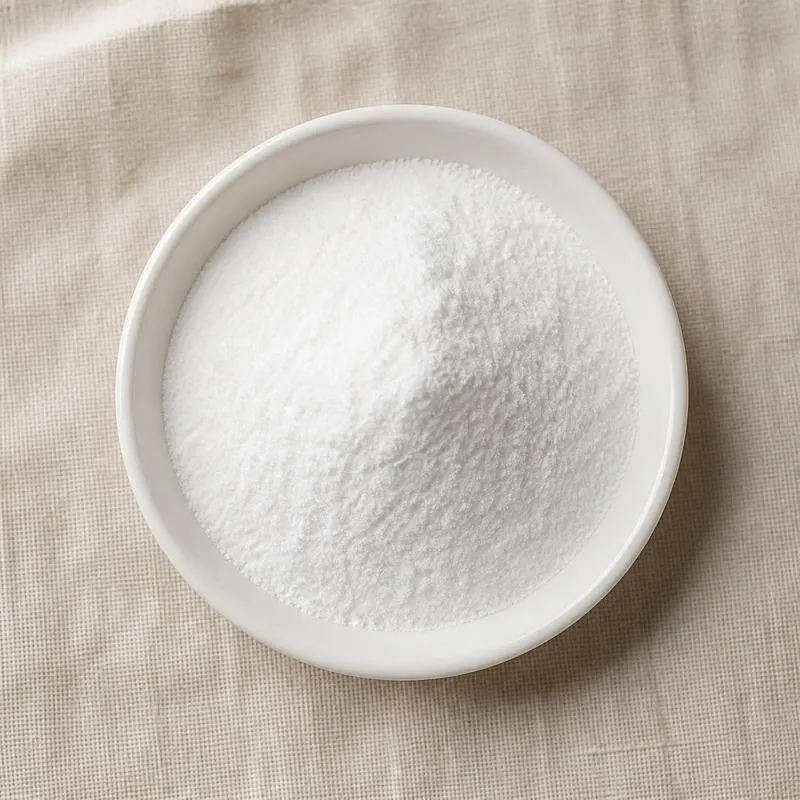
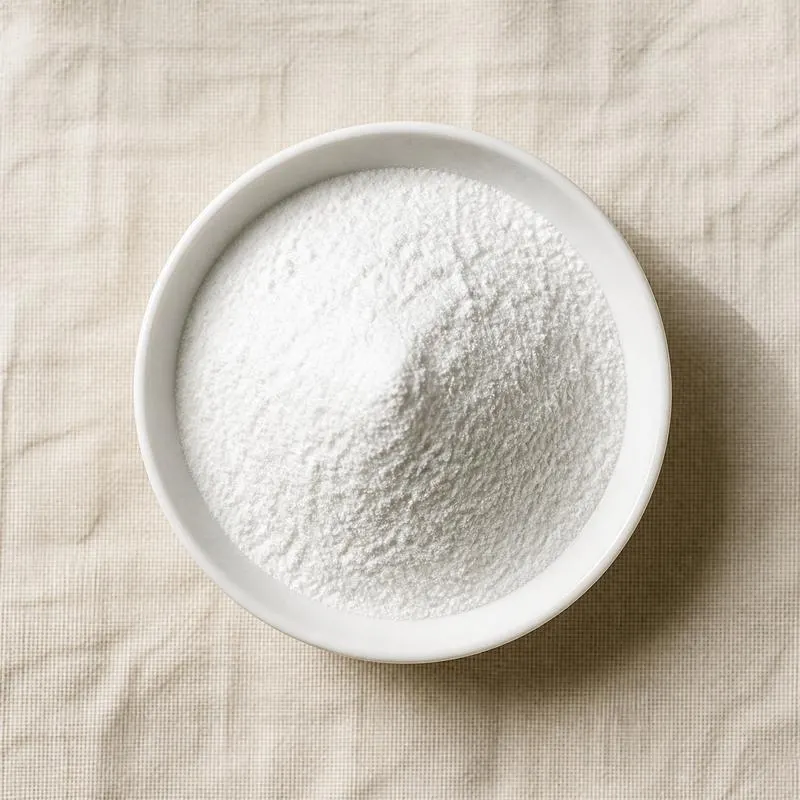
Natamycin 50% in Lactose
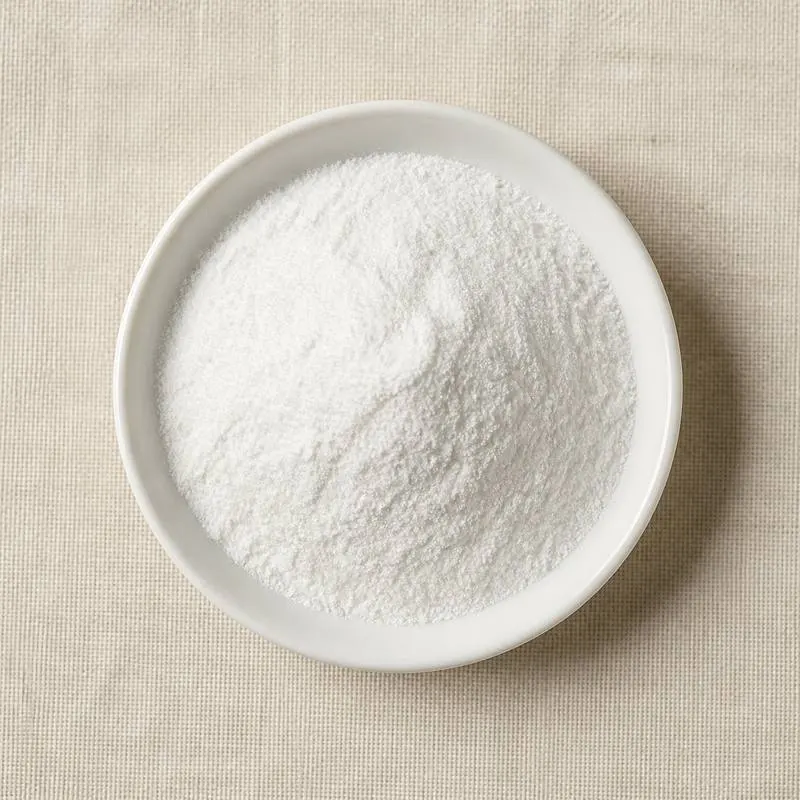
Natamycin 50% in Lactose is a dry blend of pharmacopoeia-grade natamycin co-milled with food-grade lactose to deliver 50 percent active in a flowable powder. The lactose carrier was chosen because it integrates cleanly into dairy matrices and adds no foreign sugar profile to cheese plants.
The grade is engineered for cheese rind treatment, where the surface dip or spray uses lactose as a familiar carbohydrate that does not disturb starter cultures or ripening flora.
We source bulk Natamycin 50% in Lactose from top China manufacturers for our partners, working with several of them. The manufacturers are mostly in Henan, Shandong and Jiangsu. A smaller requirement can ship in a combined container with other ingredients.
Please send the grade you need, the volume and your destination port, and we will come back with a solution and a price.
or call +86-21-6858 0751
- Packaging
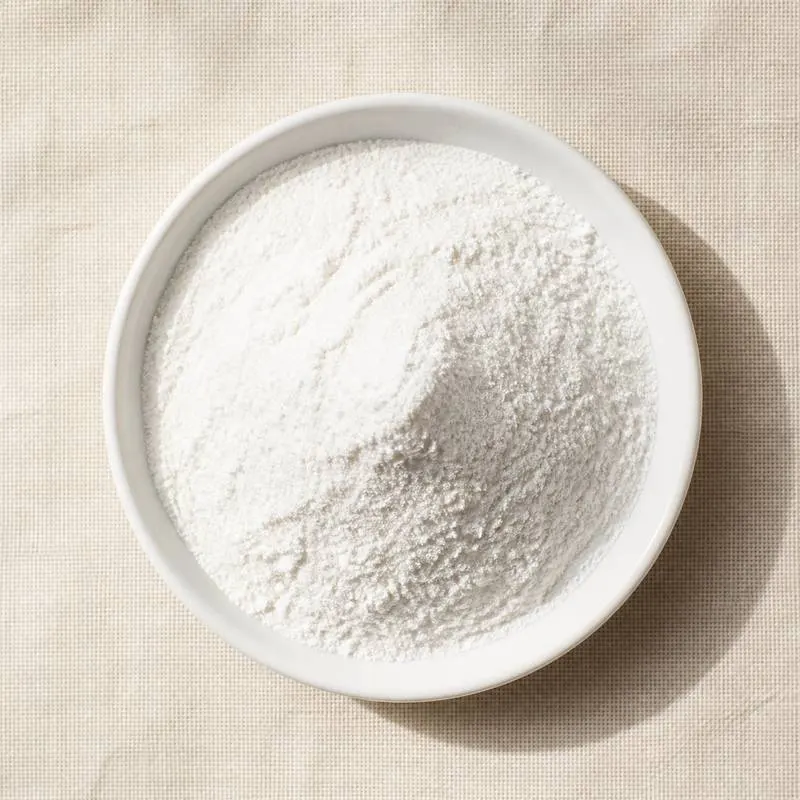
- 20 kg fibre drum with double PE liner
- ISO 9001
- HACCP
- Halal
- Kosher
Specifications
Grades / Types Available: Food Grade, Pharmaceutical Grade
| Item | Specification |
|---|---|
| Appearance | White to cream-colored powder |
| Natamycin Content | 50.0 ± 2.0% |
| Carrier | Lactose |
| Moisture | ≤ 6.0% |
| pH (1% suspension) | 5.0 - 7.5 |
| Particle Size (through 200 mesh) | ≥ 95% |
| Total Plate Count | ≤ 100 CFU/g |
| Yeasts & Molds | ≤ 10 CFU/g |
| Heavy Metals (as Pb) | ≤ 10 mg/kg |
| Lead (Pb) | ≤ 2 mg/kg |
| Purity (Food Grade) | ≥ 50% |
| Moisture/Loss on Drying | ≤ 5% |
| Yeast & Mold | ≤ 100 cfu/g |
Common Markets Grades
This grade is specified at 50.0 percent natamycin minimum with the balance made up by food-grade lactose monohydrate.
Standard particle size is fine free-flowing powder suitable for water-suspension preparation. A coarser version is also offered for direct dosing into curd or whey systems where rapid wetting is less critical.
The blend is pale cream to off-white with the slight residual milk note characteristic of lactose carriers.
Applications
- Surface dip treatment of hard cheeses such as Edam, Gouda, and provolone before waxing or vacuum packing
- Surface spray on cheddar blocks, mozzarella balls, and pressed cheese wheels
- Brine bath supplement for semi-hard cheeses during the salting step
- Coating of fresh cheeses such as queso fresco and feta in markets that permit broader use
- Cottage cheese, sour cream, and cream cheese in regions where in-product use is allowed
- Cheese powder and shred anti-caking blends to suppress surface mould
- Yogurt surface treatment in regional markets that permit it
- Dried, cured sausage casings co-treated in dairy-adjacent plants
- Salted-cheese rinsewater for production line equipment
- Cheese-based dips, fondues, and processed cheese surfaces
- Whey-based beverage trials and pilot lines
- Dairy ingredient powders for industrial onward formulation
Brands Using Natamycin 50% in Lactose
Widely-distributed consumer products that list Natamycin 50% in Lactose on the ingredient label.
- Kraft Natural CheeseCheddar Fat Free Shredded Cheese ↗Listed: 'Nonfat Cheddar Cheese (...), Modified Cornstarch Added To Prevent Caking, Natamycin (A Natural Mold Inhibitor).' Consumer labels list only 'natamycin' without specifying carrier form.Label verified 2026-05-25
- TillamookSharp Cheddar Shredded Cheese ↗Listed: 'Sharp Cheddar Cheese (Cultured Milk, Salt, Enzymes, Annatto [color]), Potato Starch, Natamycin.'Label verified 2026-05-25
- BelGioiosoSpecialty Blends - Salad Blend ↗Listed: 'Cultured milk, enzymes, salt, cellulose to prevent caking, natamycin to protect flavor.'Label verified 2026-05-25
Brand names, product names and logos are the property of their owners. They appear here as published evidence that the ingredient is used, taken from the brand's own label or website. Their appearance is not an endorsement, and it does not mean the brand buys from us or from any manufacturer listed on this site.
China Manufacturers of Natamycin 50% in Lactose
Top Natamycin 50% in Lactose manufacturers in China.
 Chihon Biotechnology Co., Ltd.8 ingredients in the directory
 Jiangsu TUA LLC6 ingredients in the directory
 Shandong Freda Biotechnology Co., Ltd.8 ingredients in the directory
 Weiri (Shandong) Bio-Tech Co., Ltd.7 ingredients in the directory
- Xinxiang Tianyi Biotechnology Co., Ltd.10 ingredients in the directory
 Yota Bio-engineering Co., Ltd.10 ingredients in the directory
 Zhejiang Silver Elephant Bioengineering Co., Ltd.12 ingredients in the directory
 Zhengzhou Bainafo Bioengineering Co., Ltd.8 ingredients in the directory
Company names and logos are the property of the manufacturers themselves. They are listed here because our own directory records them as producing this ingredient. A listing is not an endorsement by them, and we do not represent them or speak on their behalf.
How We Help Source Natamycin 50% in Lactose
Direct Factory Sourcing
We run the whole process: selecting the manufacturer from the top Chinese food ingredient producers, negotiating the price, verifying quality, and coordinating the logistics. You deal with us instead of with several factories at once.
Original Packaging and Documents from the Manufacturer
The manufacturer sends your Natamycin 50% in Lactose out of its own factory in the original packing, through to your destination port. The COA, COO, MSDS, TDS and any certifications reach you from the manufacturer as well.
Free Samples and Lead Time
We send 100 to 500 g free for your own laboratory to test and you cover only the courier, usually within 2 to 3 working days. ETD is usually within 7 to 15 days once the order is confirmed, and we check that date against the factory's own manufacturing schedule before we give it to you.
Combined Shipment
We can load Natamycin 50% in Lactose together with other ingredients such as Calcium Propionate, Sodium Diacetate and Sodium Propionate into one 20' FCL. If your quantity is small, we can also ship LCL.
Regulatory Status
The active substance carries the European E number E235 and is permitted under Annex II of Regulation 1333/2008 only as a surface treatment of hard, semi-hard, and semi-soft cheese and of dried, cured sausage. The maximum residue is 1 mg per dm² of surface area, with no detectable residue beyond 5 mm depth.
The U.S. Food and Drug Administration regulates natamycin under 21 CFR 172.155, permitted as an antimycotic on the surface of cuts and slices of cheese at up to 20 mg per kg.
The lactose carrier is a standard dairy ingredient with allergen-labelling requirements for milk in both EU and US markets. The finished blend should be declared on the ingredient list as natamycin (E235) on lactose, with the lactose itself triggering the milk allergen call-out where relevant.
Pharmacopoeial monographs for the active appear in the United States Pharmacopeia, the European Pharmacopoeia, and the British Pharmacopoeia. Kosher dairy and halal certifications are routinely available subject to carrier sourcing.
Manufacturing Process
The active is produced by submerged fermentation of Streptomyces natalensis followed by extraction, crystallisation, and washing to pharmacopoeia-grade purity at 95 percent or higher.
The crystals are blended with food-grade lactose monohydrate in a controlled environment and co-milled to a uniform particle size. Lactose is selected over glucose or salt because its anhydro-α-form has good flow properties and limited hygroscopicity, which helps the finished blend resist caking in cheese-plant humidity.
The blend is assayed by ultraviolet absorption at 303 nm against a reference standard to confirm the 50 percent specification.
Packaging is typically foil-lined bags in fibre drums, with active stable for 24 months when stored cool, dry, and protected from light.